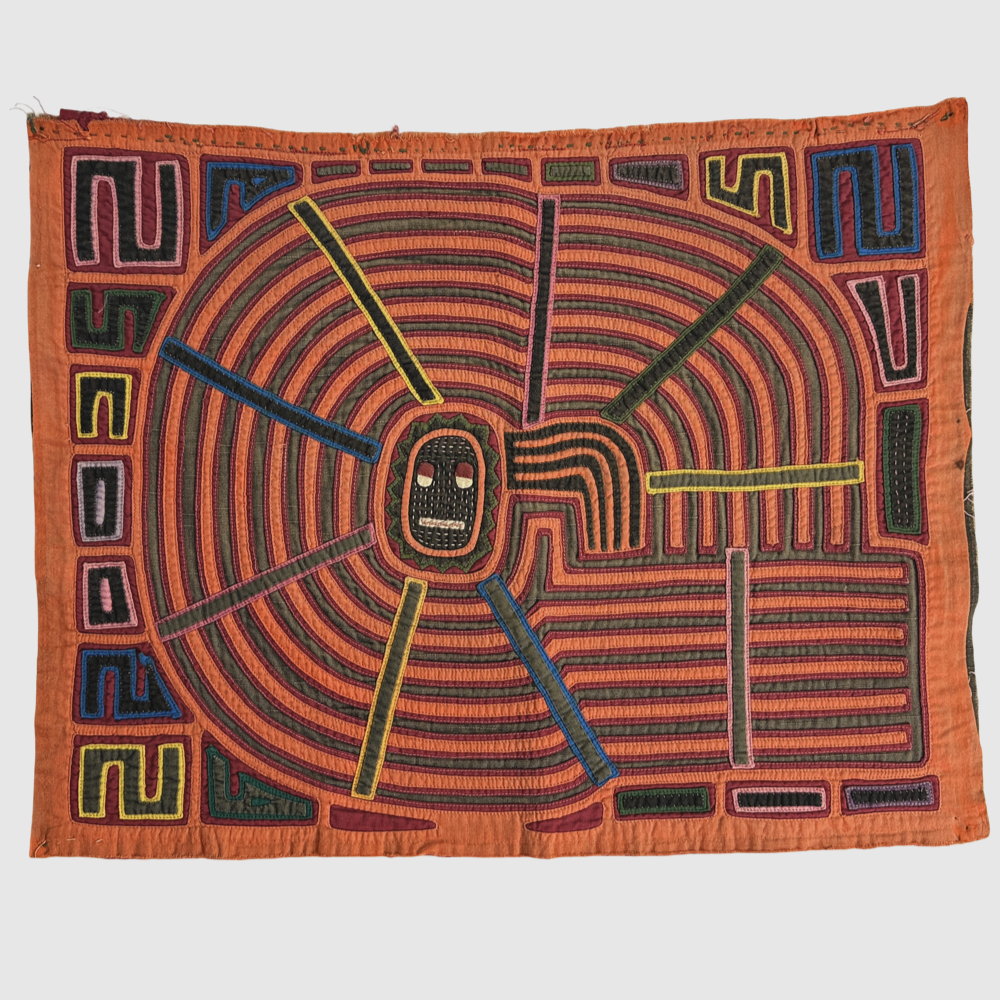
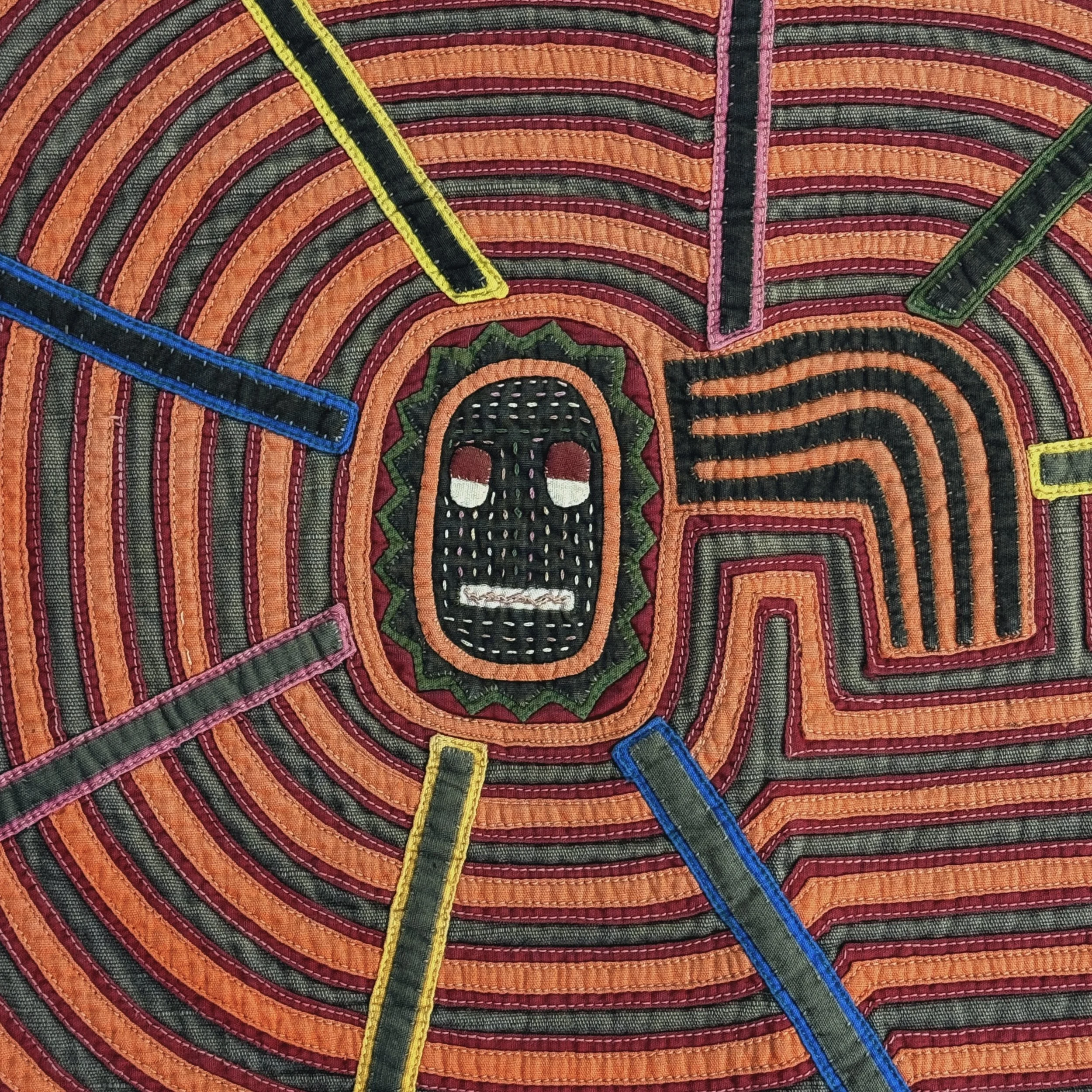
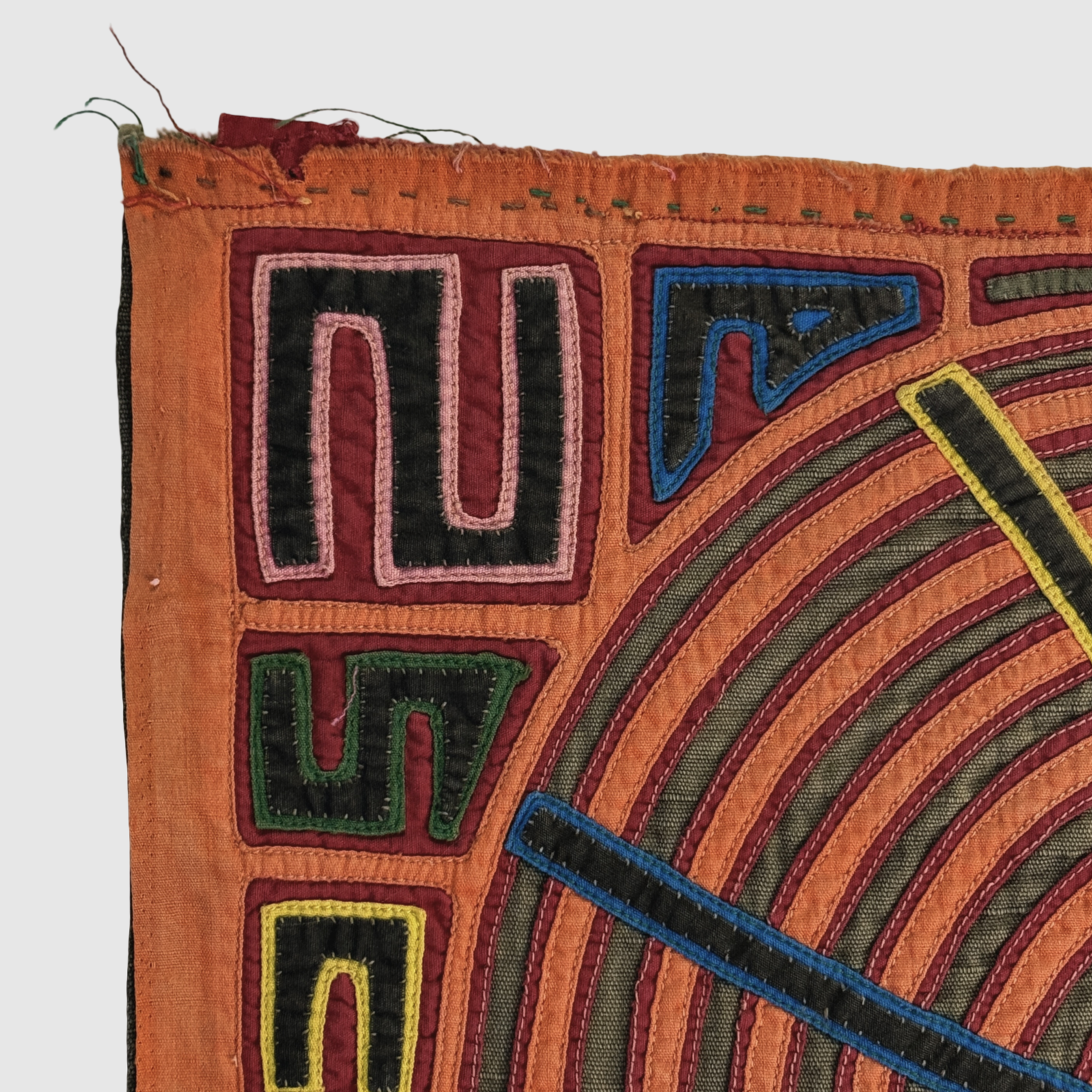
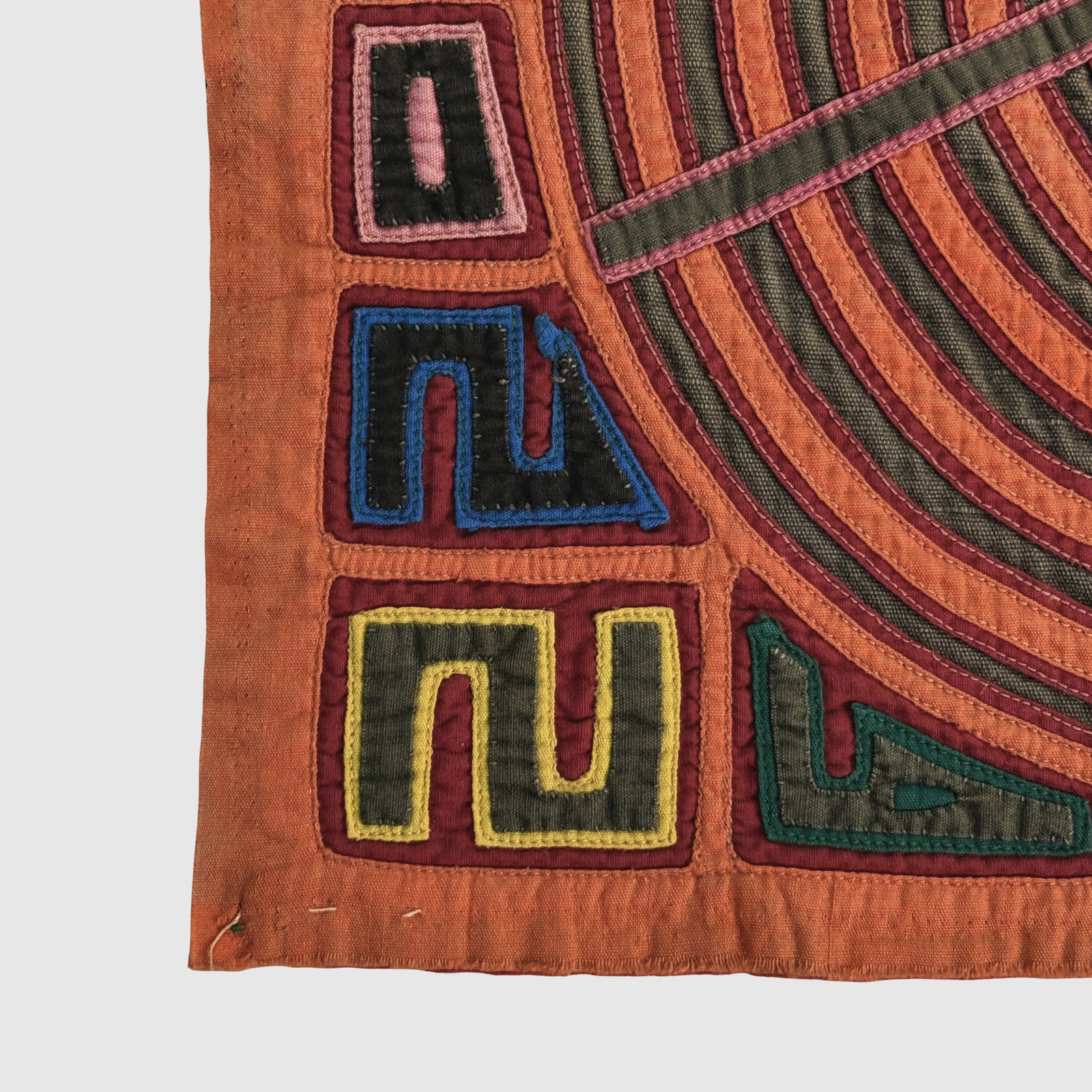
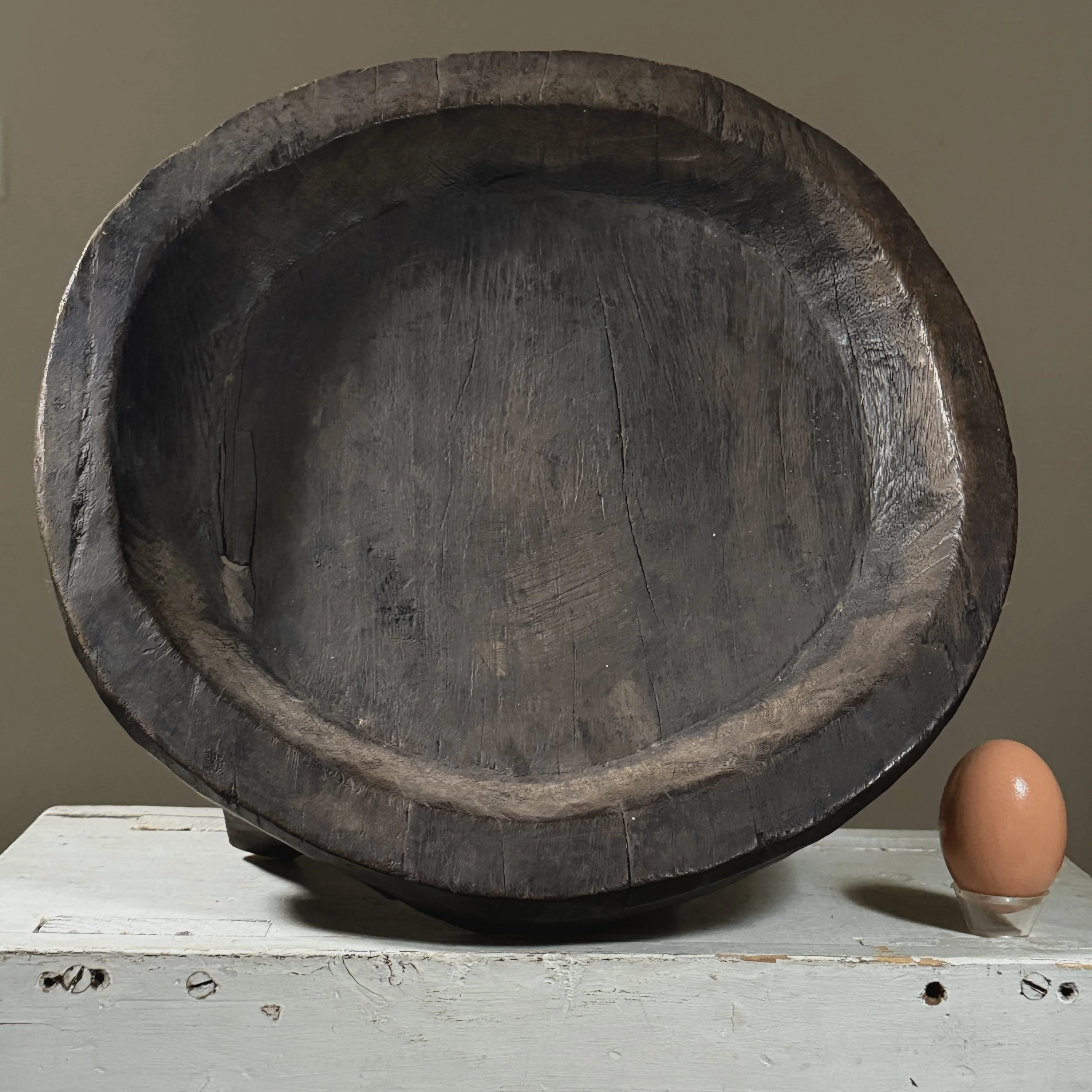
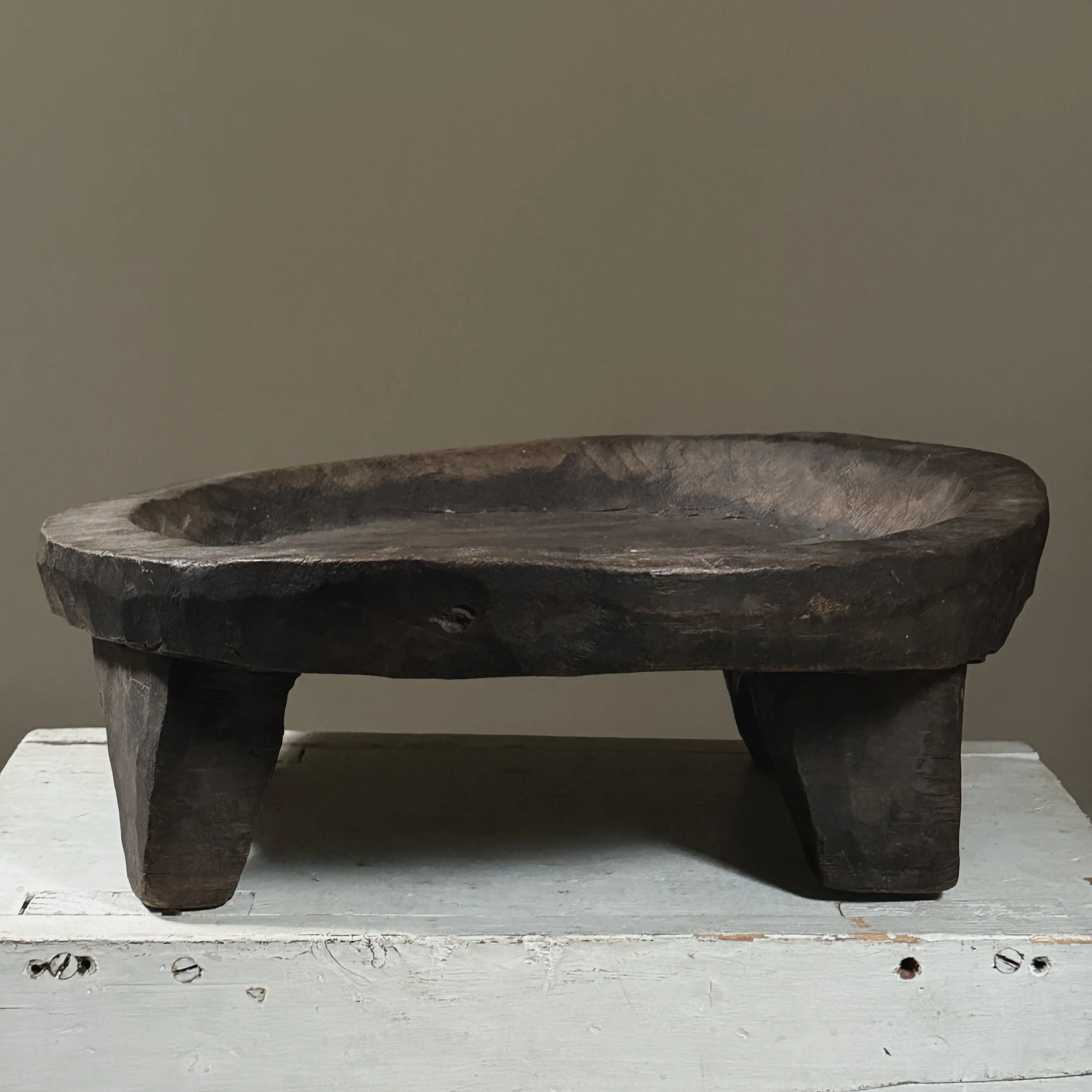
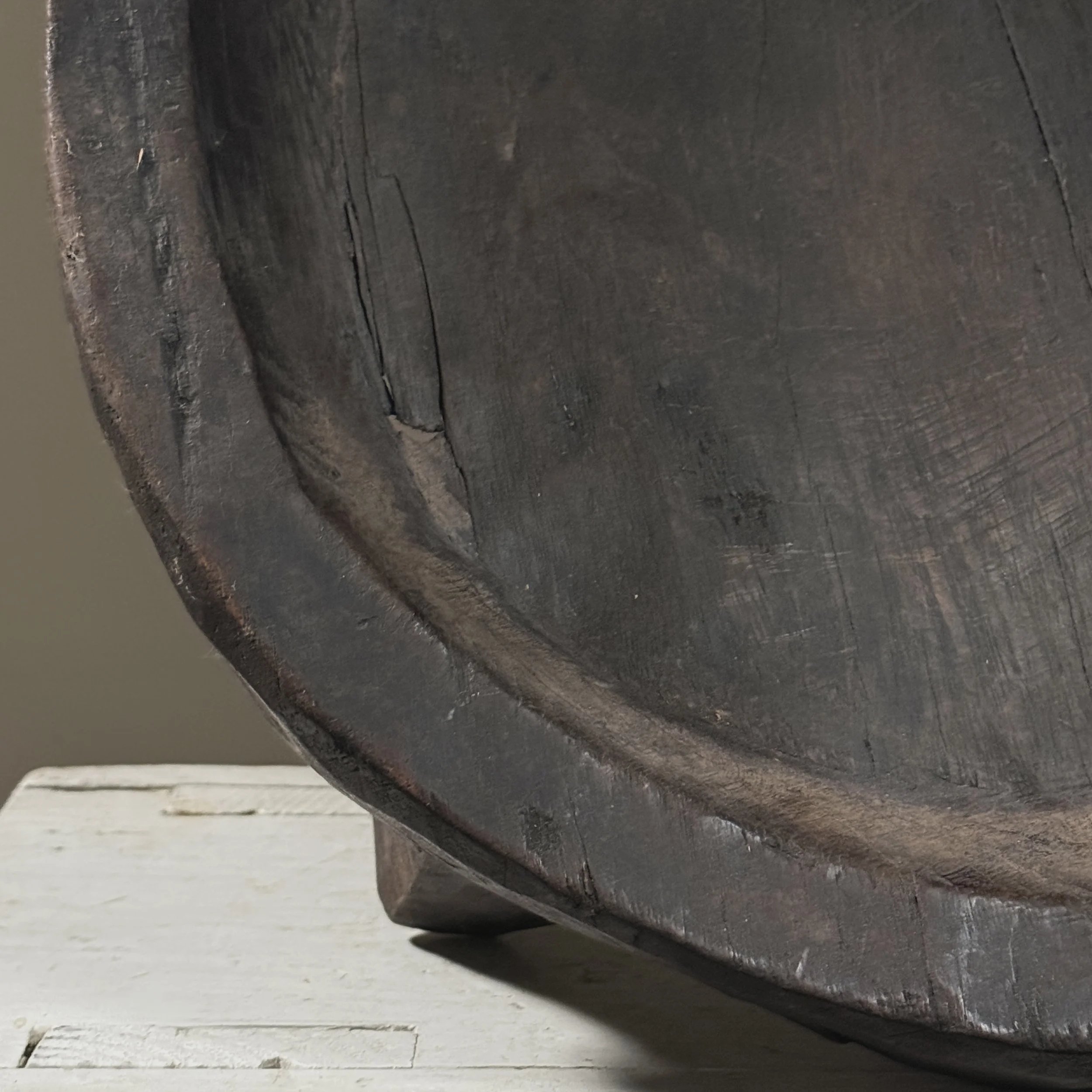
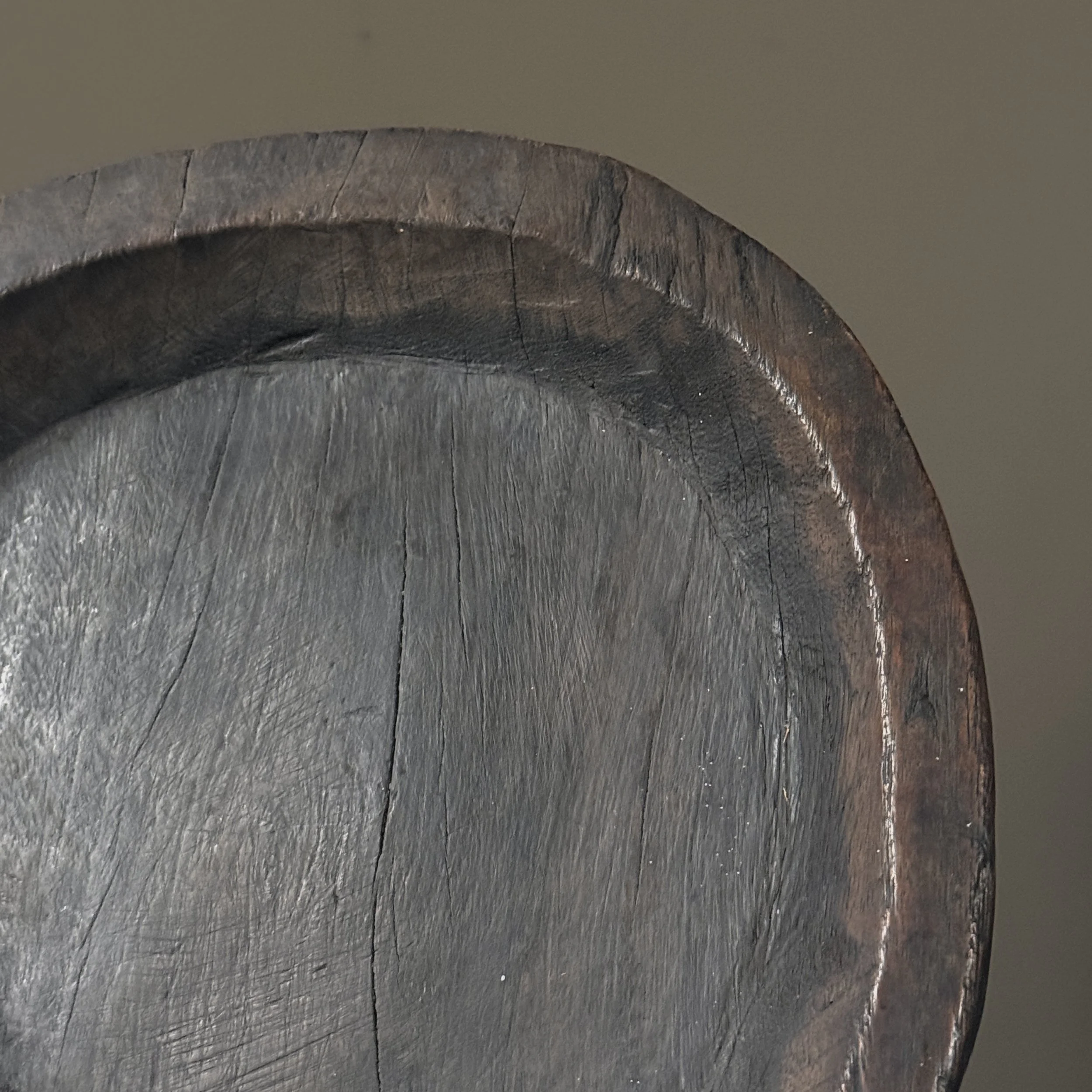
Object: Woven Plaque (Ceremonial Tray)
Culture: Hopi (Third Mesa)
Origin: Hopi Reservation, Northeastern Arizona
Period: Circa 1950
Medium: Wicker woven plant fibers (rabbit brush, sumac, yucca); most likely aniline dyes
Dimensions: Diameter 12.25 in. (31.1 cm); Height 1 in. (2.5 cm)
Condition: Good. Wear consistent with age.
Description:
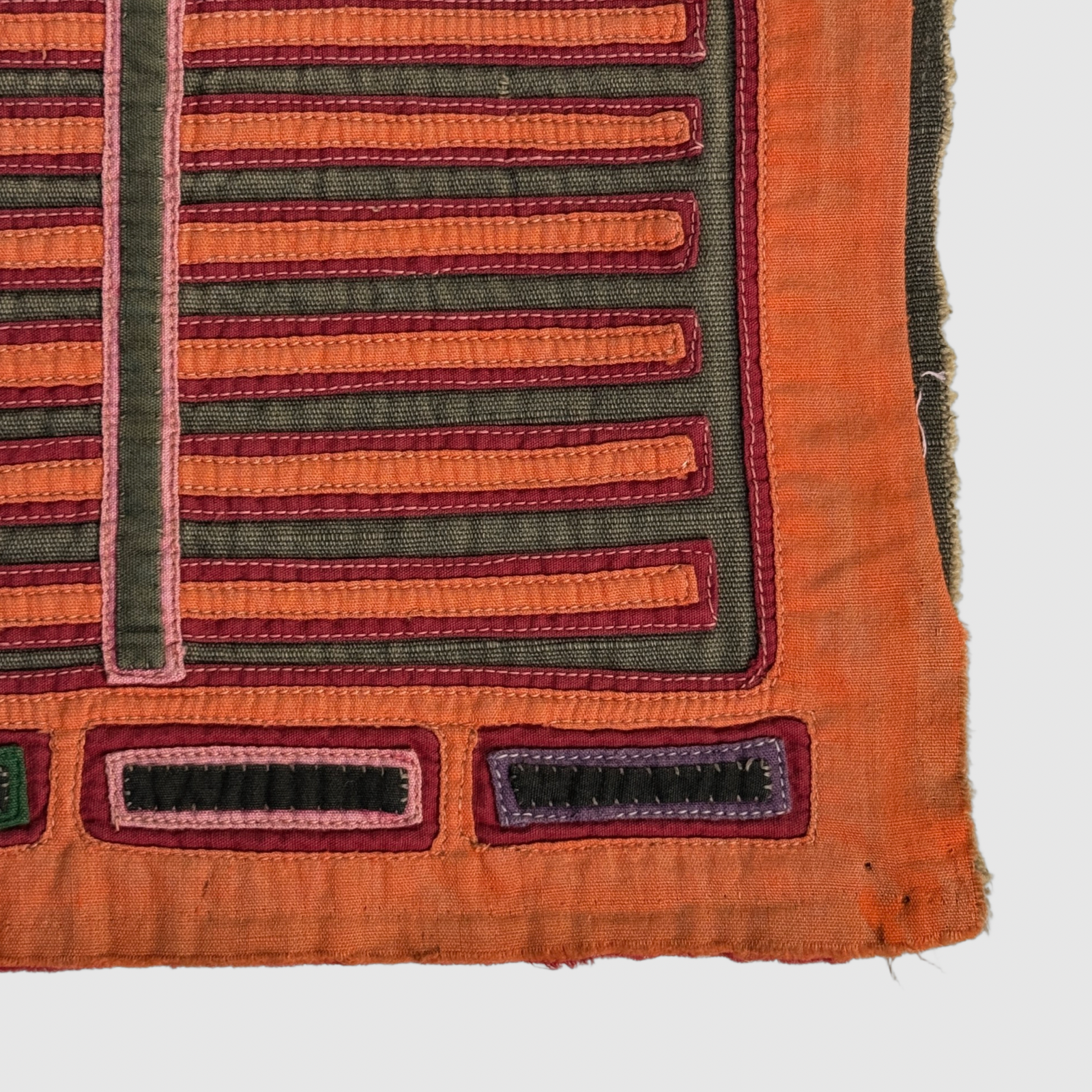
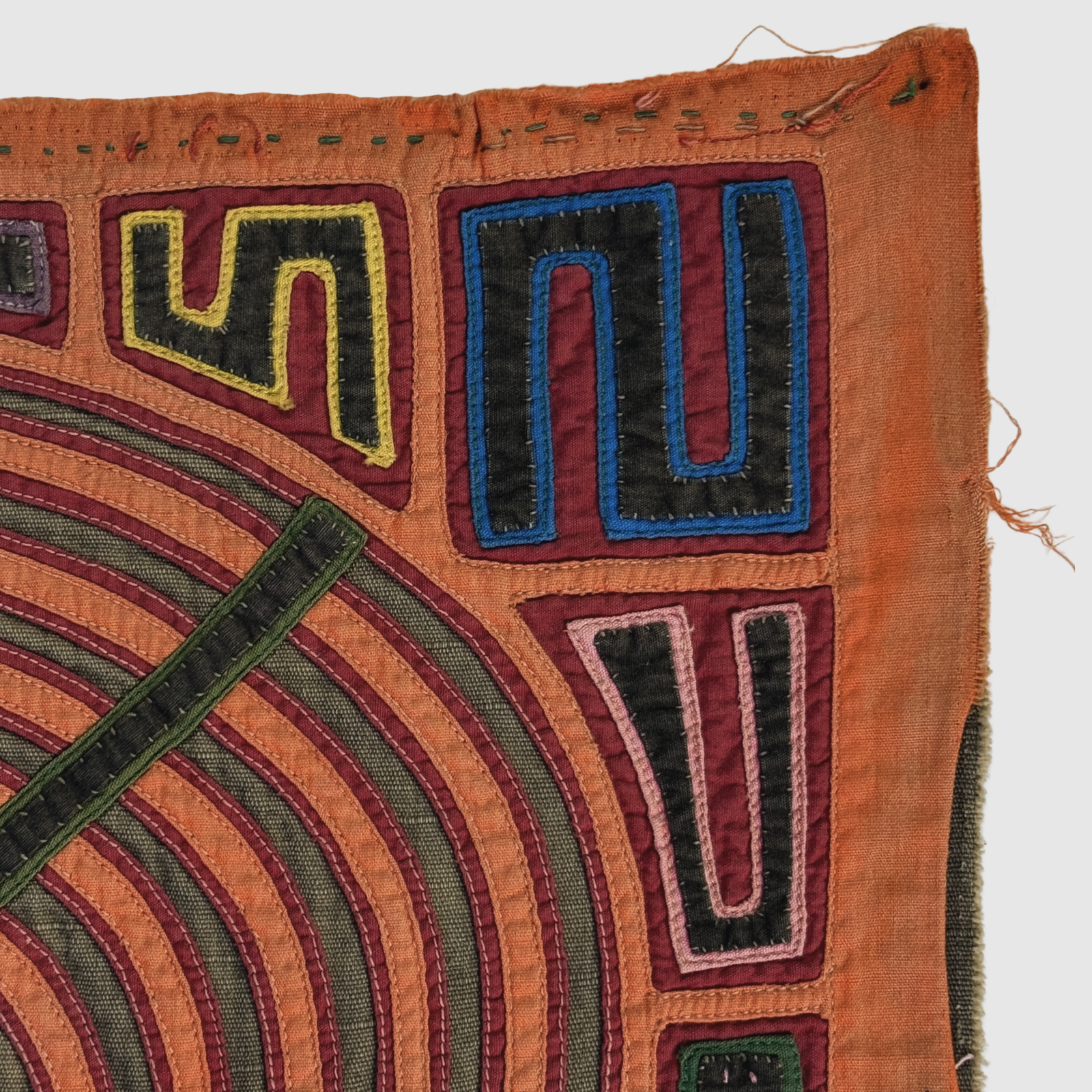
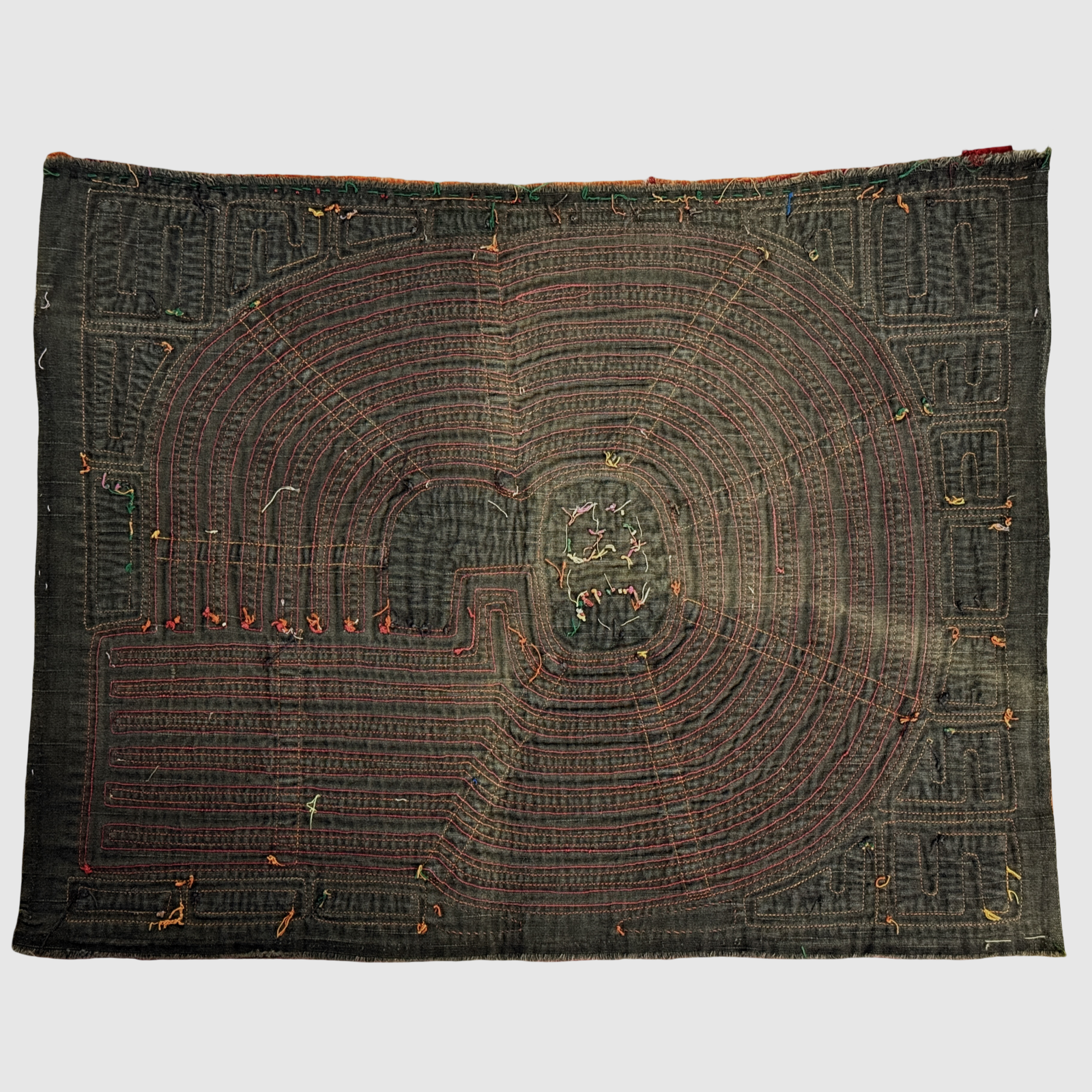
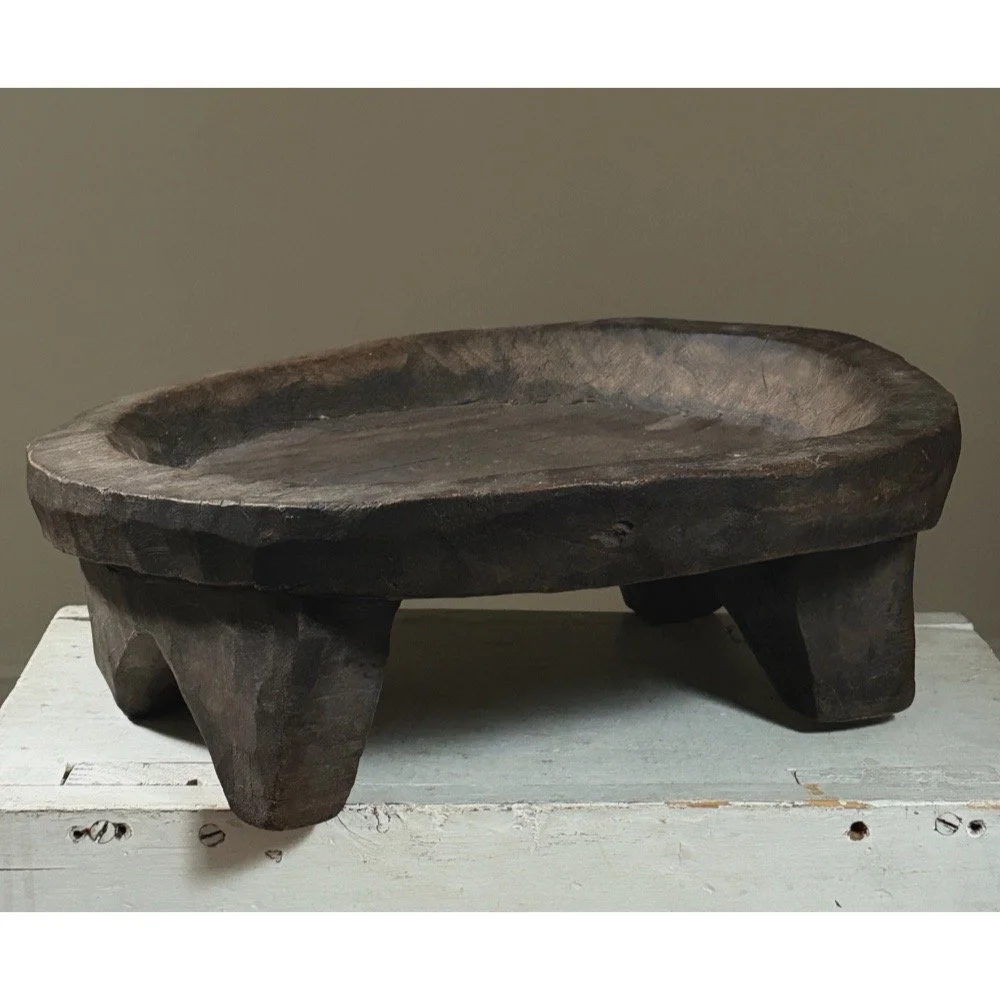
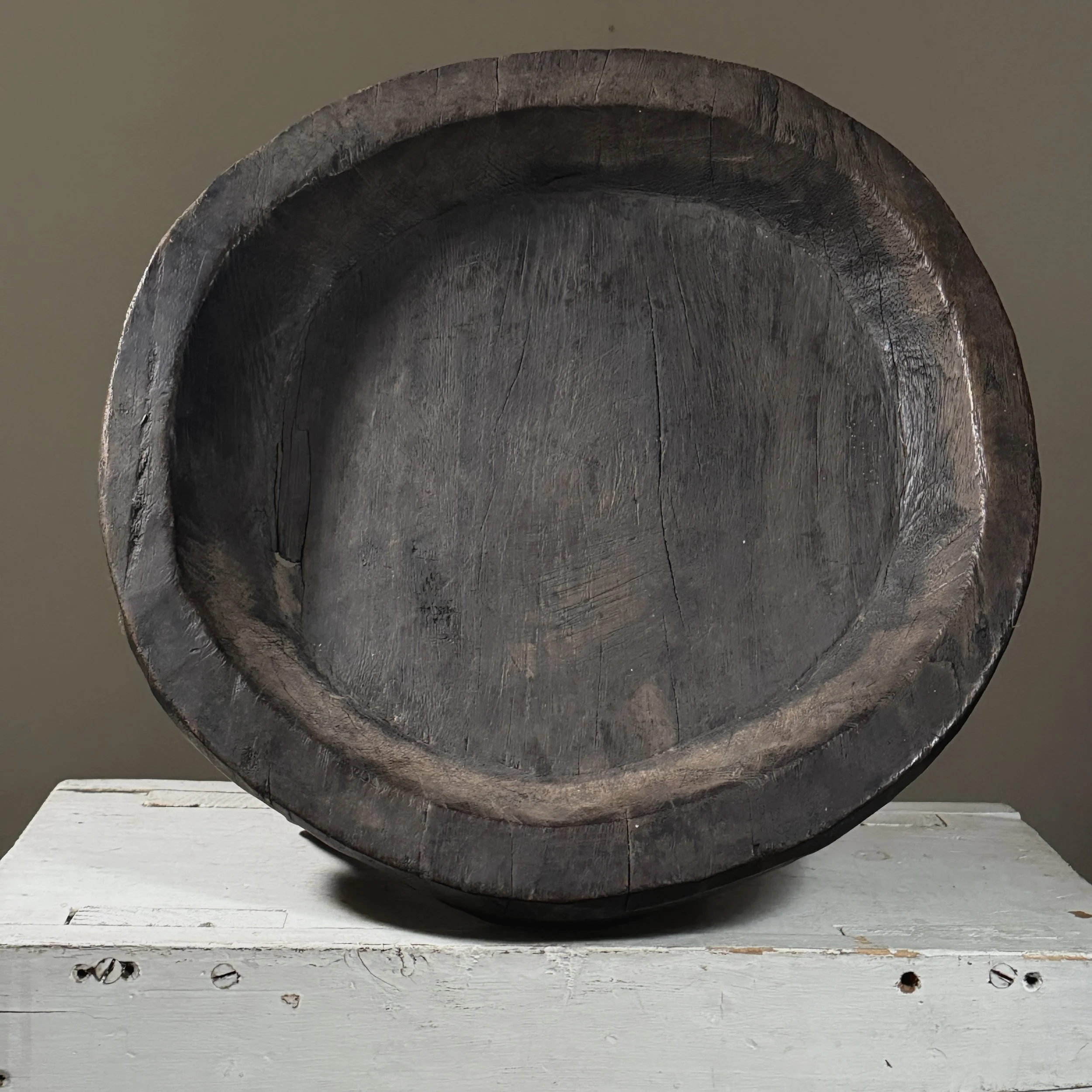
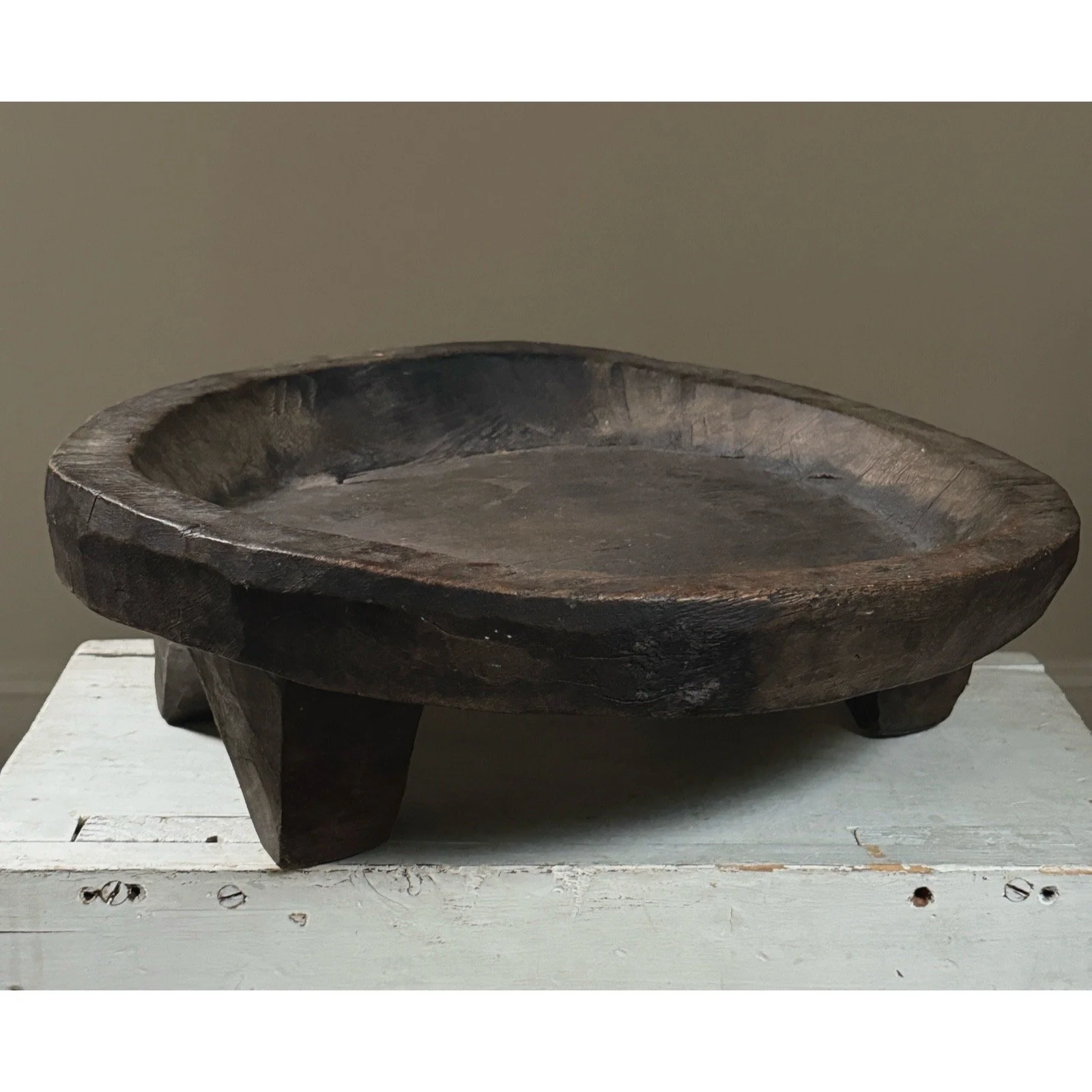
A vintage Hopi woven plaque from Third Mesa, dating to circa 1950. The plaque is constructed using wicker technique using a warp of sumac branches and rabbit brush, with a wrapped yucca leaf rim binding . The shallow, flat form is typical of ceremonial meal trays. Stand is not included.
History and Cultural Context:
The Hopi people have lived on the three mesas of northeastern Arizona for centuries, with Old Oraibi on Third Mesa continuously occupied since approximately 1150 AD . Basketry is an ancient tradition among the Hopi, and women of Third Mesa are specifically known for their wickerwork plaques .
Third Mesa wicker plaques are distinguished from the coiled basketry of Second Mesa by their woven construction and vibrant color palette. They are the most colorful of Hopi baskets with combinations of black, blue, red-brown, yellow, green, brown, white, and pink . Designs represent natural, geometric, human, and animal forms, including birds, butterflies, clouds, rainbows, sun, stars, whirls, antelope, snakes, and Kachinas.
Function and Significance:
Hopi baskets are vital material elements in religious and social ceremonies associated with the annual corn harvest, rainmaking activities, and rites of passage . These plaques (shallow trays) are specifically used for ceremonial meals. They also function as important exchange items in Hopi social structure:
A bride traditionally gives her groom a wedding basket, which years later will be buried with him to carry him into the afterlife .
Baskets are distributed through ceremonial events to facilitate harmonious relations, establish kinship ties, and eliminate jealousies .
Materials and Technique:
Materials are gathered locally: rabbit brush, sumac, yucca, and galleta grass . Dyes were traditionally made from local plants, cockscomb or alder for red, blue kidney bean for blue, rabbitbrush flowers for pale yellow, with aniline dyes becoming more common by the mid 20th century.
A portion of the proceeds goes to The Hopi Foundation.
“The Hopi Foundation was founded to bridge the gap between modern and traditional. The question of how a vital, complex, and sophisticated people can maintain not only their values but their own voice and contribution to humankind in the face of encroachment by a dominant and forceful majority culture is an important one. The values of the Hopi people include millennia-old practices concerned with respecting the rights of other people, respect for and protection of the environment, self-determination and an attendant repugnance for government welfare programs, and integration of all aspects of life into a balanced and harmonious way of being.
In our 30-plus years of existence, we have initiated, grown, and housed nearly 20 projects that benefit our Hopi/Tewa communities in the areas of culture, well-being, capacity building, sustainability, farming, historical preservation, and youth development.”
(www.hopifoundation.org)
Object: Woven Plaque (Ceremonial Tray)
Culture: Hopi (Third Mesa)
Origin: Hopi Reservation, Northeastern Arizona
Period: Circa 1950
Medium: Wicker woven plant fibers (rabbit brush, sumac, yucca); most likely aniline dyes
Dimensions: Diameter 12.25 in. (31.1 cm); Height 1 in. (2.5 cm)
Condition: Good. Wear consistent with age.
Description:
A vintage Hopi woven plaque from Third Mesa, dating to circa 1950. The plaque is constructed using wicker technique using a warp of sumac branches and rabbit brush, with a wrapped yucca leaf rim binding . The shallow, flat form is typical of ceremonial meal trays. Stand is not included.
History and Cultural Context:
The Hopi people have lived on the three mesas of northeastern Arizona for centuries, with Old Oraibi on Third Mesa continuously occupied since approximately 1150 AD . Basketry is an ancient tradition among the Hopi, and women of Third Mesa are specifically known for their wickerwork plaques .
Third Mesa wicker plaques are distinguished from the coiled basketry of Second Mesa by their woven construction and vibrant color palette. They are the most colorful of Hopi baskets with combinations of black, blue, red-brown, yellow, green, brown, white, and pink . Designs represent natural, geometric, human, and animal forms, including birds, butterflies, clouds, rainbows, sun, stars, whirls, antelope, snakes, and Kachinas.
Function and Significance:
Hopi baskets are vital material elements in religious and social ceremonies associated with the annual corn harvest, rainmaking activities, and rites of passage . These plaques (shallow trays) are specifically used for ceremonial meals. They also function as important exchange items in Hopi social structure:
A bride traditionally gives her groom a wedding basket, which years later will be buried with him to carry him into the afterlife .
Baskets are distributed through ceremonial events to facilitate harmonious relations, establish kinship ties, and eliminate jealousies .
Materials and Technique:
Materials are gathered locally: rabbit brush, sumac, yucca, and galleta grass . Dyes were traditionally made from local plants, cockscomb or alder for red, blue kidney bean for blue, rabbitbrush flowers for pale yellow, with aniline dyes becoming more common by the mid 20th century.
A portion of the proceeds goes to The Hopi Foundation.
“The Hopi Foundation was founded to bridge the gap between modern and traditional. The question of how a vital, complex, and sophisticated people can maintain not only their values but their own voice and contribution to humankind in the face of encroachment by a dominant and forceful majority culture is an important one. The values of the Hopi people include millennia-old practices concerned with respecting the rights of other people, respect for and protection of the environment, self-determination and an attendant repugnance for government welfare programs, and integration of all aspects of life into a balanced and harmonious way of being.
In our 30-plus years of existence, we have initiated, grown, and housed nearly 20 projects that benefit our Hopi/Tewa communities in the areas of culture, well-being, capacity building, sustainability, farming, historical preservation, and youth development.”
(www.hopifoundation.org)

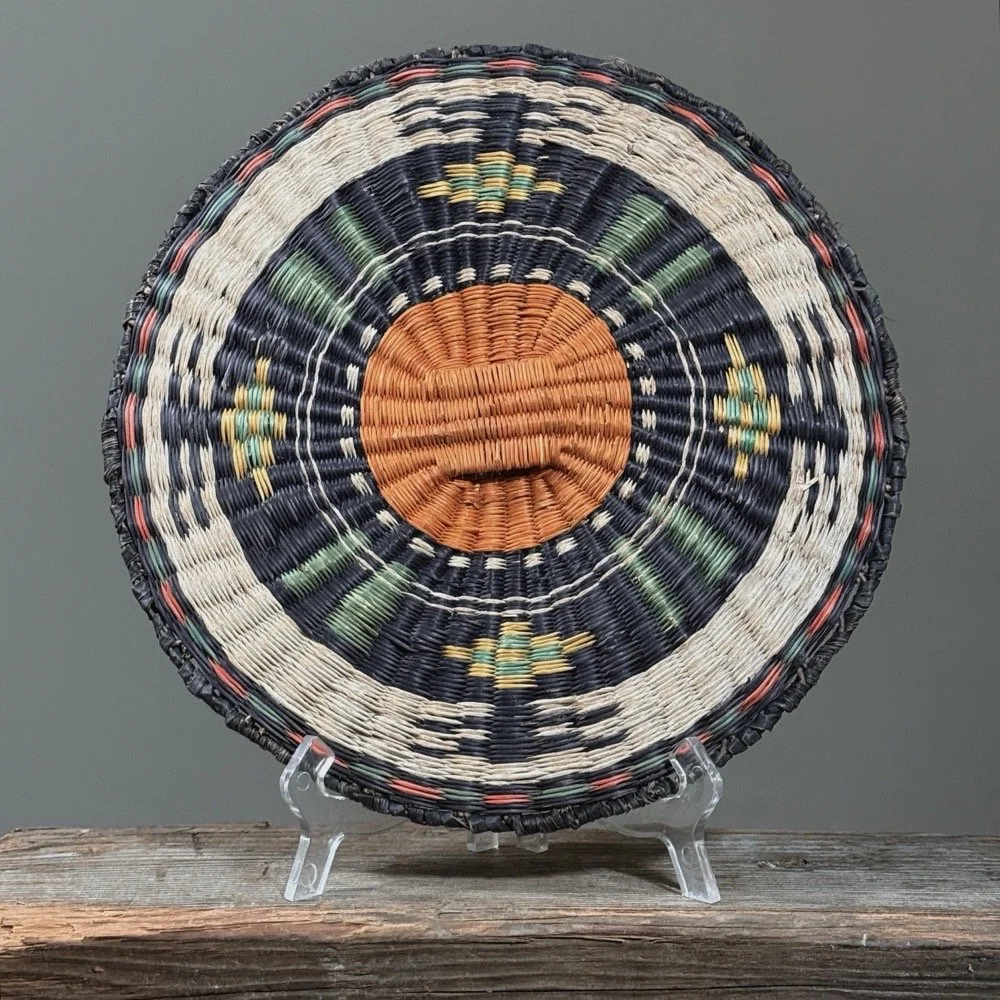 Image 1 of 6
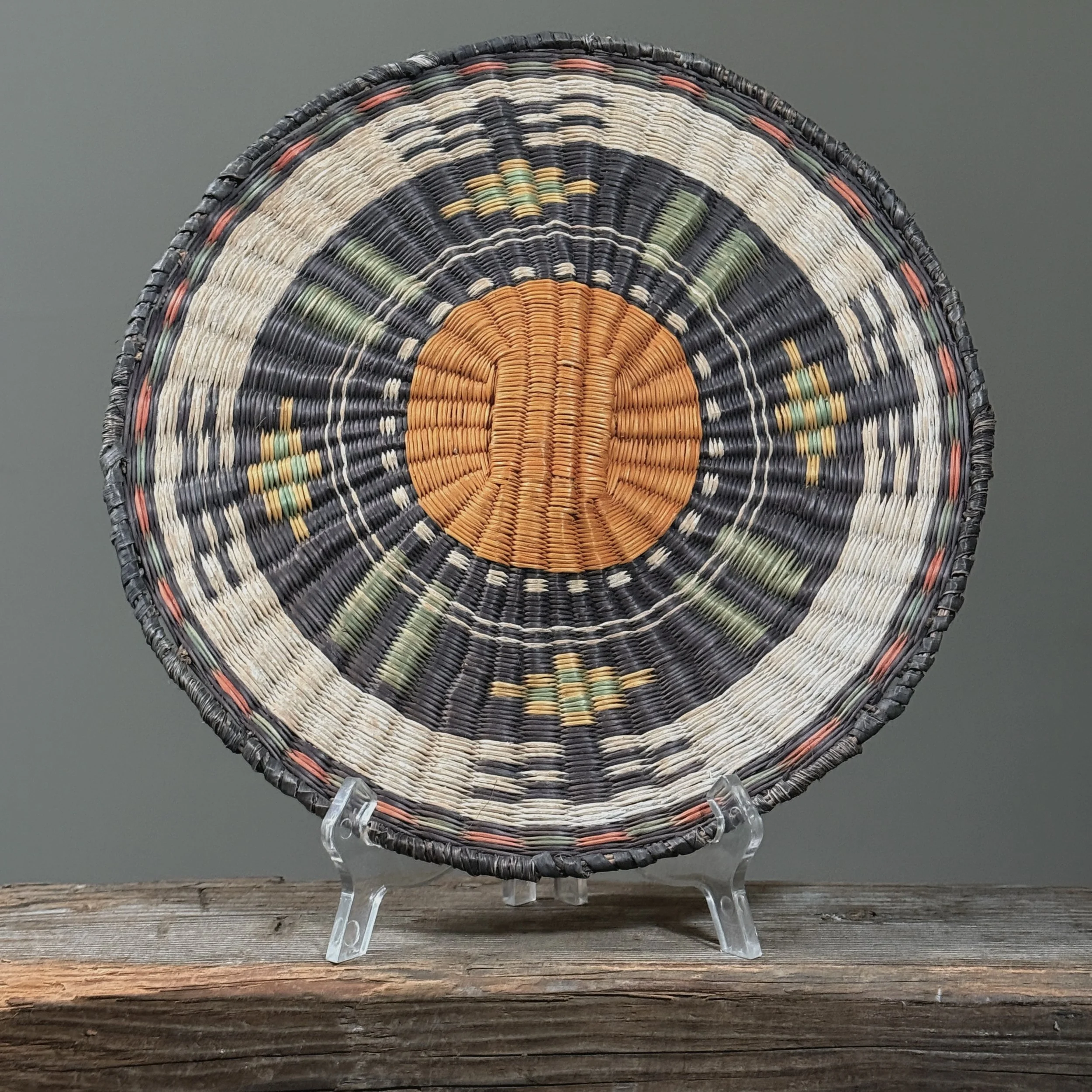 Image 2 of 6
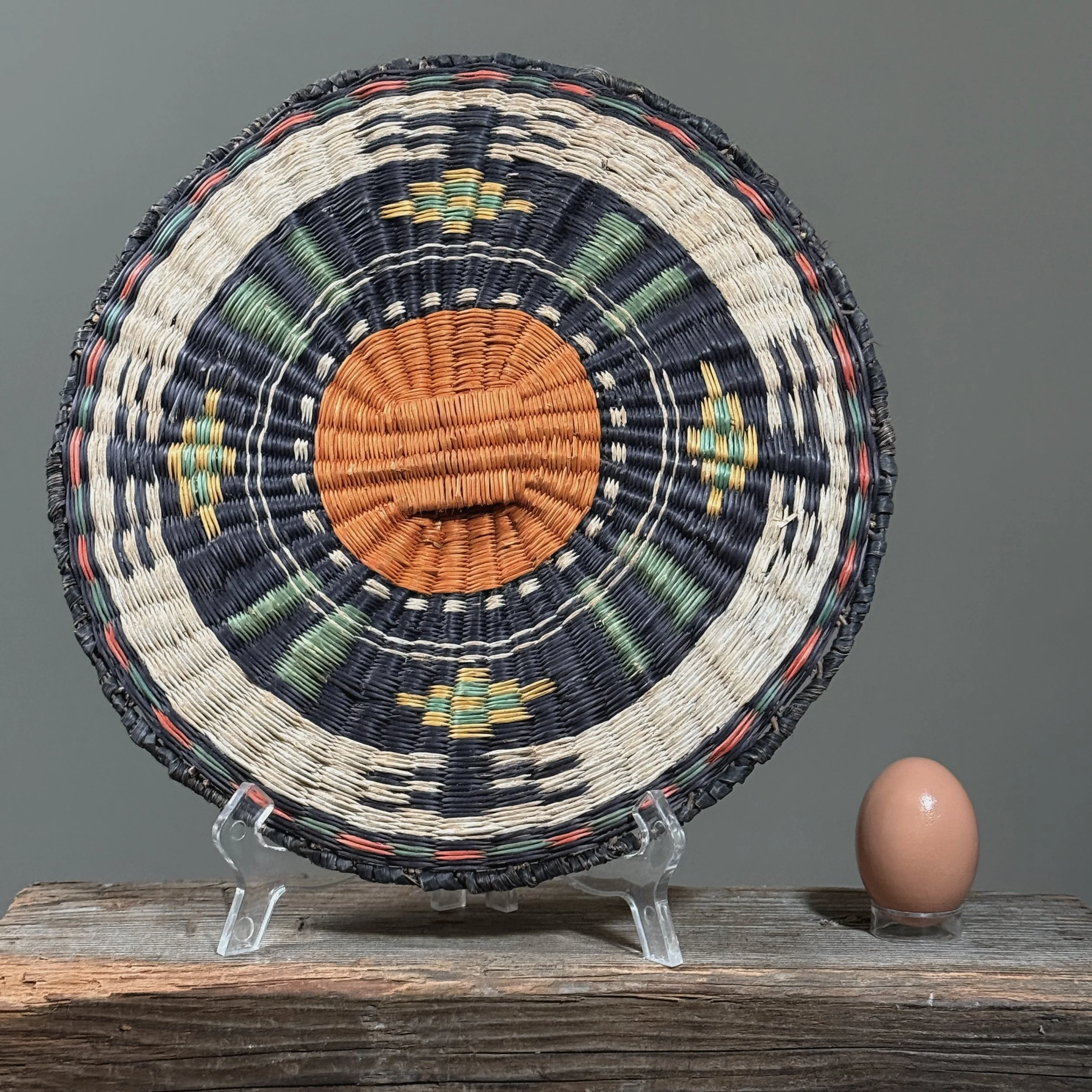 Image 3 of 6
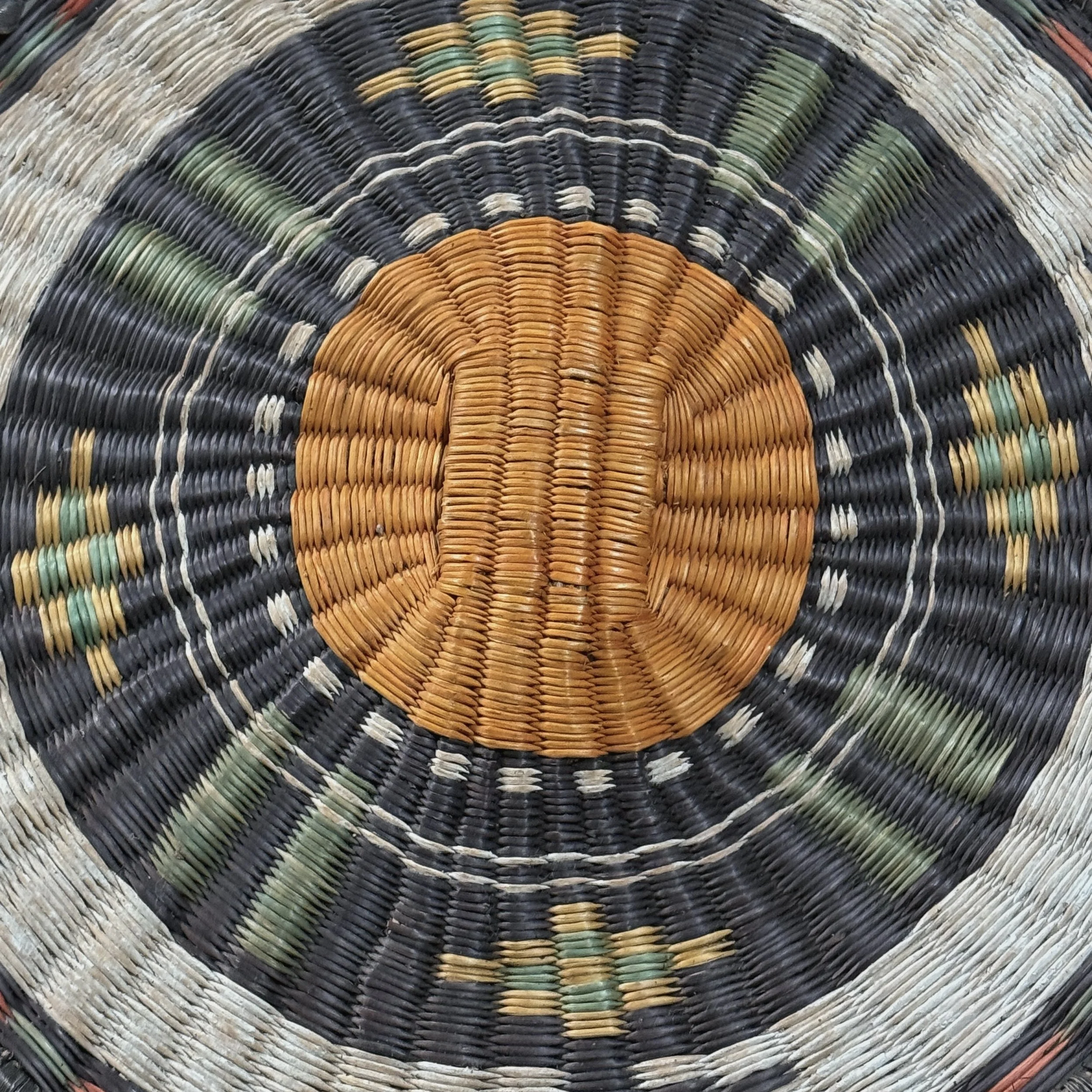 Image 4 of 6
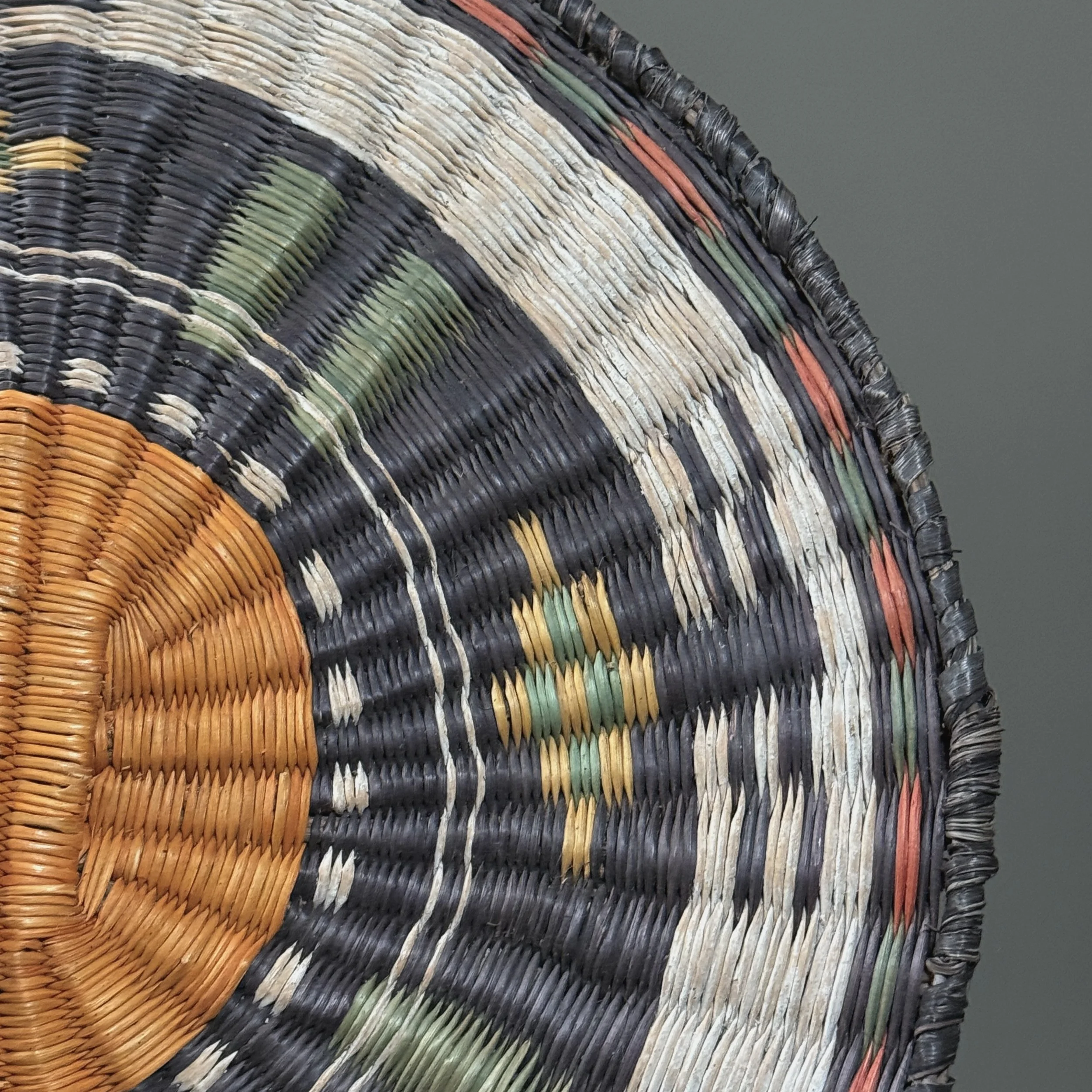 Image 5 of 6
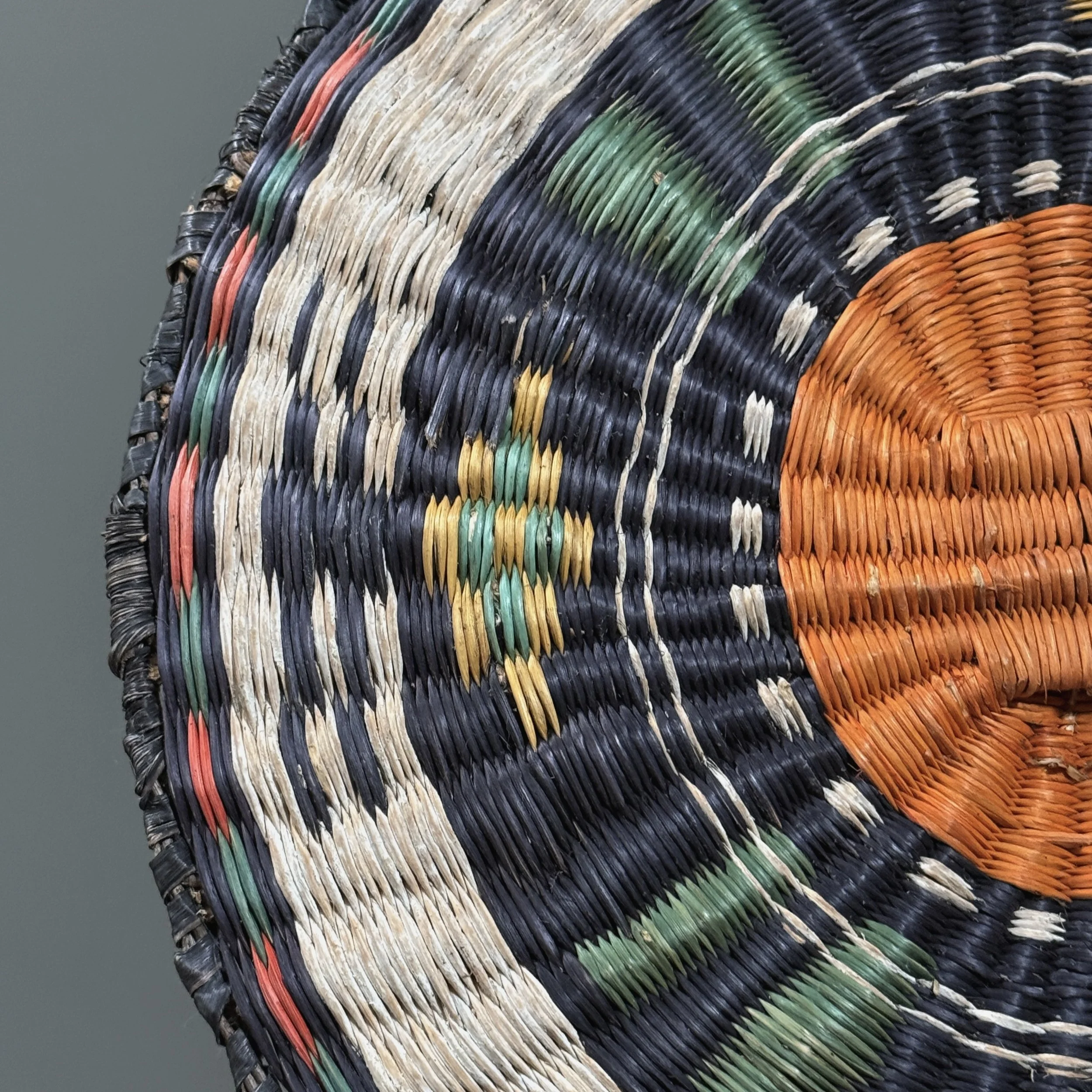 Image 6 of 6