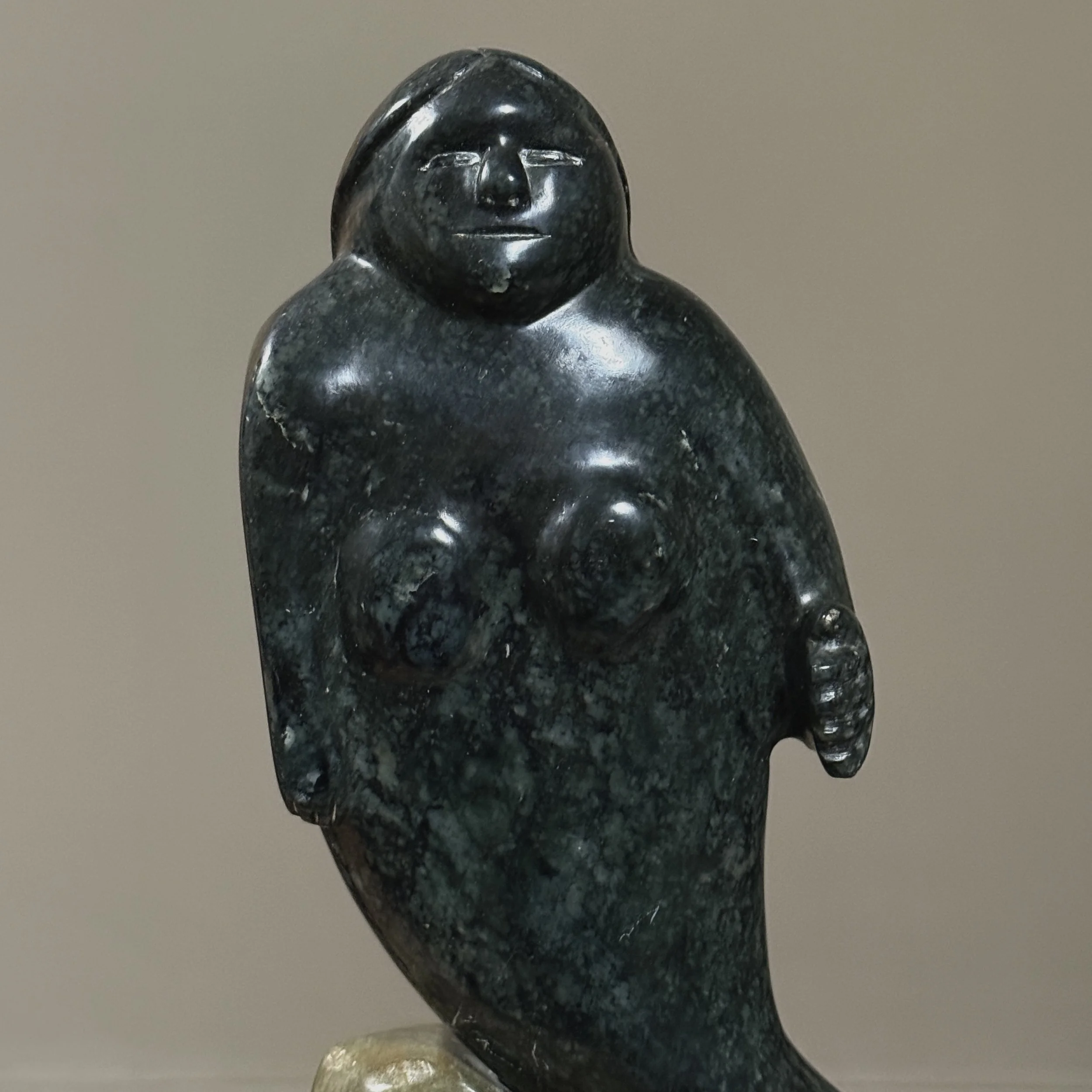
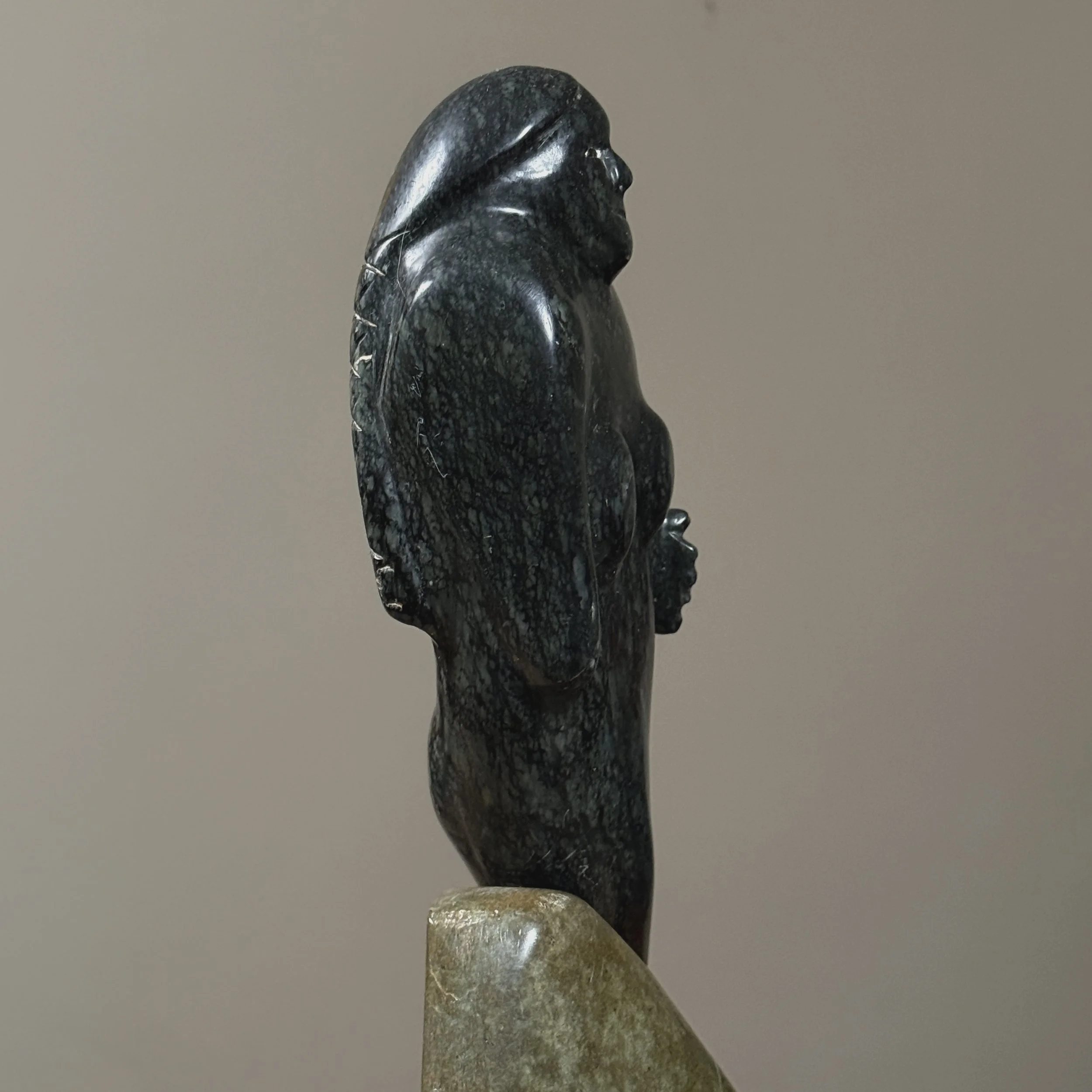
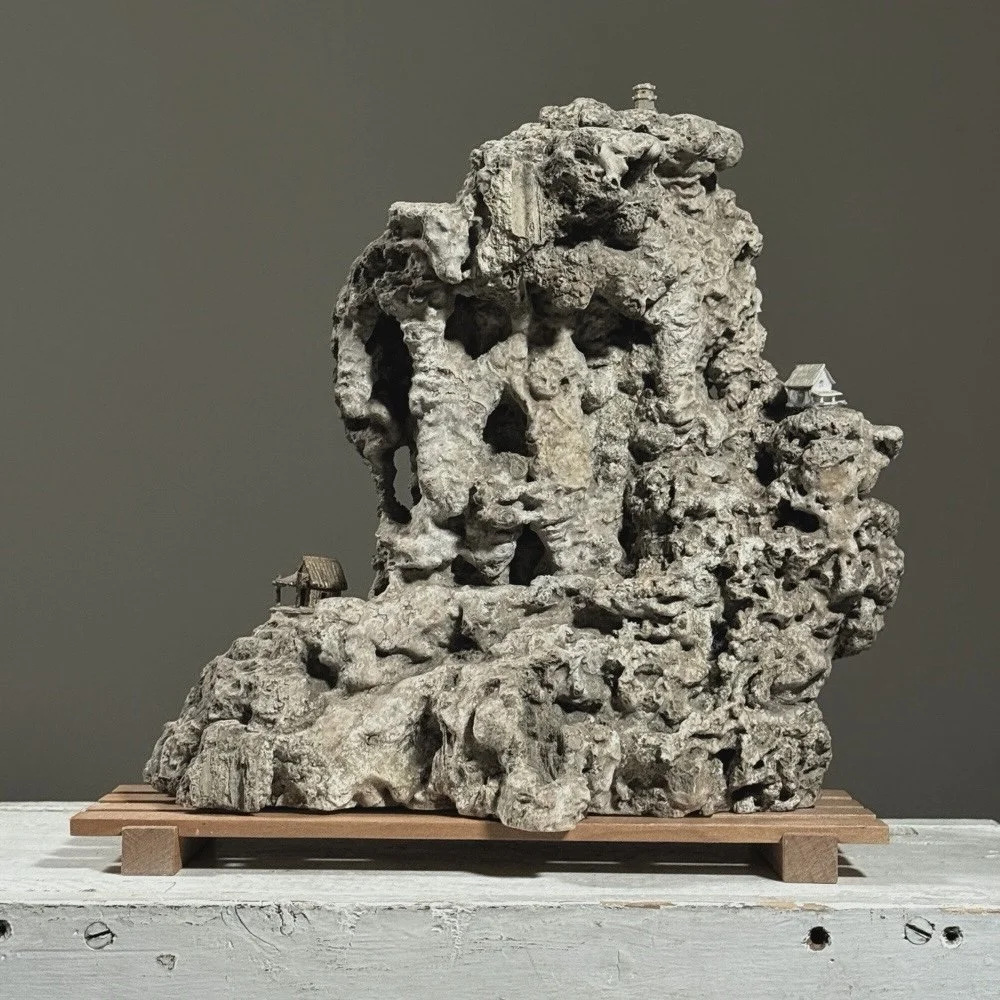
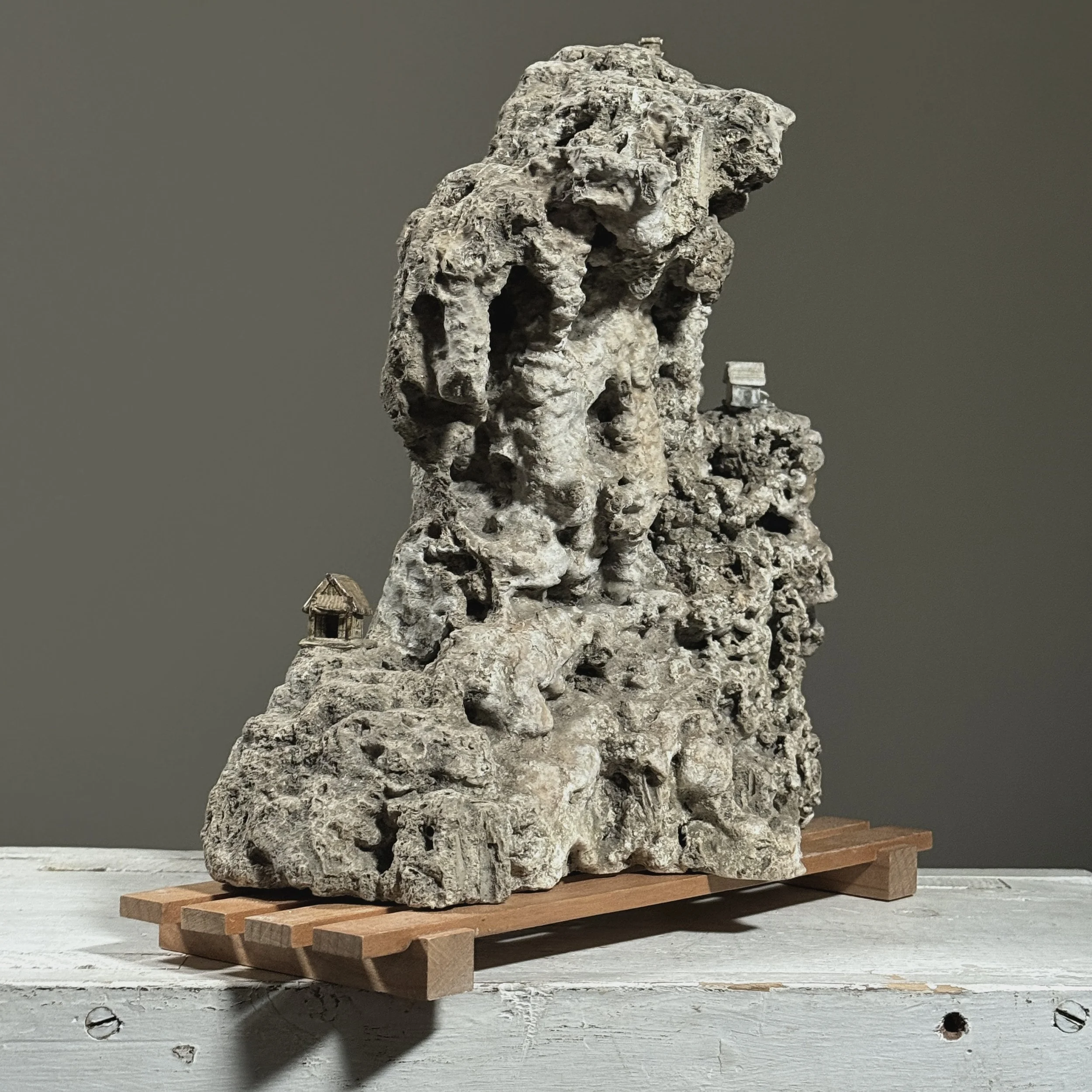
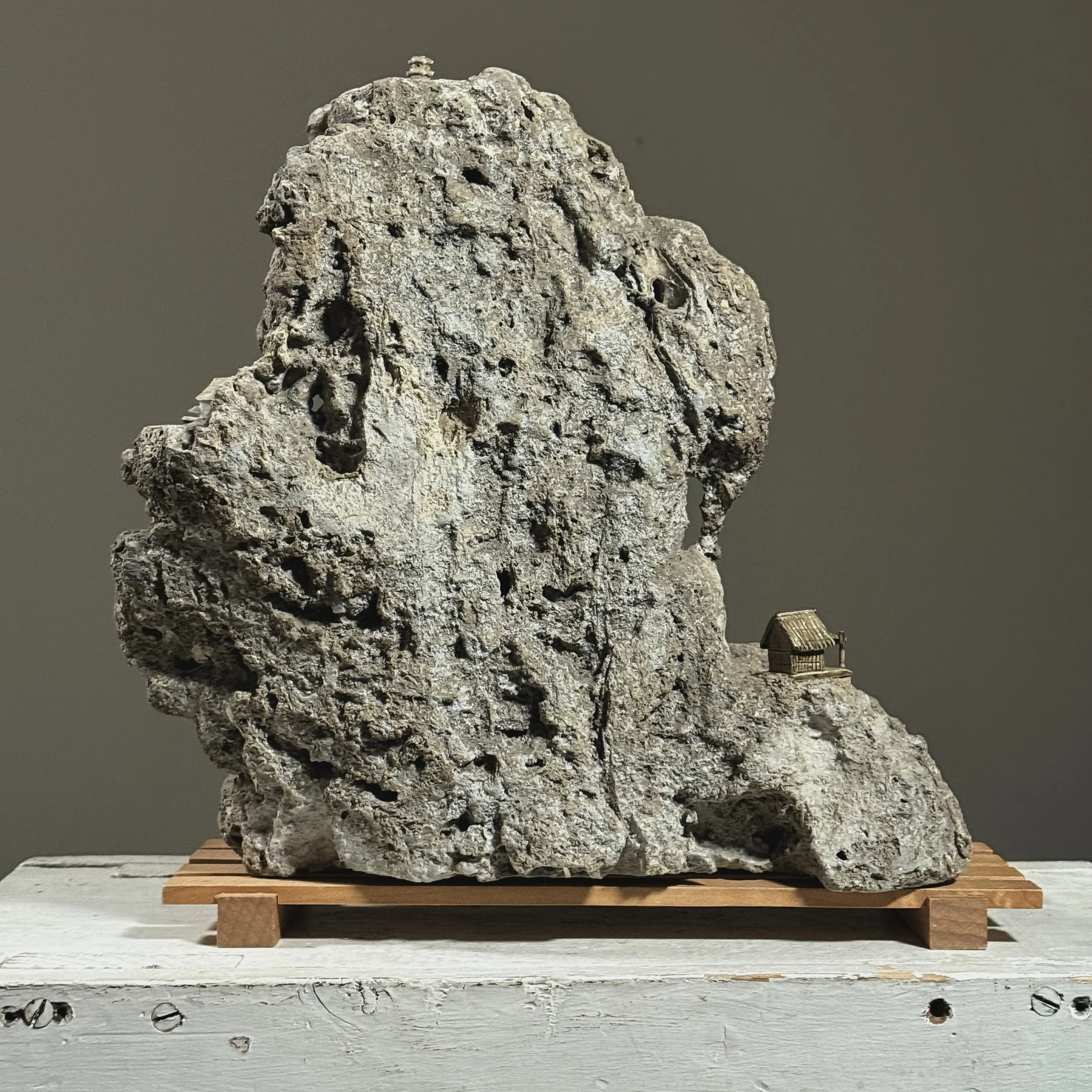
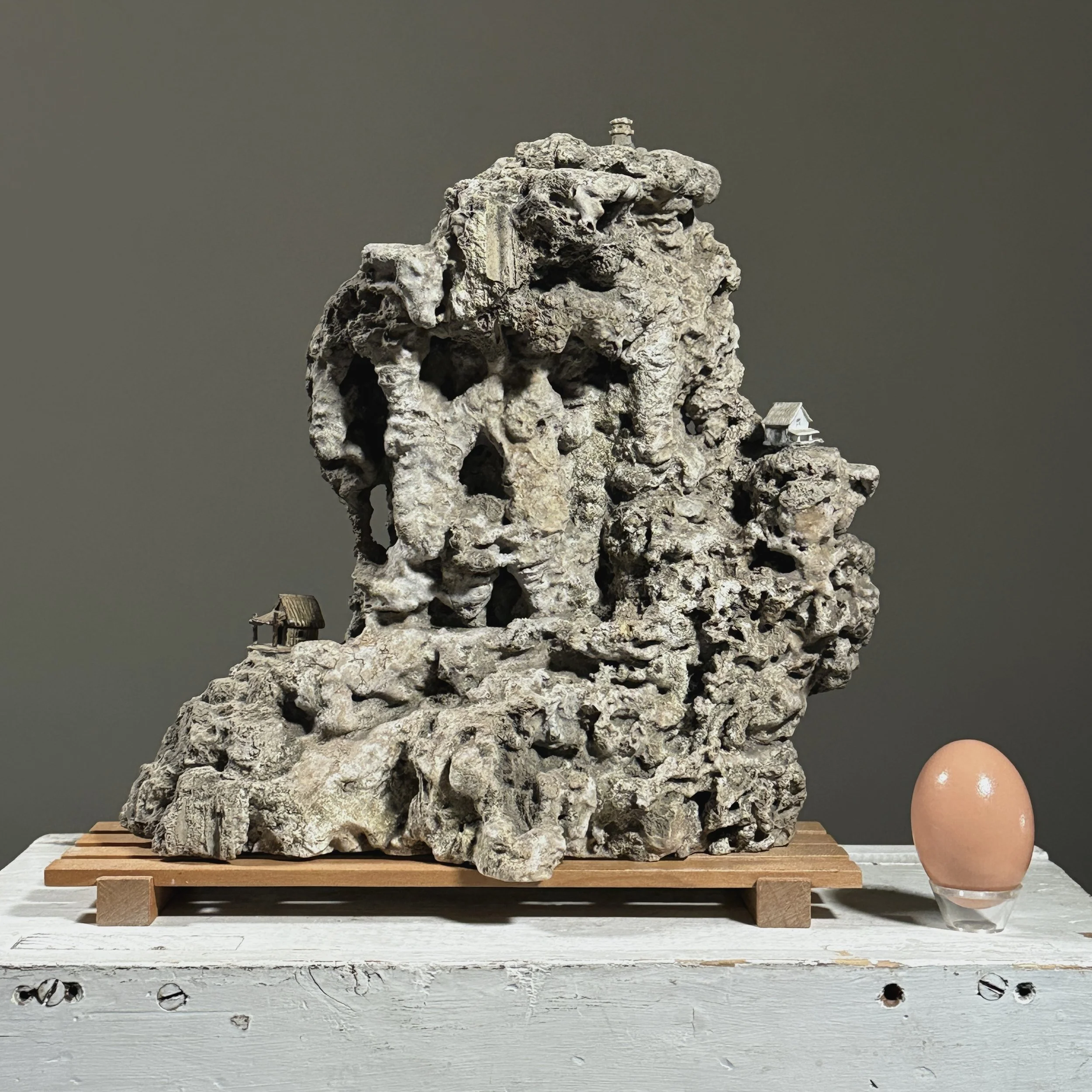
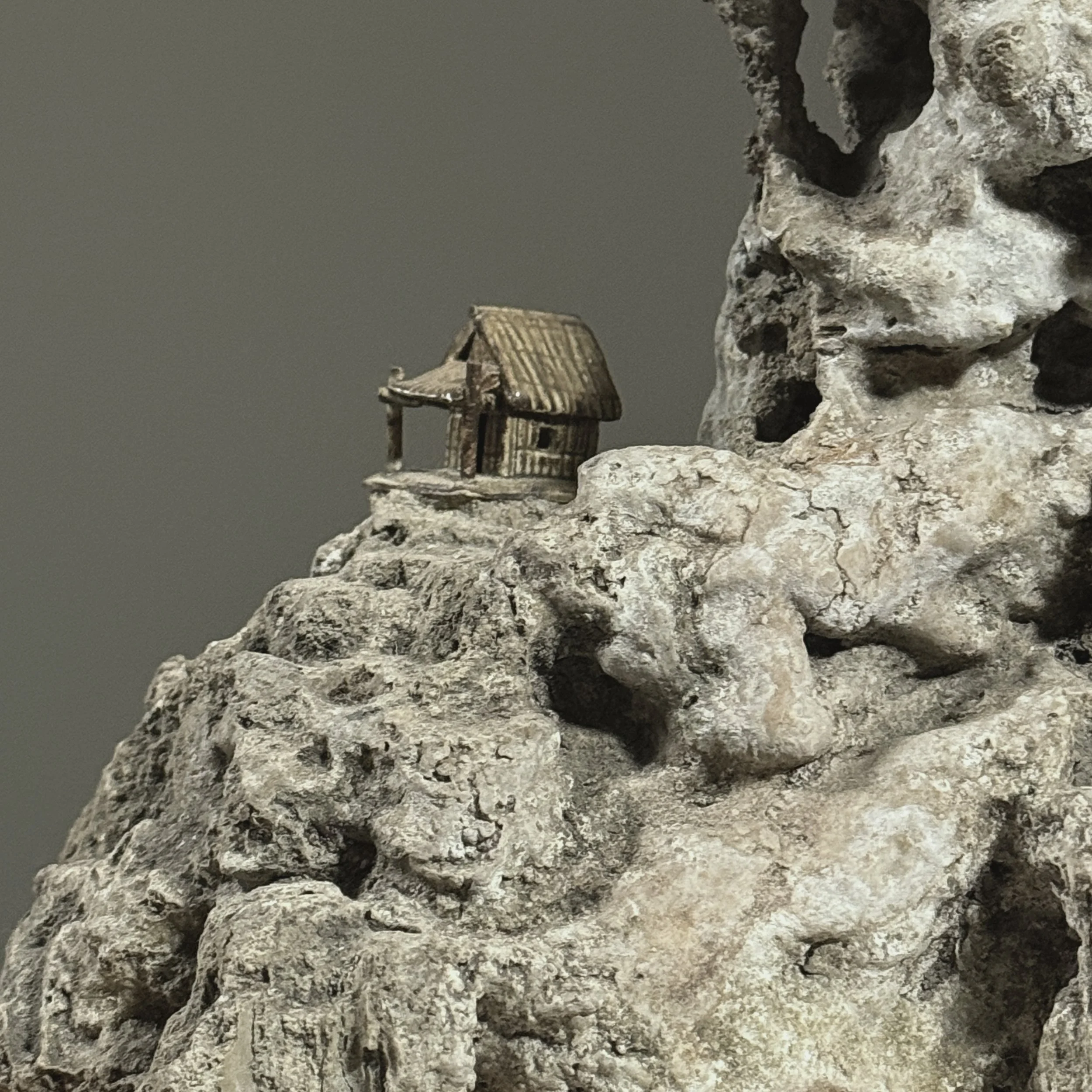
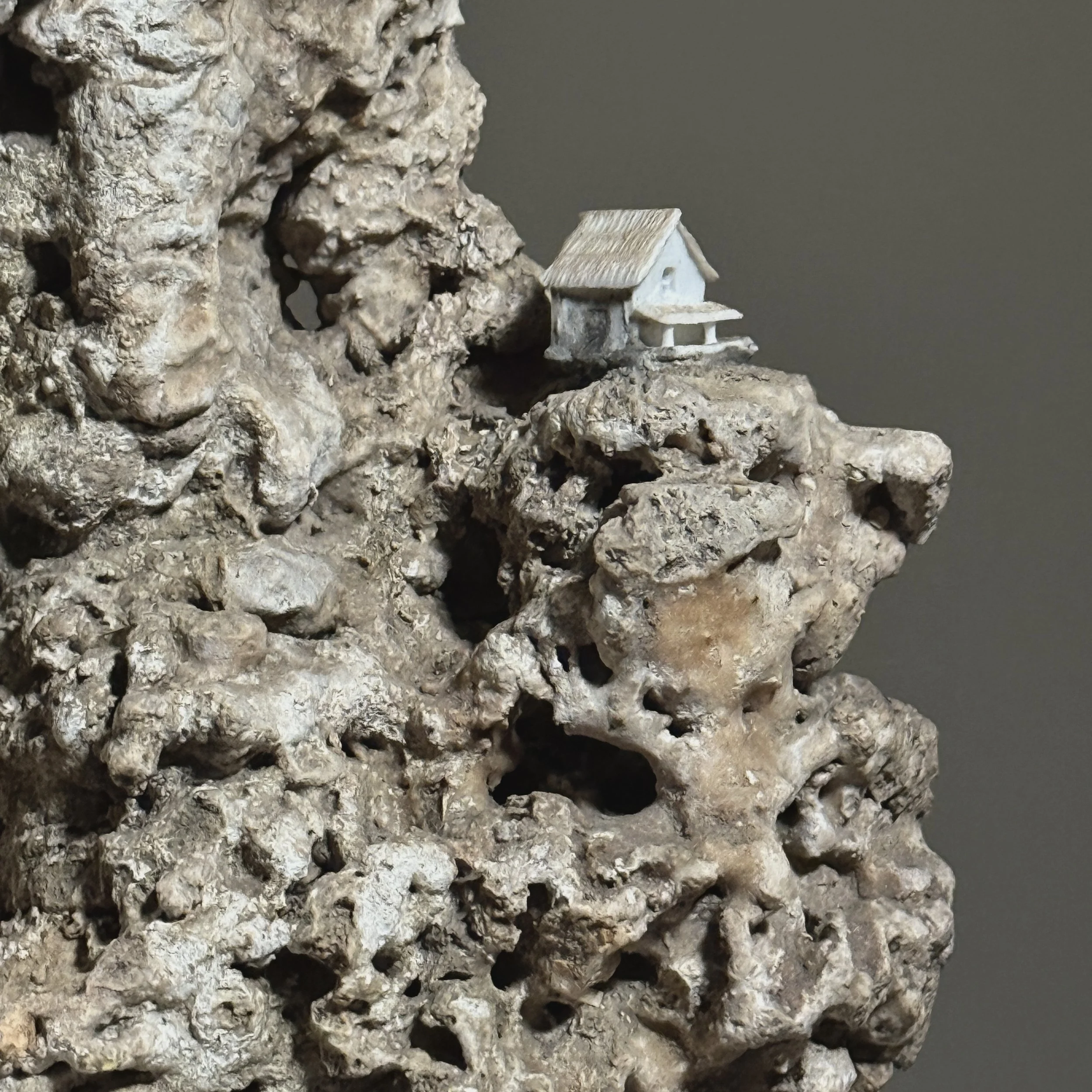
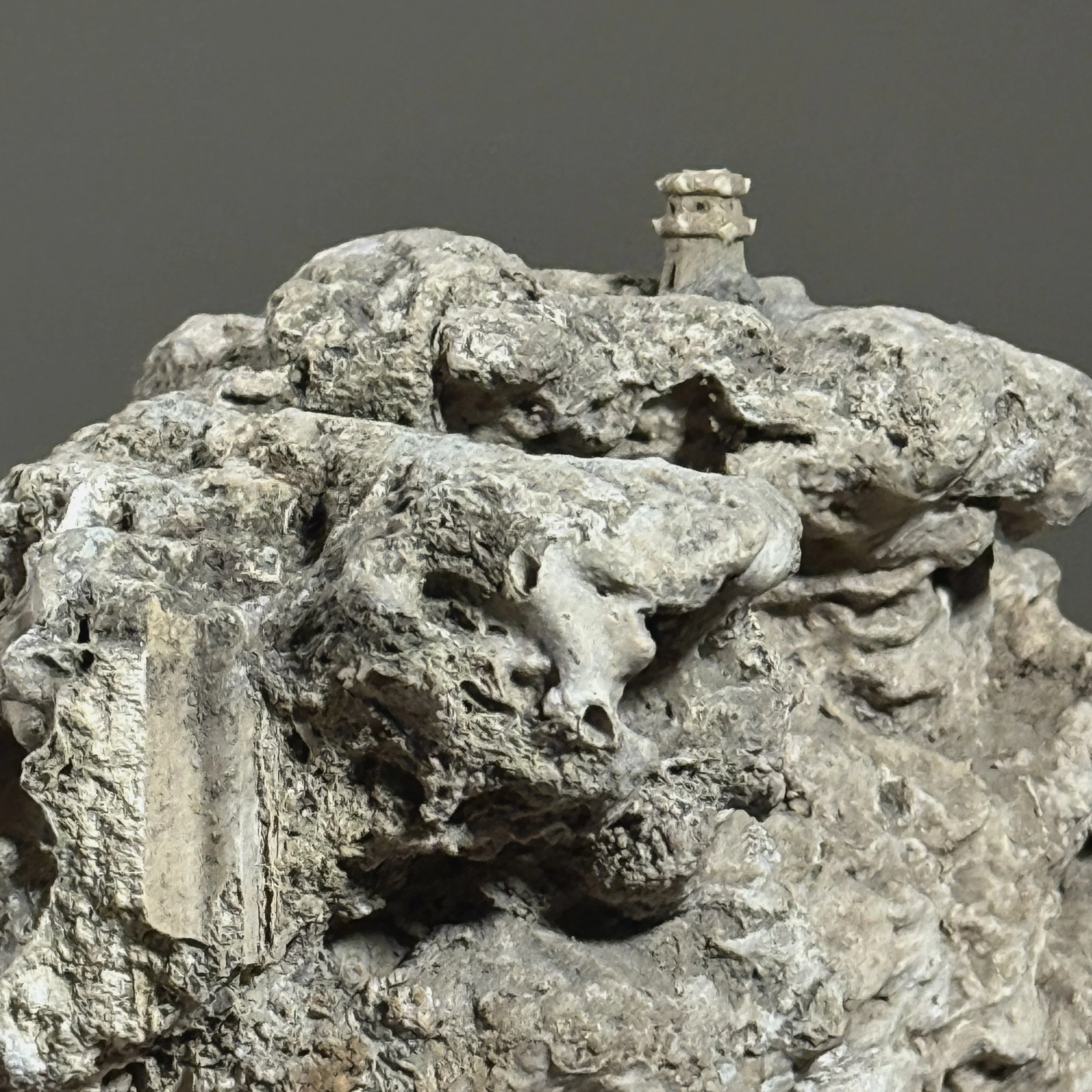
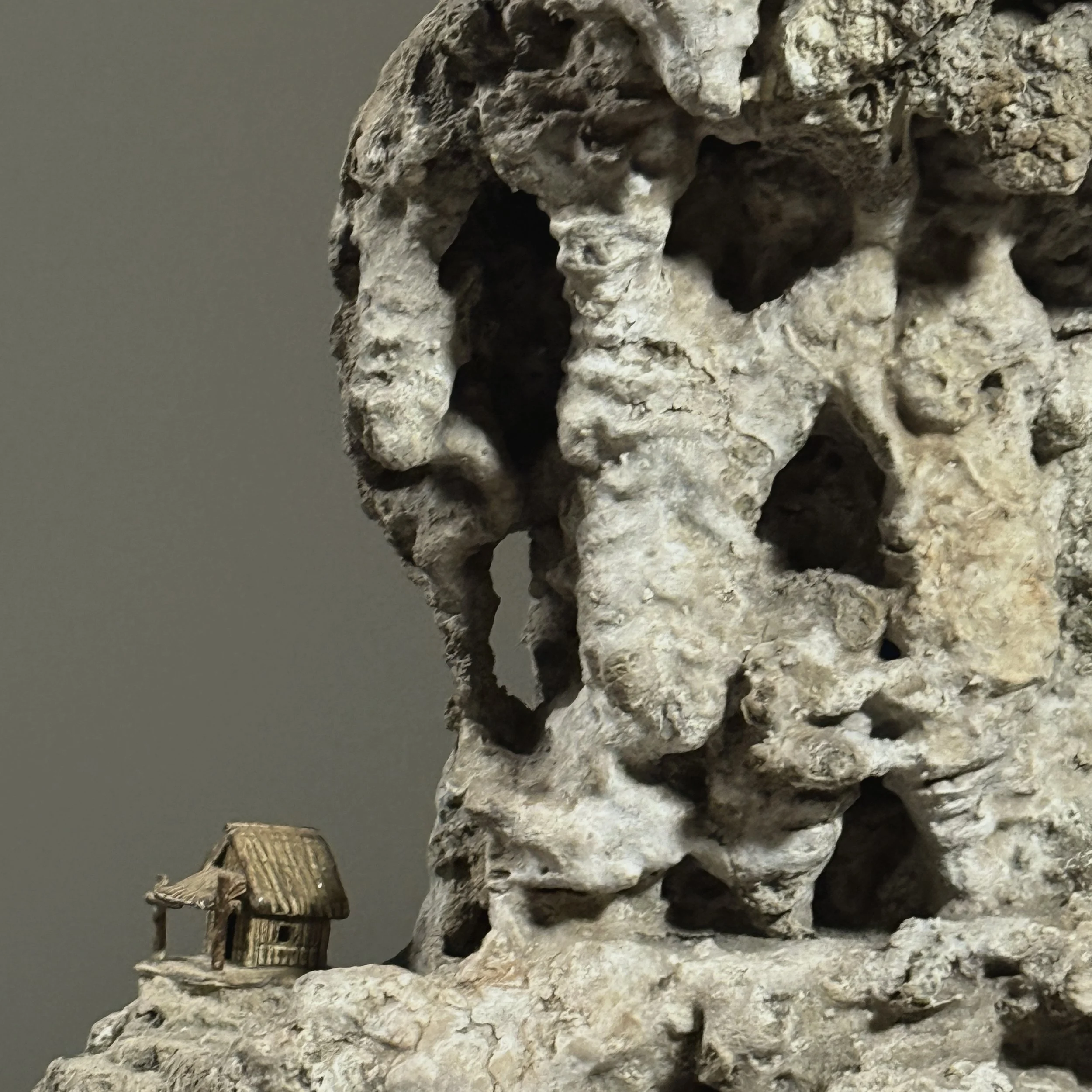
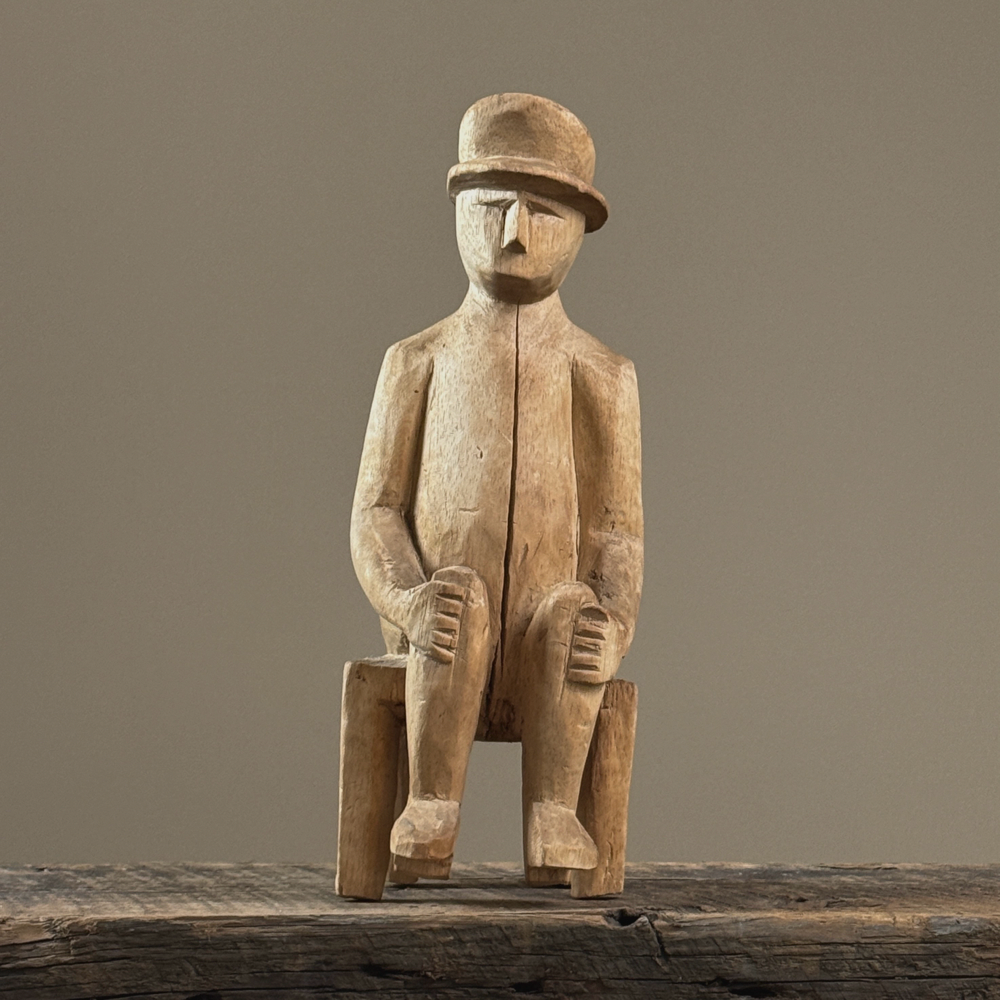
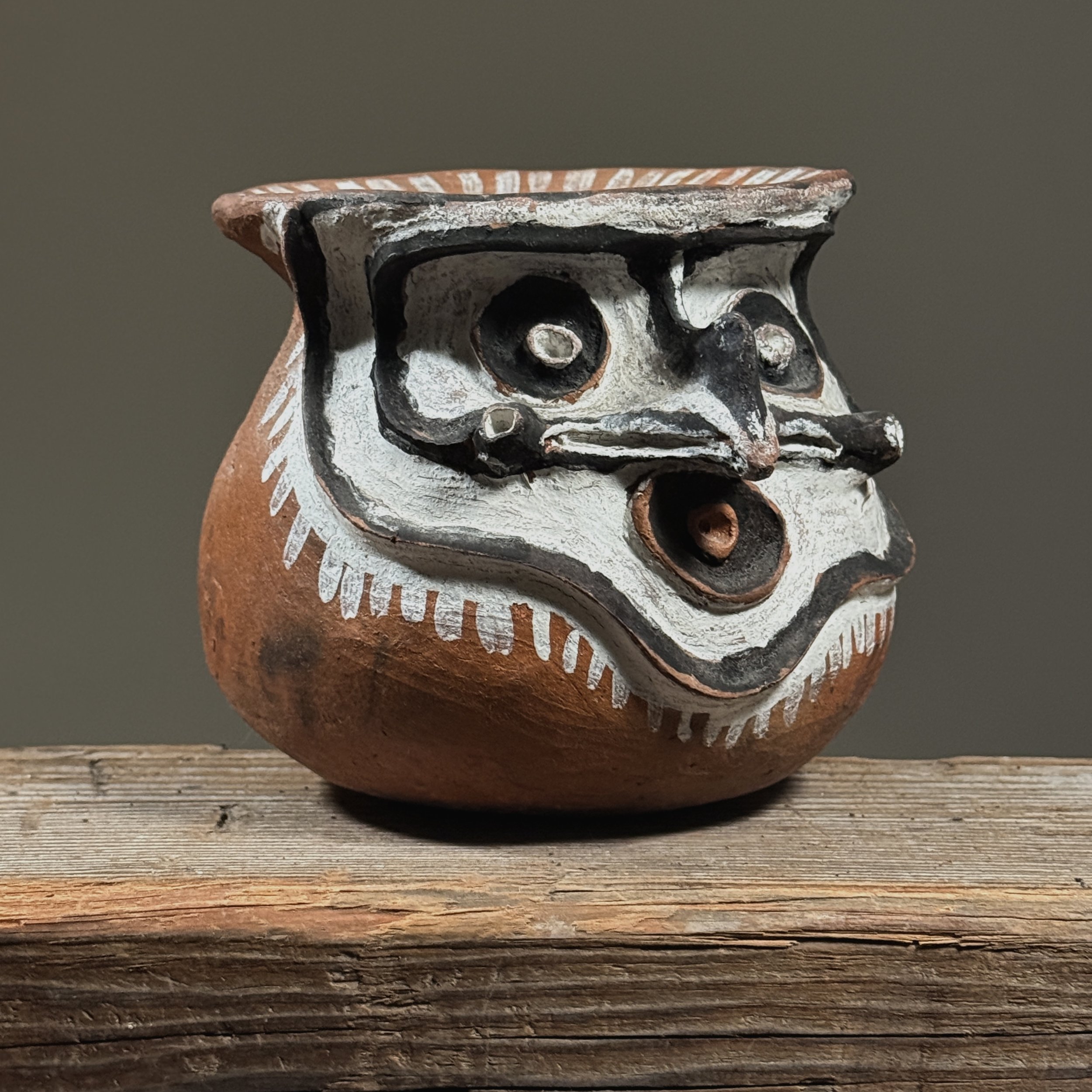
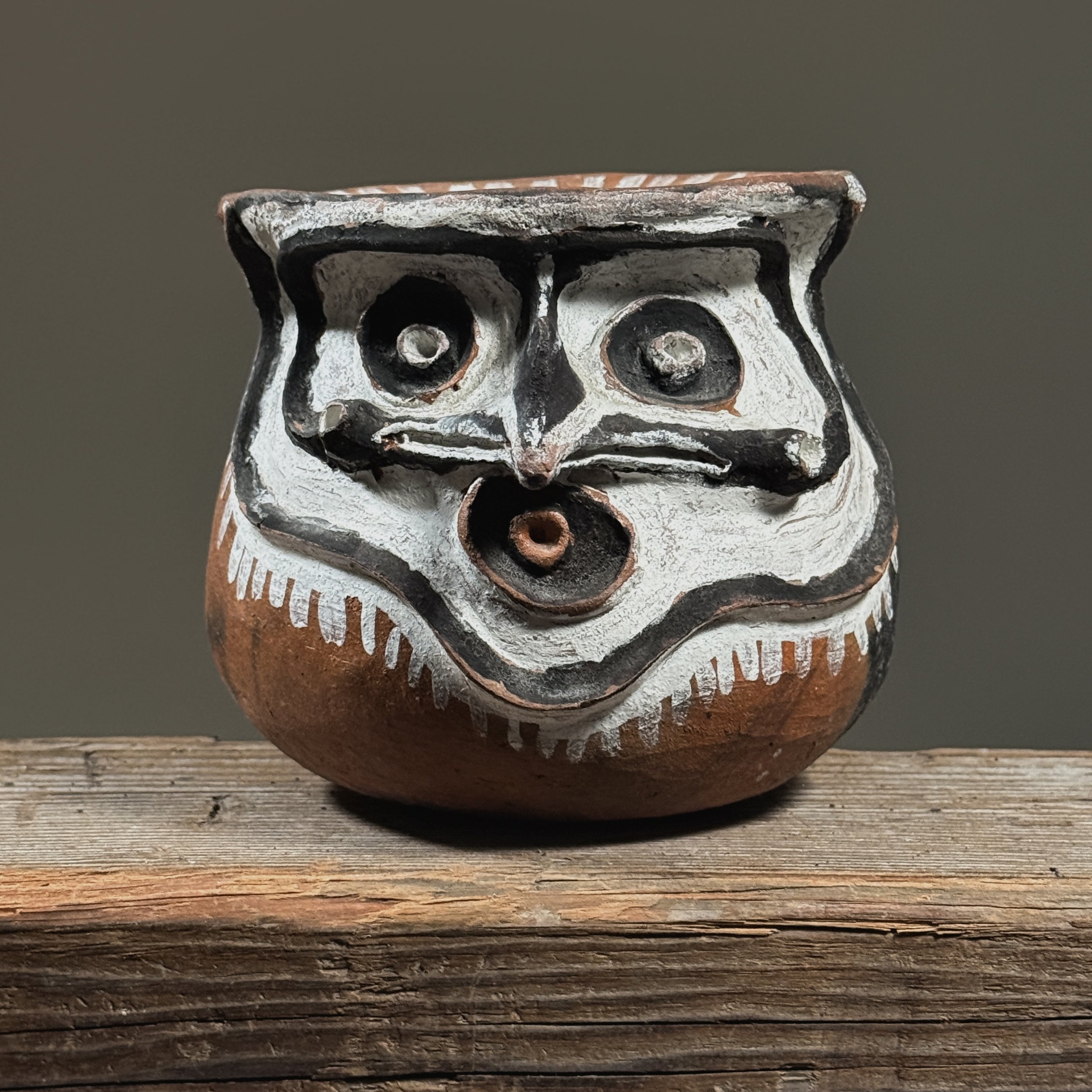
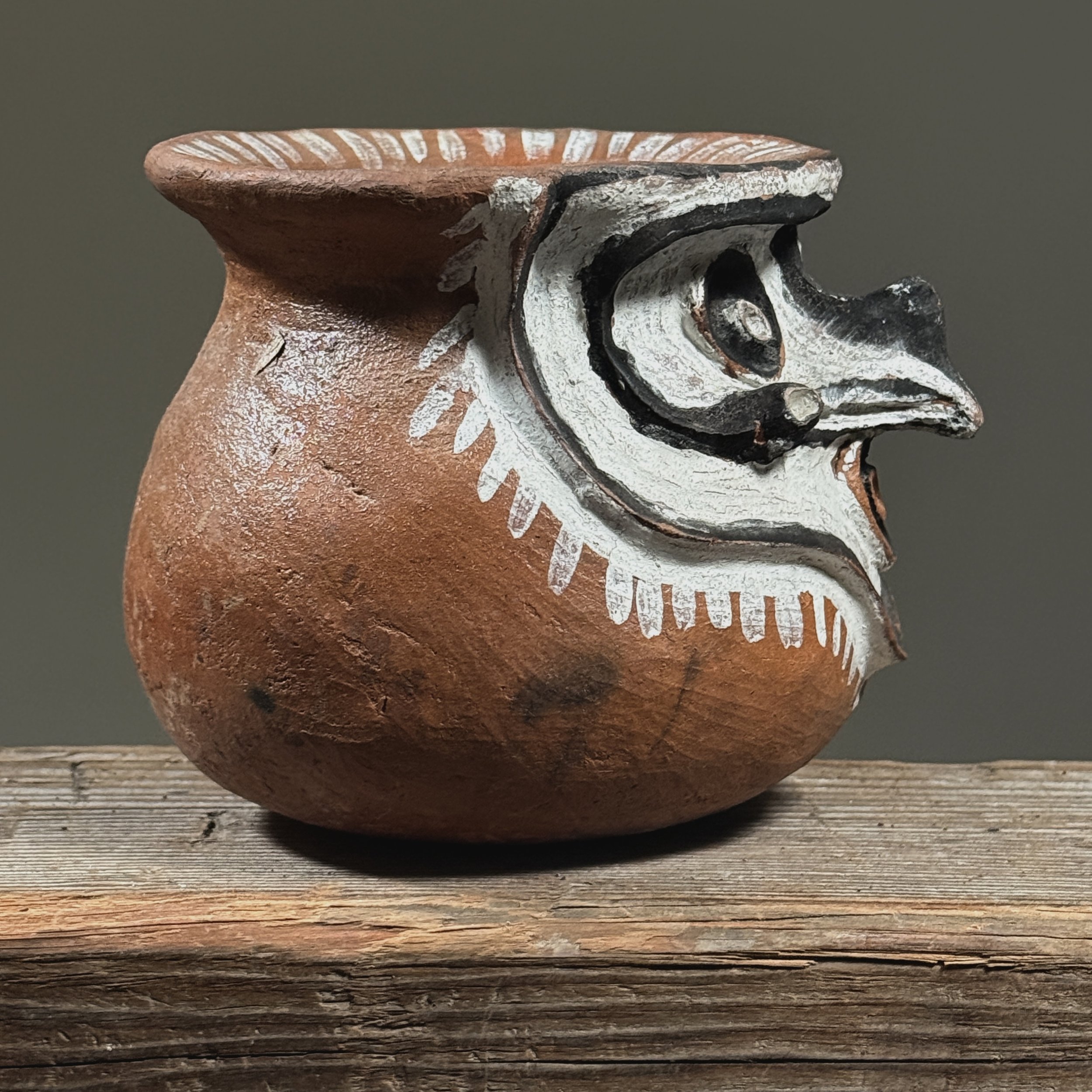
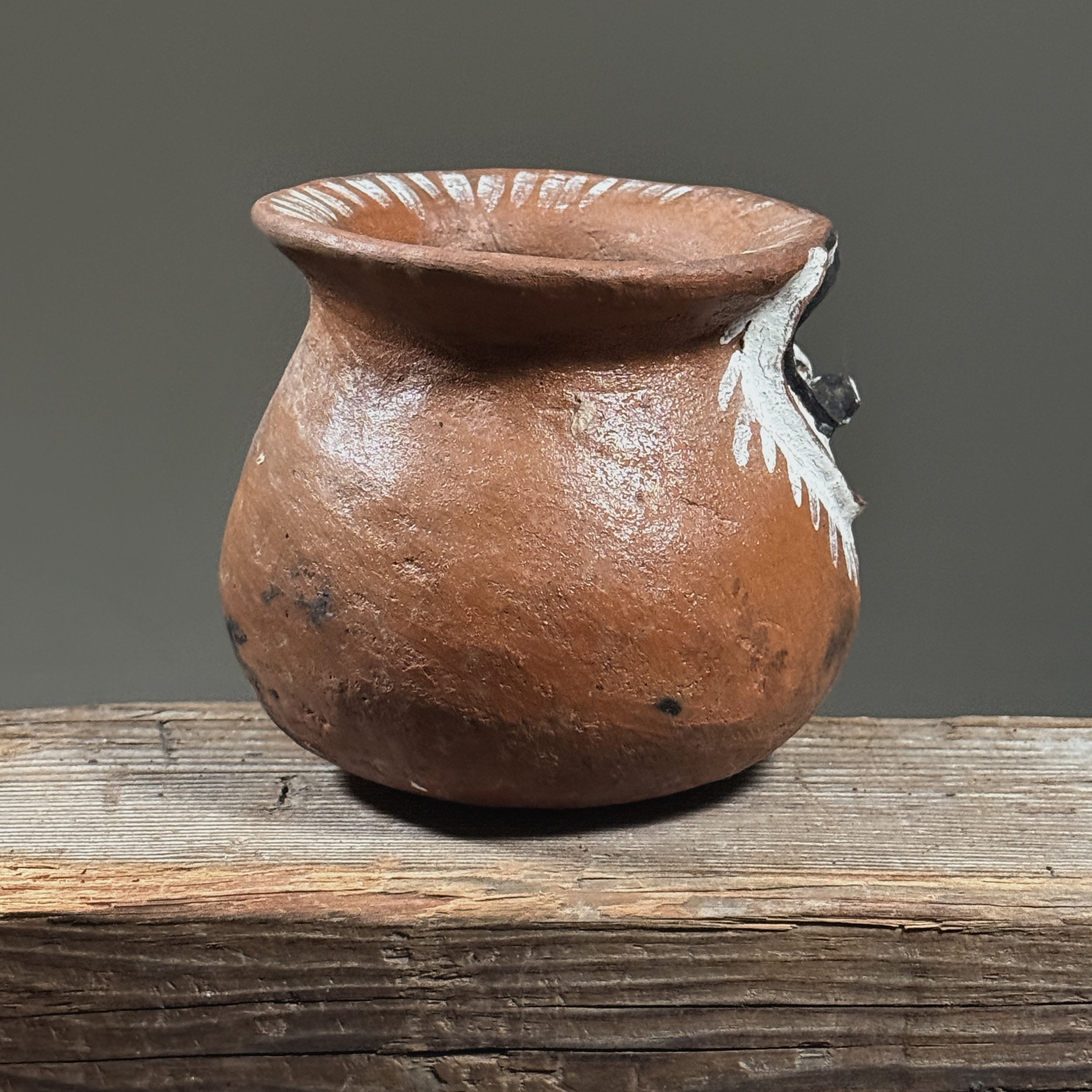
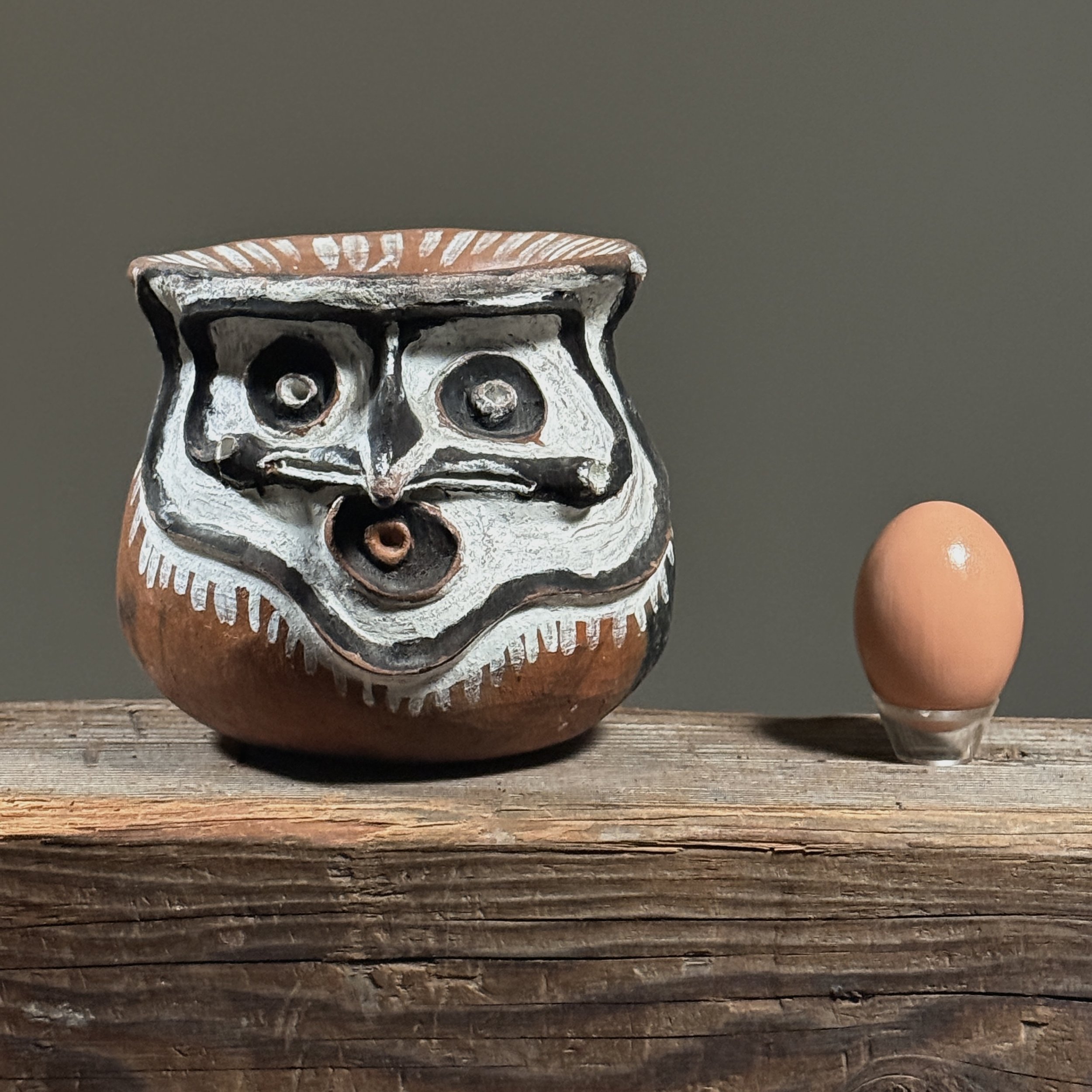
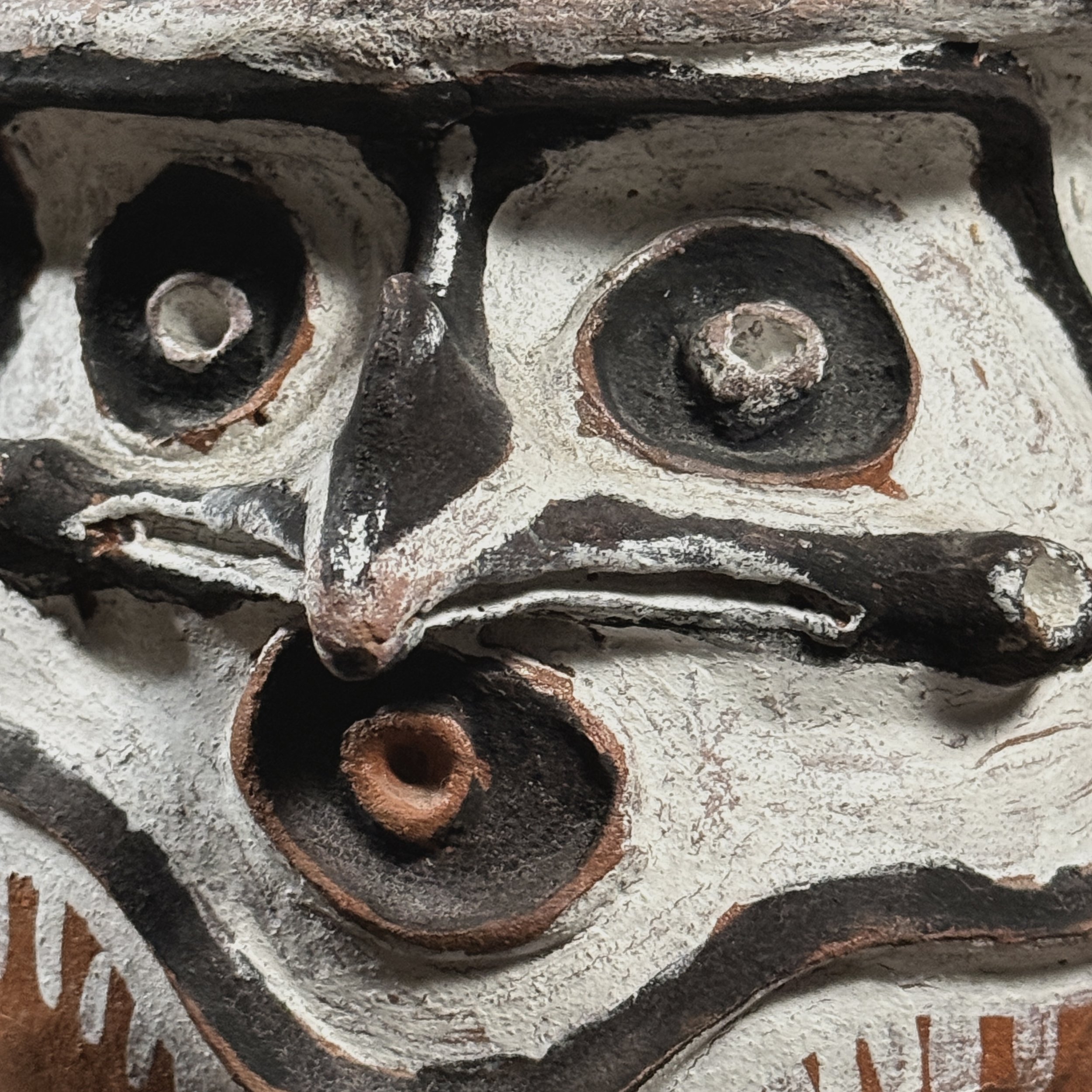
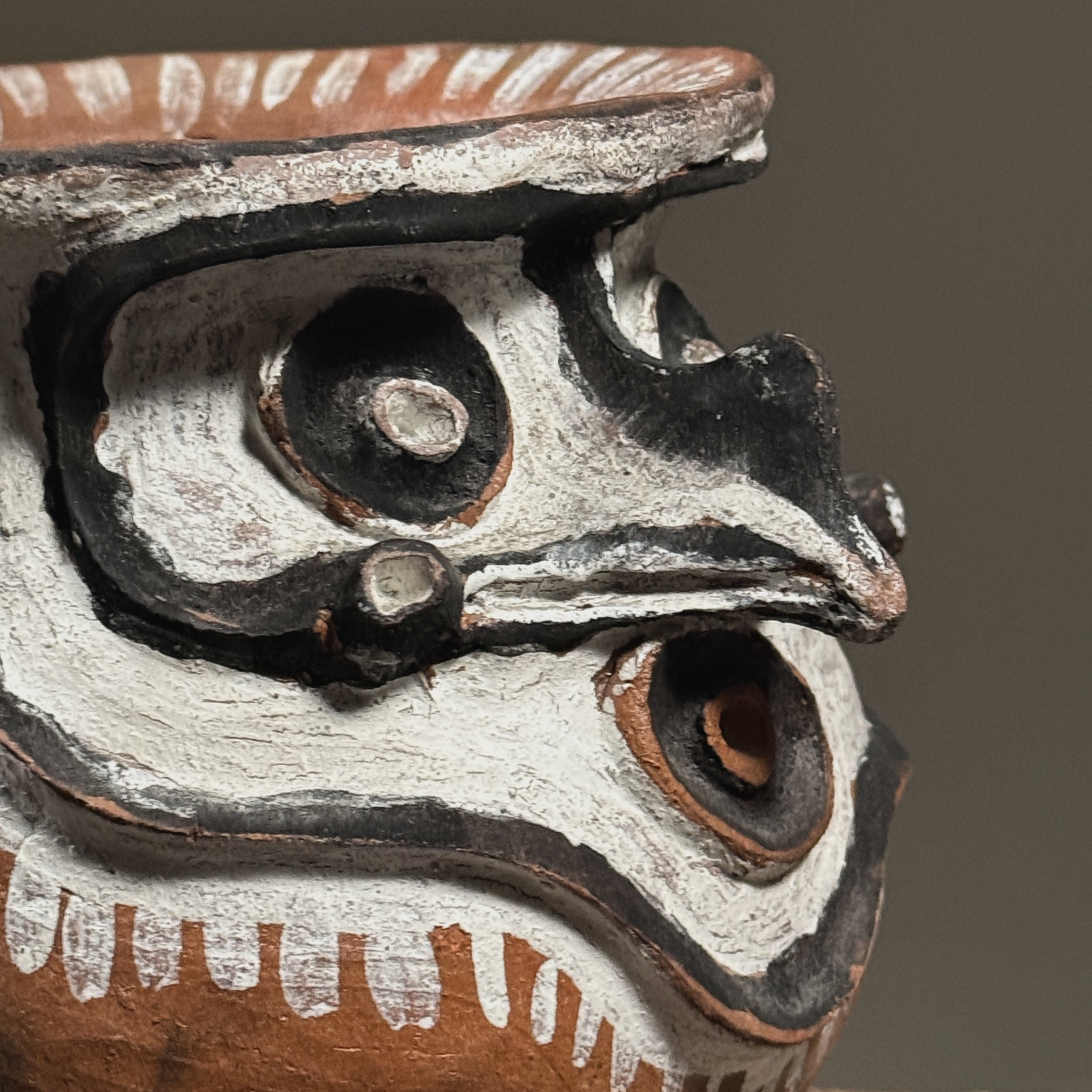
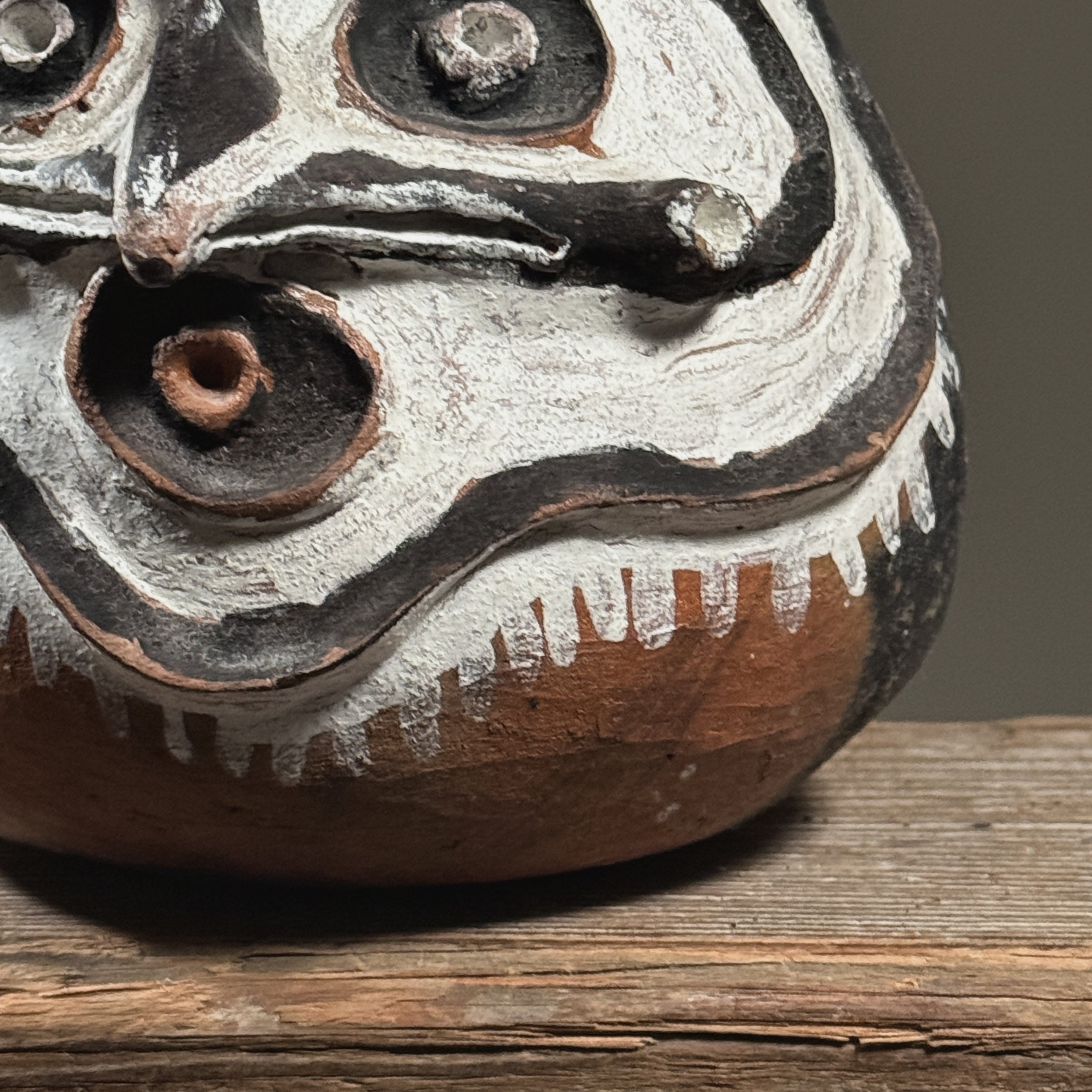
Antique Hand Carved Scepter
Bobo peoples, Western Burkina Faso
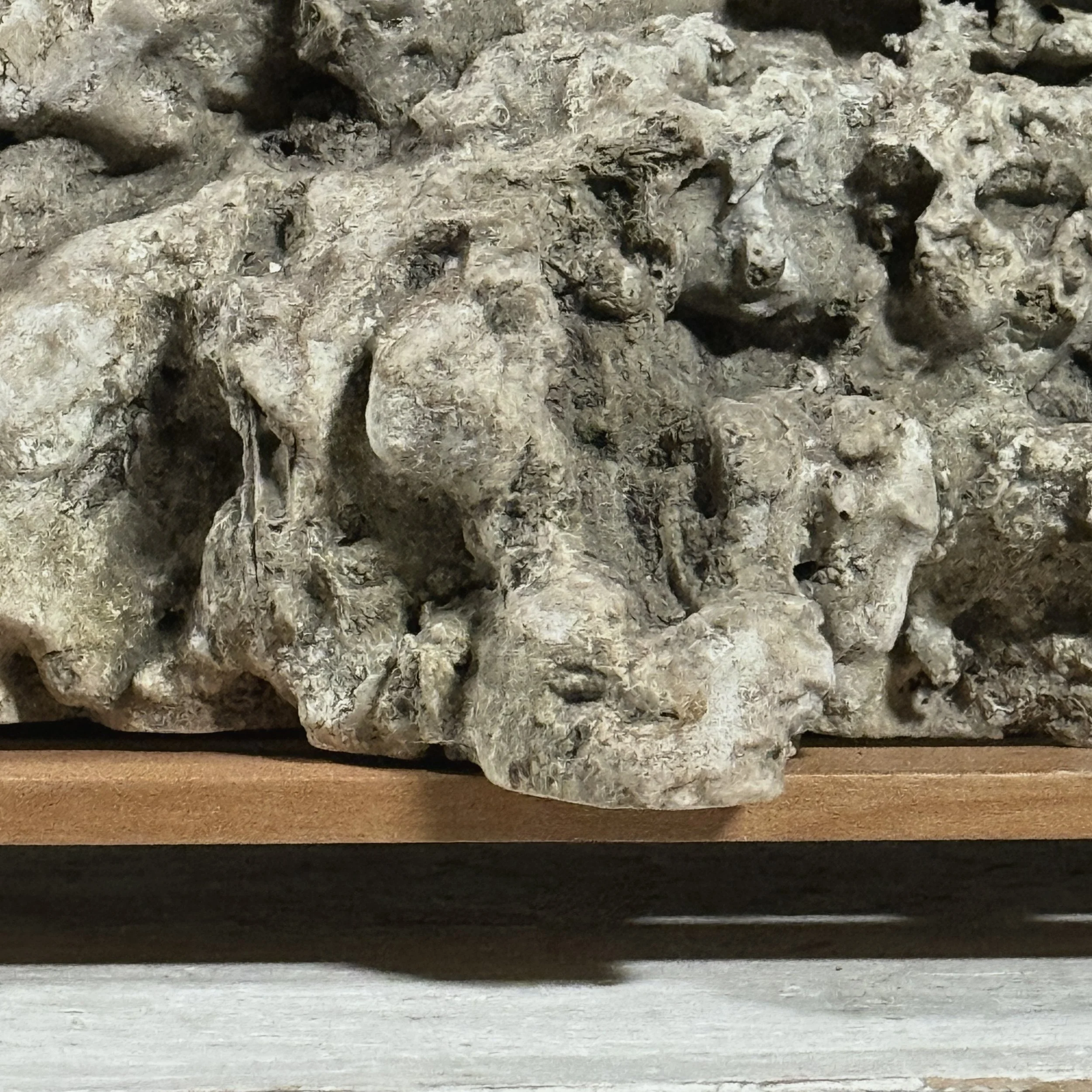
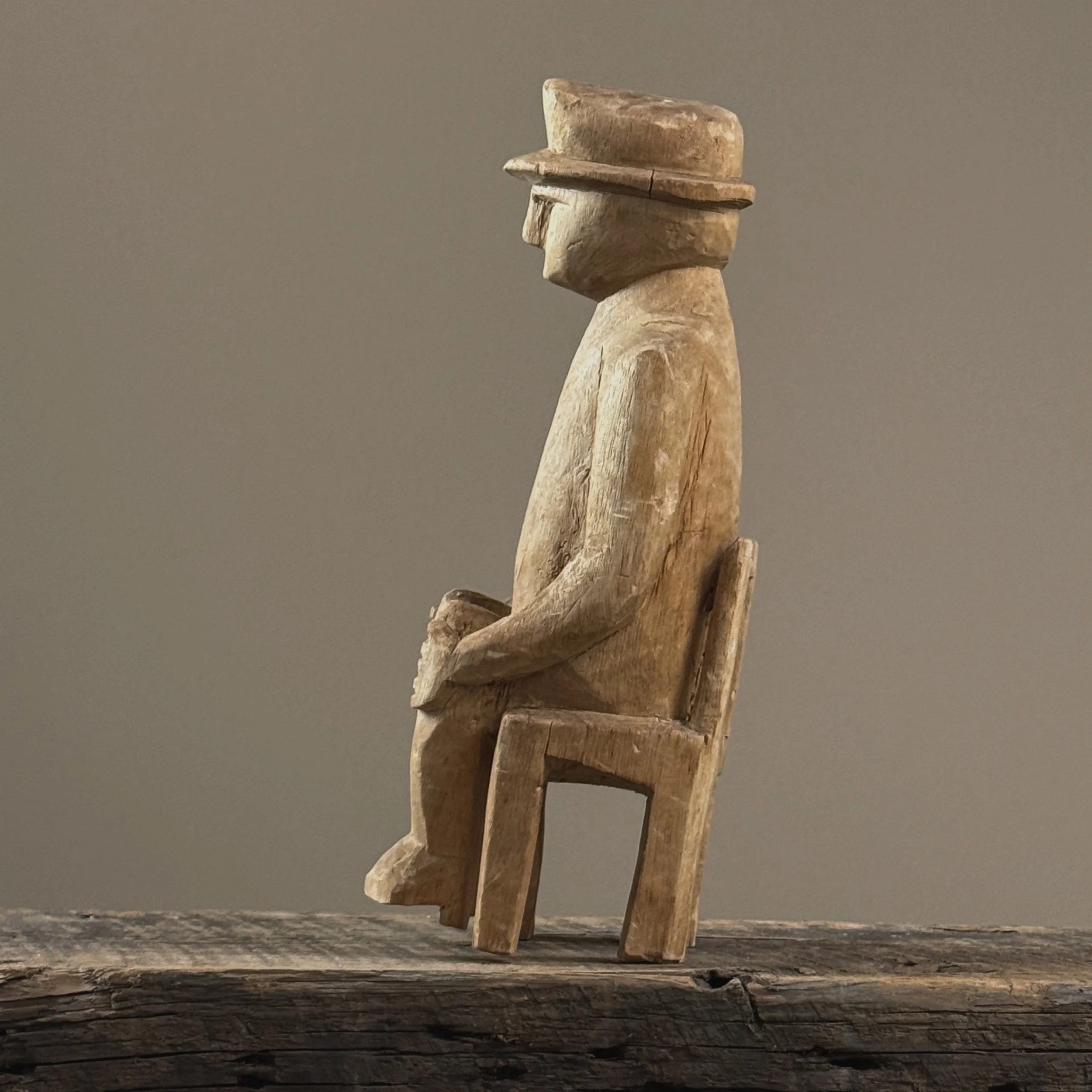
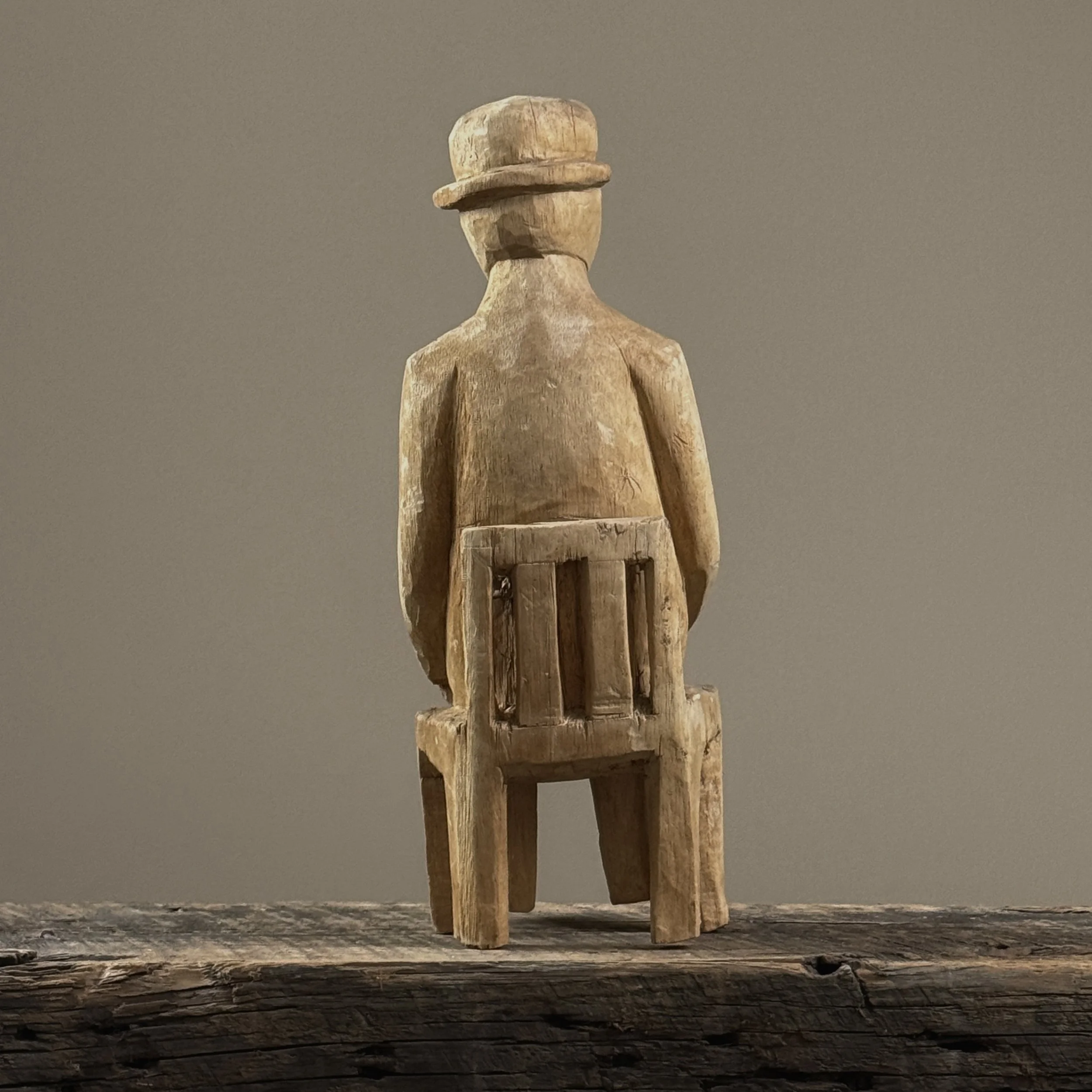
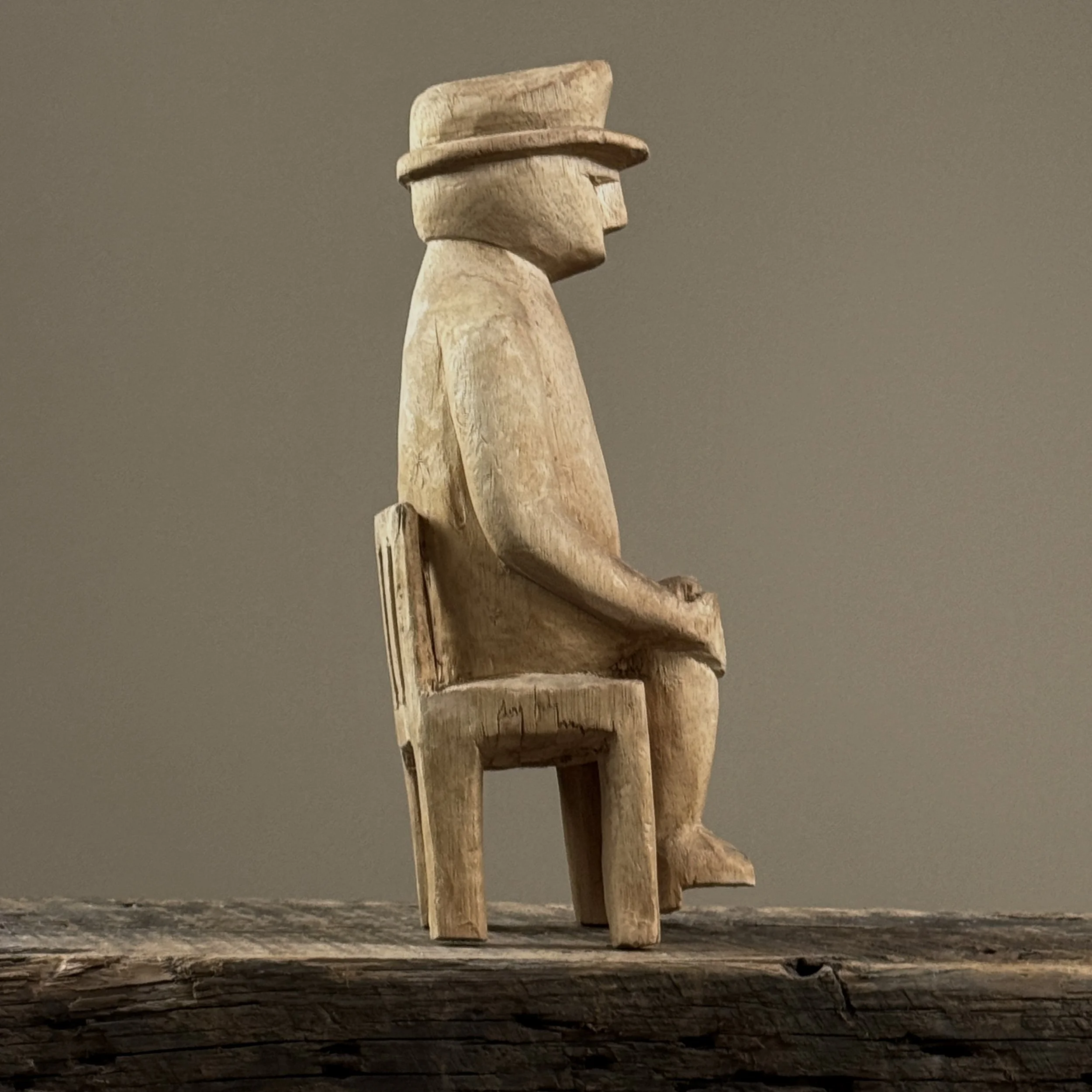
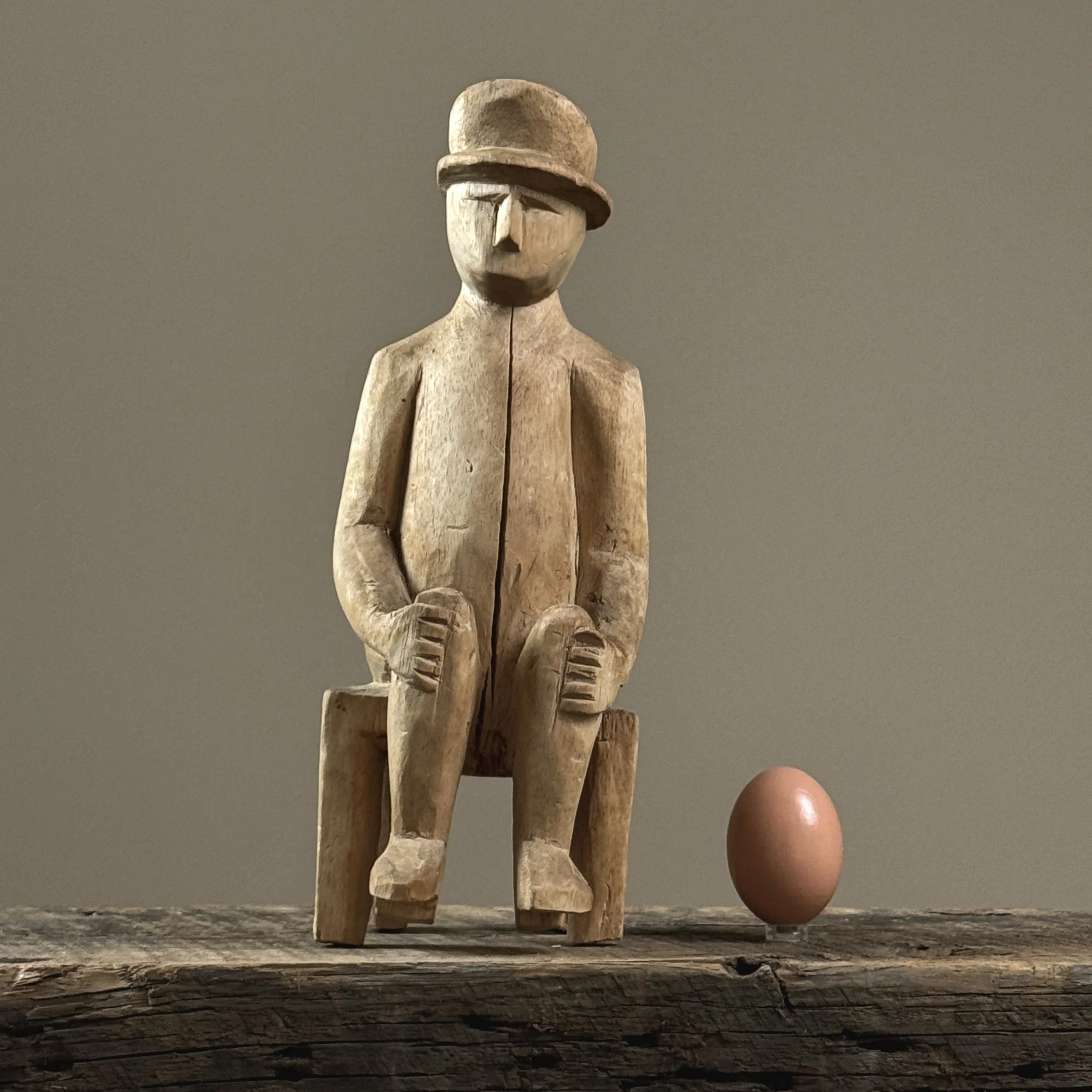
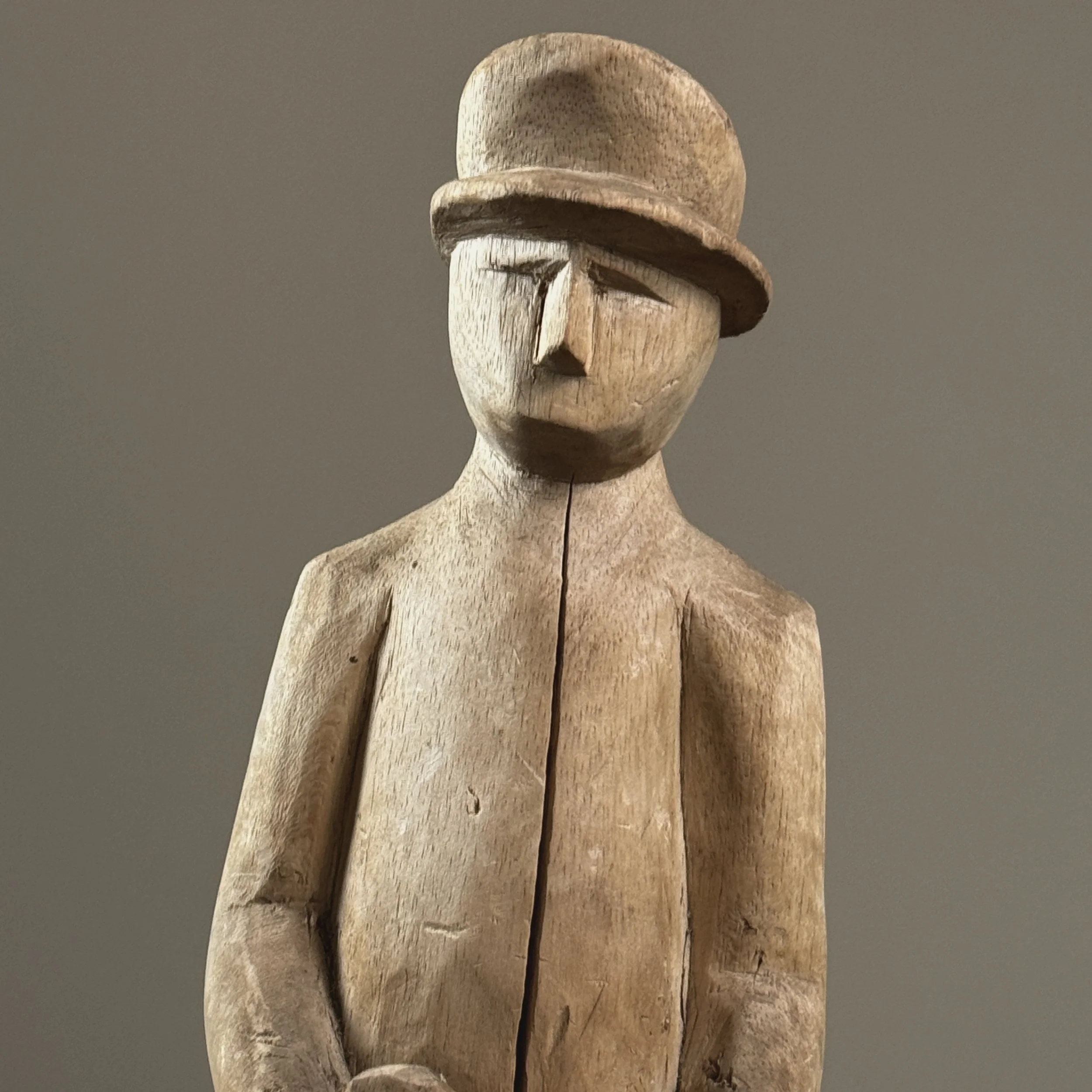
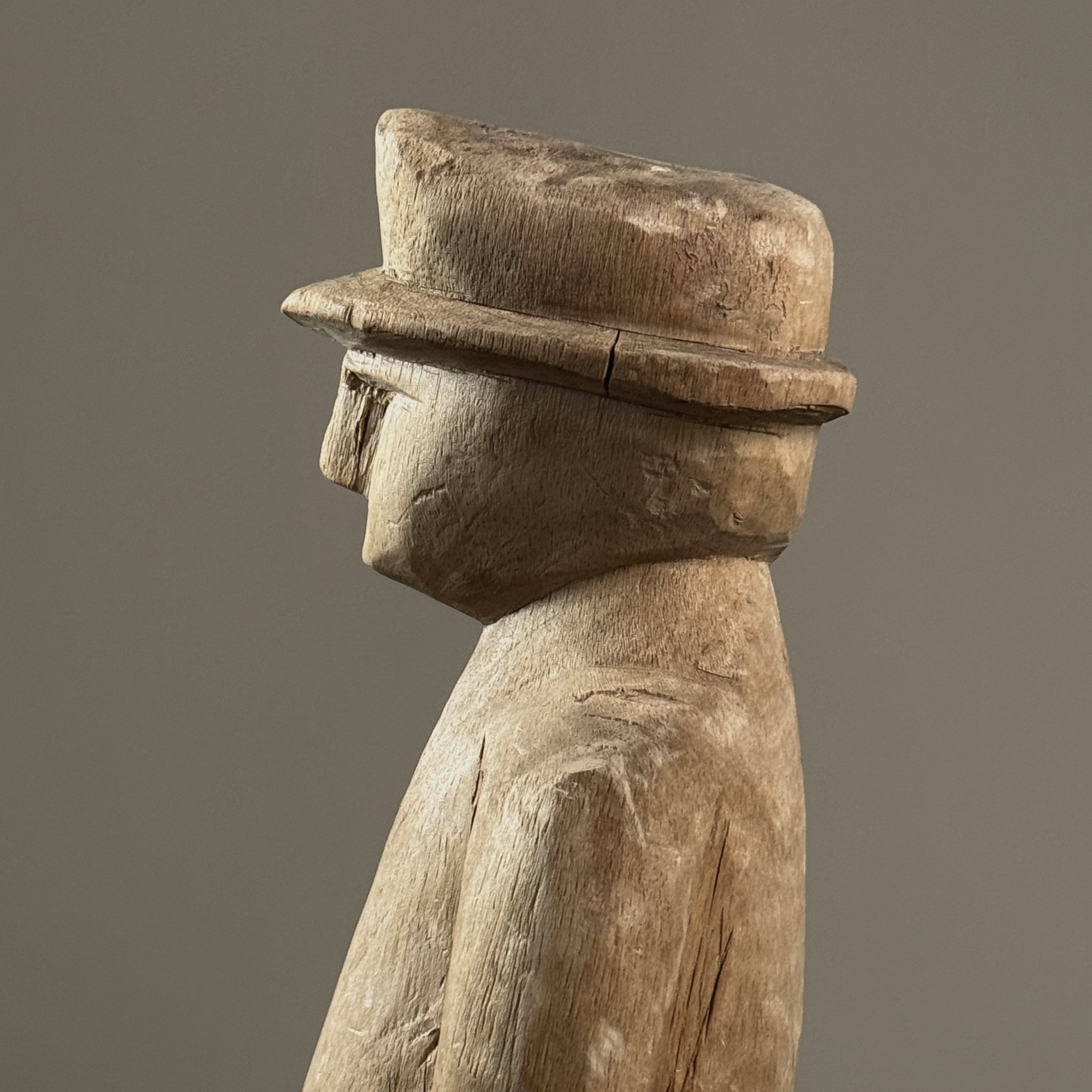
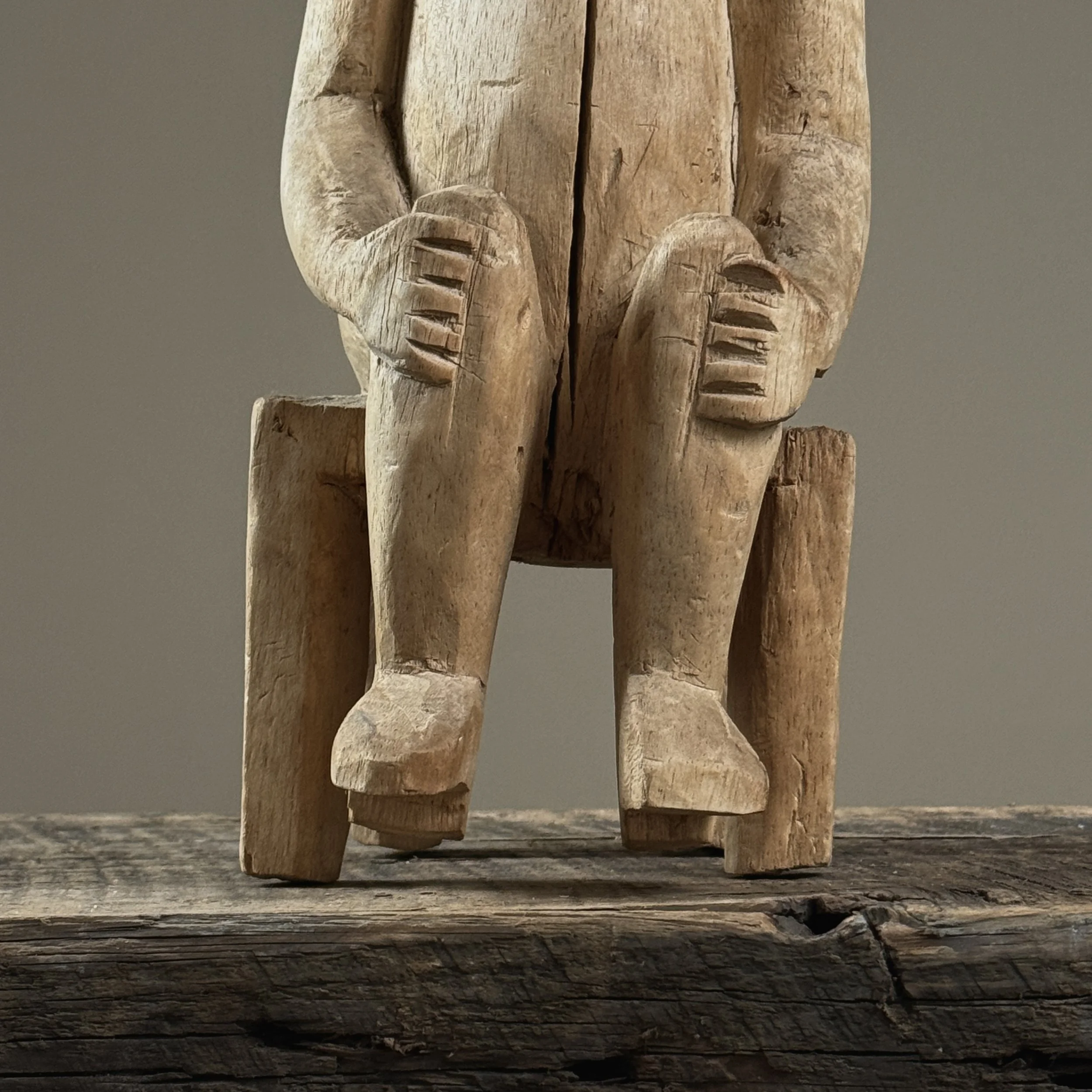
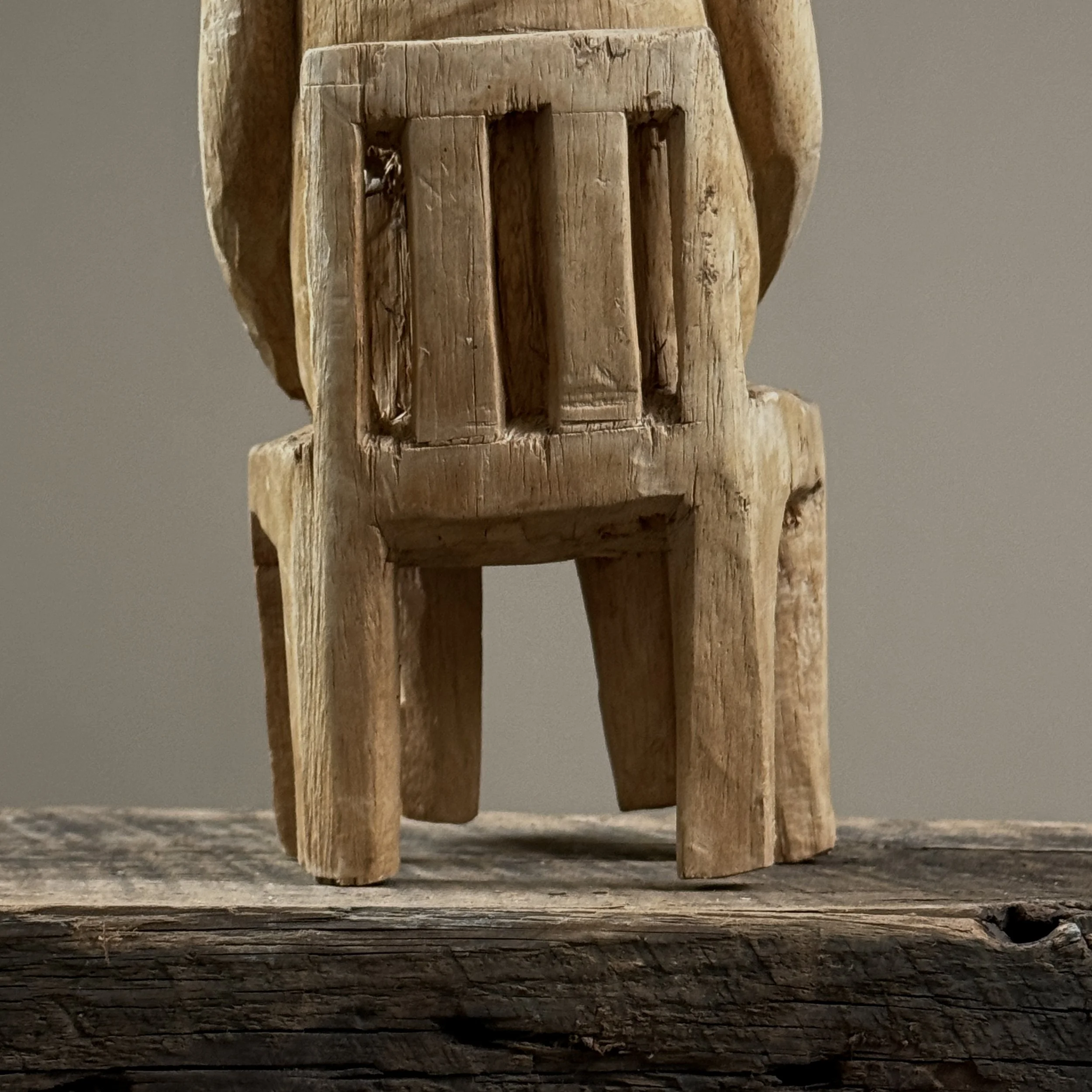
Hand carved wooden ceremonial scepter mounted on a custom black stand. This example is published as Catalogue no. 266, p. 431 in Land of the Flying Masks: Art and Culture in Burkina Faso. The Thomas G. B. Wheelock Collection, by Christopher D. Roy and Thomas G. B. Wheelock (Prestel, Munich, 2007). Provenance: Thomas G. B. Wheelock Collection, New York. Original Wheelock white catalog sticker is attached en verso. Last photo is from the book itself.
Scepters of this type were symbols of authority and ritual presence within Bobo society, often associated with ceremonial leadership and masquerade traditions.
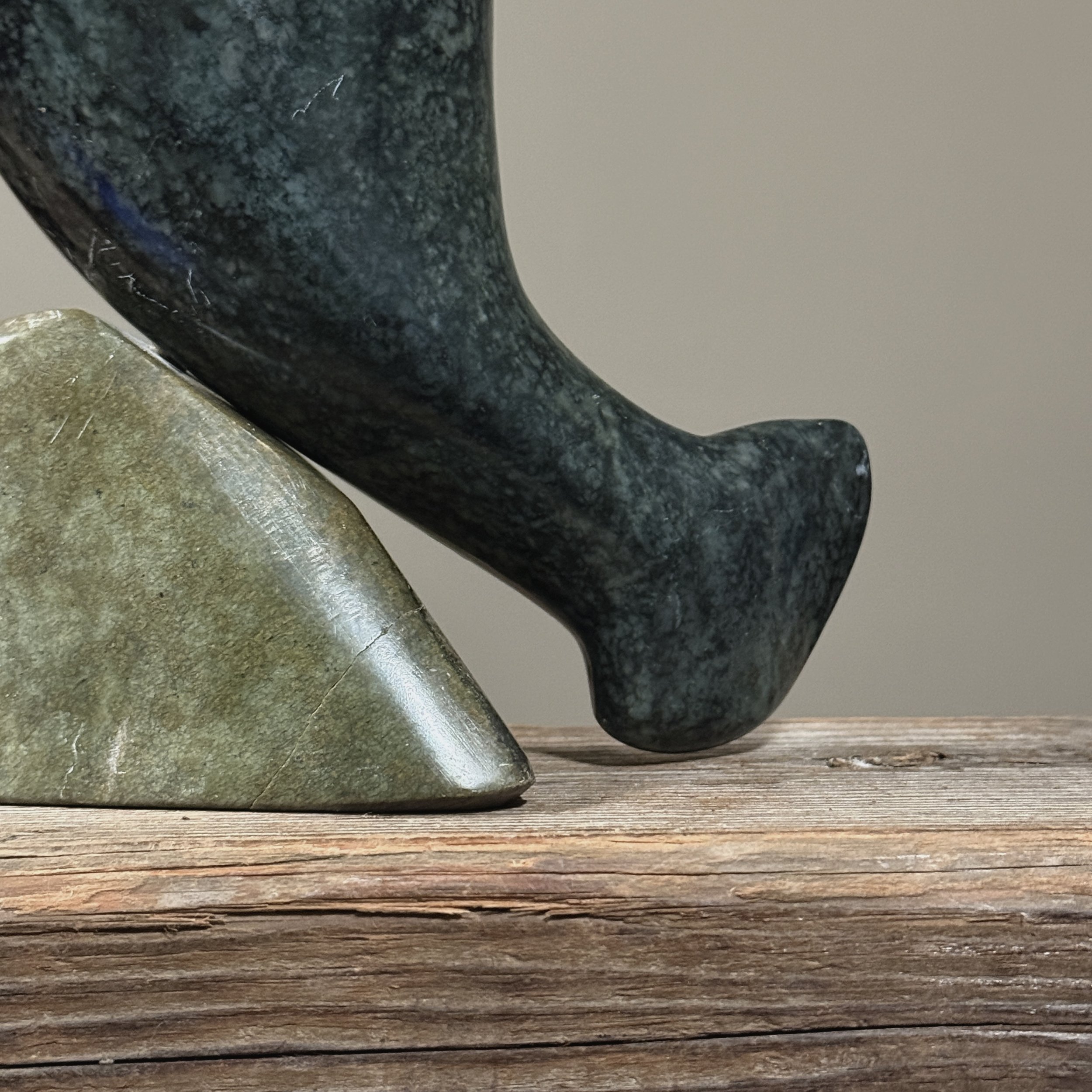
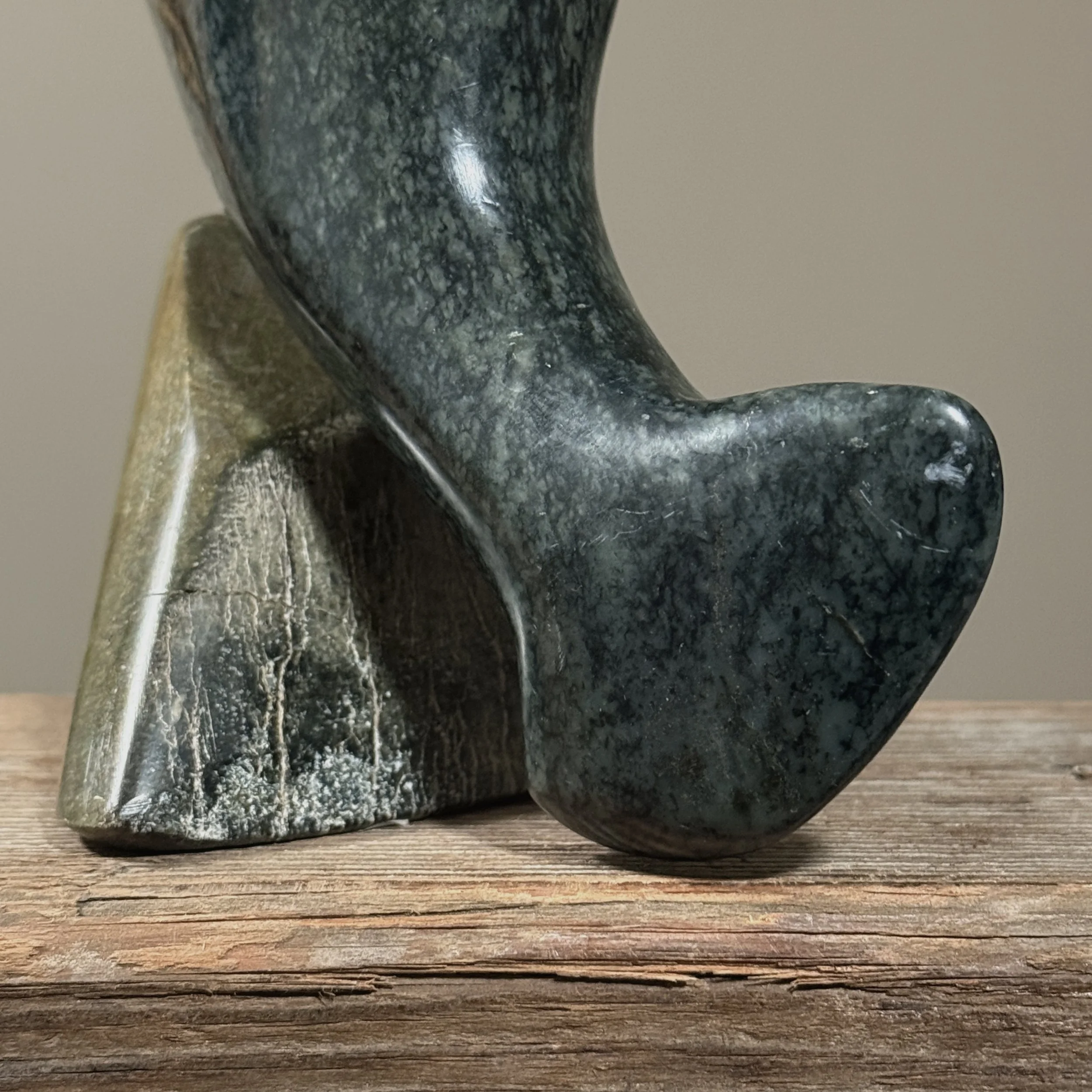
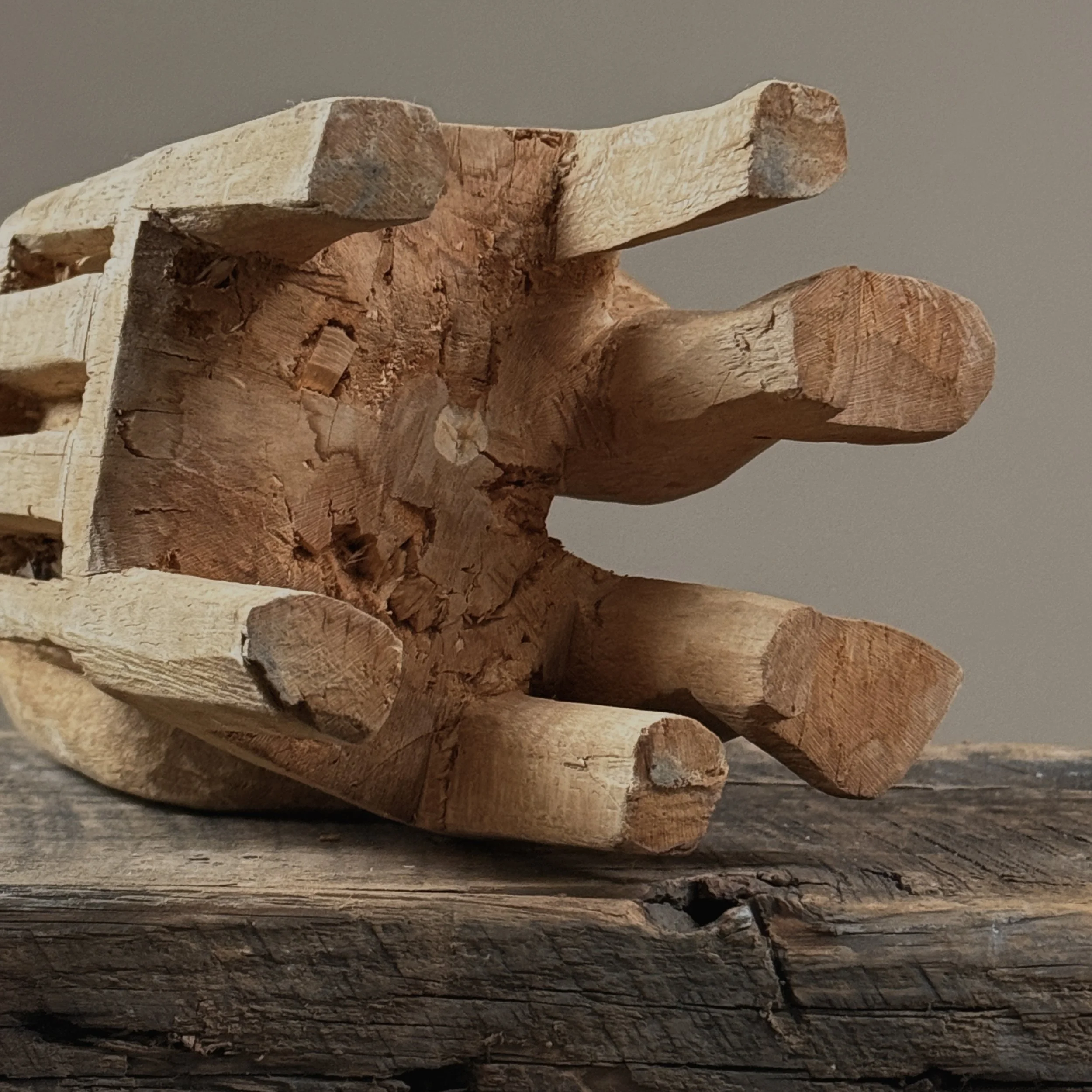
Condition is consistent with age and use, with surface wear, scuffs, and scratches. Please refer to the photographs for detailed condition assessment.
Size (including base): 34.25” H x 7.25” W x 6” D
Thomas G. B. Wheelock was a prominent and deeply committed collector of African art, with a particular emphasis on the artistic traditions of Burkina Faso. Over more than three decades, he assembled a collection exceeding 1,700 works, distinguished by its scholarly rigor, quality, and depth. Wheelock placed great importance on cultivating direct relationships with artists and communities, traveling extensively throughout West Africa to engage with cultural practitioners and local contexts.
Works from the Wheelock Collection are held in major institutional collections, including the Metropolitan Museum of Art, New York, with additional loans to museums such as the High Museum of Art, Atlanta. The collection is comprehensively documented in the influential publication Land of the Flying Masks, which presents significant works from the Nuna, Bwa, Bobo, and Mossi peoples, as well as the Lobi, Gurunsi, Winiama, and Lela. Through both collecting and scholarship, Wheelock’s legacy continues to support the preservation and understanding of Burkina Faso’s artistic heritage.
Antique Hand Carved Scepter
Bobo peoples, Western Burkina Faso
Hand carved wooden ceremonial scepter mounted on a custom black stand. This example is published as Catalogue no. 266, p. 431 in Land of the Flying Masks: Art and Culture in Burkina Faso. The Thomas G. B. Wheelock Collection, by Christopher D. Roy and Thomas G. B. Wheelock (Prestel, Munich, 2007). Provenance: Thomas G. B. Wheelock Collection, New York. Original Wheelock white catalog sticker is attached en verso. Last photo is from the book itself.
Scepters of this type were symbols of authority and ritual presence within Bobo society, often associated with ceremonial leadership and masquerade traditions.
Condition is consistent with age and use, with surface wear, scuffs, and scratches. Please refer to the photographs for detailed condition assessment.
Size (including base): 34.25” H x 7.25” W x 6” D
Thomas G. B. Wheelock was a prominent and deeply committed collector of African art, with a particular emphasis on the artistic traditions of Burkina Faso. Over more than three decades, he assembled a collection exceeding 1,700 works, distinguished by its scholarly rigor, quality, and depth. Wheelock placed great importance on cultivating direct relationships with artists and communities, traveling extensively throughout West Africa to engage with cultural practitioners and local contexts.
Works from the Wheelock Collection are held in major institutional collections, including the Metropolitan Museum of Art, New York, with additional loans to museums such as the High Museum of Art, Atlanta. The collection is comprehensively documented in the influential publication Land of the Flying Masks, which presents significant works from the Nuna, Bwa, Bobo, and Mossi peoples, as well as the Lobi, Gurunsi, Winiama, and Lela. Through both collecting and scholarship, Wheelock’s legacy continues to support the preservation and understanding of Burkina Faso’s artistic heritage.

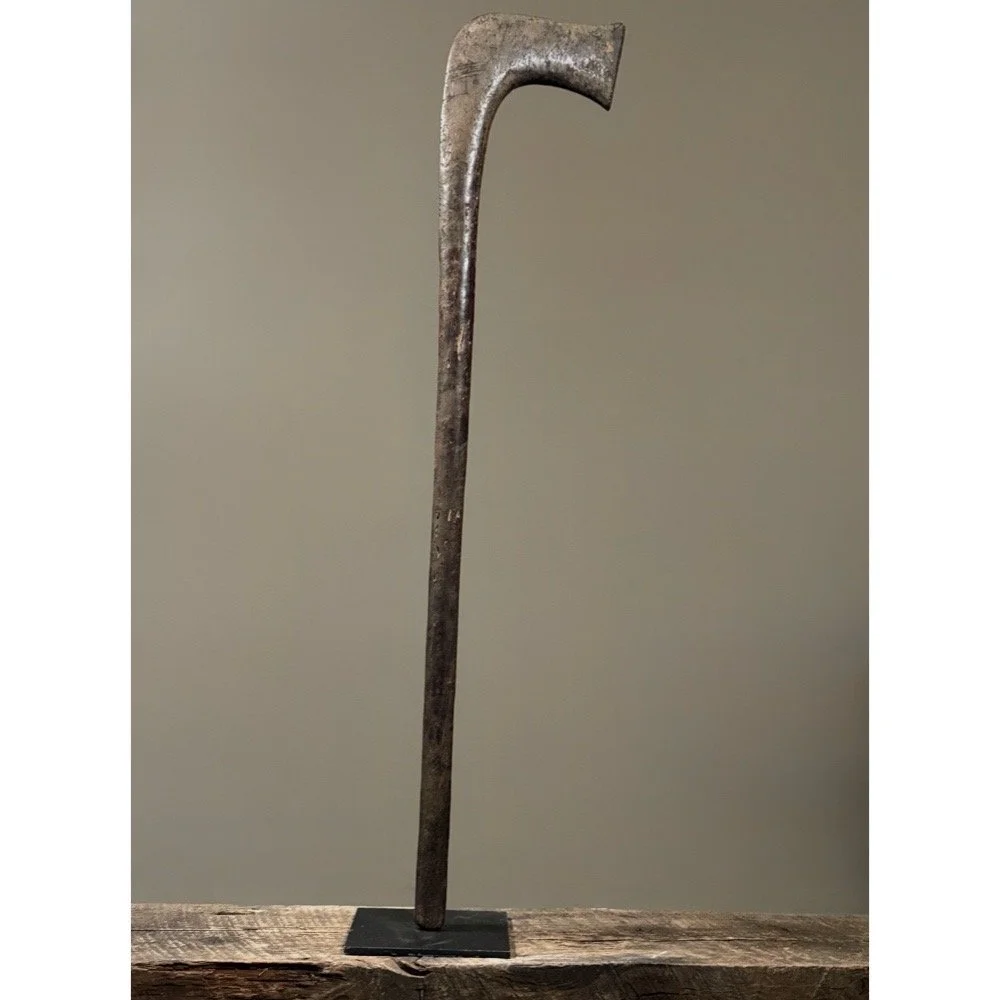 Image 1 of 10
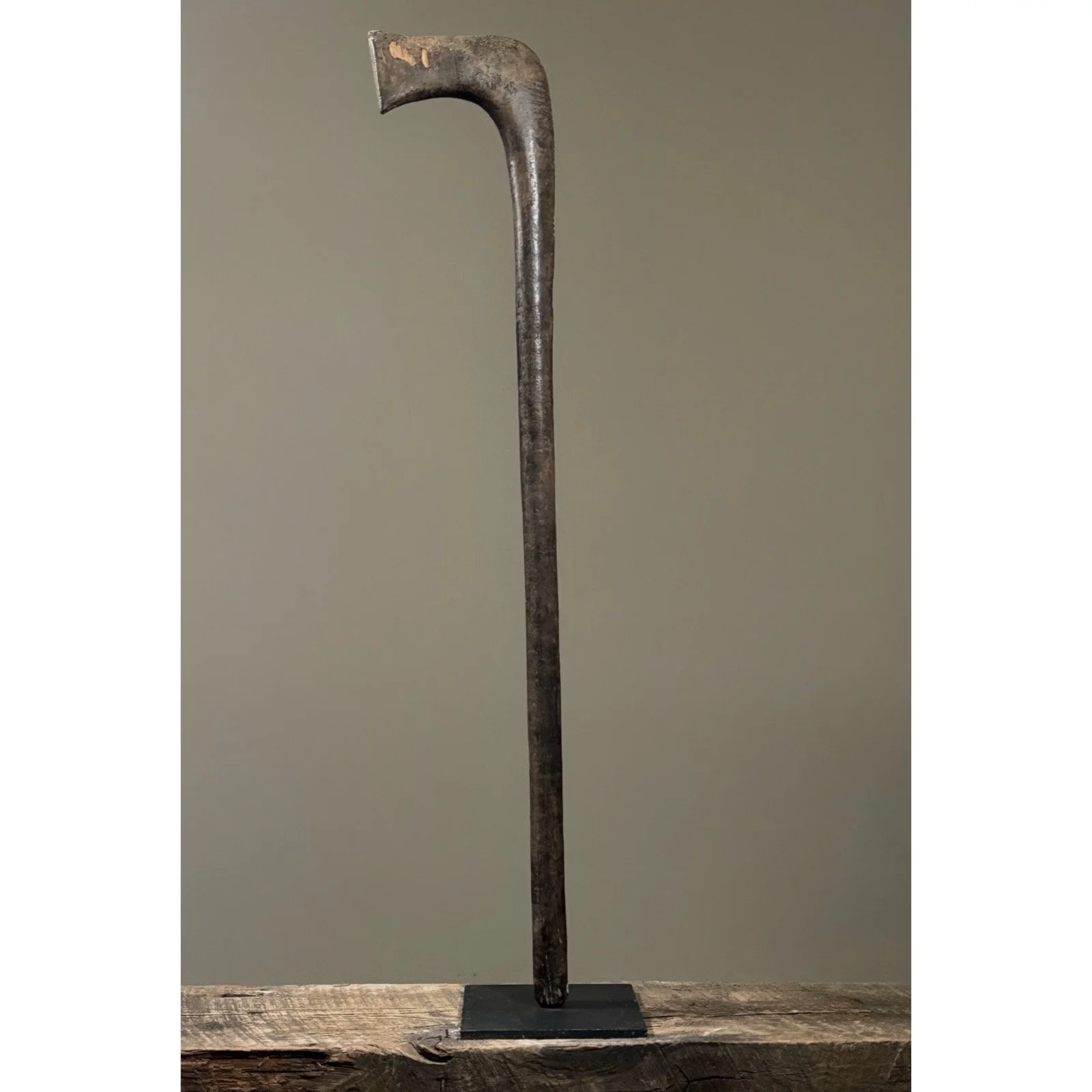 Image 2 of 10
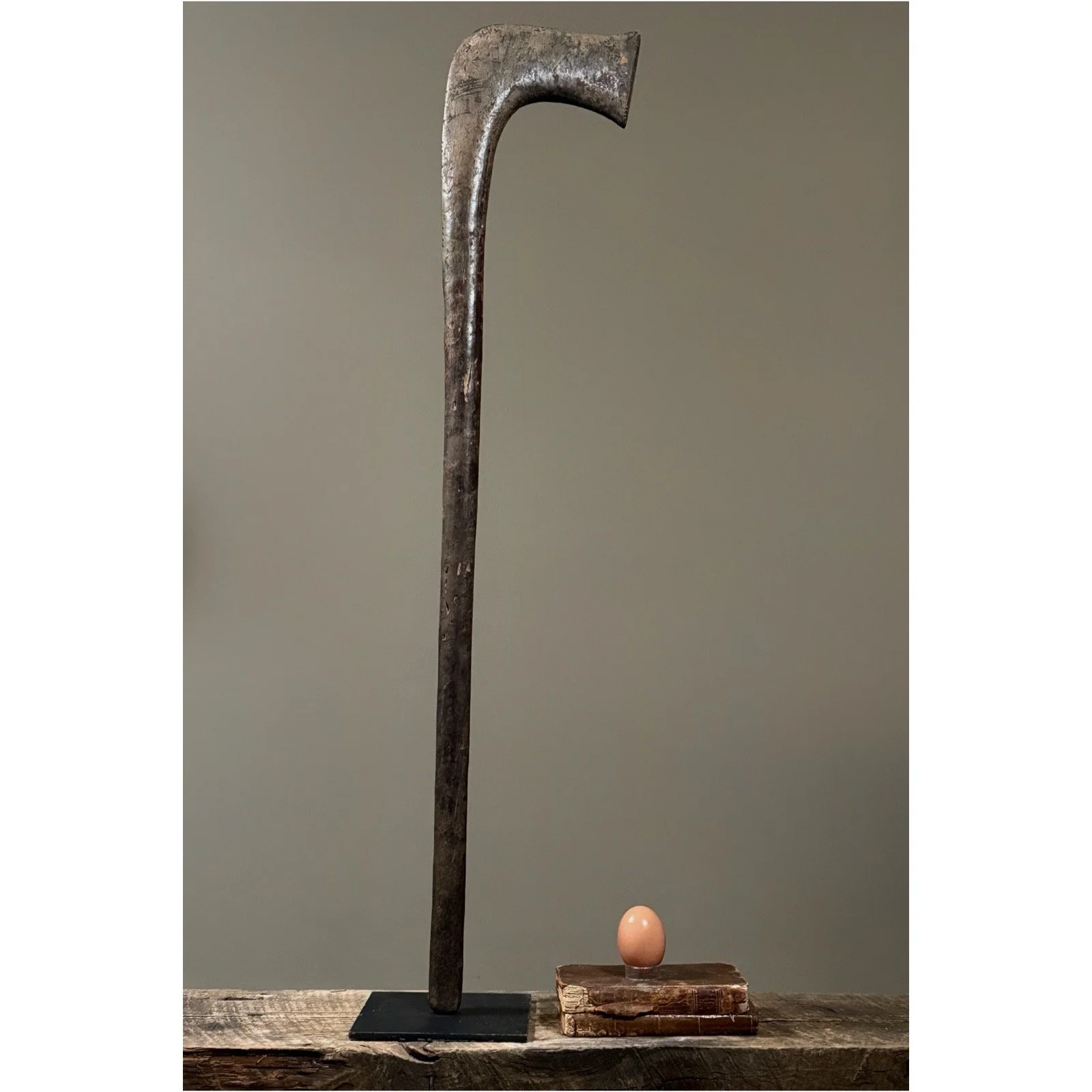 Image 3 of 10
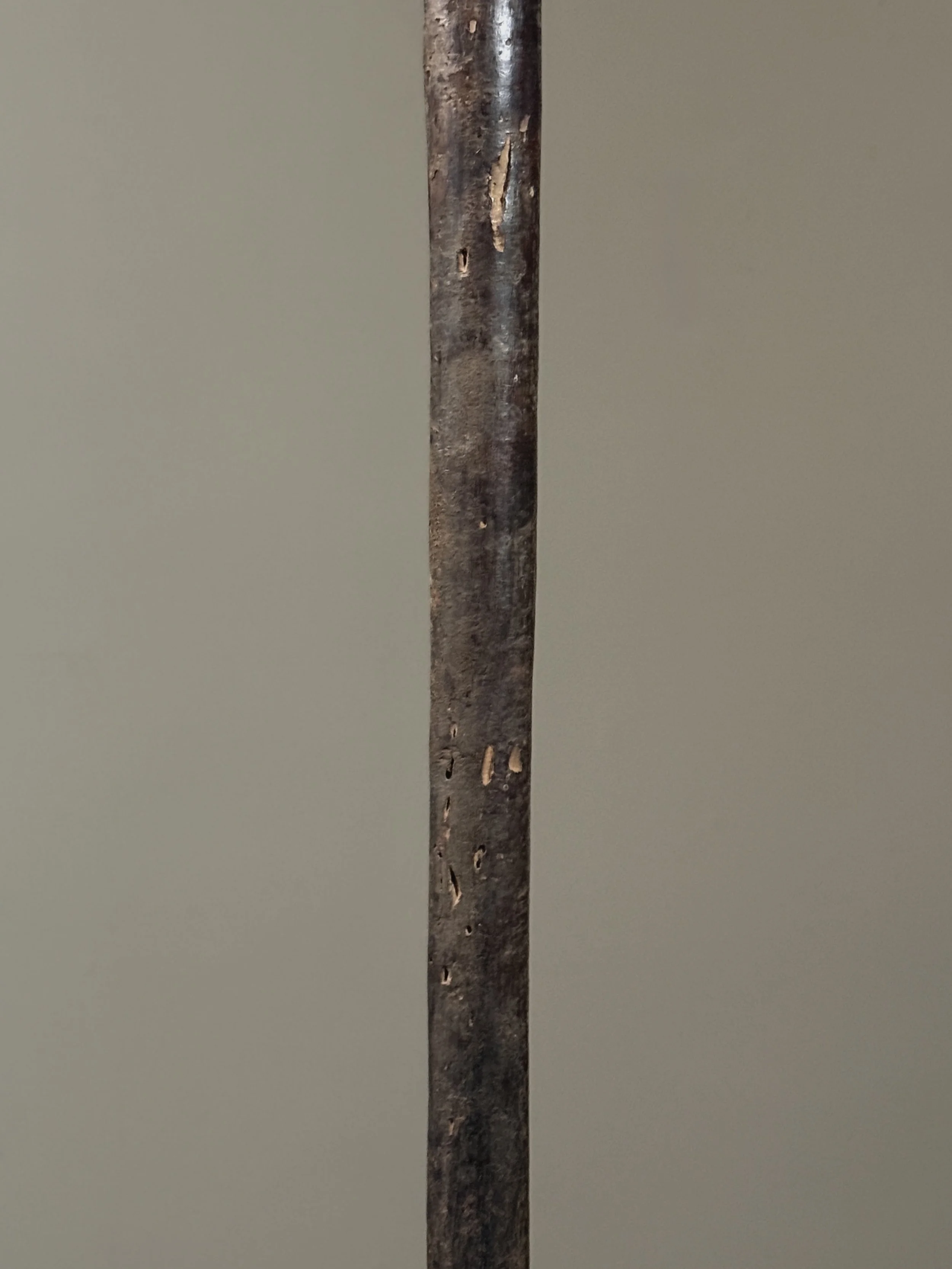 Image 4 of 10
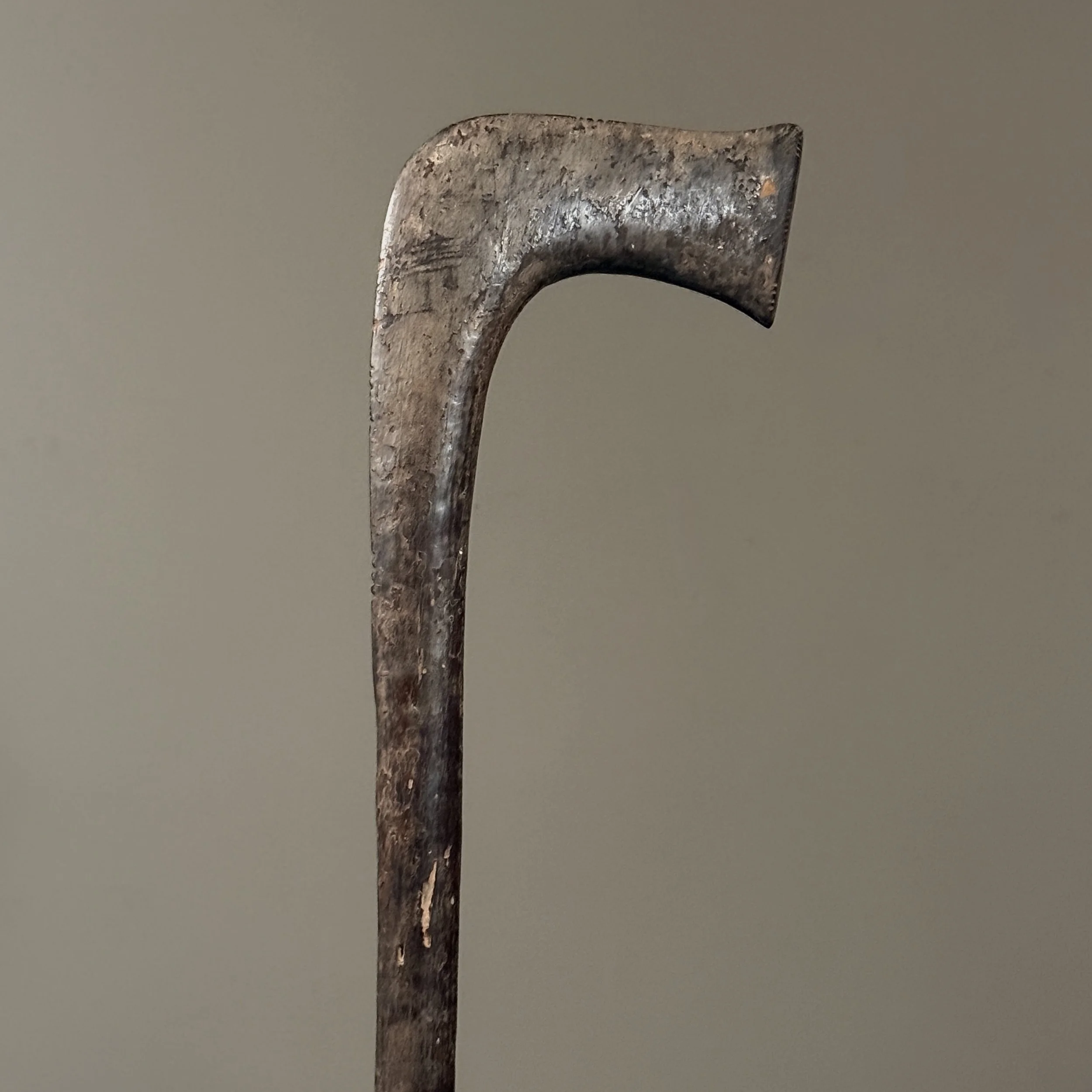 Image 5 of 10
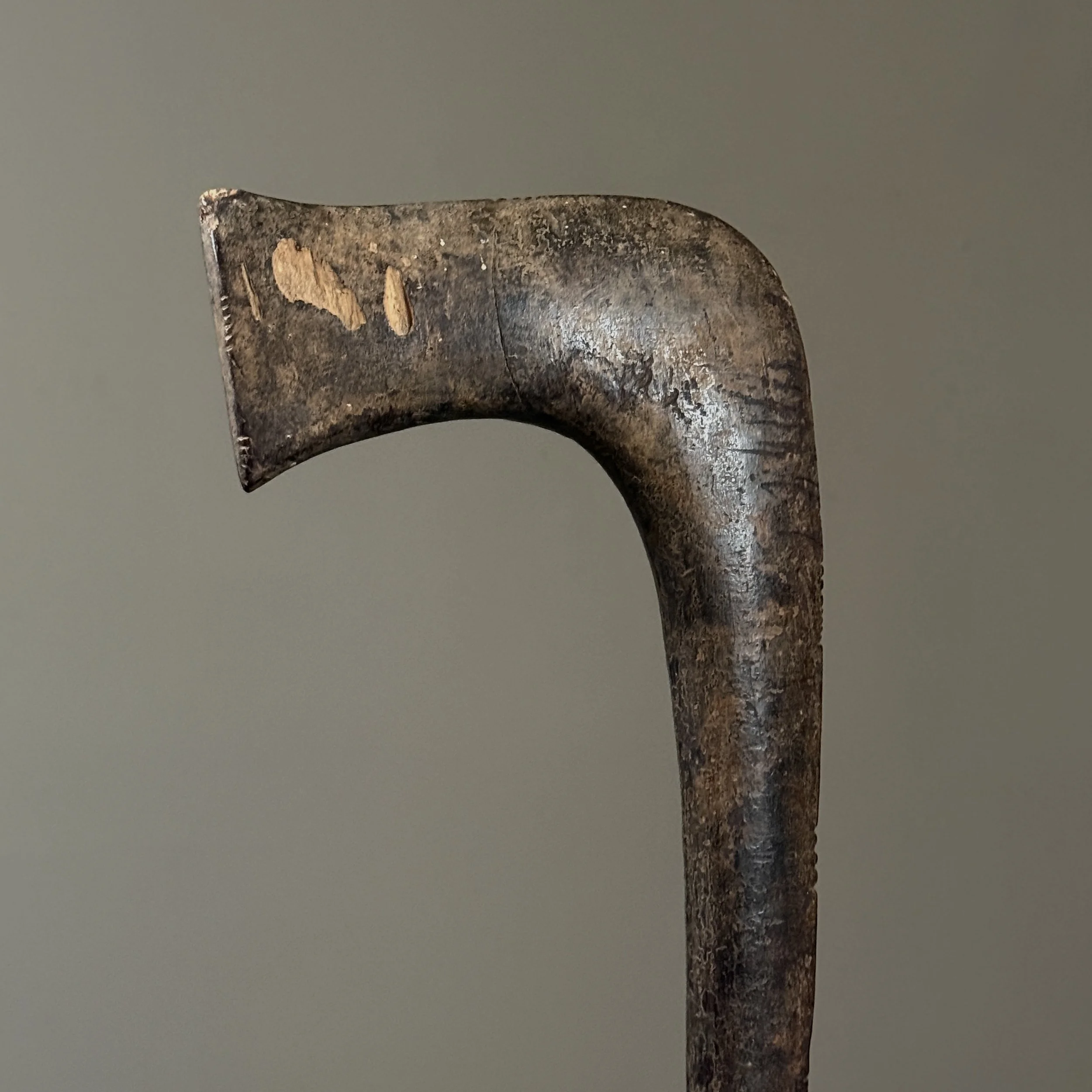 Image 6 of 10
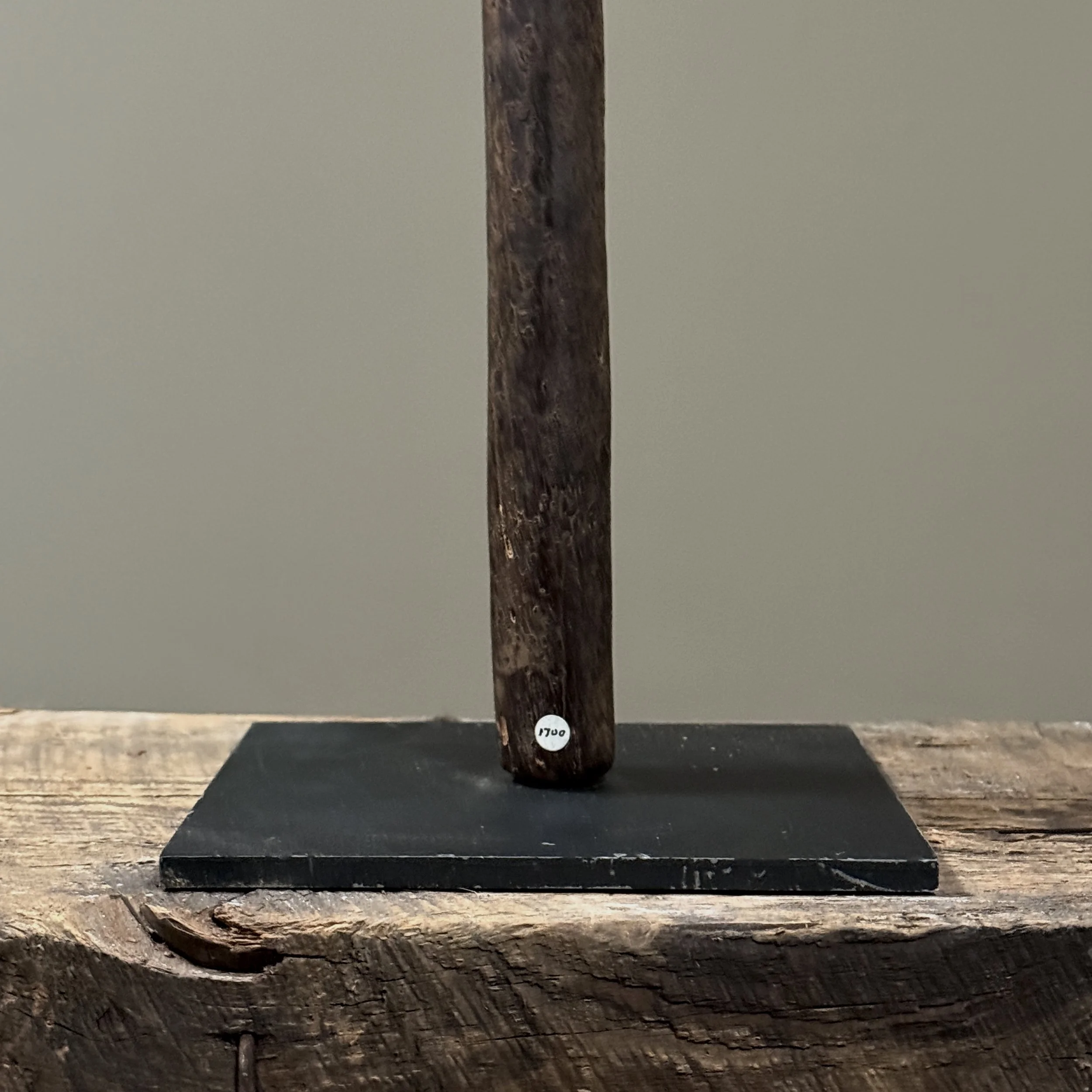 Image 7 of 10
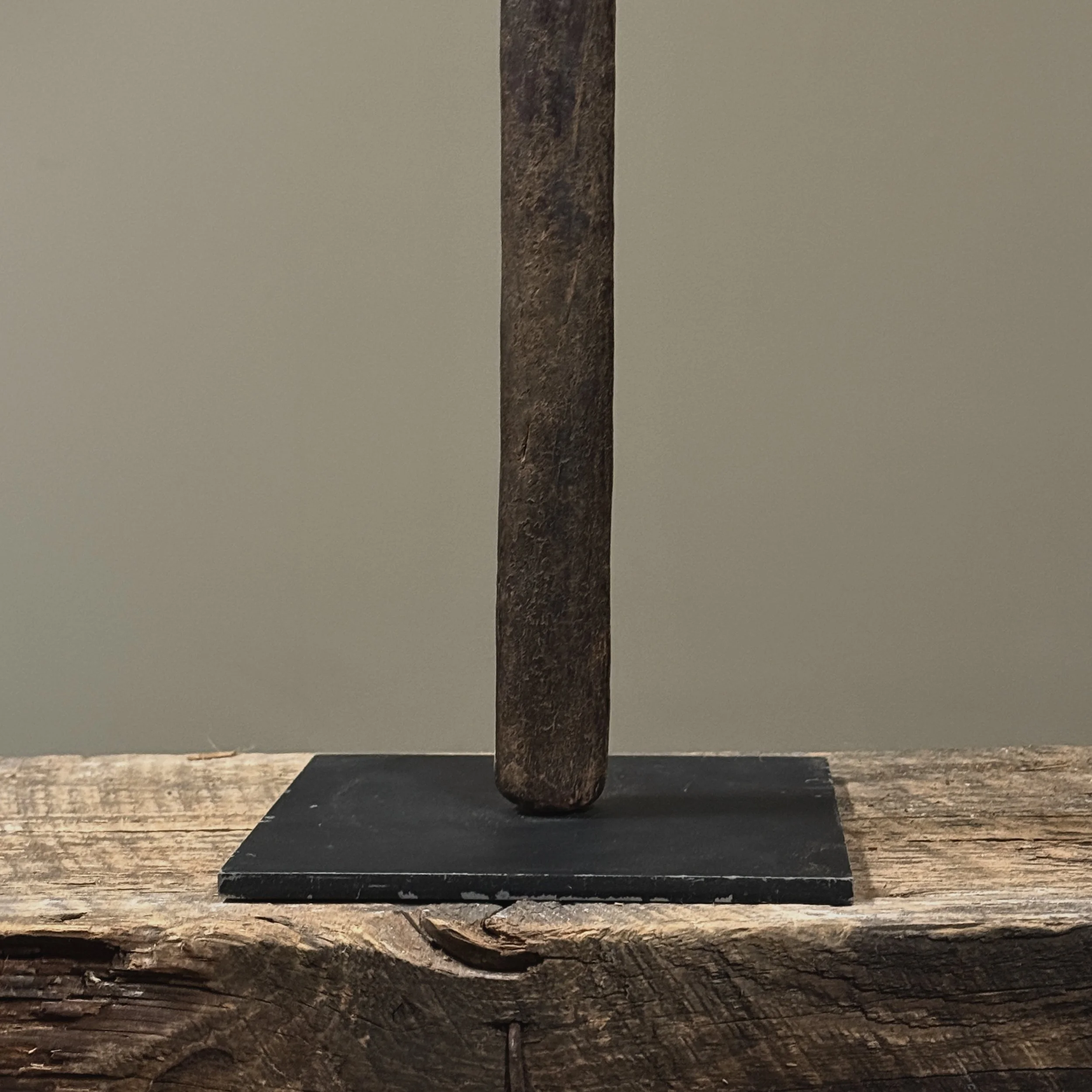 Image 8 of 10
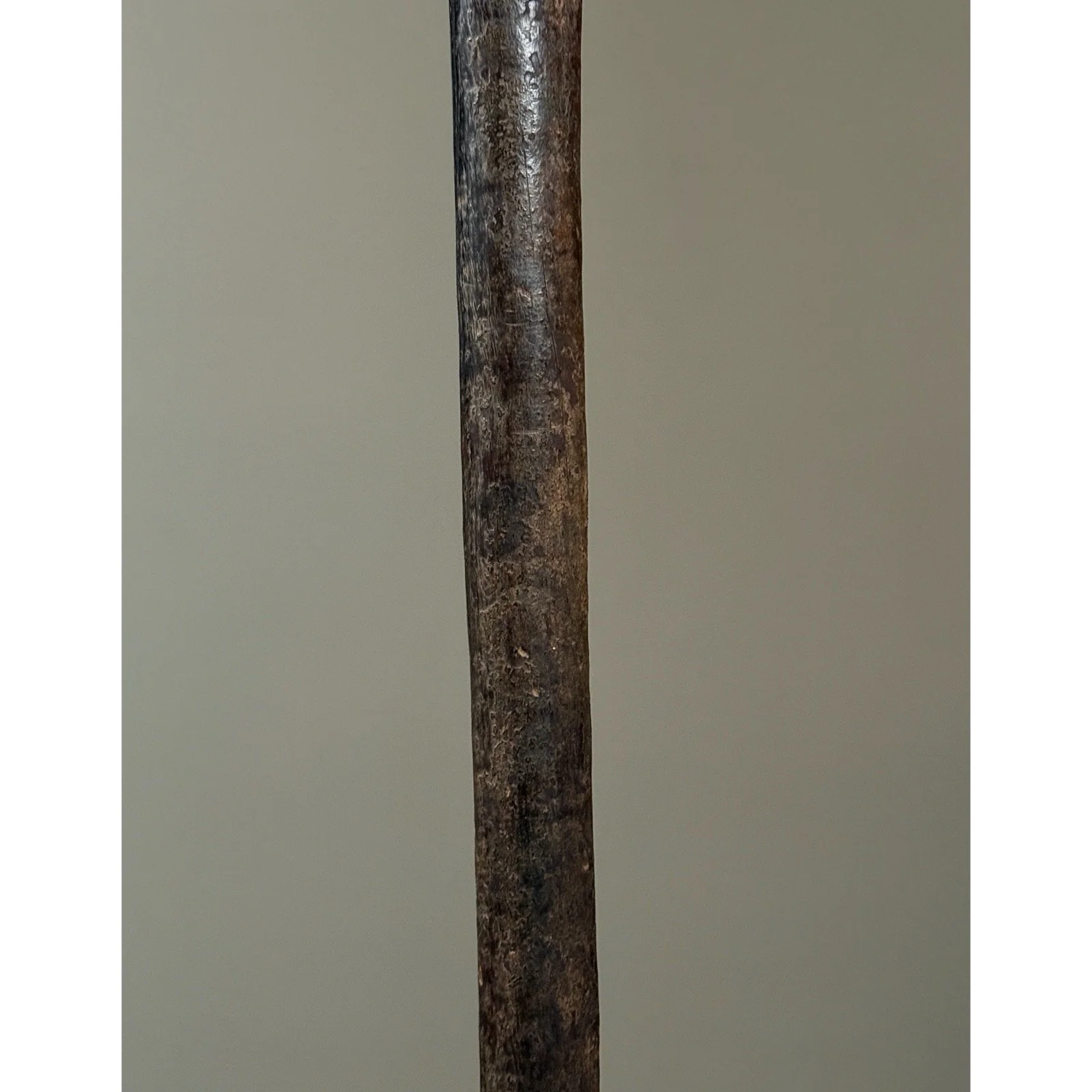 Image 9 of 10
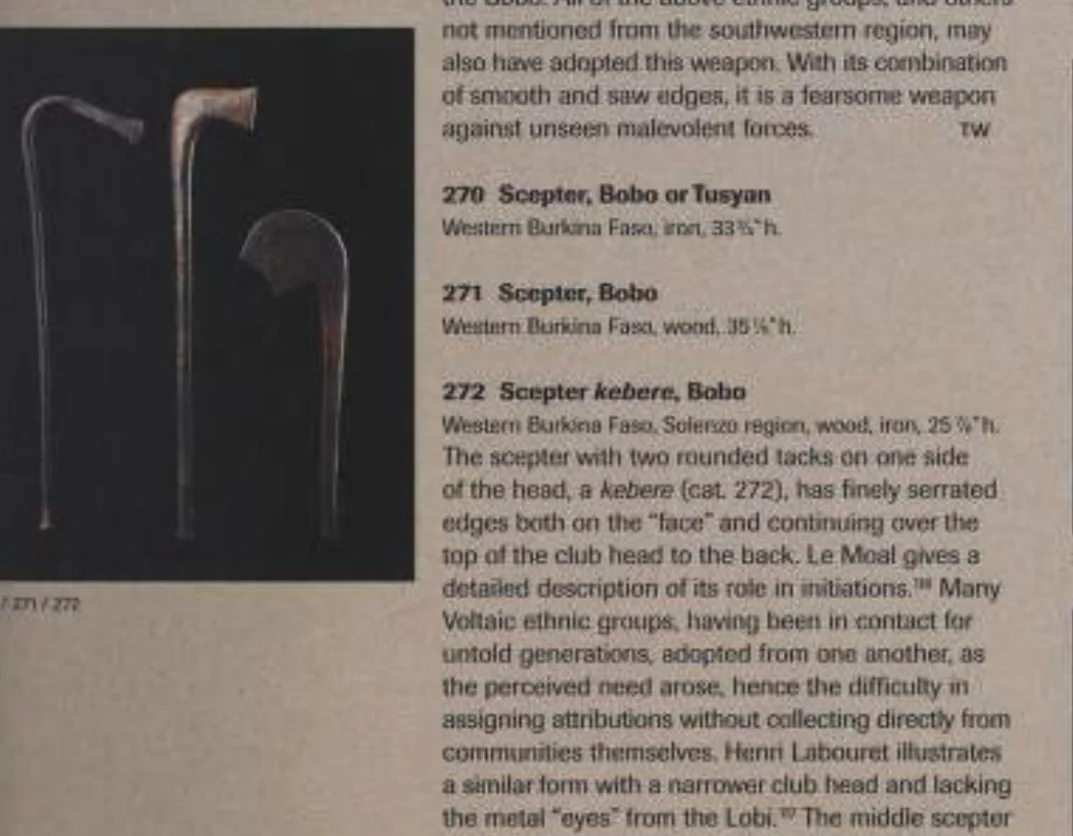 Image 10 of 10