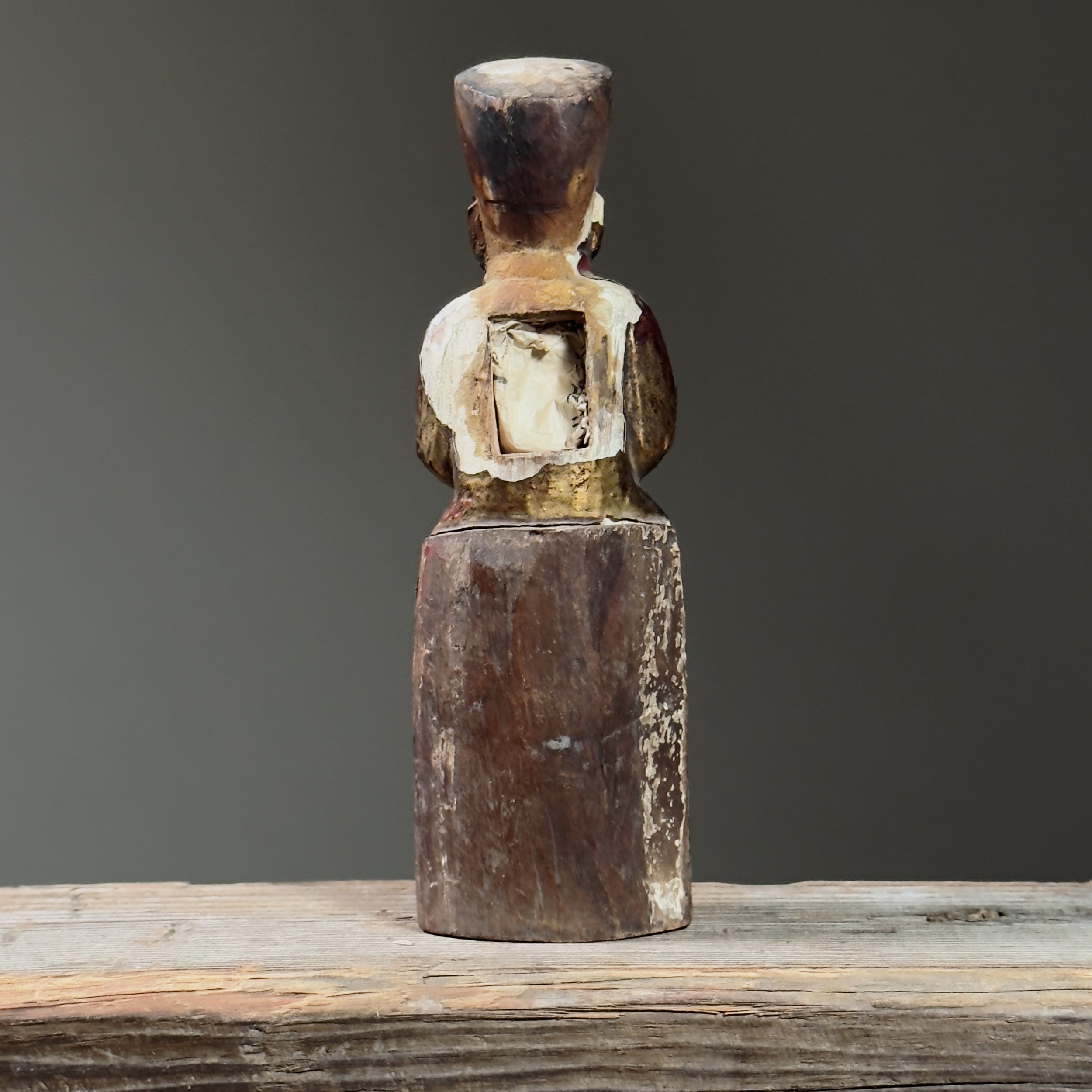
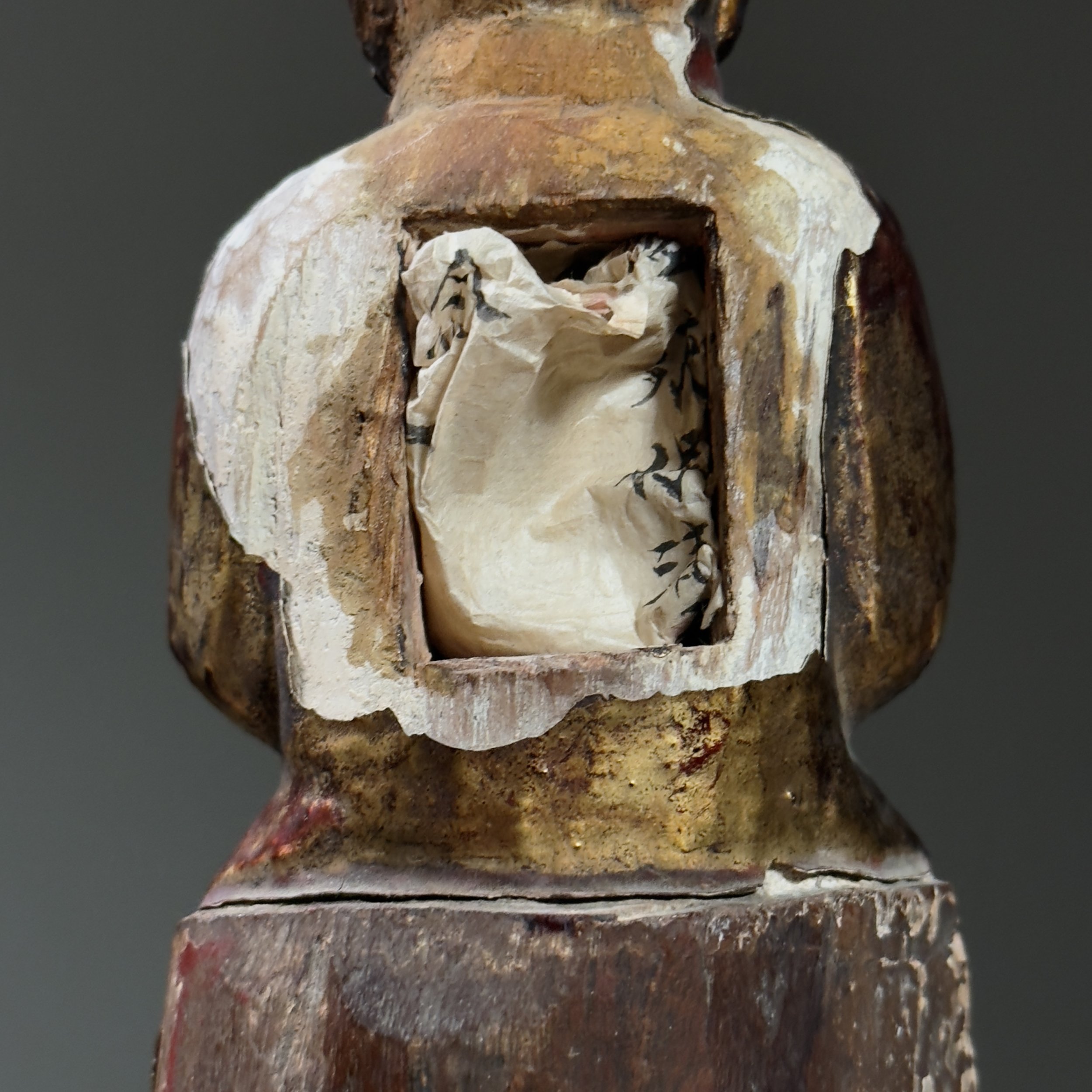
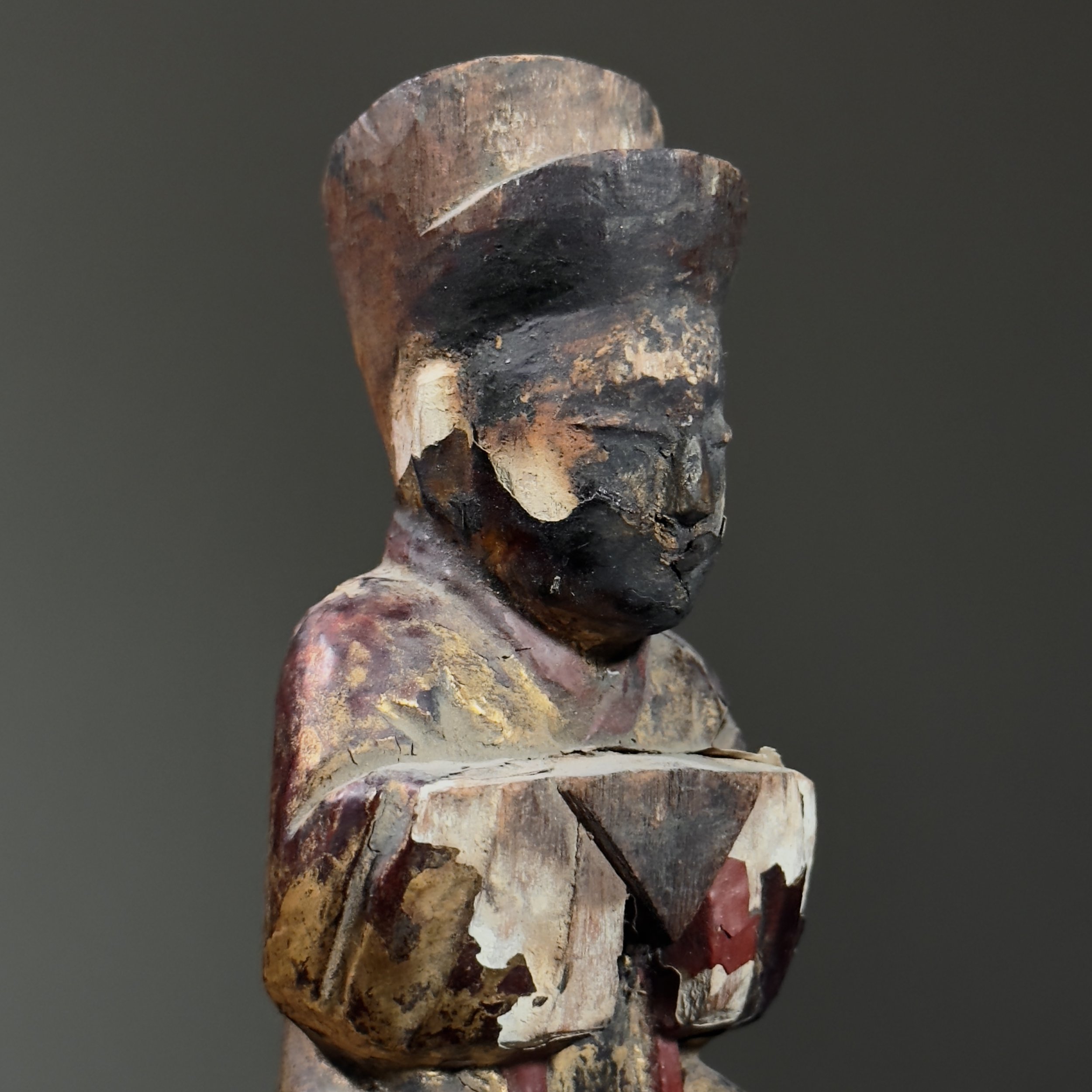
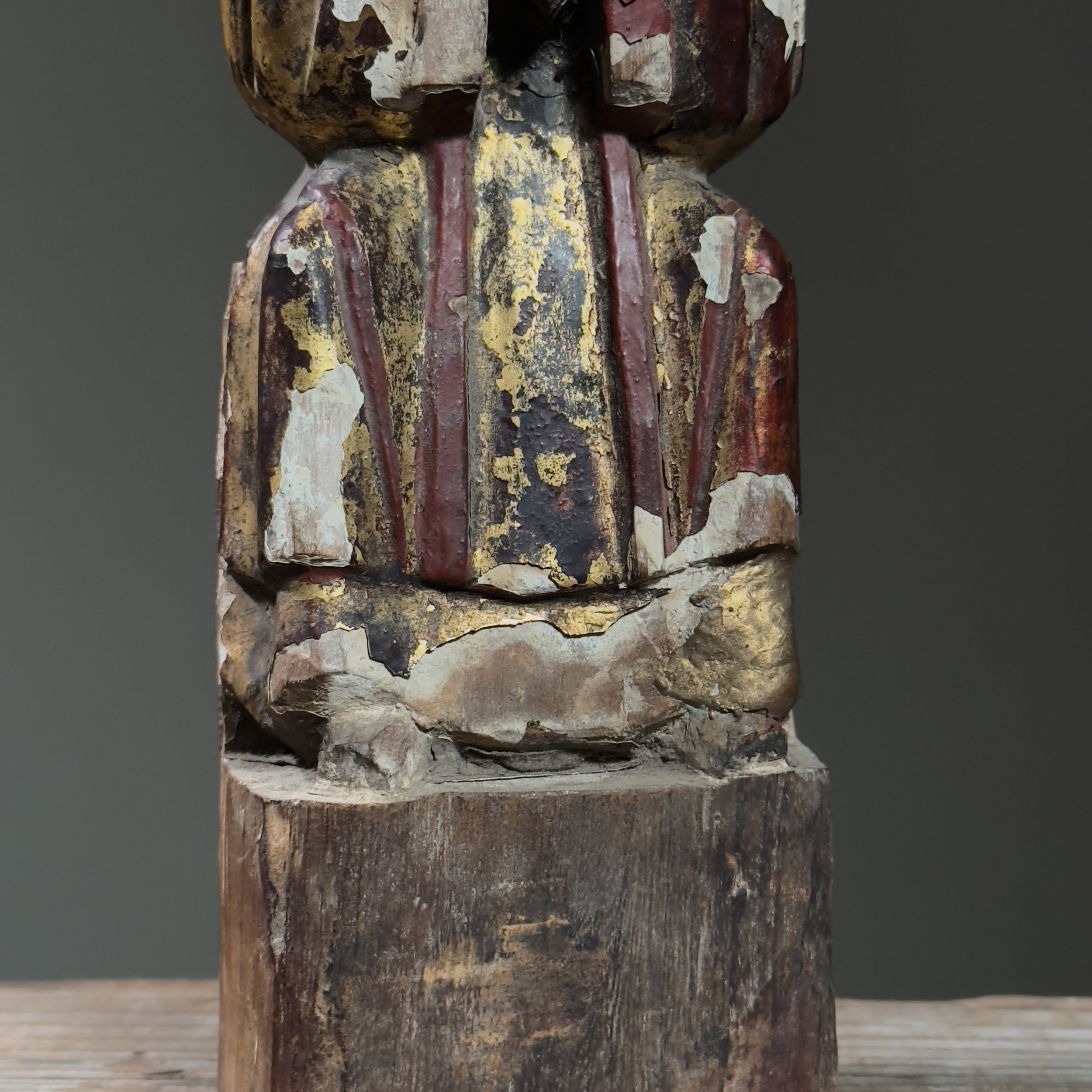
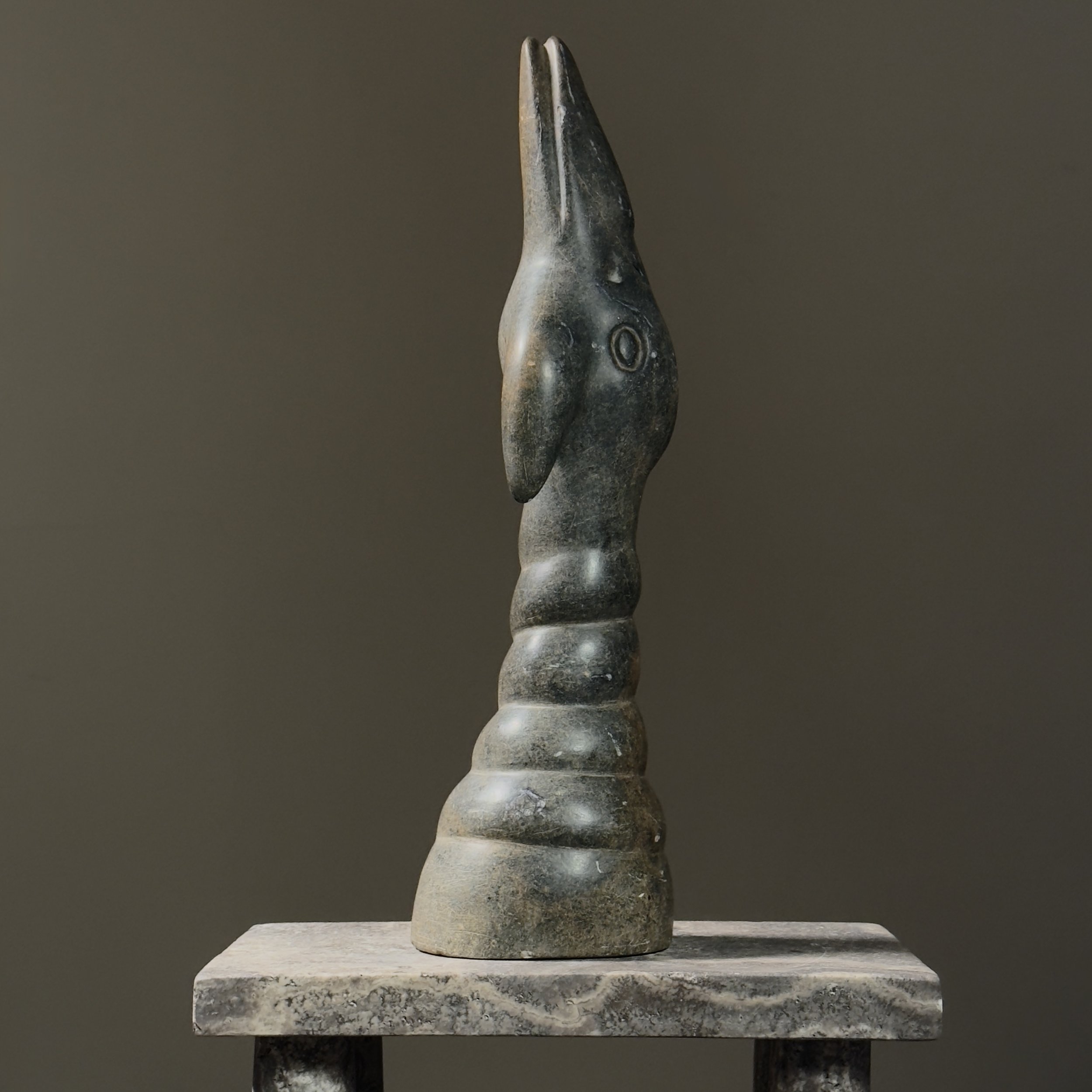
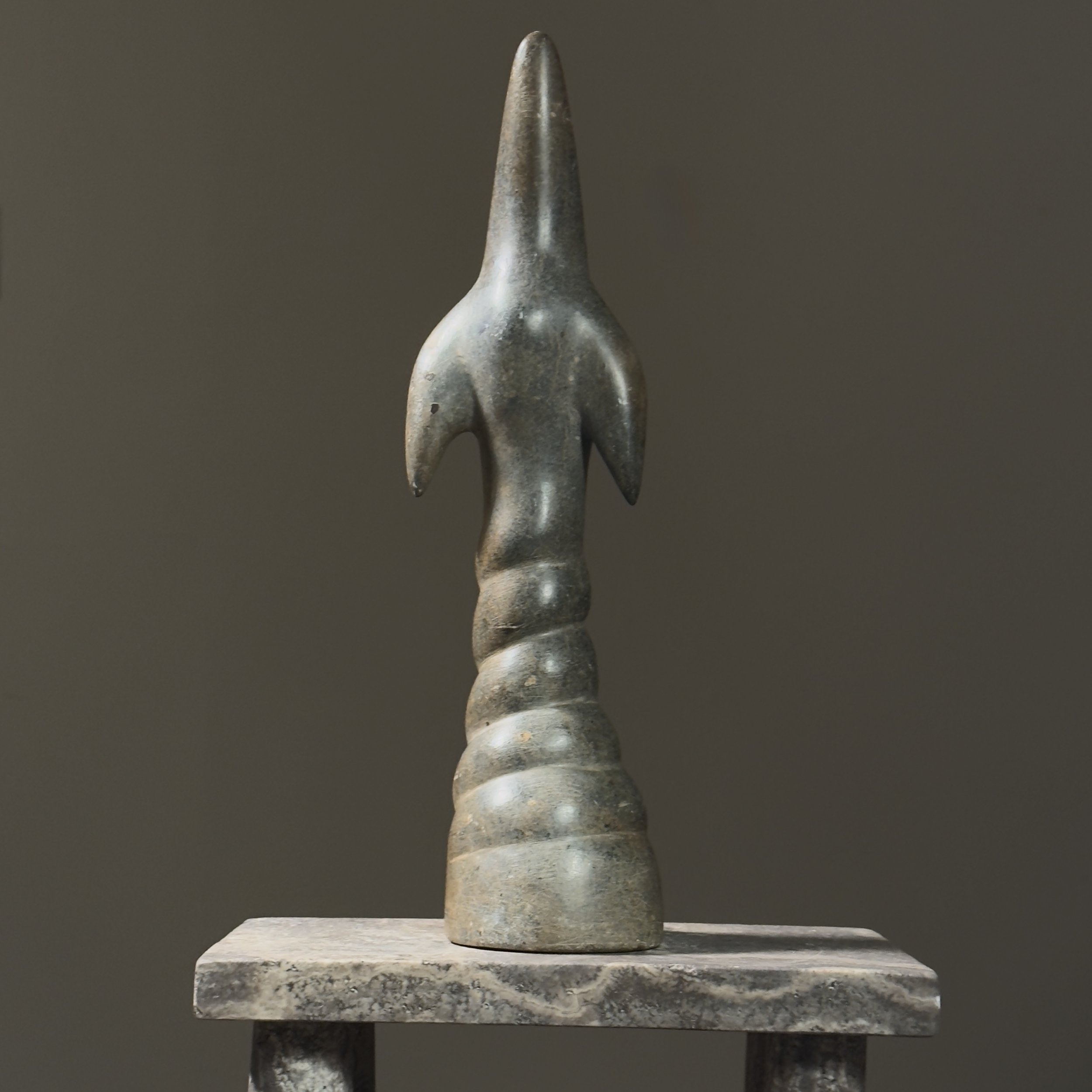
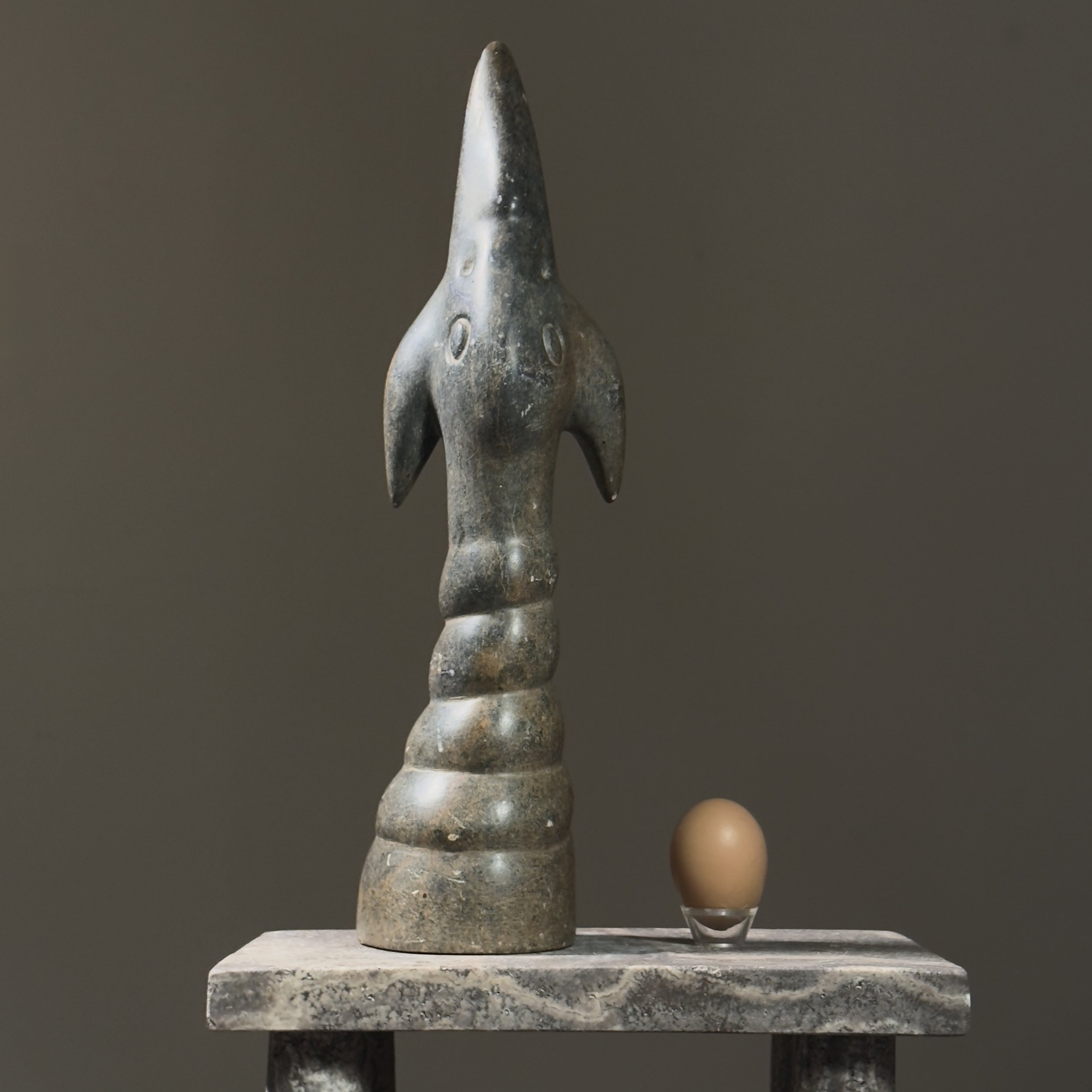
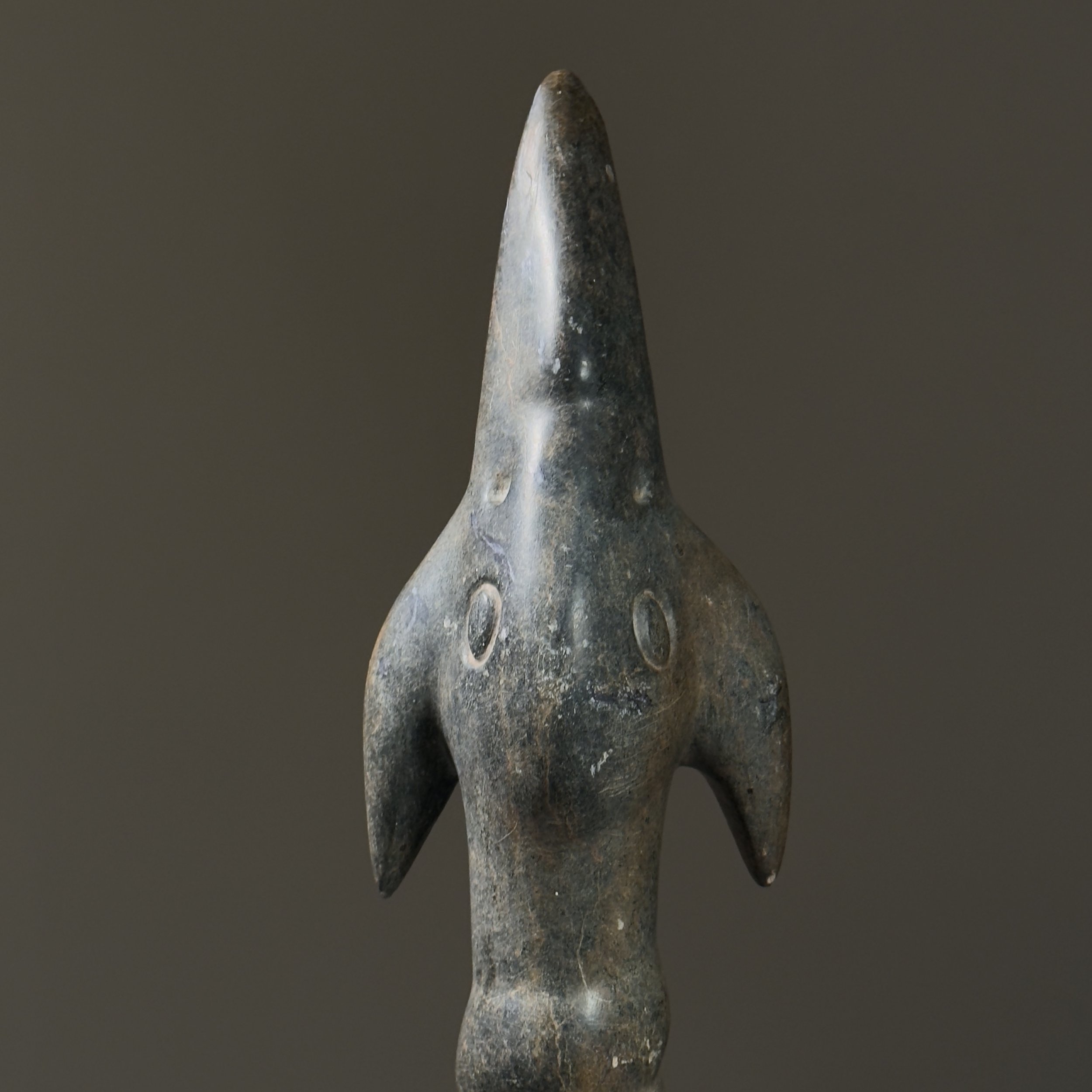
Title: Expressionist Clown Bust
Artist/Maker: Jack Gerber (1927-2021)
Date: Vintage, mid-to-late 20th century
Medium: Clay, polychrome paint
Technique: Hand-modeled, painted
Dimensions: Height: 19.7 cm (7.75 in), Width: 13.3 cm (5.25 in), Depth: 10.8 cm (4.25 in)
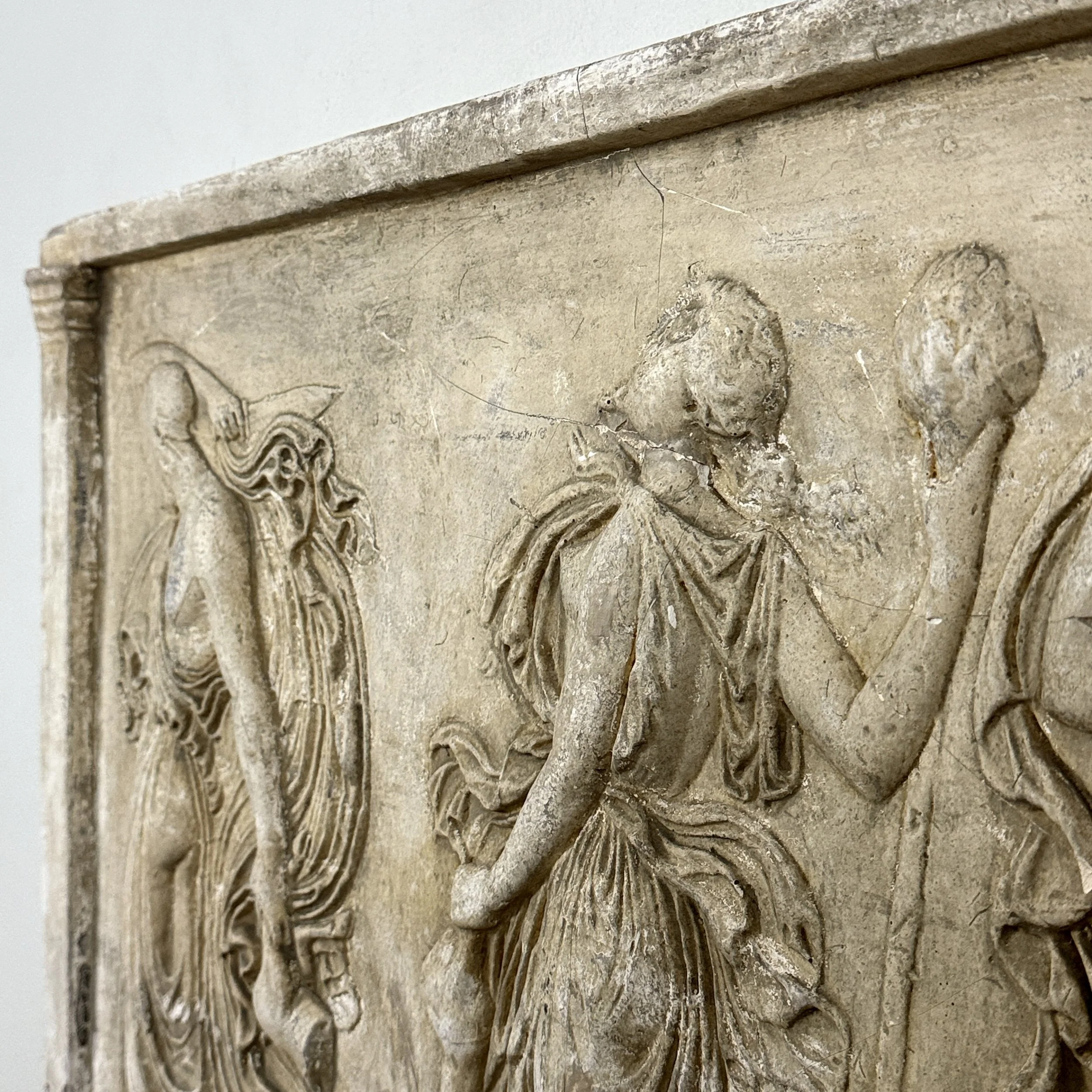
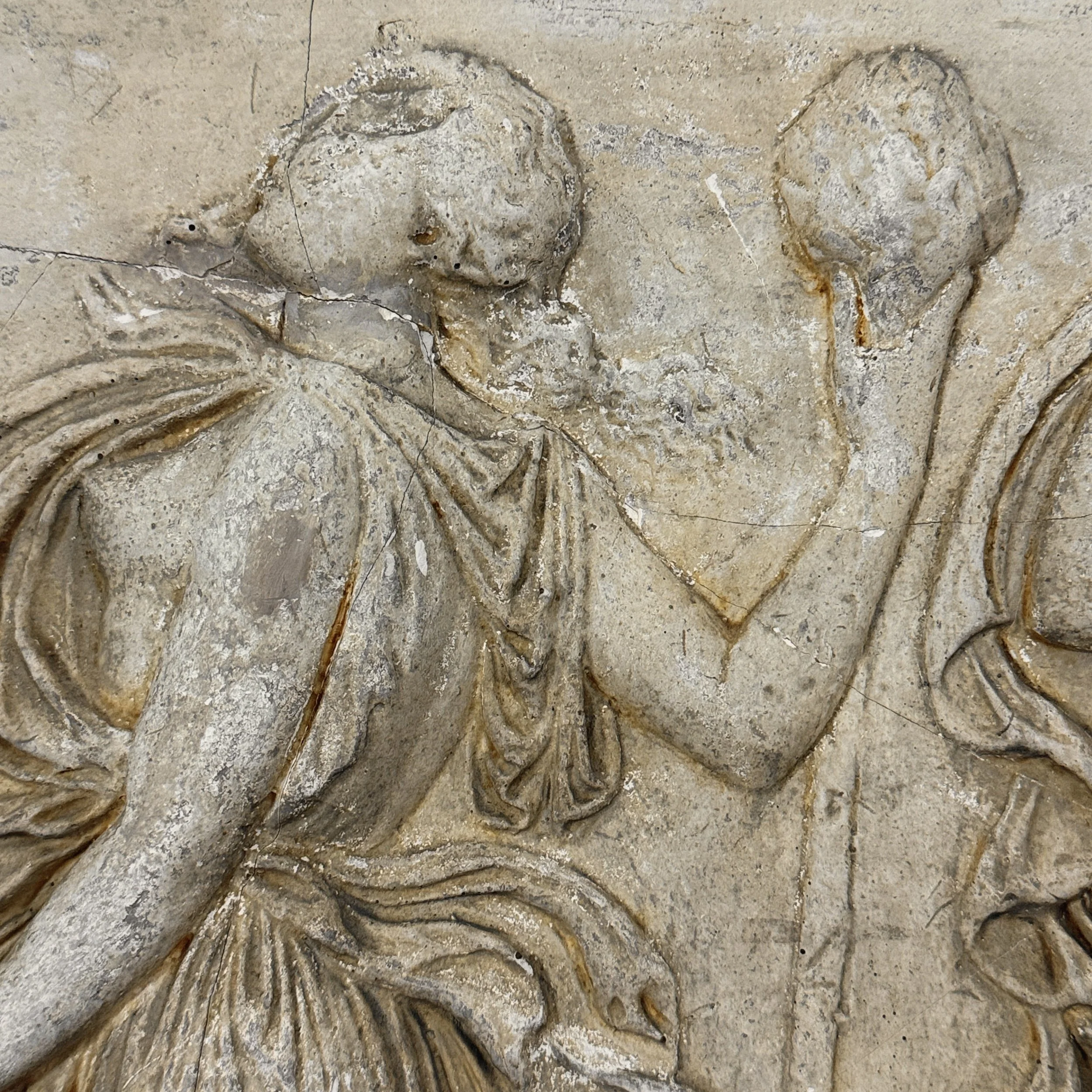
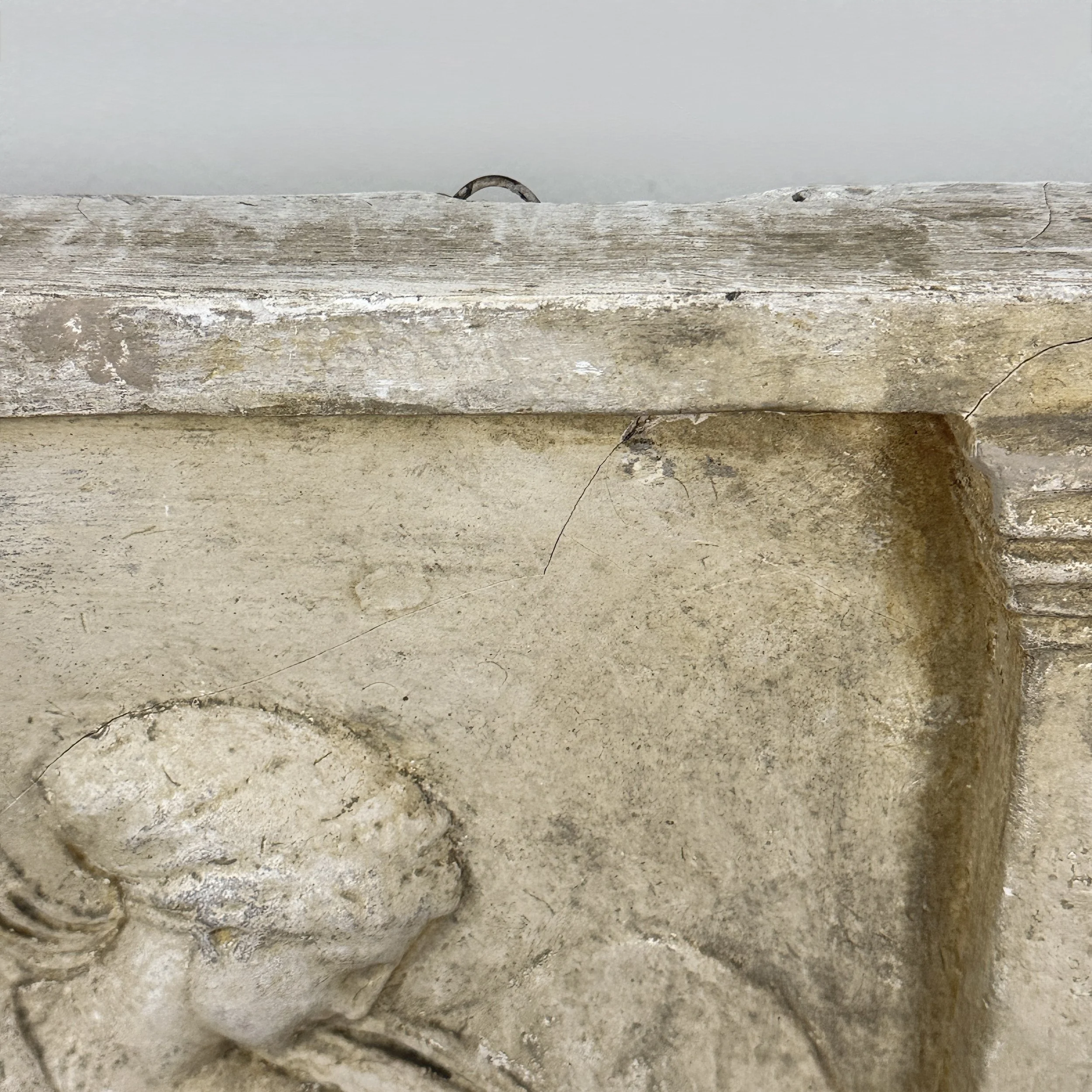
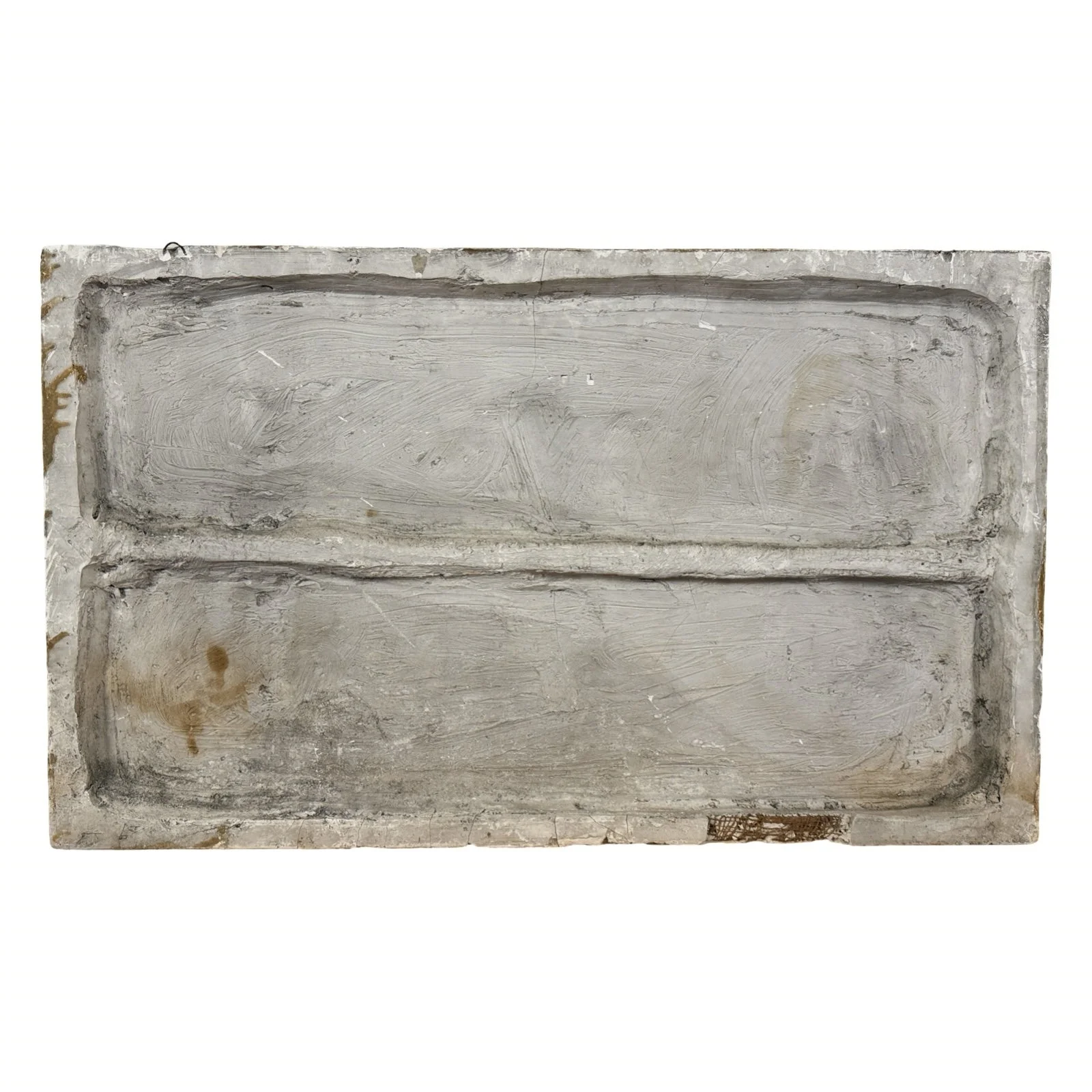
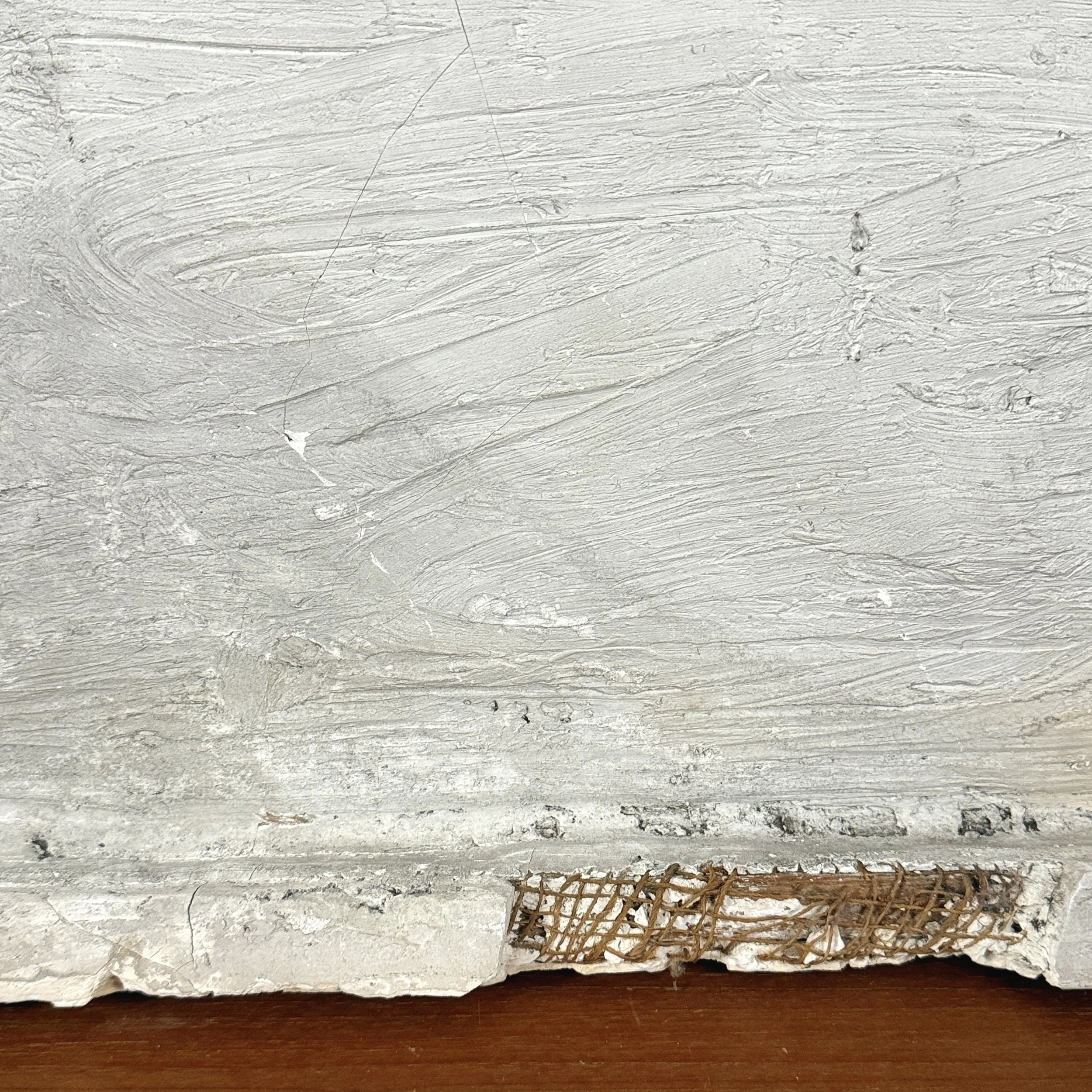
Condition: Good; wear consistent with age. See photographs for detailed condition.
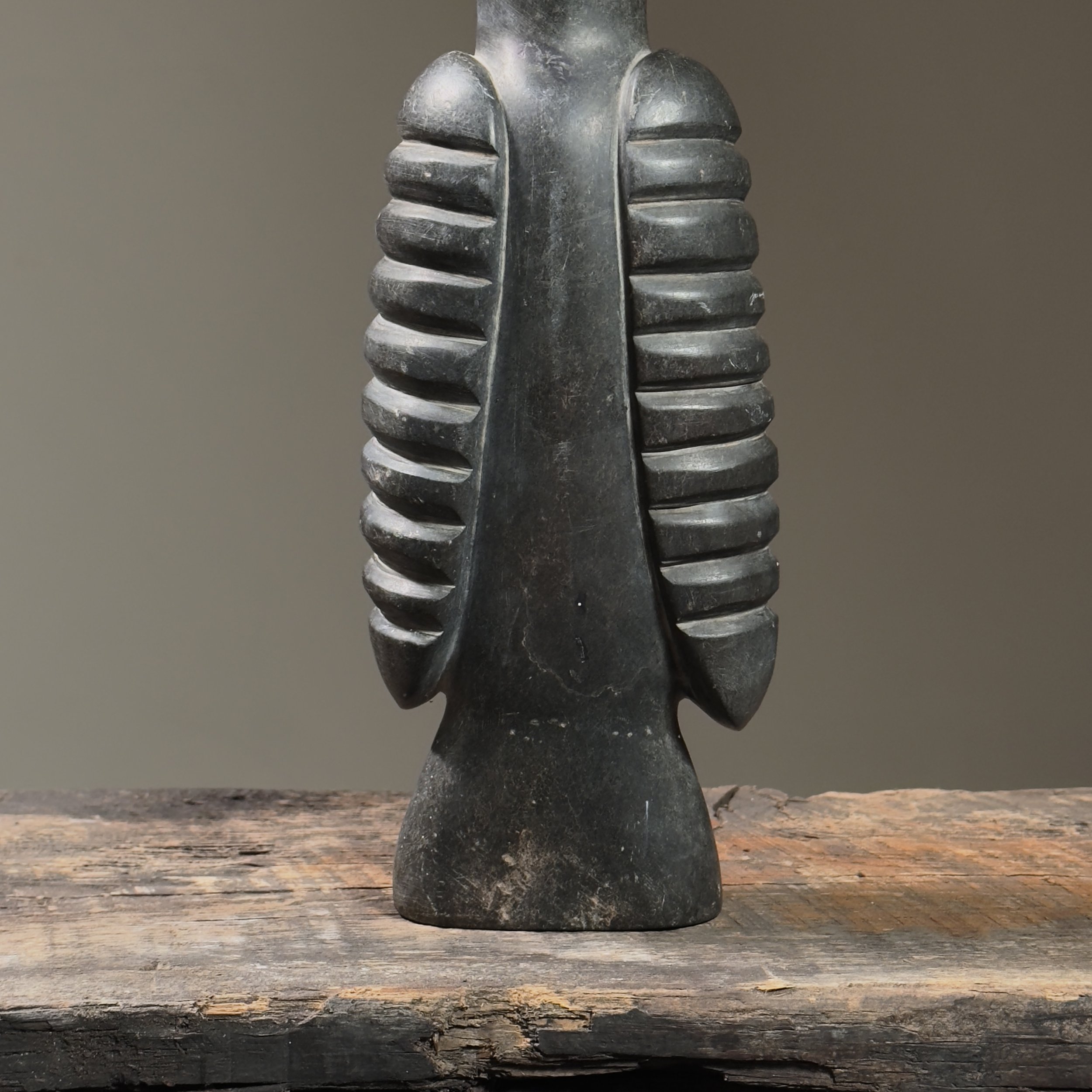
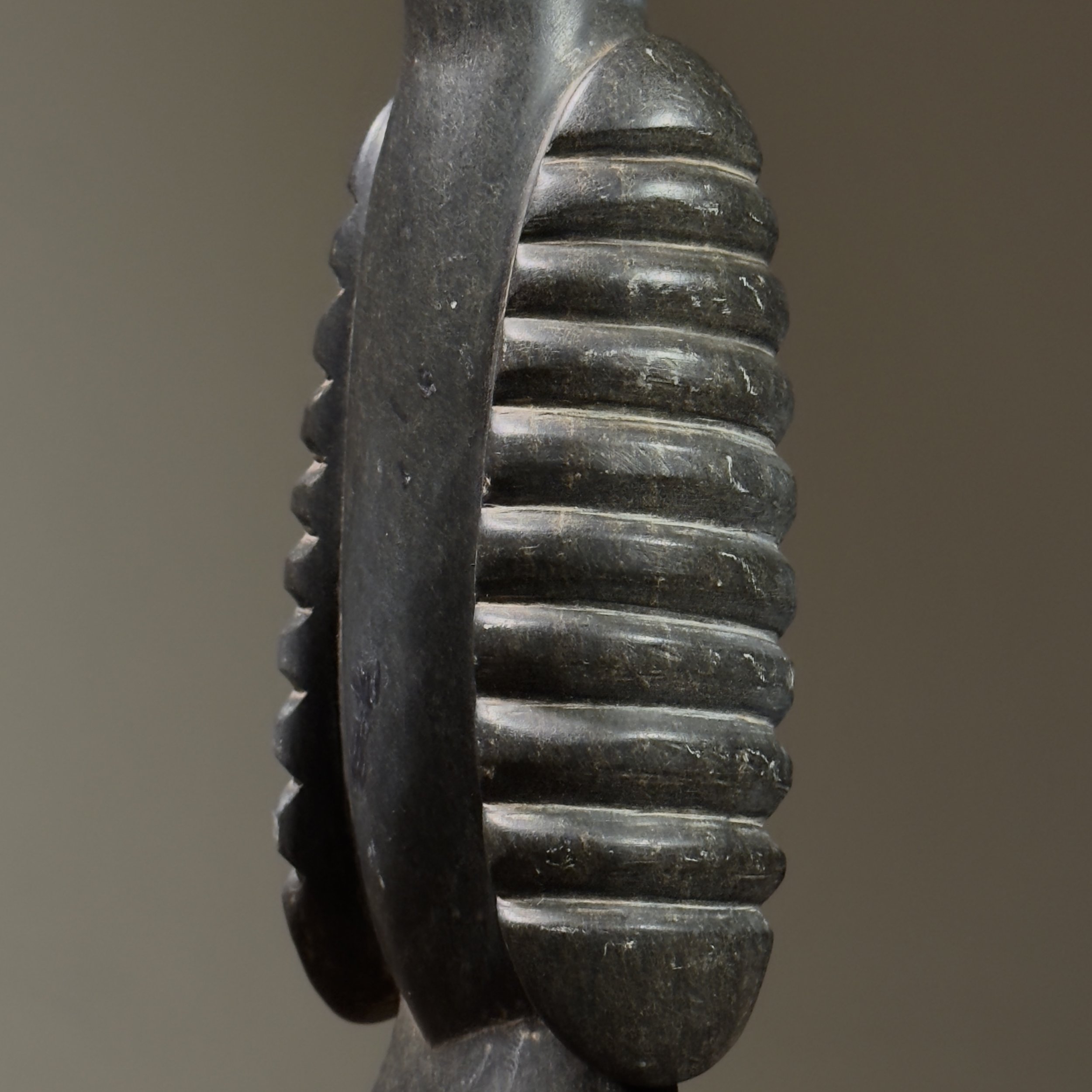
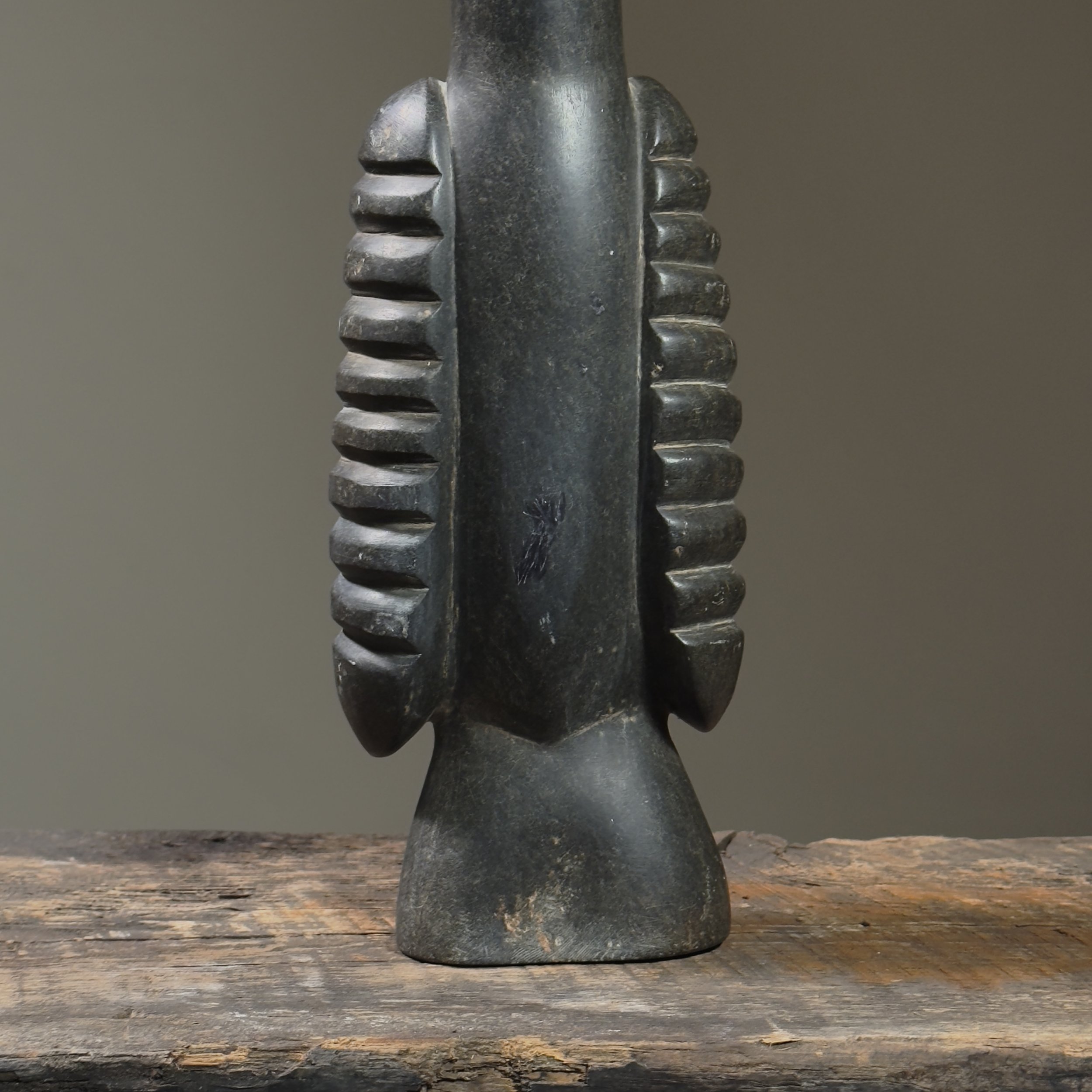
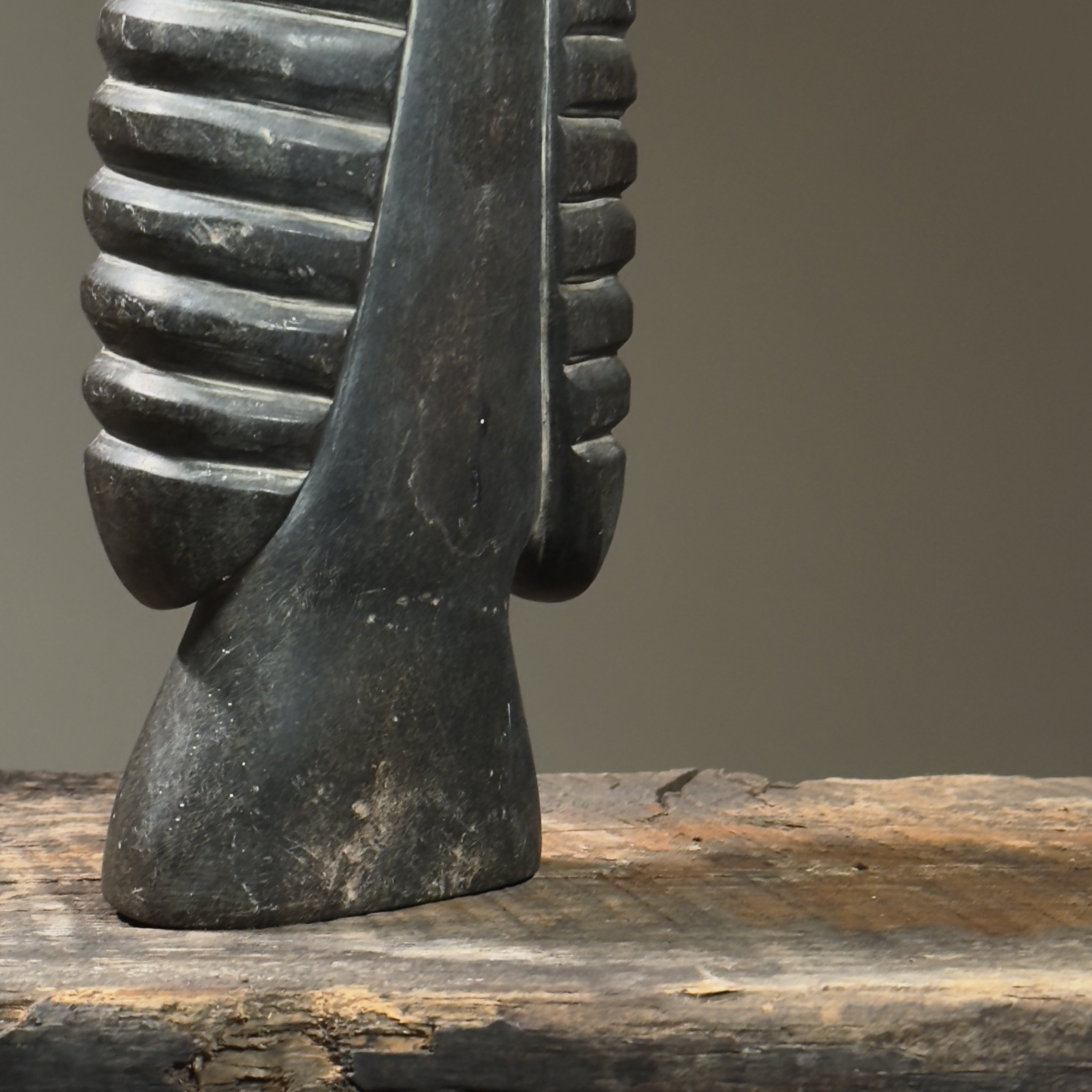
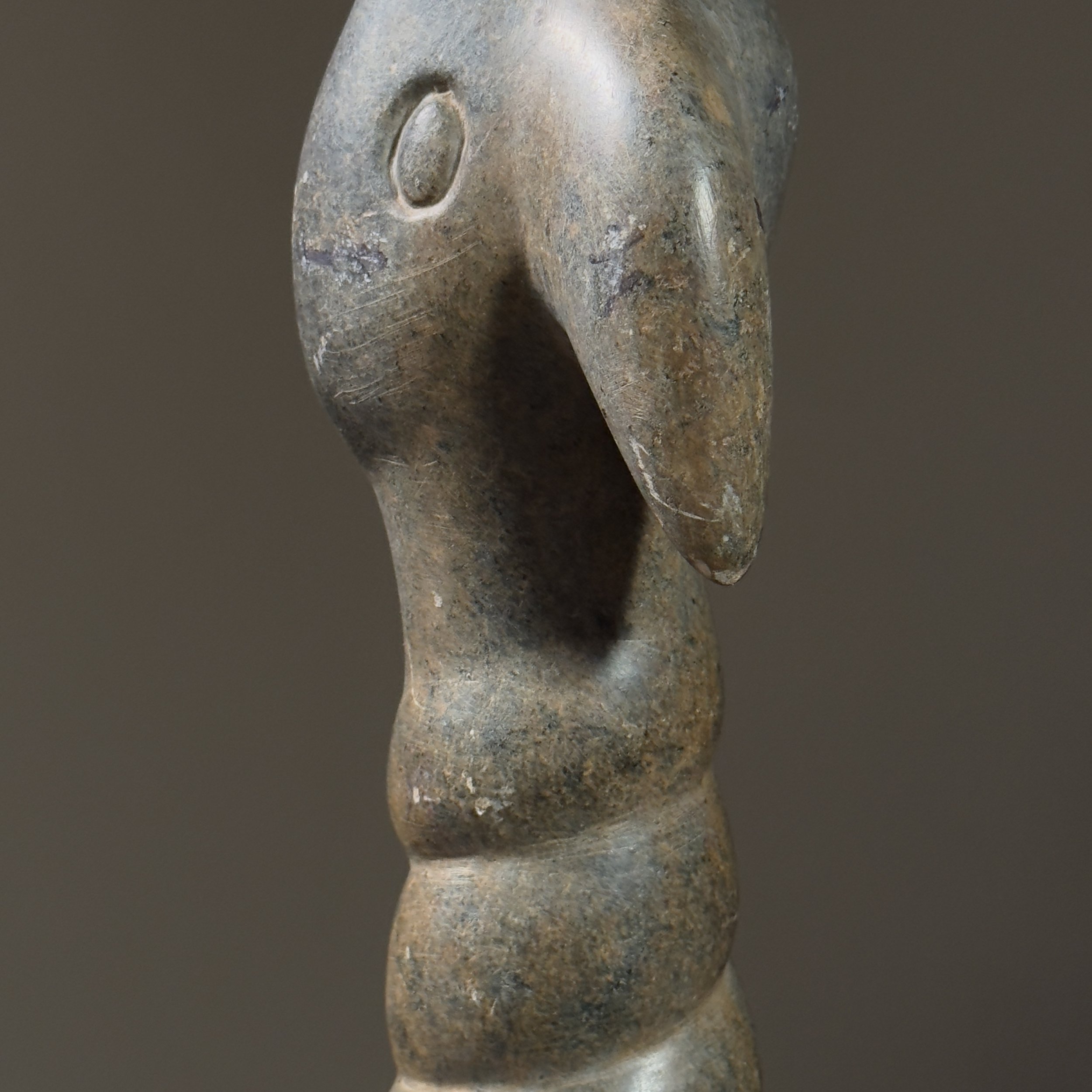
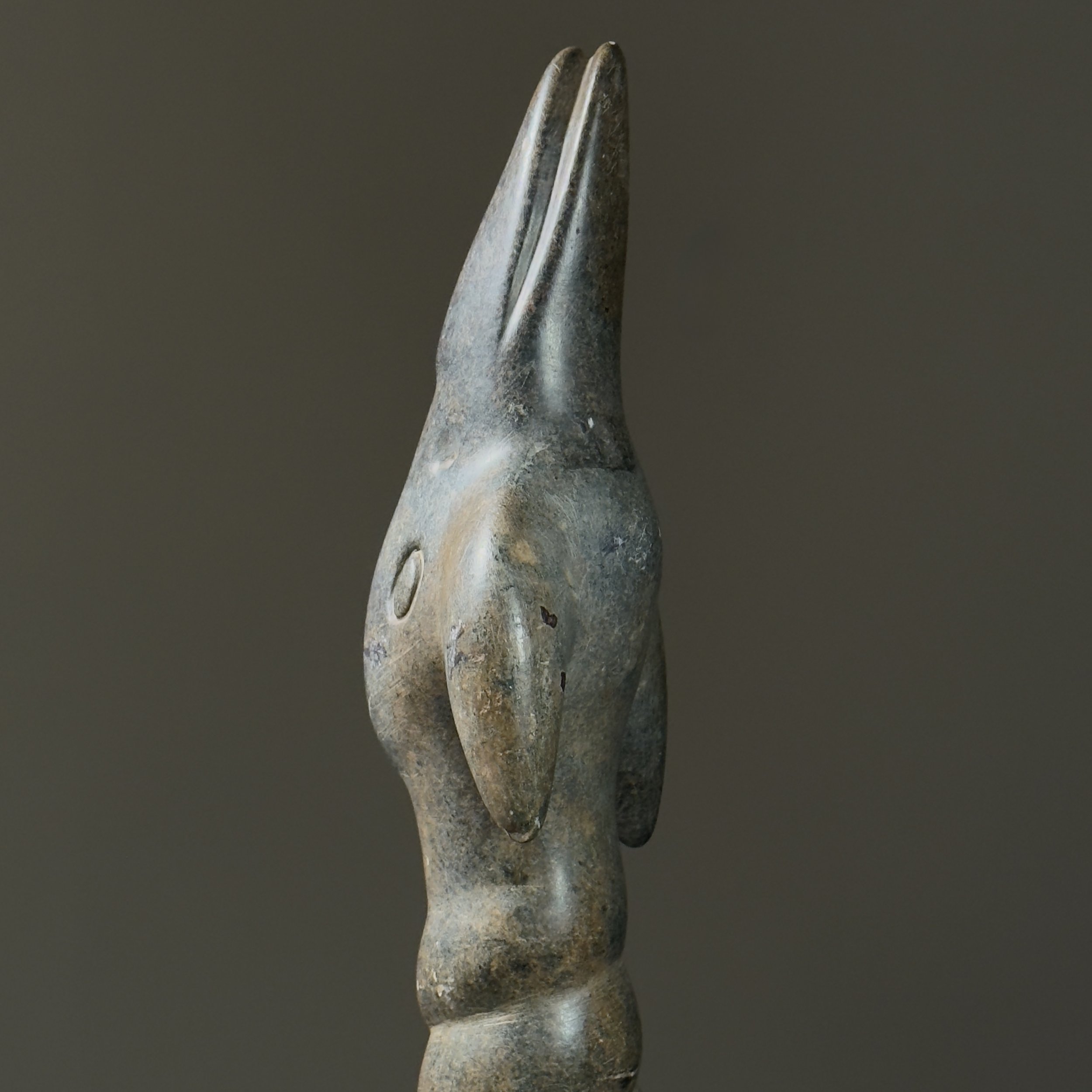
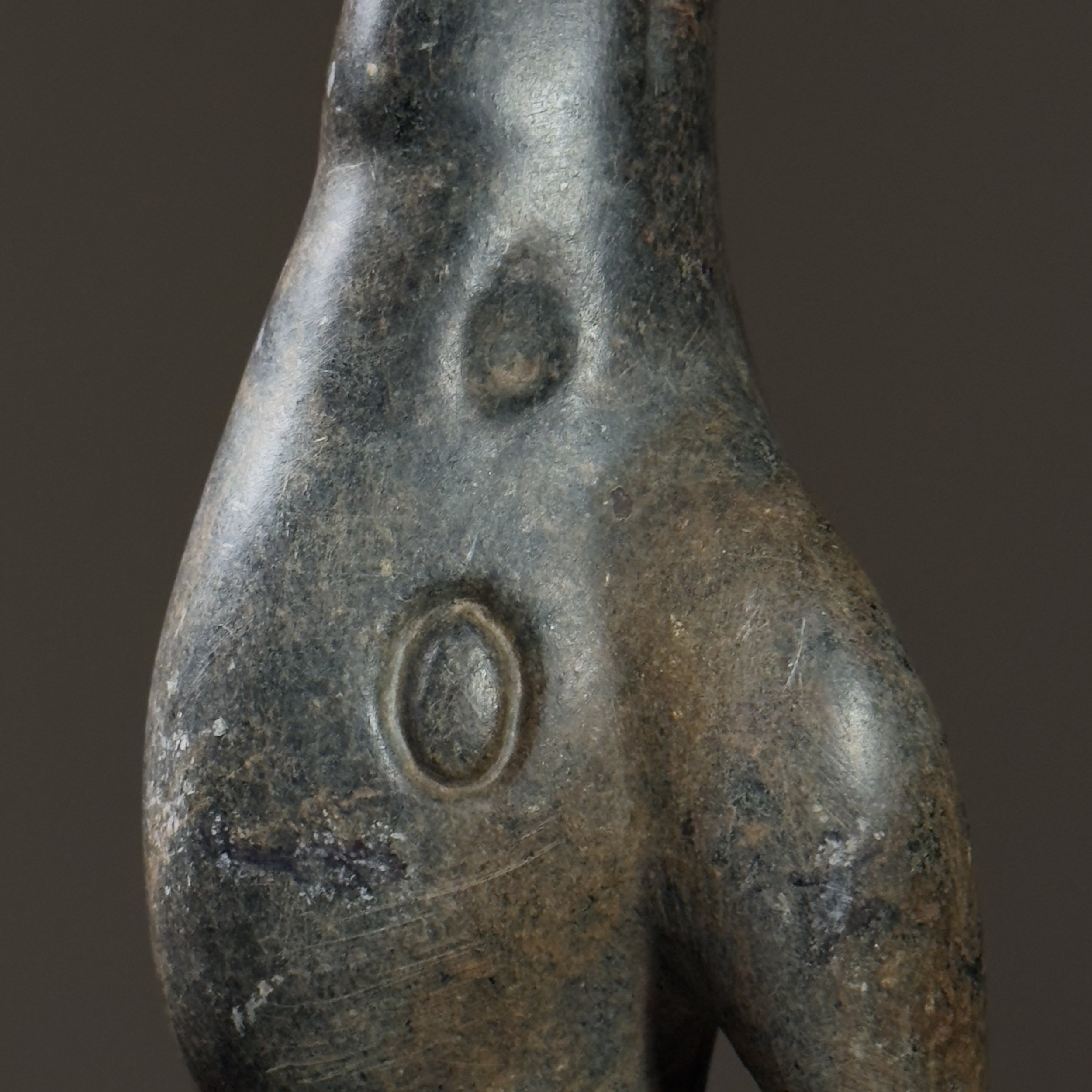
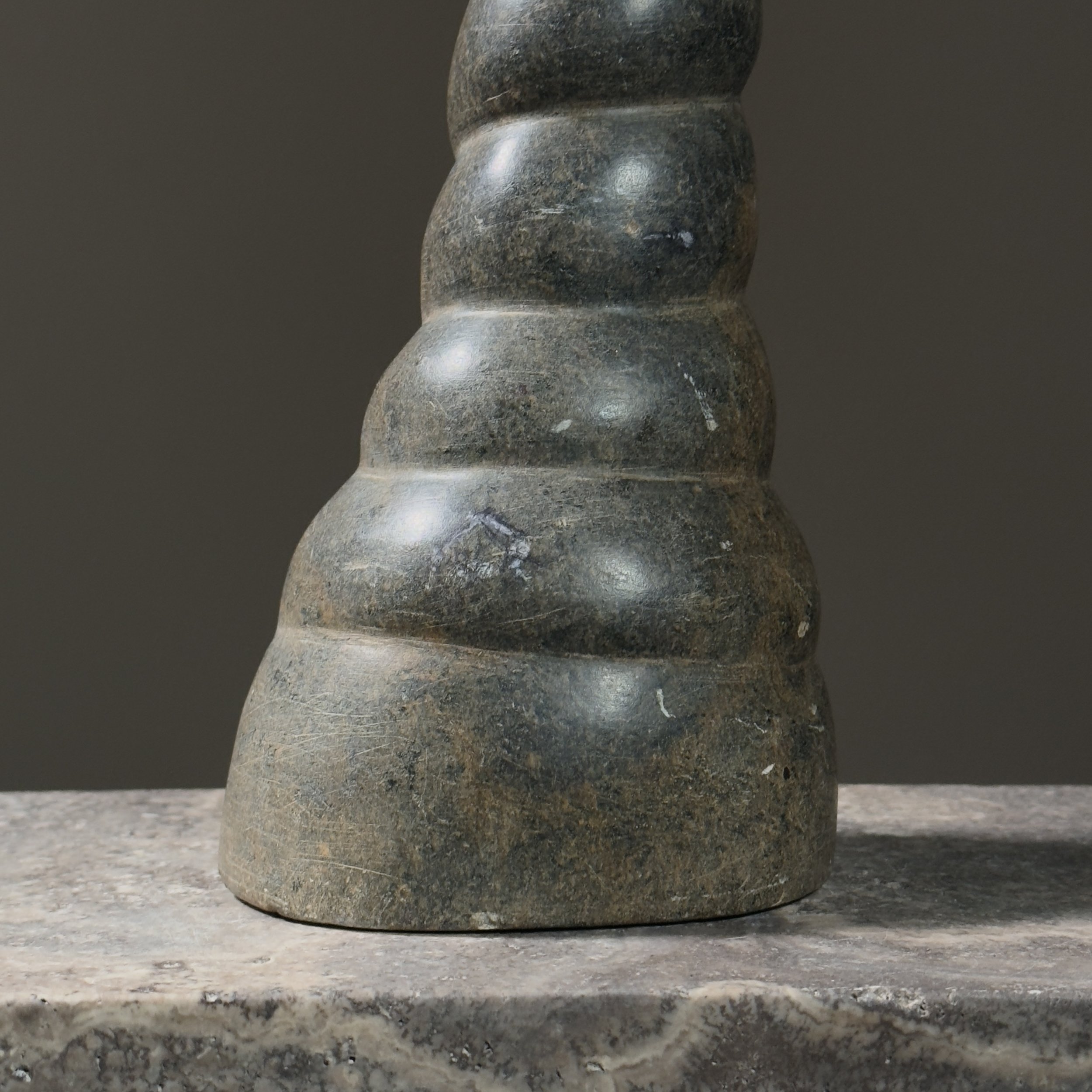
A vintage expressionist polychrome plaster bust depicting a clown, executed by American artist Jack Gerber (1927-2021). The work is rendered in clay with polychrome surface glazes. The artist's signature appears on the sculpture. The object remains in good condition with wear consistent with age. Please refer to photos for details
Artist Biography: Jack Gerber (1927-2021)
Early Life and Education
Jack Gerber was born May 19, 1927, in Philadelphia, Pennsylvania, and grew up near Cobbs Creek Park in West Philadelphia. His grandfather inspired a love of books and intellectualism, while his father, a schoolteacher, encouraged his artistic pursuits as a teenager. He studied at the Fleisher Art Memorial as a youth and worked in watercolors with Filomena Dellaripa, painting with Maxim Gottlieb, and sculpture with Marcus Aurelius Renzetti.
After serving in the Navy during World War II, Gerber returned to Philadelphia and used a scholarship to enroll at the School of Industrial Art (now the University of the Arts). Restless there, he dropped out after a year and spent the next four years at the Pennsylvania Academy of the Fine Arts, where he was later awarded a Fellowship. He also studied at the Art Students League in New York and at Woodstock.
Artistic Style and Influences
Gerber's work is characterized by an expressive, figurative style with richly colored figures set within enigmatic, almost theatrical spaces. Critics have praised his "sumptuous colors and patterns" and the way he "fills a canvas" so that every portion becomes "an active and integral component of the composition".
Influenced by German Expressionist Max Beckmann, Gerber's form was described by art critic Anne R. Fabbri as "intensely colored figures in enigmatic spaces that look familiar, but it's not the world we know". The late Edward J. Sozanski, longtime art critic at The Philadelphia Inquirer, wrote that Gerber's paintings "generate an exotic ambience that's both timeless and contemporary".
His work is noted for its "peculiar" technique featuring blocky subjects and Art Deco colors. A review of a 2010 exhibition at Woodmere Art Museum noted that following Gerber's six decades of development from his Self Portrait to his later Leda and the Swanwas "like an abbreviated history of art".
Career and Community Leadership
Gerber worked for 18 years as a graphic designer at Triangle Publications in Philadelphia. His home was filled with his art, with every room dedicated to a different medium: painting, drawing, pastels, washes, and ceramics. He was a great printmaker and even had a press in his basement.
He mounted one-person exhibitions at institutions including Roger LaPelle Gallery (Philadelphia), Pavilion Galleries (Mount Holly, NJ), the Plastic Club (Philadelphia), and the Swedenborg Academy, among others. Gerber also held leadership and juror roles at the Pennsylvania Academy of the Fine Arts, the Philadelphia Water Color Club, and the Philadelphia Sketch Club. He was a member of the Fellowship of the Pennsylvania Academy of the Fine Arts, the Philadelphia Sketch Club, and the Plastic Club.
Gerber died January 14, 2021, at age 93.
Museum Holdings
Gerber's works have been exhibited in and are part of the permanent collections of major institutions, including:
Philadelphia Museum of Art
Woodmere Art Museum
National Academy of Design
Corcoran Gallery
Allentown Art Museum
James A. Michener Art Museum
His works have also appeared in venues such as the Cheltenham Art Center and the Swedenborg Academy . The Woodmere Art Museum holds his works Self Portrait and Leda and the Swan in its collection.
Additionally, his work was shown at the Fellowship of the Pennsylvania Academy of the Fine Arts , the National Academy in New York , and has appeared in numerous one-person exhibitions throughout his career.
Title: Expressionist Clown Bust
Artist/Maker: Jack Gerber (1927-2021)
Date: Vintage, mid-to-late 20th century
Medium: Clay, polychrome paint
Technique: Hand-modeled, painted
Dimensions: Height: 19.7 cm (7.75 in), Width: 13.3 cm (5.25 in), Depth: 10.8 cm (4.25 in)
Condition: Good; wear consistent with age. See photographs for detailed condition.
A vintage expressionist polychrome plaster bust depicting a clown, executed by American artist Jack Gerber (1927-2021). The work is rendered in clay with polychrome surface glazes. The artist's signature appears on the sculpture. The object remains in good condition with wear consistent with age. Please refer to photos for details
Artist Biography: Jack Gerber (1927-2021)
Early Life and Education
Jack Gerber was born May 19, 1927, in Philadelphia, Pennsylvania, and grew up near Cobbs Creek Park in West Philadelphia. His grandfather inspired a love of books and intellectualism, while his father, a schoolteacher, encouraged his artistic pursuits as a teenager. He studied at the Fleisher Art Memorial as a youth and worked in watercolors with Filomena Dellaripa, painting with Maxim Gottlieb, and sculpture with Marcus Aurelius Renzetti.
After serving in the Navy during World War II, Gerber returned to Philadelphia and used a scholarship to enroll at the School of Industrial Art (now the University of the Arts). Restless there, he dropped out after a year and spent the next four years at the Pennsylvania Academy of the Fine Arts, where he was later awarded a Fellowship. He also studied at the Art Students League in New York and at Woodstock.
Artistic Style and Influences
Gerber's work is characterized by an expressive, figurative style with richly colored figures set within enigmatic, almost theatrical spaces. Critics have praised his "sumptuous colors and patterns" and the way he "fills a canvas" so that every portion becomes "an active and integral component of the composition".
Influenced by German Expressionist Max Beckmann, Gerber's form was described by art critic Anne R. Fabbri as "intensely colored figures in enigmatic spaces that look familiar, but it's not the world we know". The late Edward J. Sozanski, longtime art critic at The Philadelphia Inquirer, wrote that Gerber's paintings "generate an exotic ambience that's both timeless and contemporary".
His work is noted for its "peculiar" technique featuring blocky subjects and Art Deco colors. A review of a 2010 exhibition at Woodmere Art Museum noted that following Gerber's six decades of development from his Self Portrait to his later Leda and the Swanwas "like an abbreviated history of art".
Career and Community Leadership
Gerber worked for 18 years as a graphic designer at Triangle Publications in Philadelphia. His home was filled with his art, with every room dedicated to a different medium: painting, drawing, pastels, washes, and ceramics. He was a great printmaker and even had a press in his basement.
He mounted one-person exhibitions at institutions including Roger LaPelle Gallery (Philadelphia), Pavilion Galleries (Mount Holly, NJ), the Plastic Club (Philadelphia), and the Swedenborg Academy, among others. Gerber also held leadership and juror roles at the Pennsylvania Academy of the Fine Arts, the Philadelphia Water Color Club, and the Philadelphia Sketch Club. He was a member of the Fellowship of the Pennsylvania Academy of the Fine Arts, the Philadelphia Sketch Club, and the Plastic Club.
Gerber died January 14, 2021, at age 93.
Museum Holdings
Gerber's works have been exhibited in and are part of the permanent collections of major institutions, including:
Philadelphia Museum of Art
Woodmere Art Museum
National Academy of Design
Corcoran Gallery
Allentown Art Museum
James A. Michener Art Museum
His works have also appeared in venues such as the Cheltenham Art Center and the Swedenborg Academy . The Woodmere Art Museum holds his works Self Portrait and Leda and the Swan in its collection.
Additionally, his work was shown at the Fellowship of the Pennsylvania Academy of the Fine Arts , the National Academy in New York , and has appeared in numerous one-person exhibitions throughout his career.

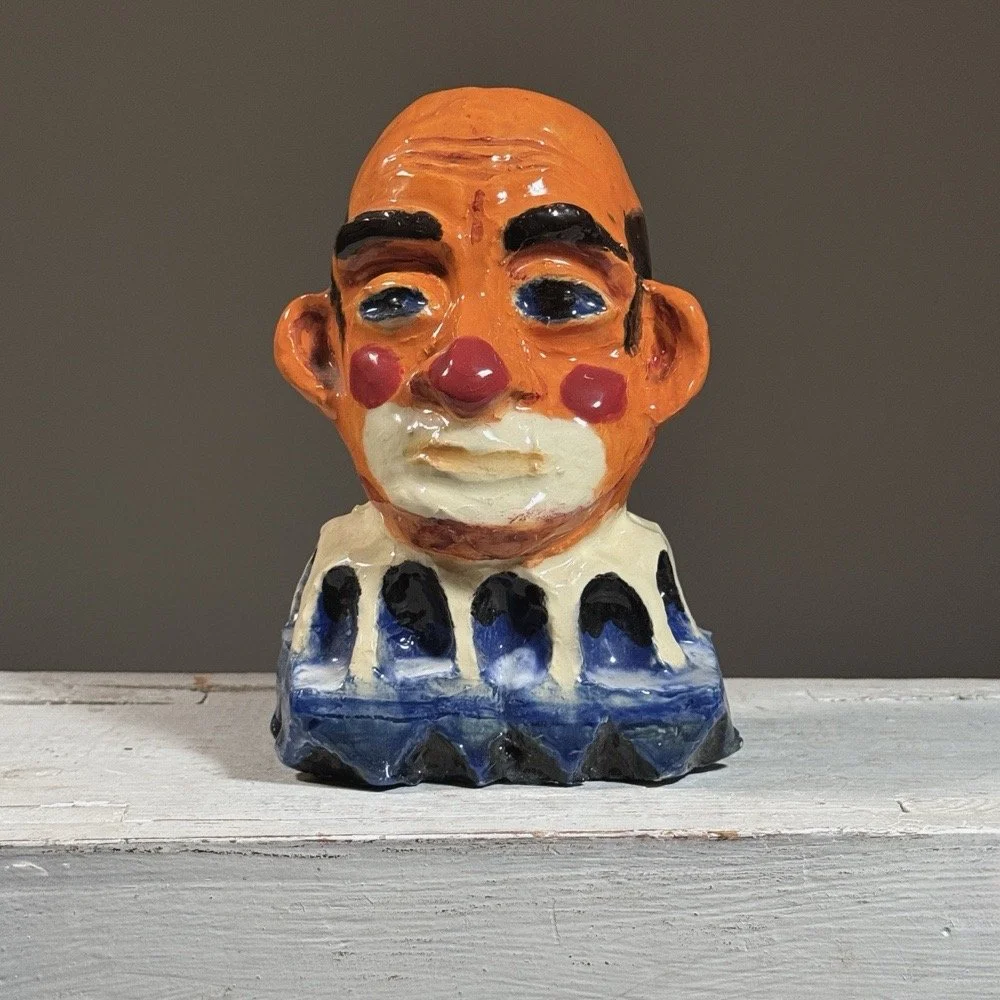 Image 1 of 8
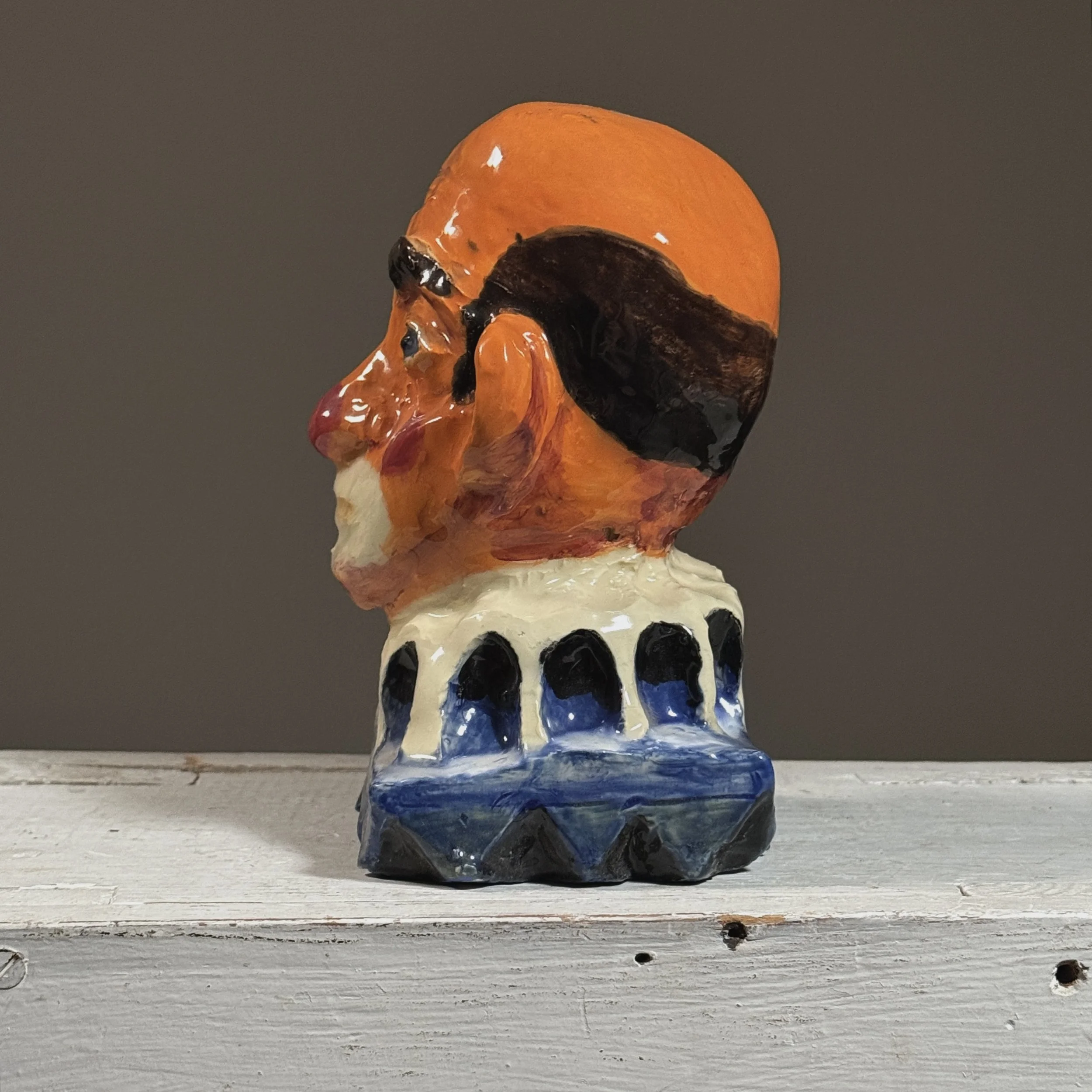 Image 2 of 8
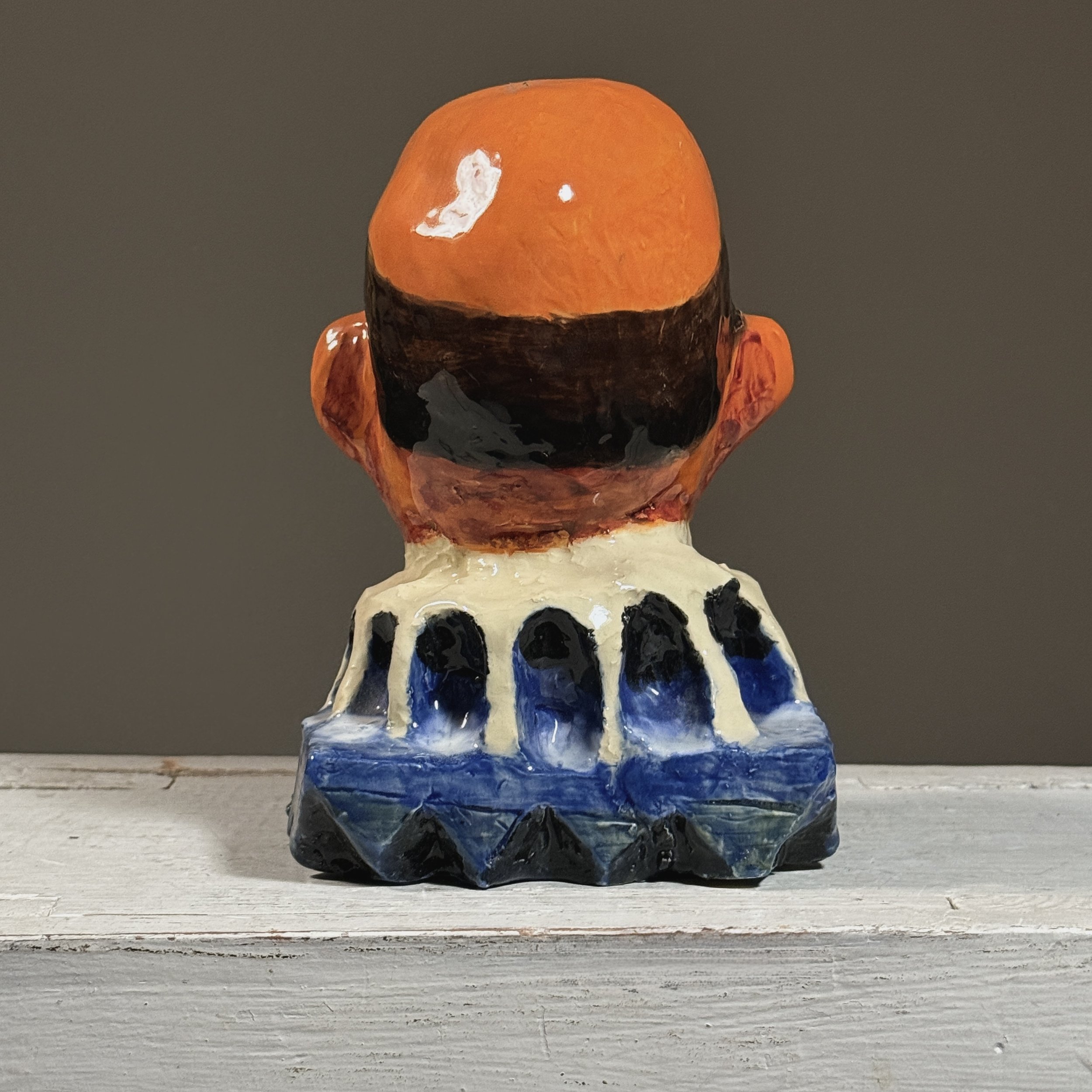 Image 3 of 8
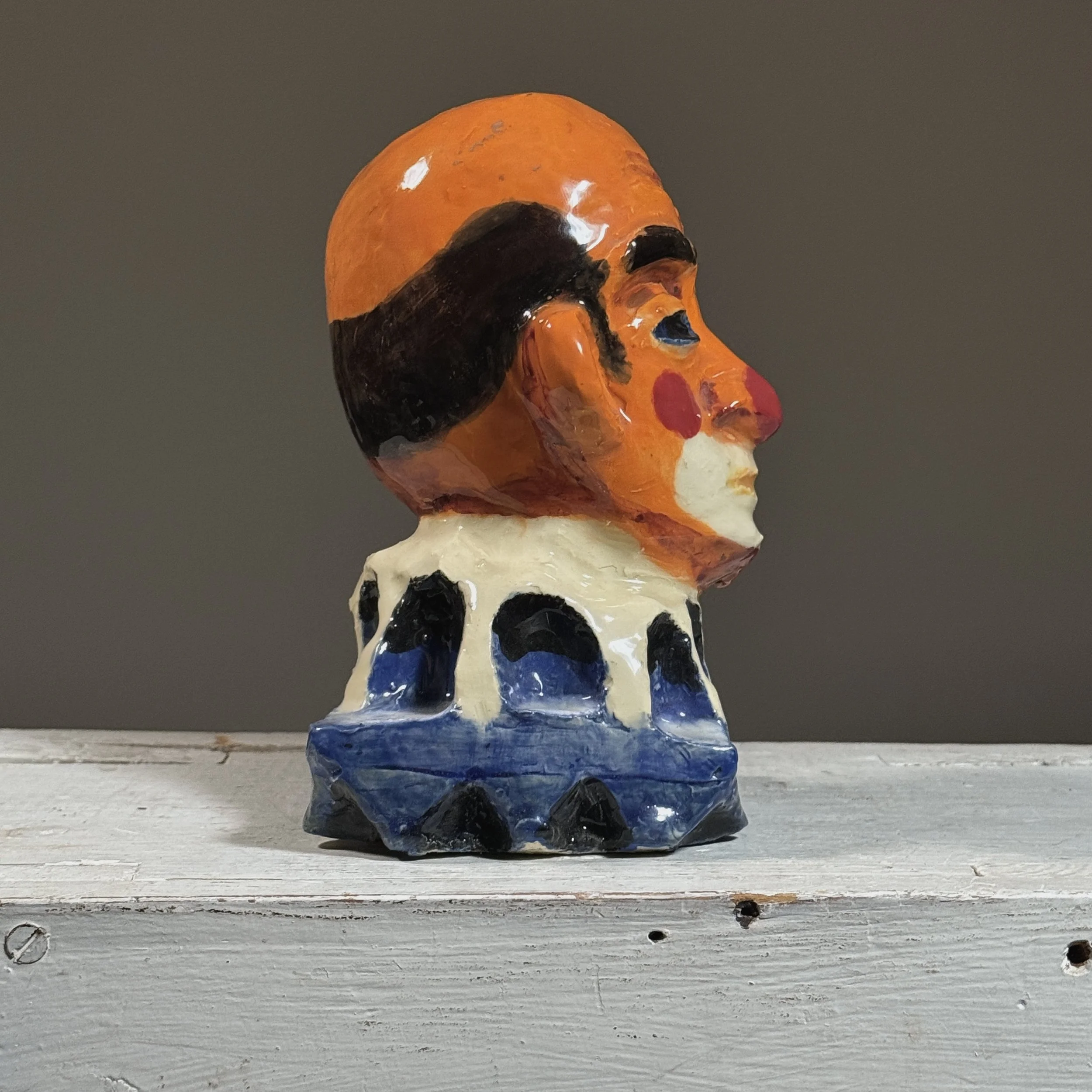 Image 4 of 8
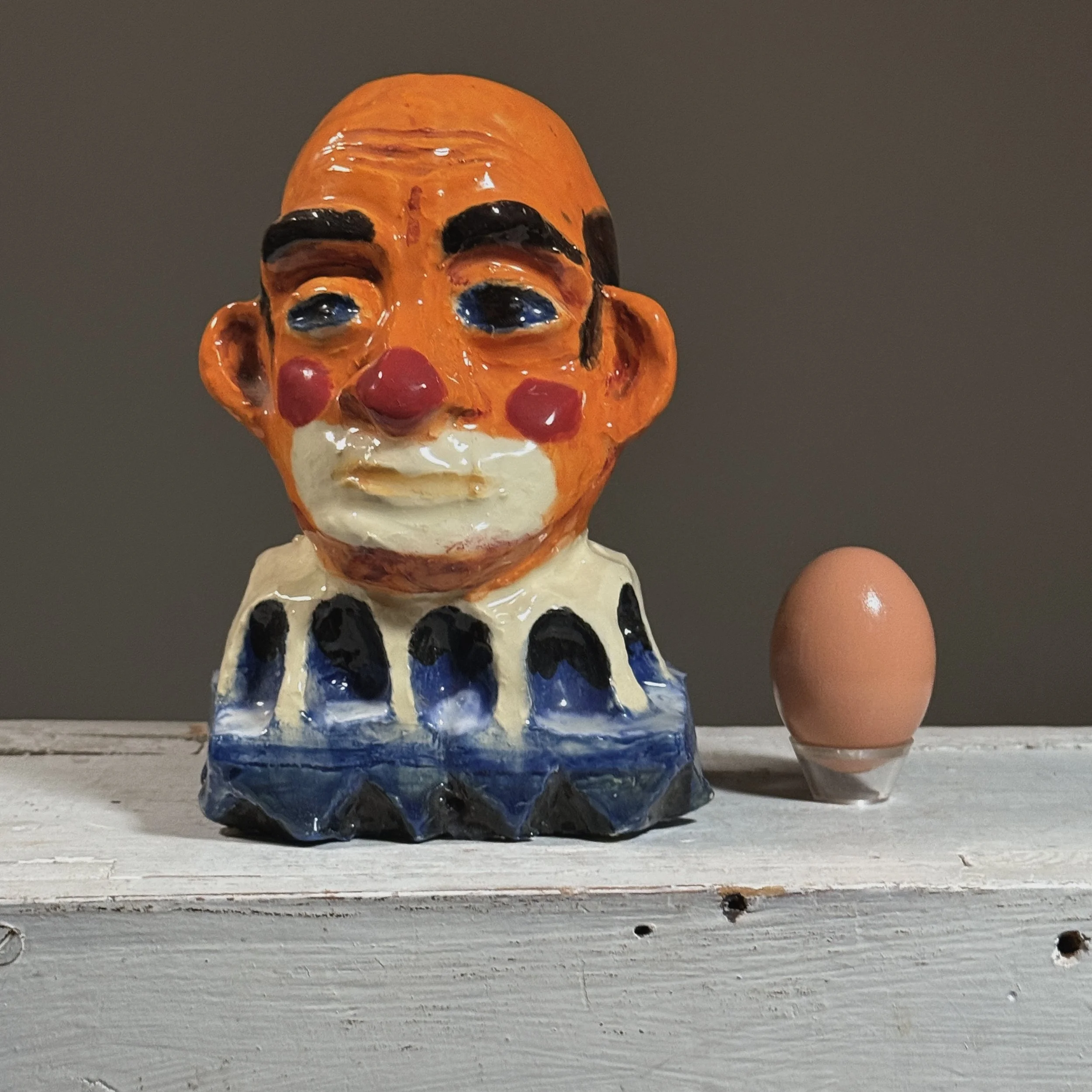 Image 5 of 8
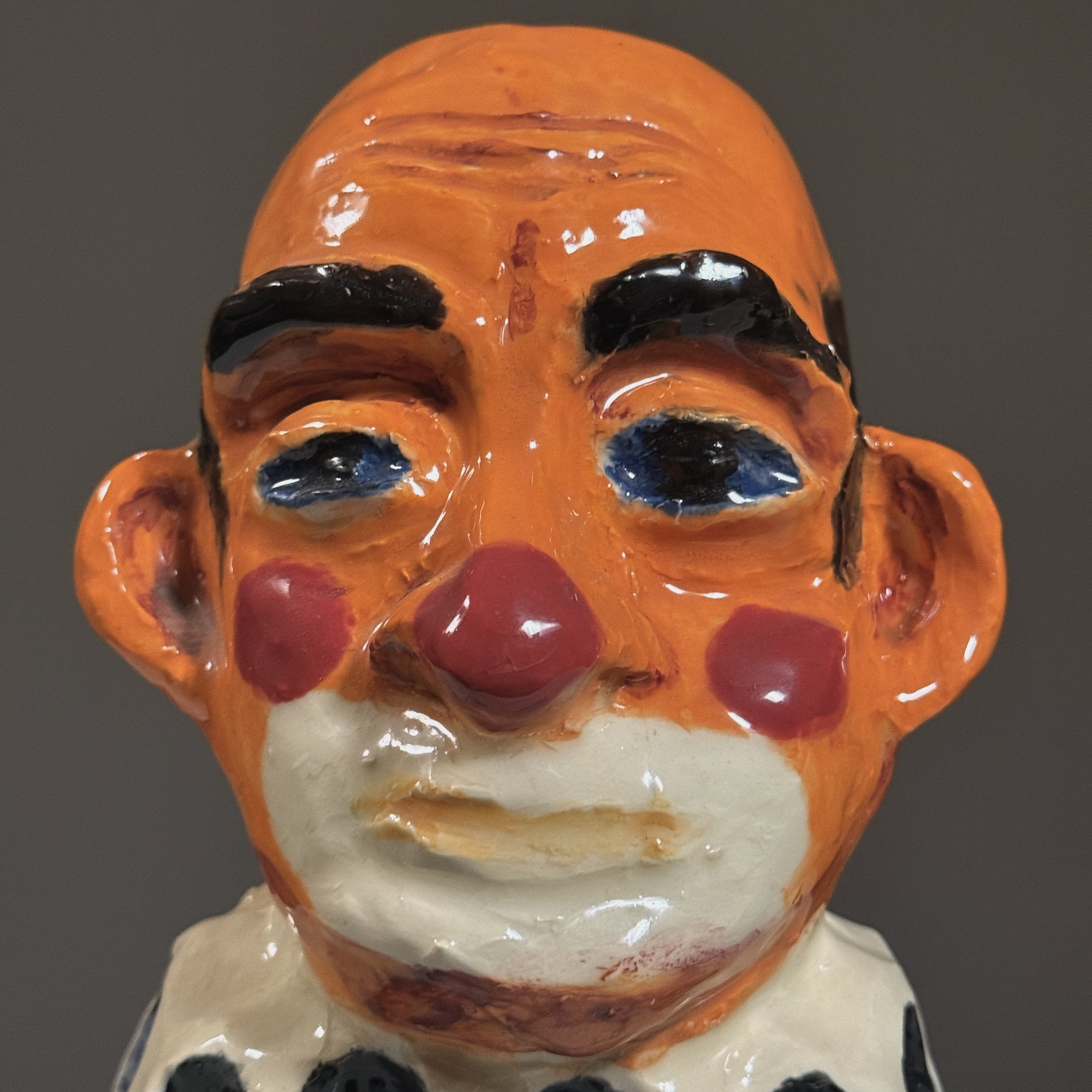 Image 6 of 8
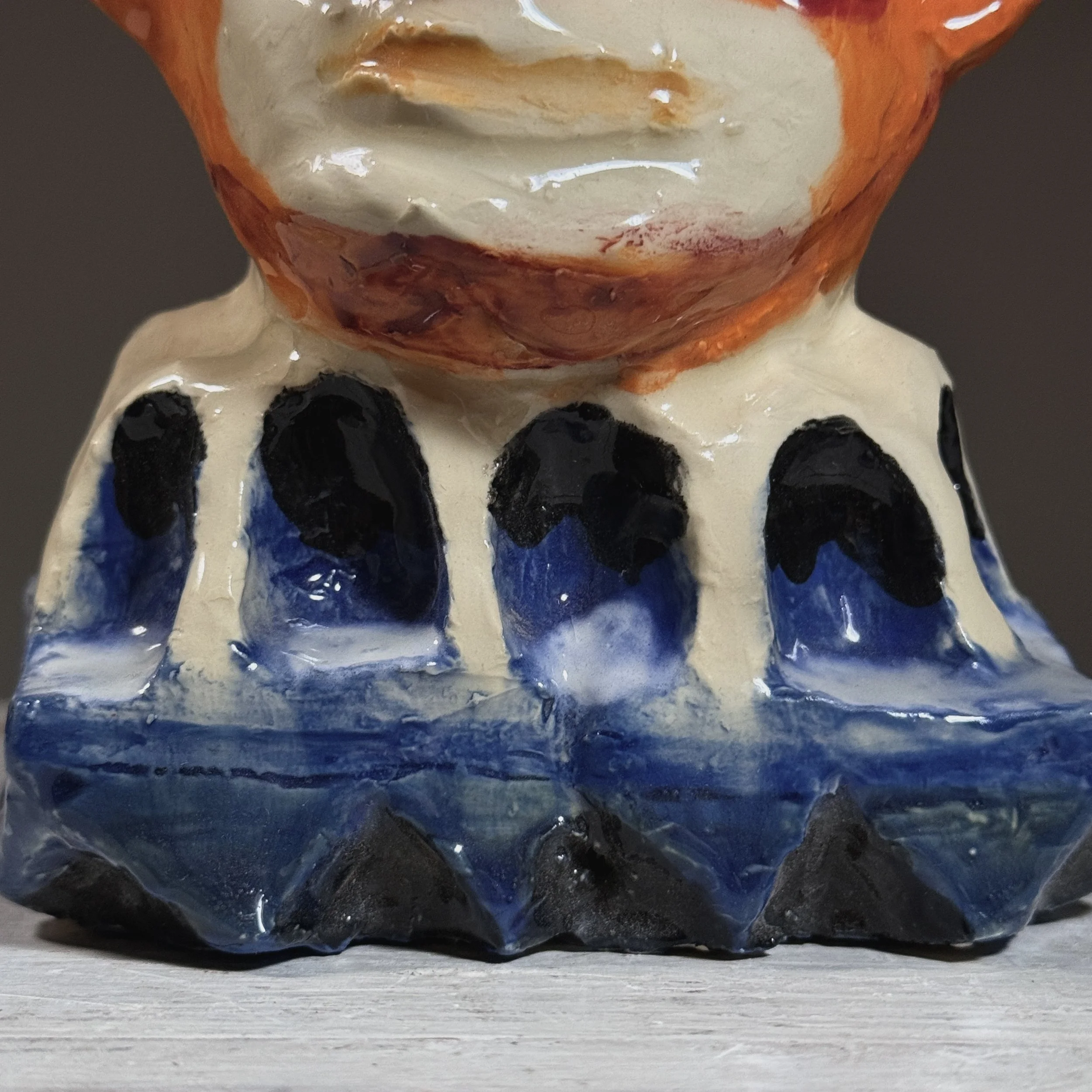 Image 7 of 8
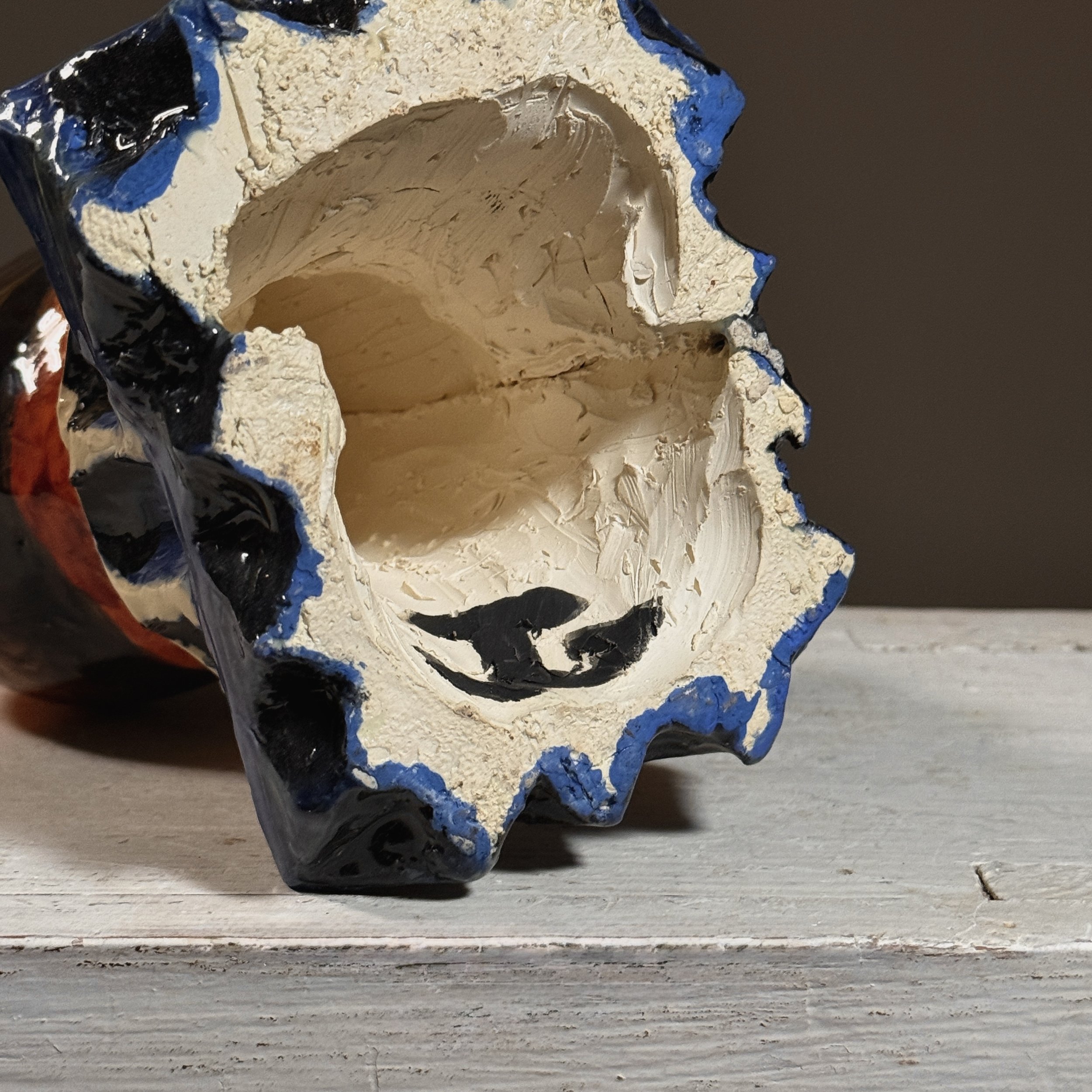 Image 8 of 8