Title: Woven Lidded Basket
Culture: Makah
Date: Antique, late 19th to early 20th century
Medium: Cedar bark, grass, bear grass, dye
Technique: Handwoven, wrapped twining, plaiting
Dimensions: Height: 13.3 cm (5.25 in), Diameter: 10.8 cm (4.25 in)
Classification: Native American Basketry / Ethnographic Art
Provenance: Braswell Galleries (original tag present)
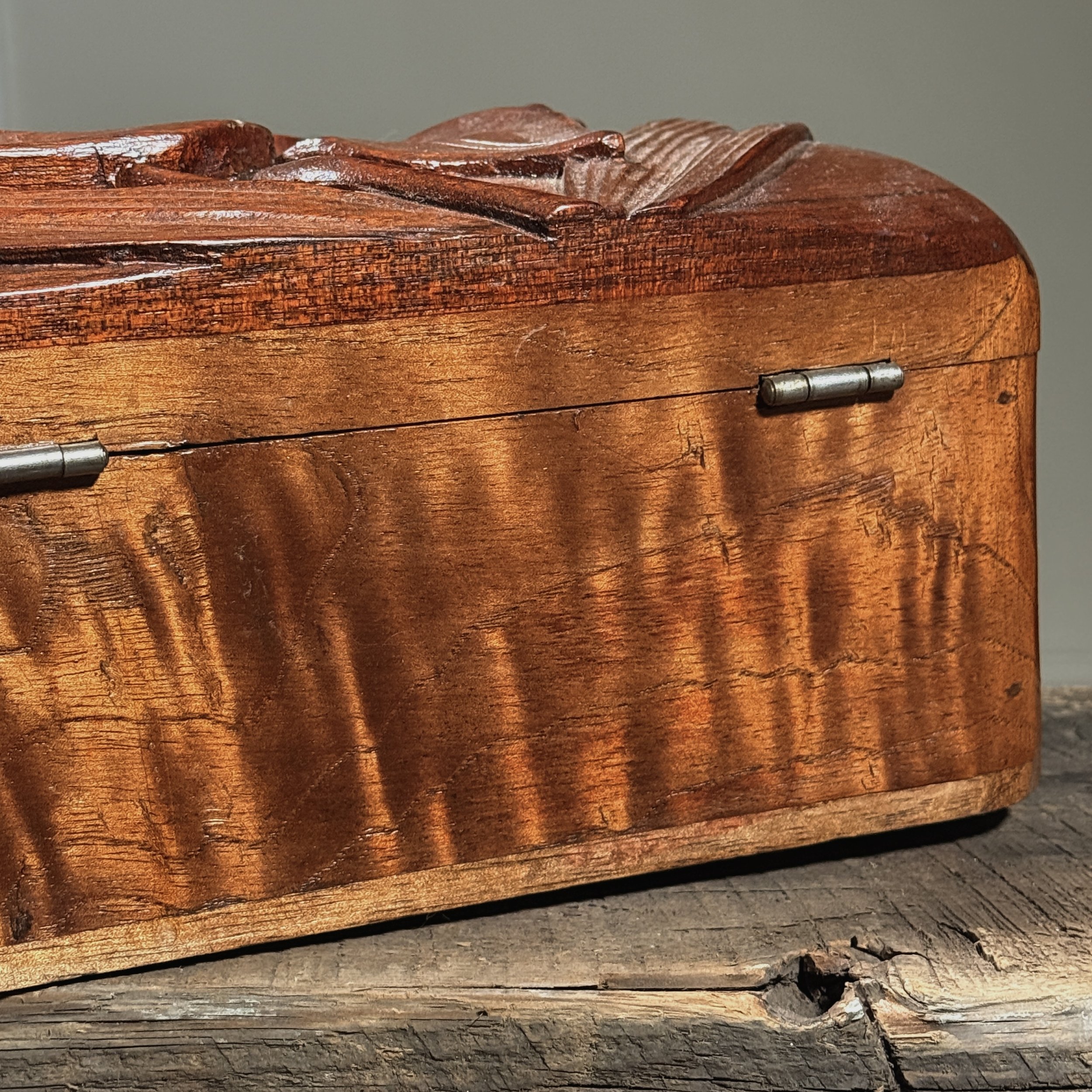
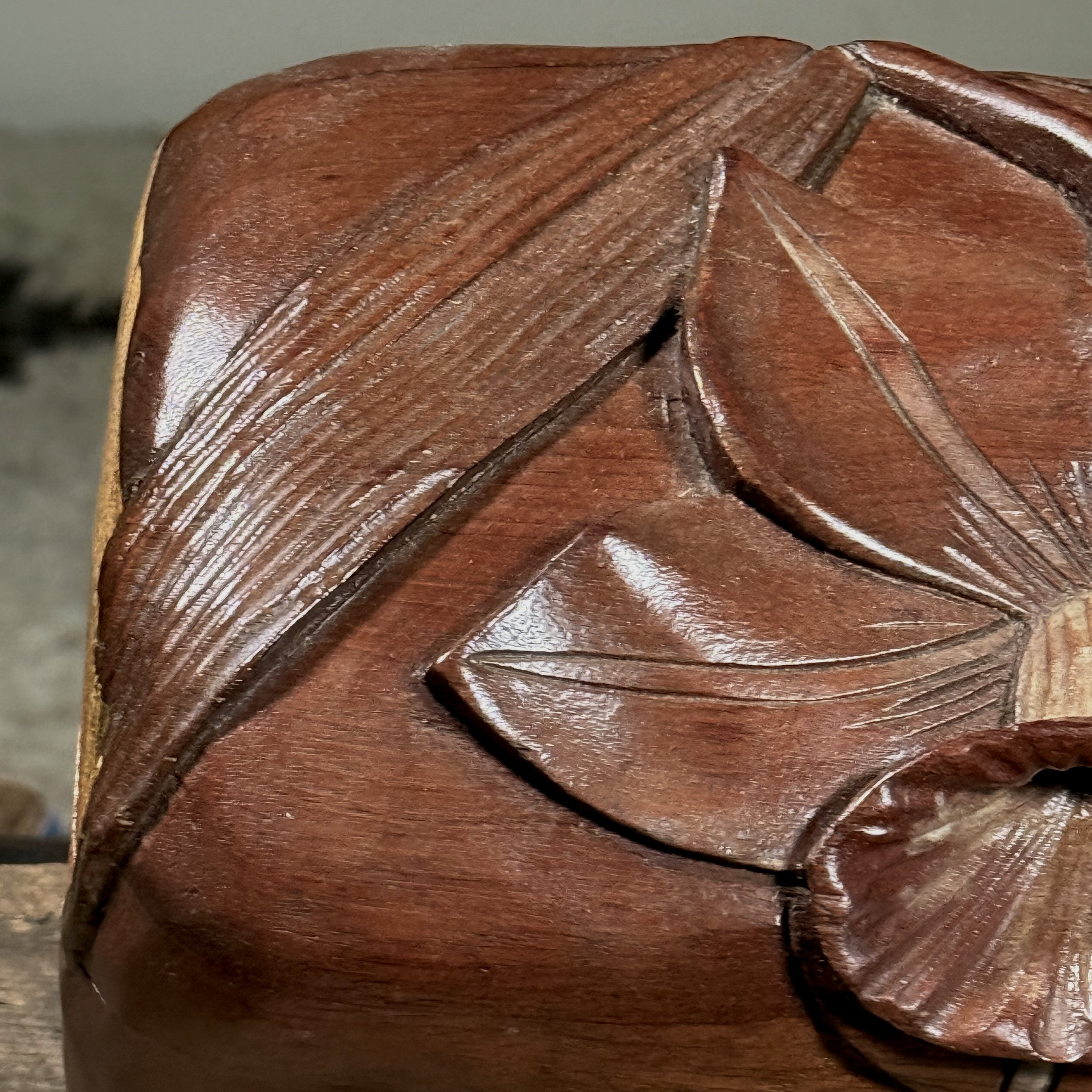
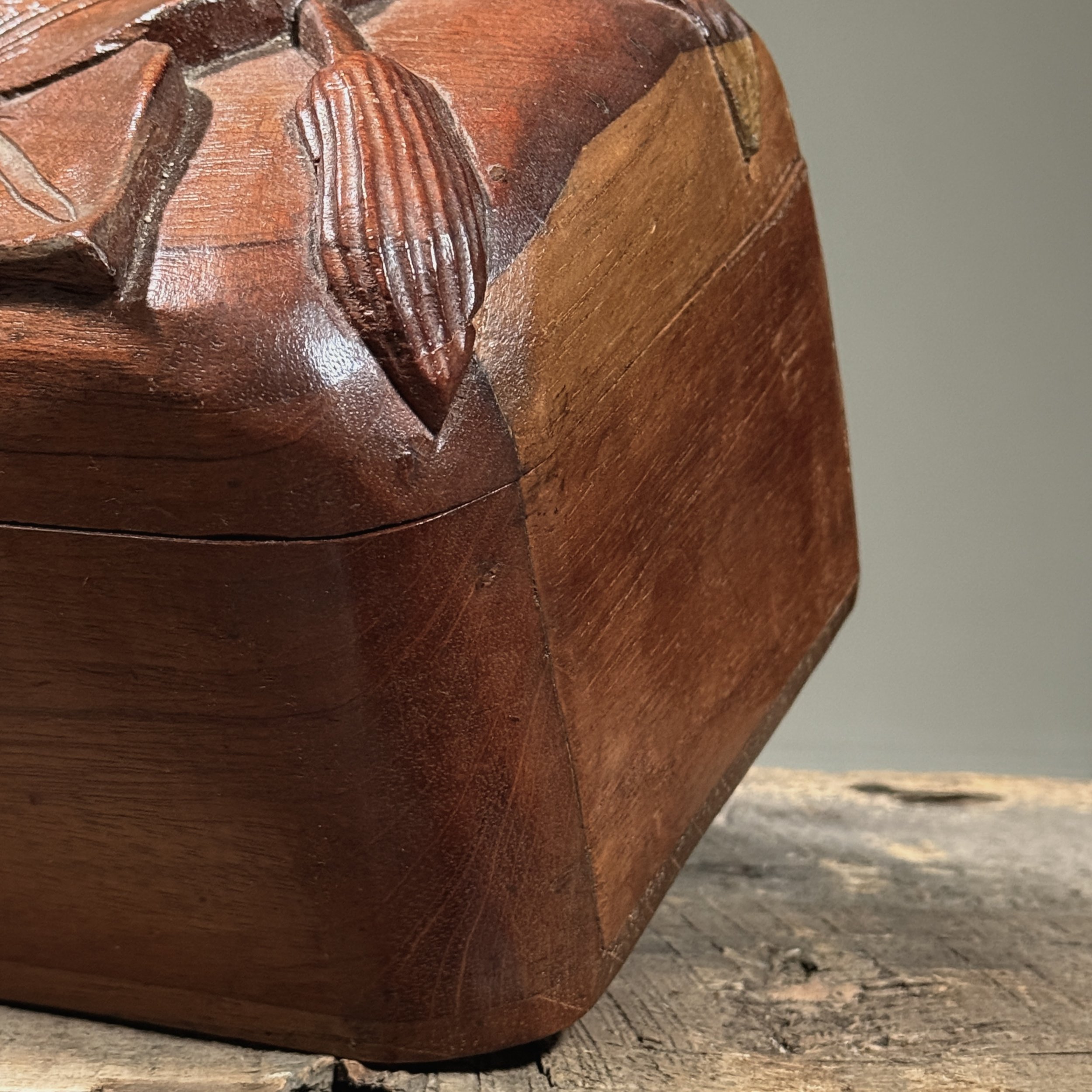
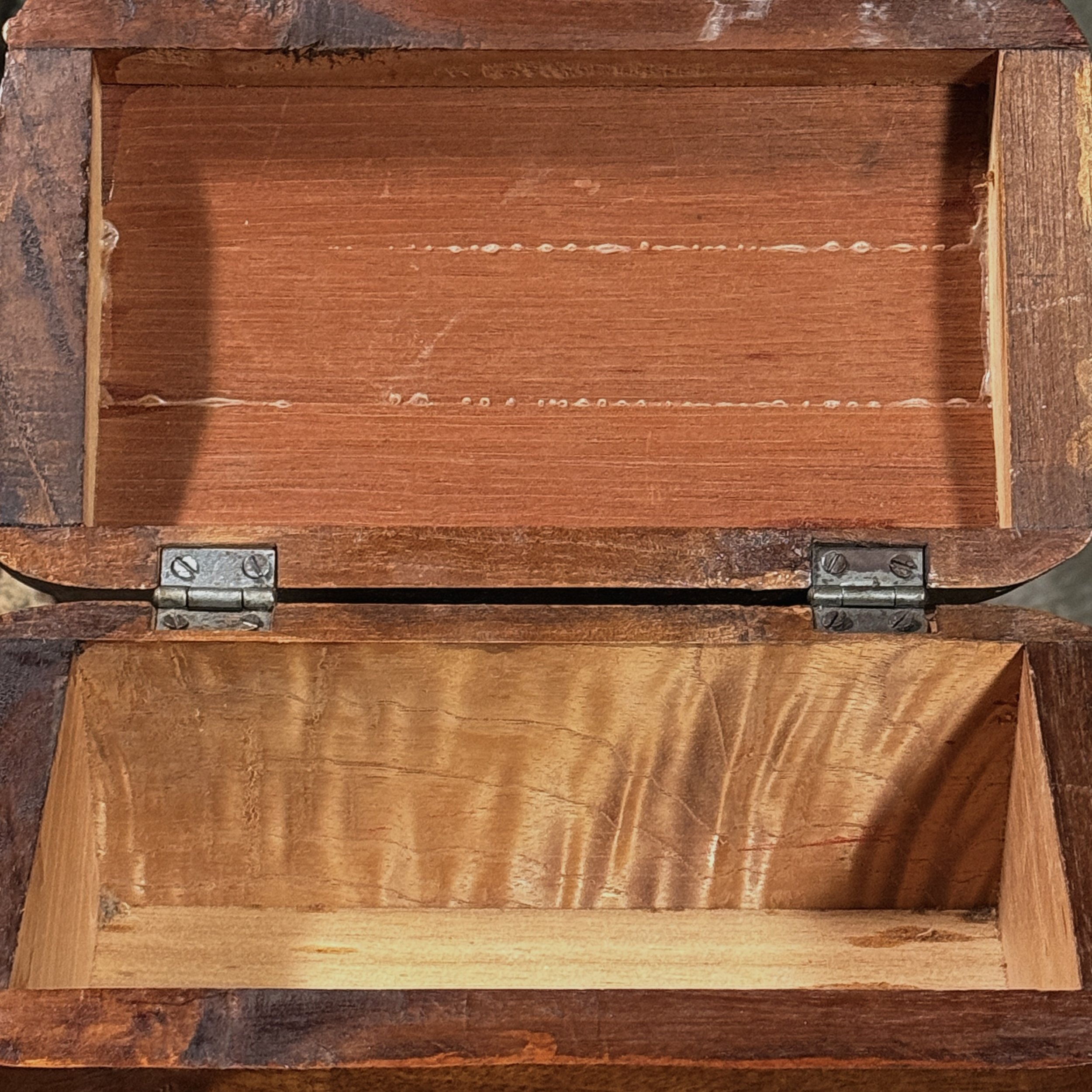
Condition: Good; wear consistent with age. See photographs for detailed condition.
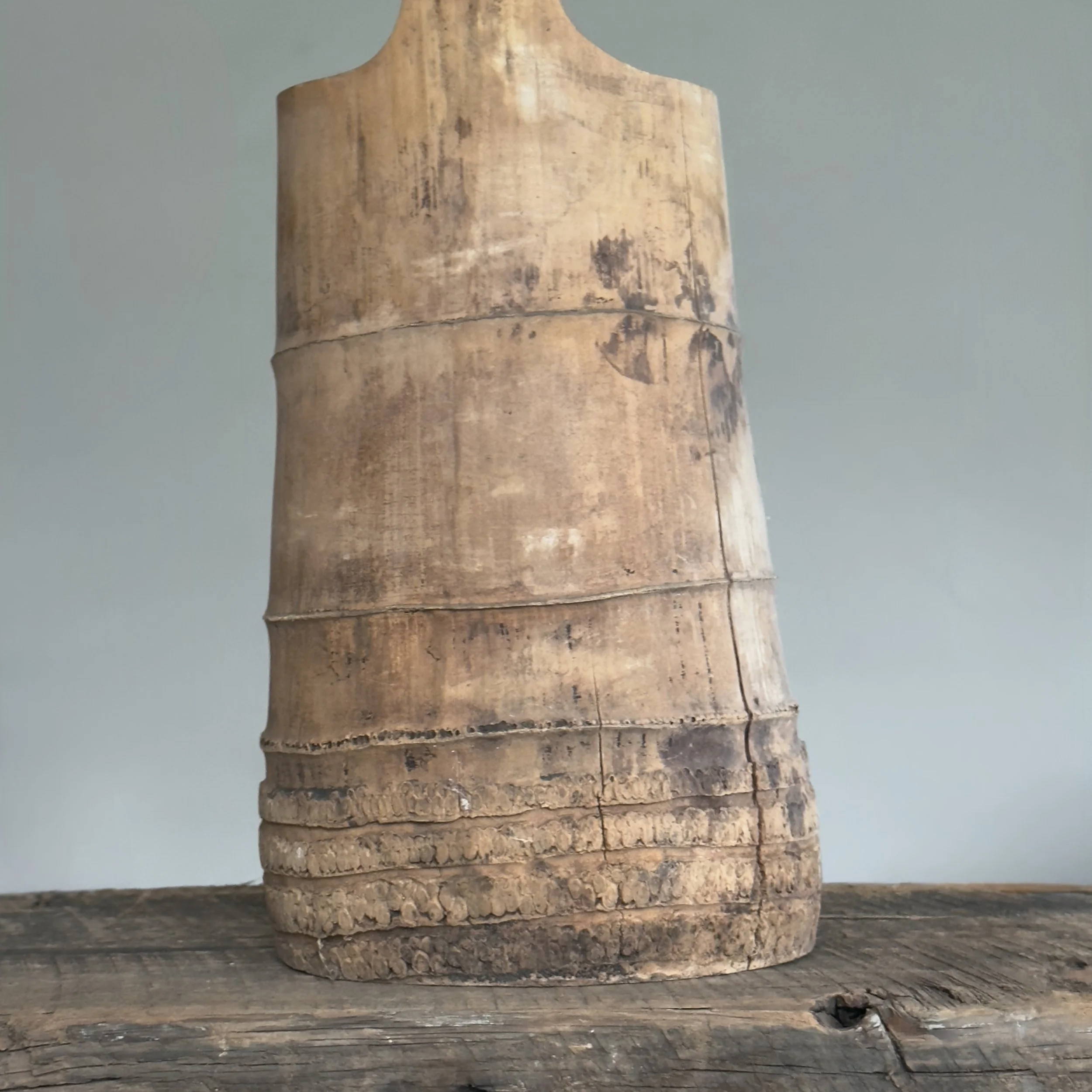
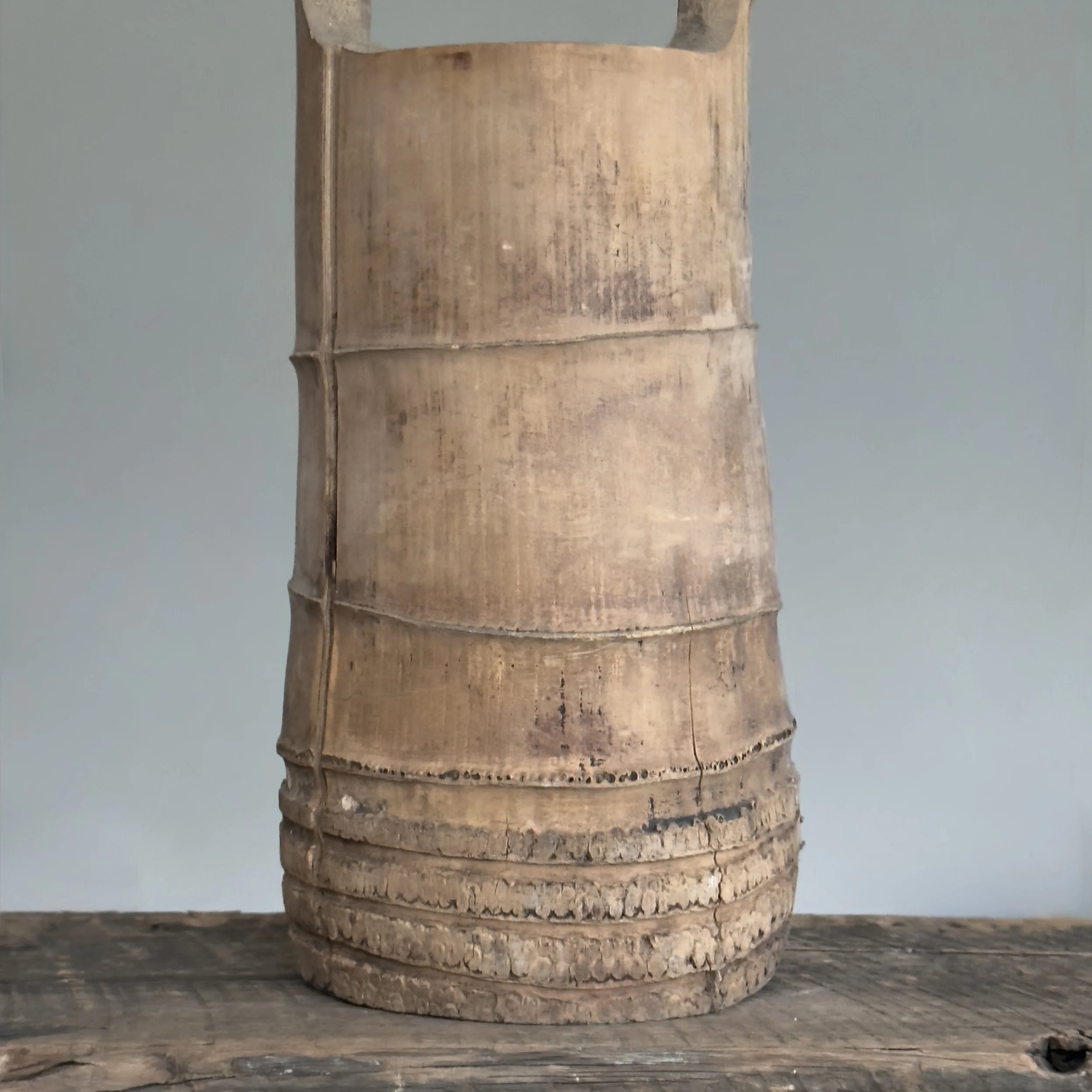
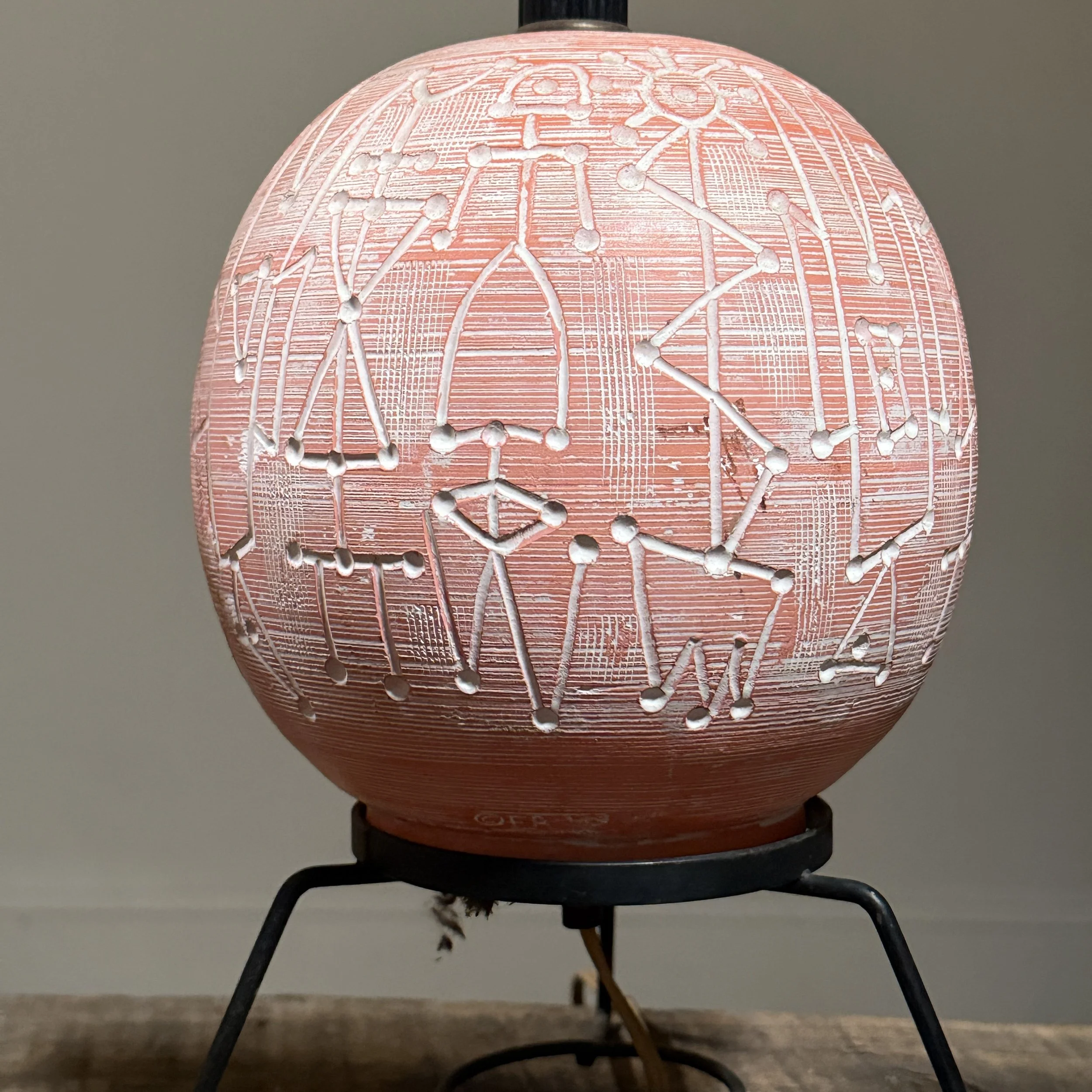
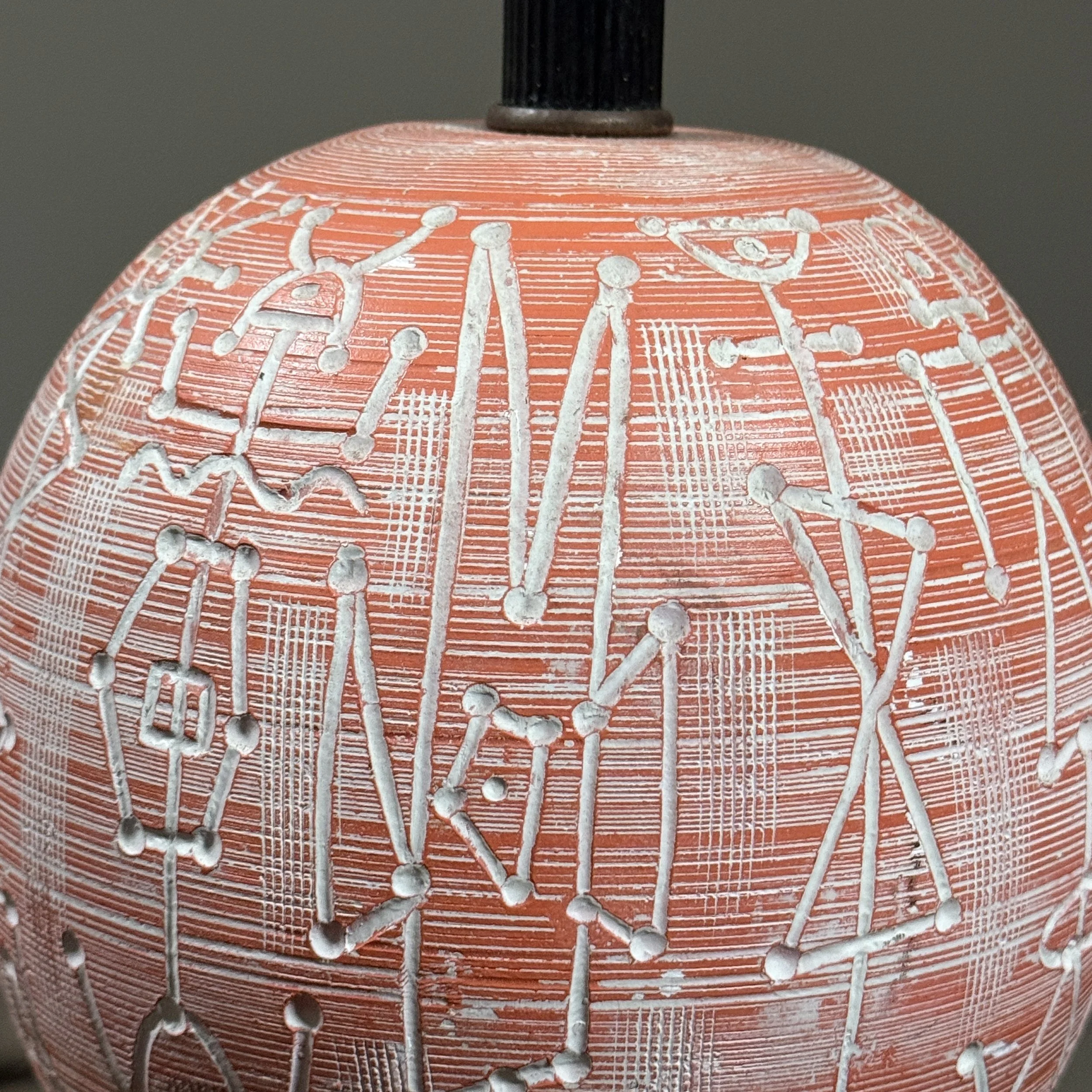
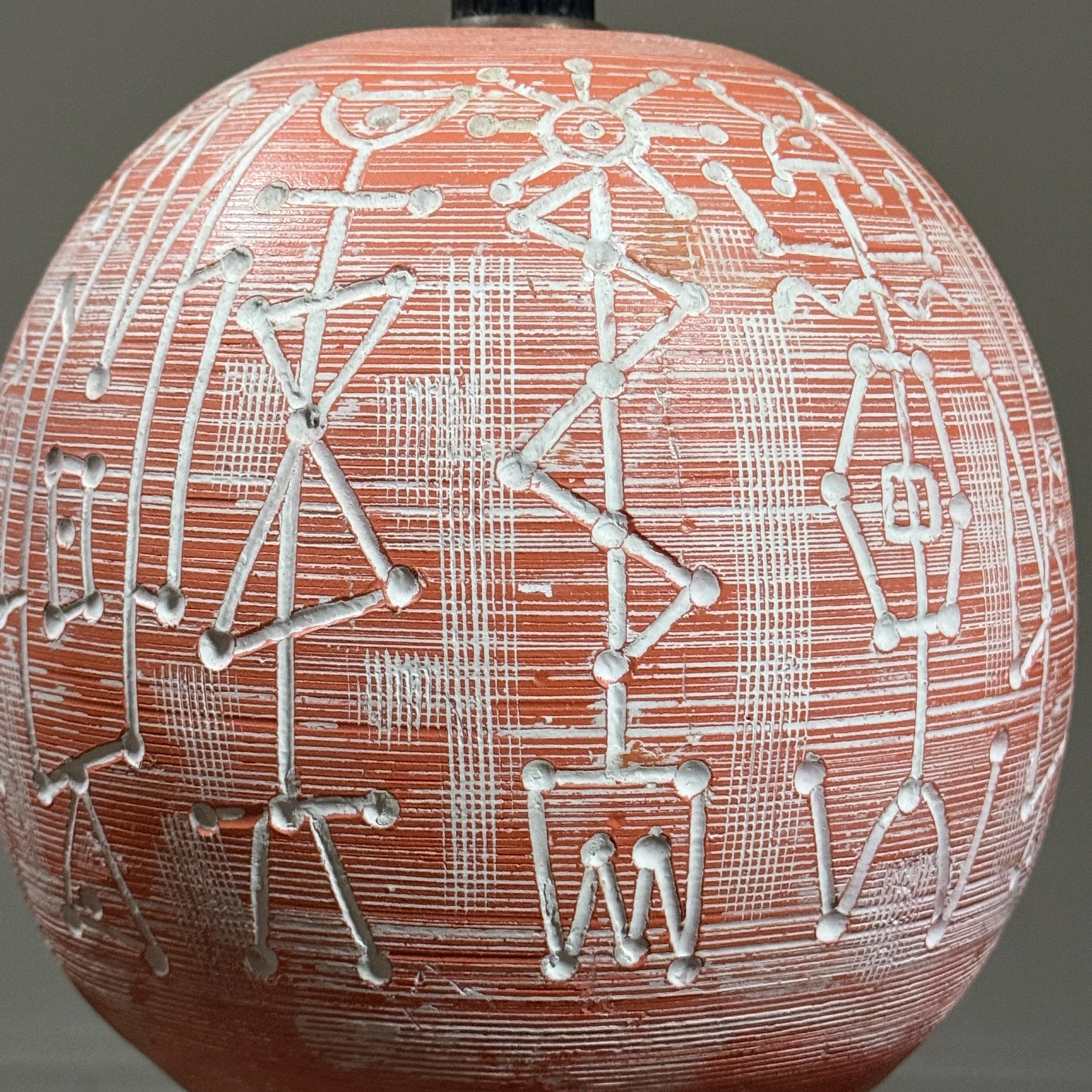
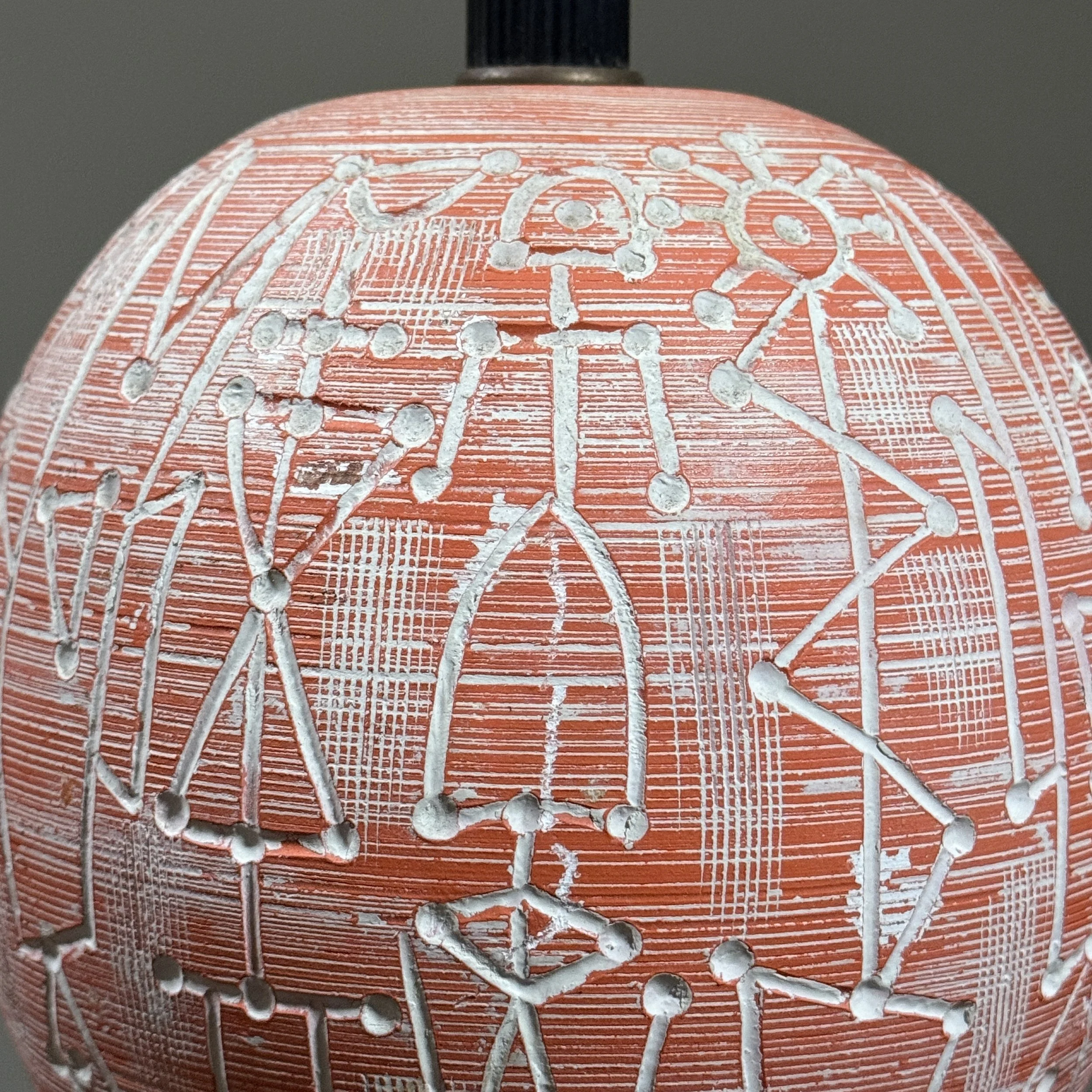
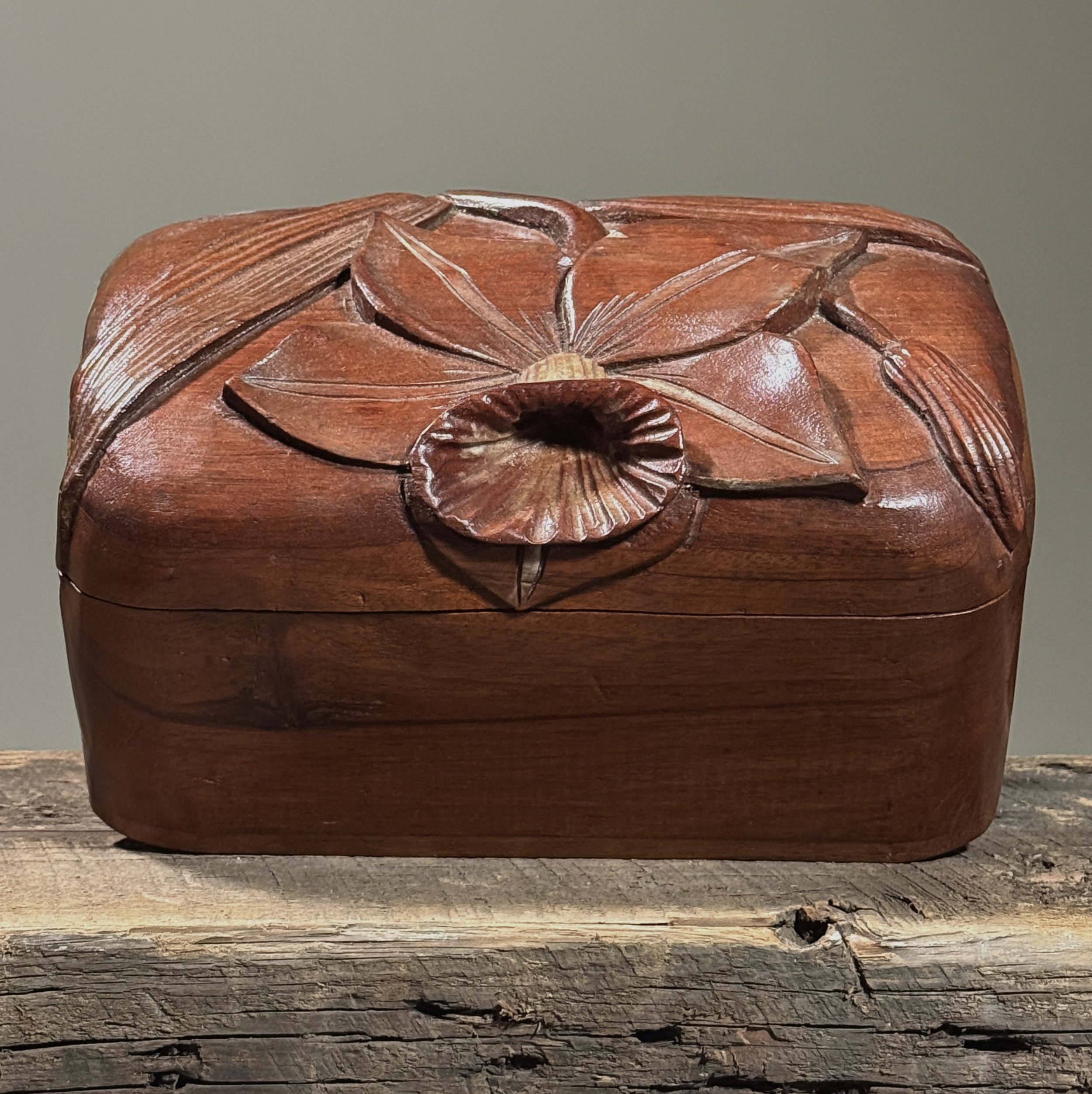
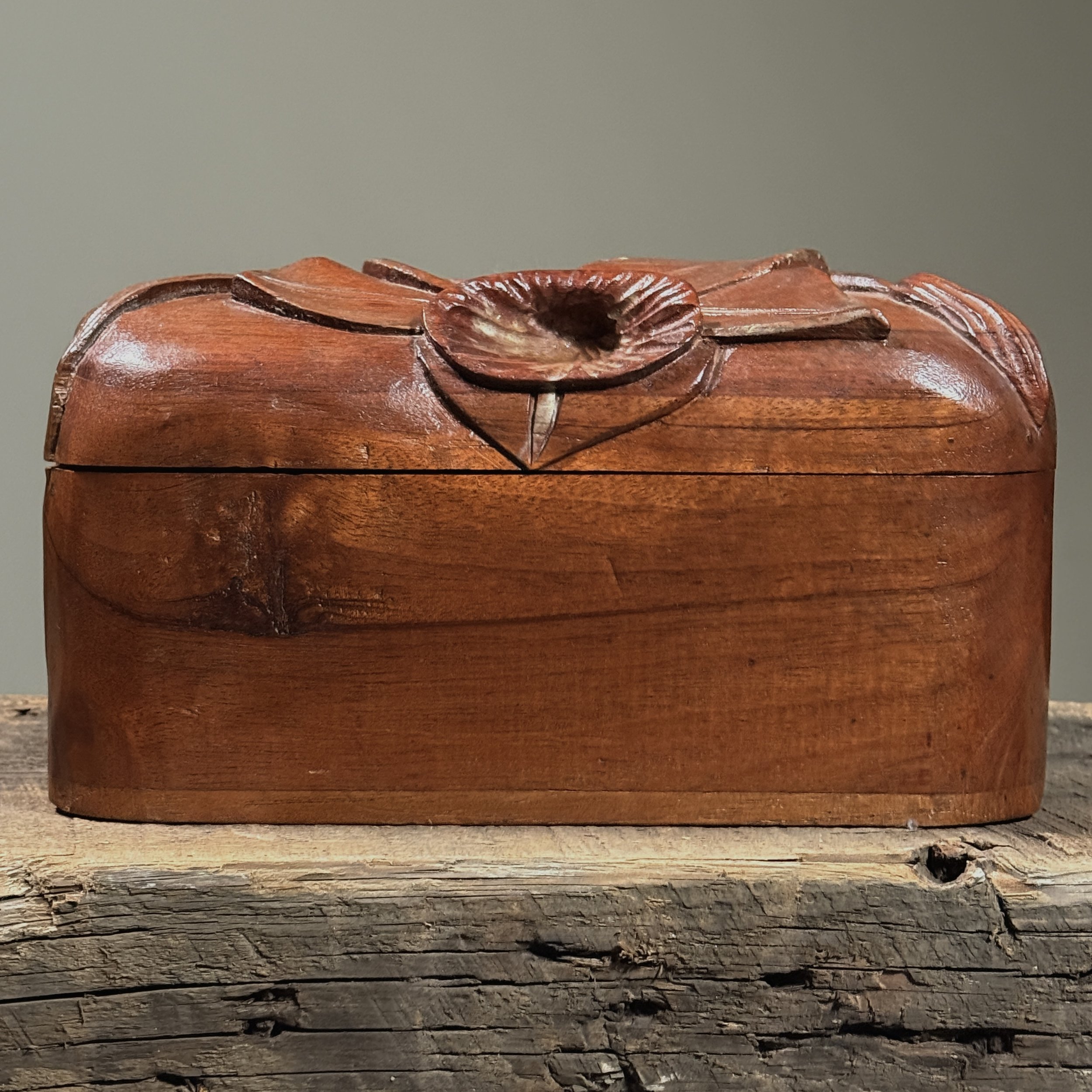
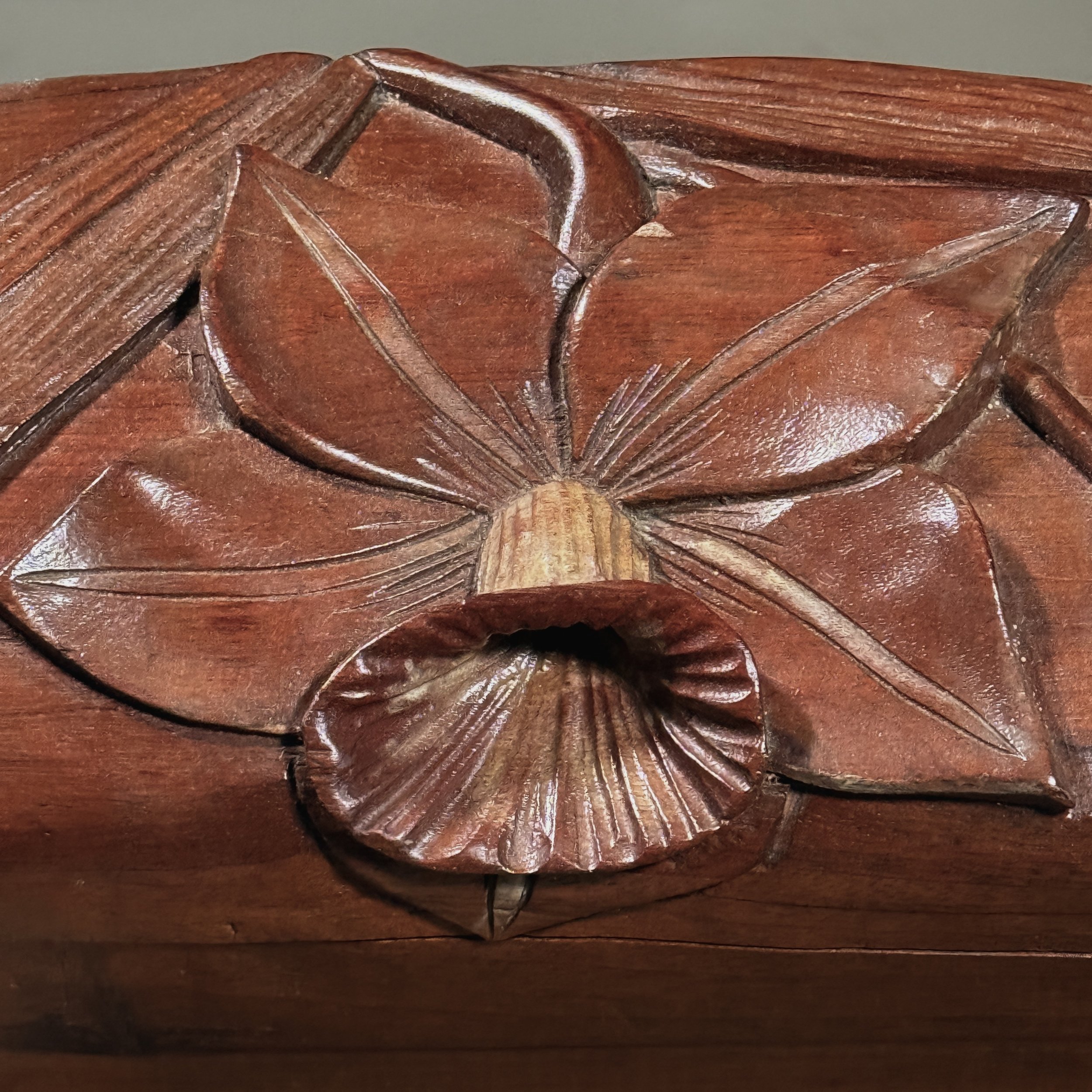
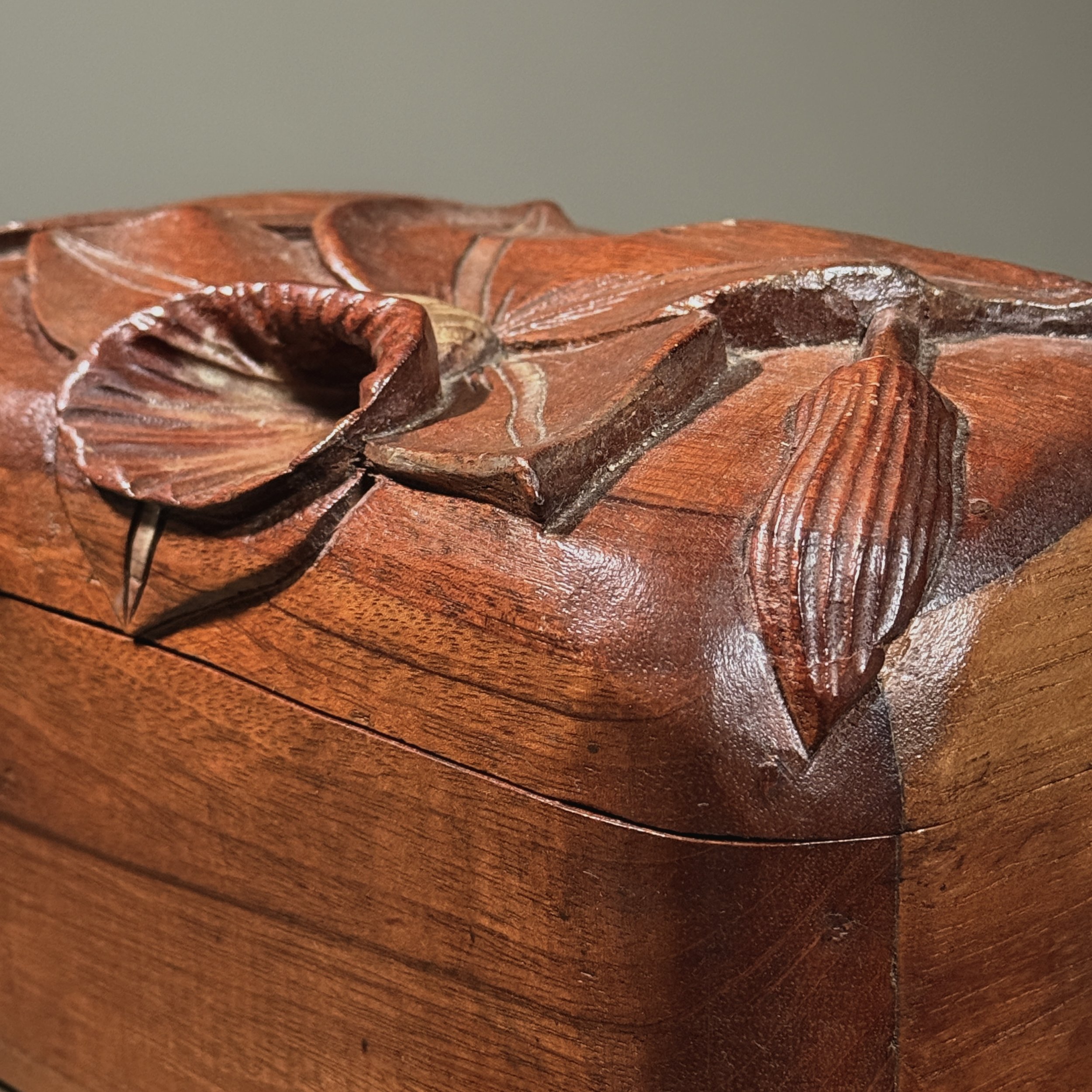
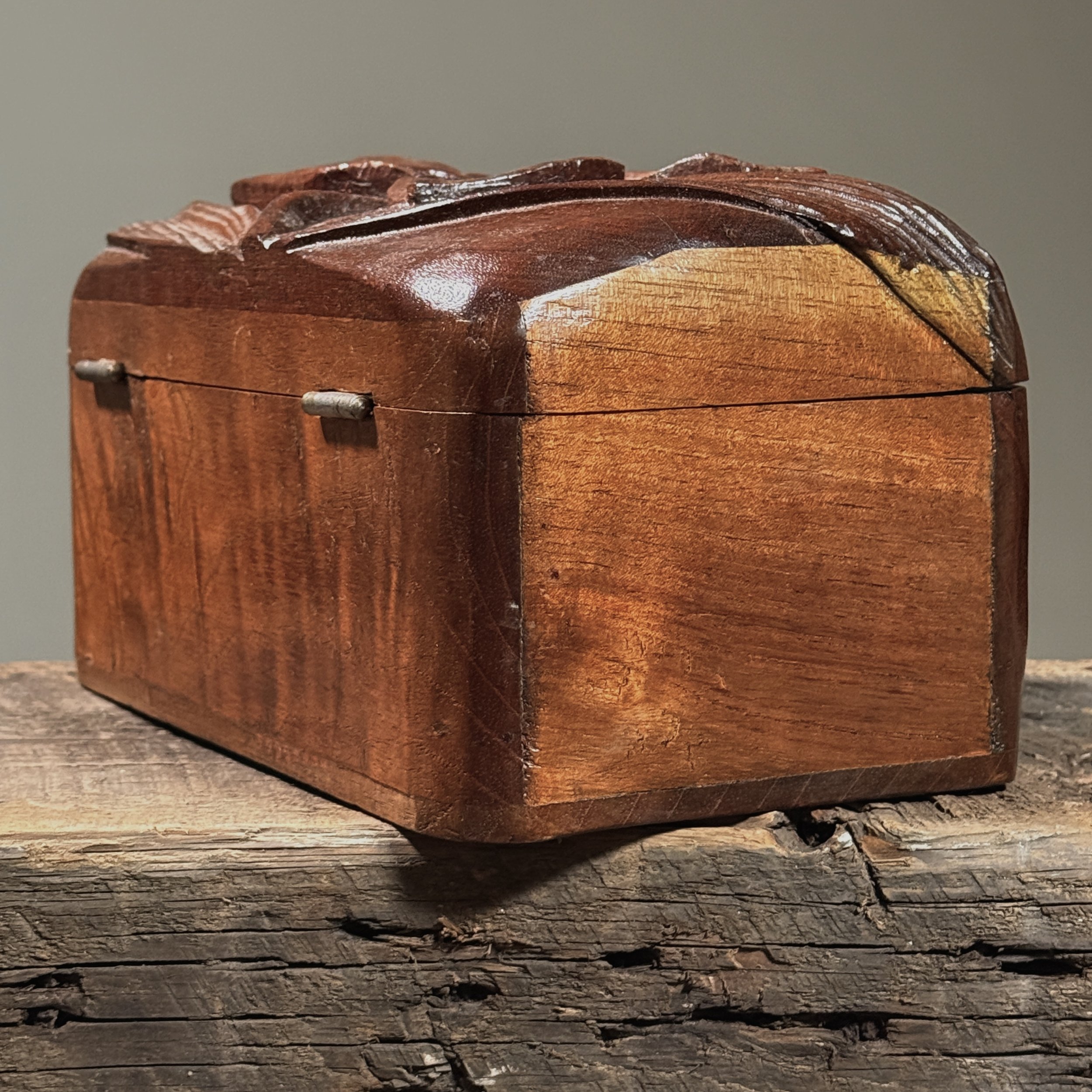
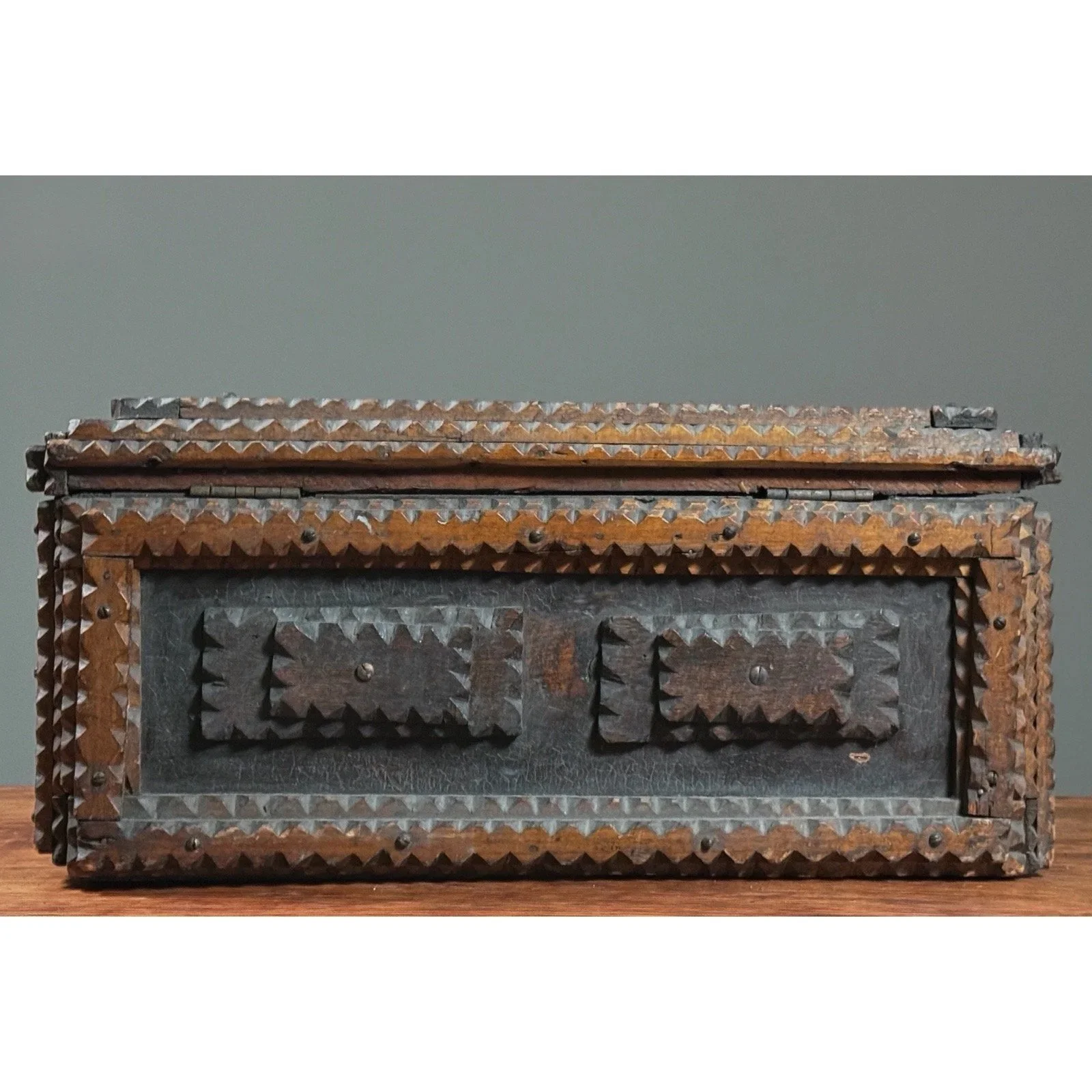
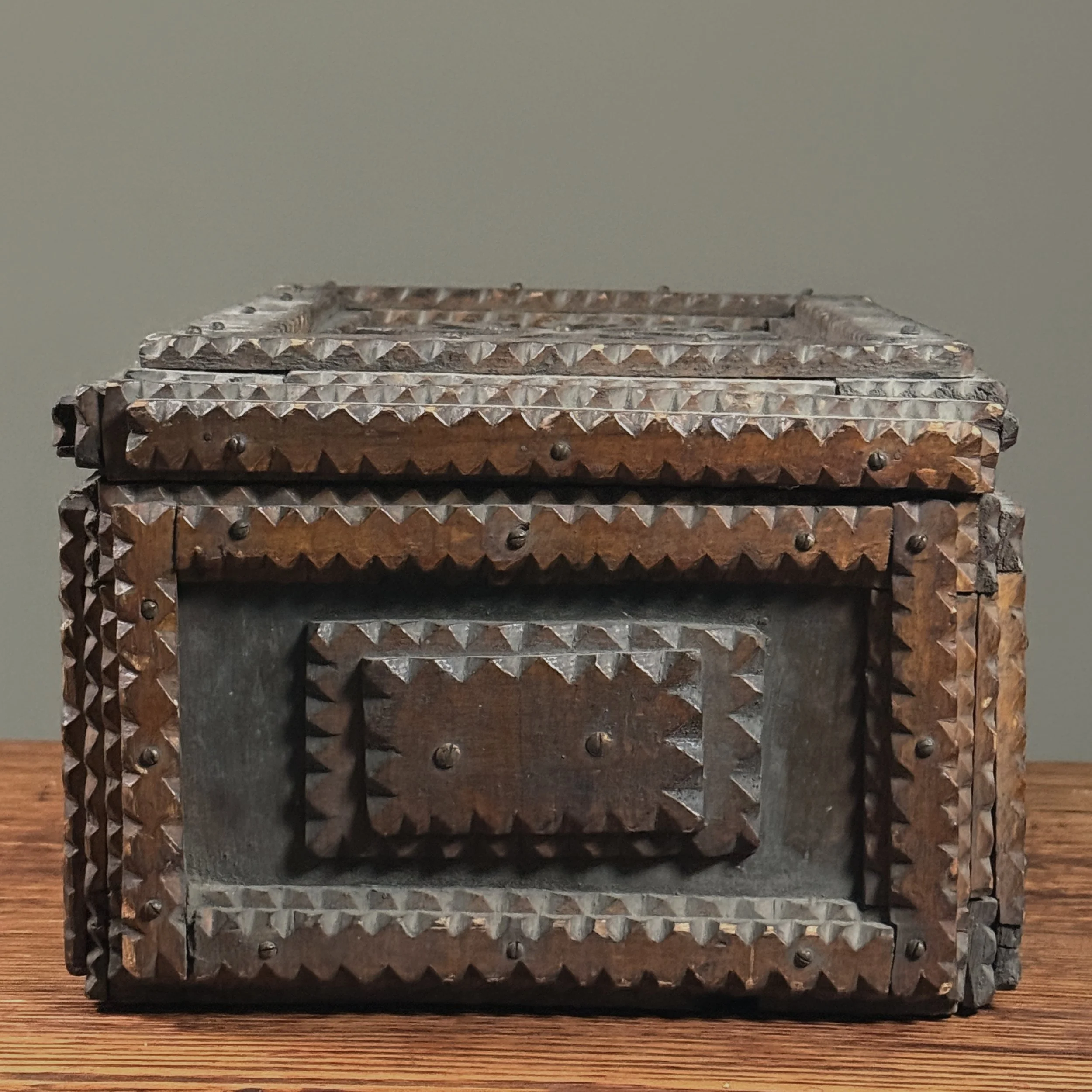
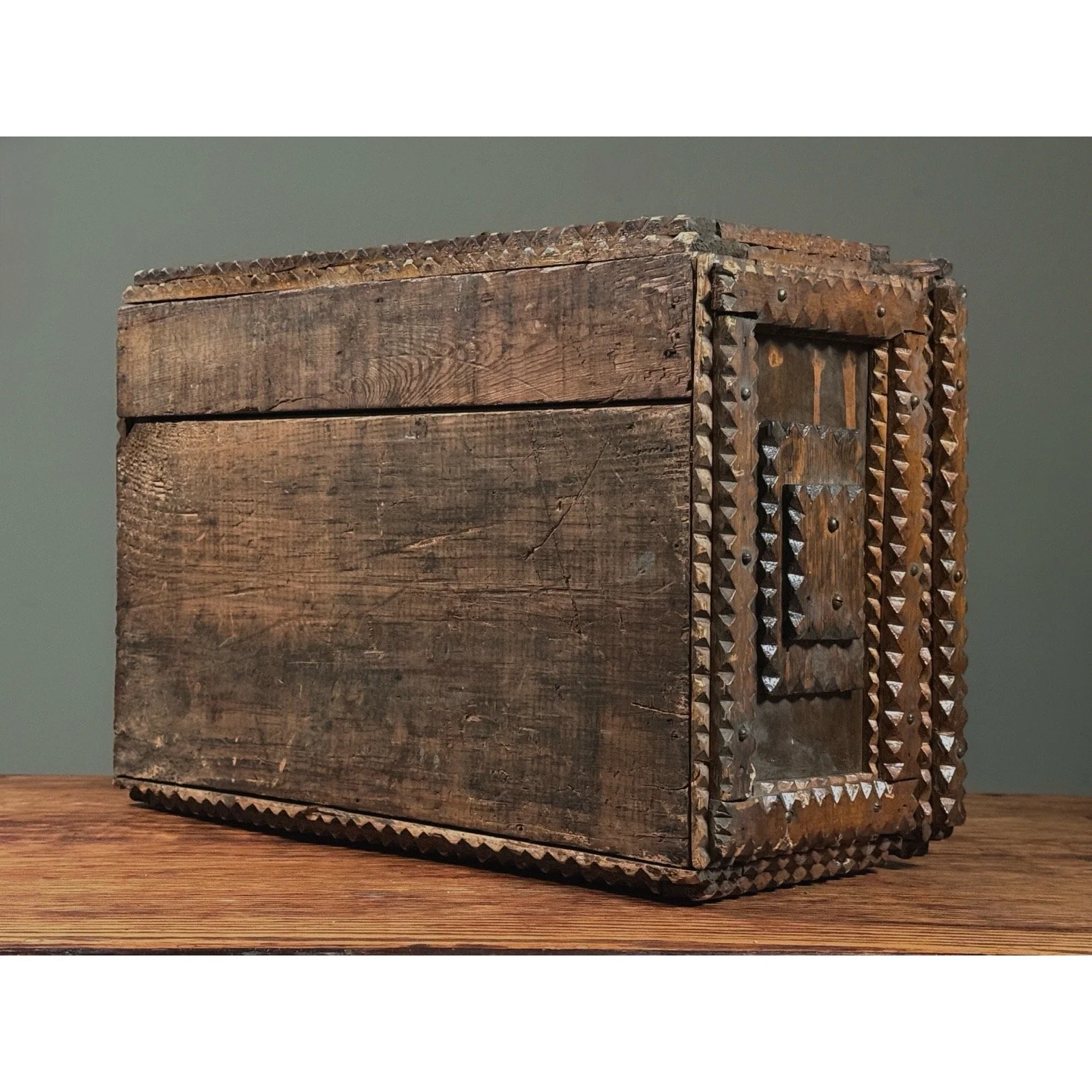
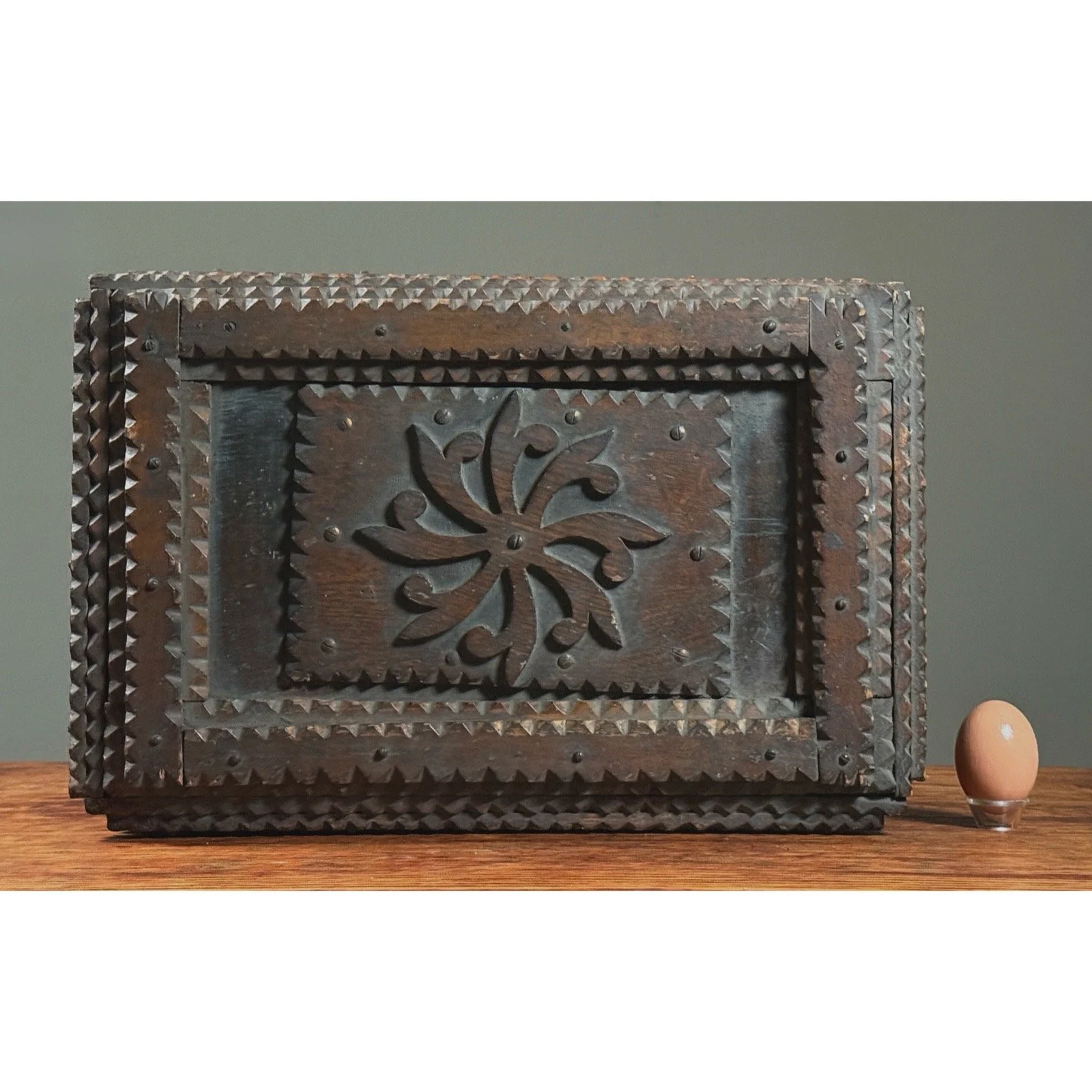
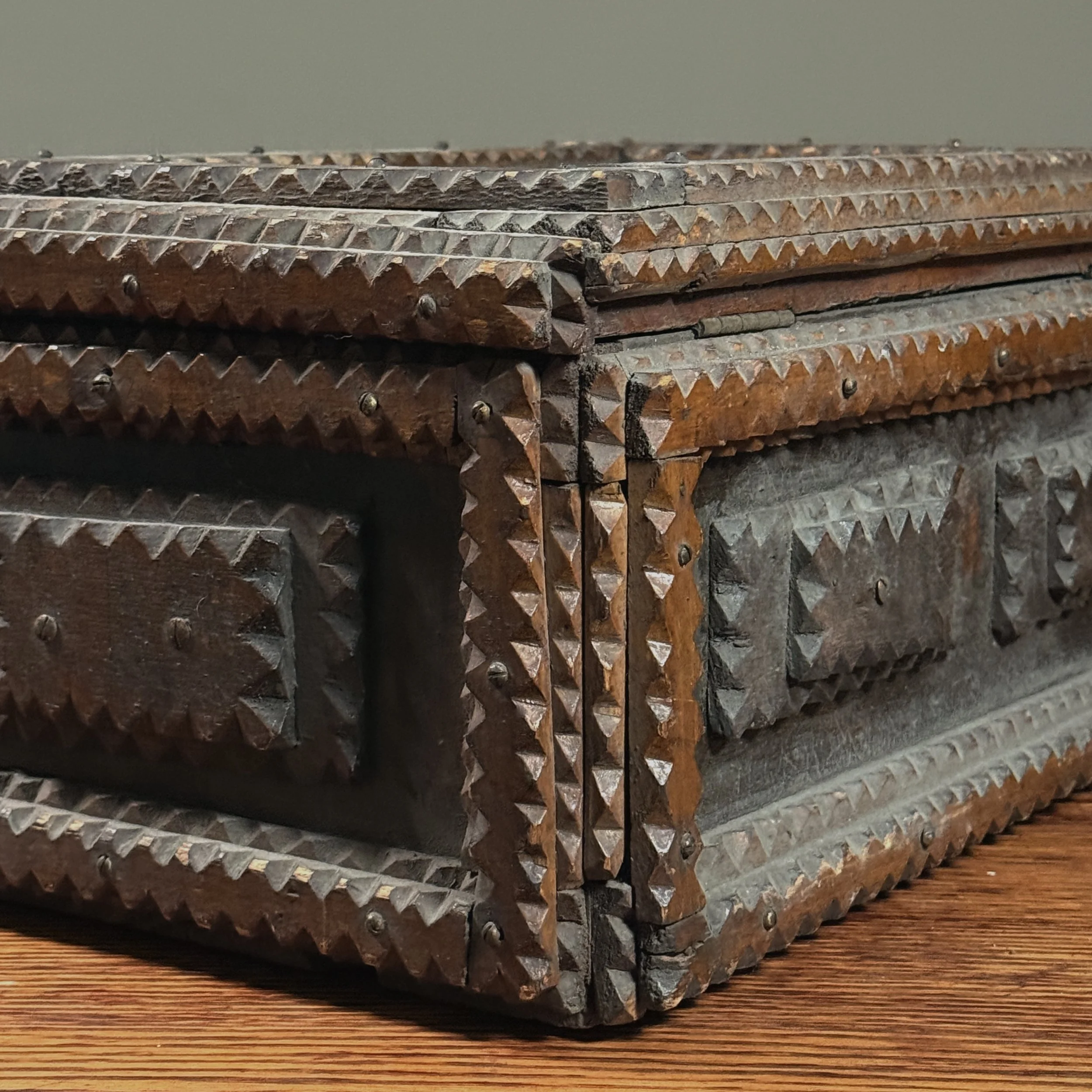
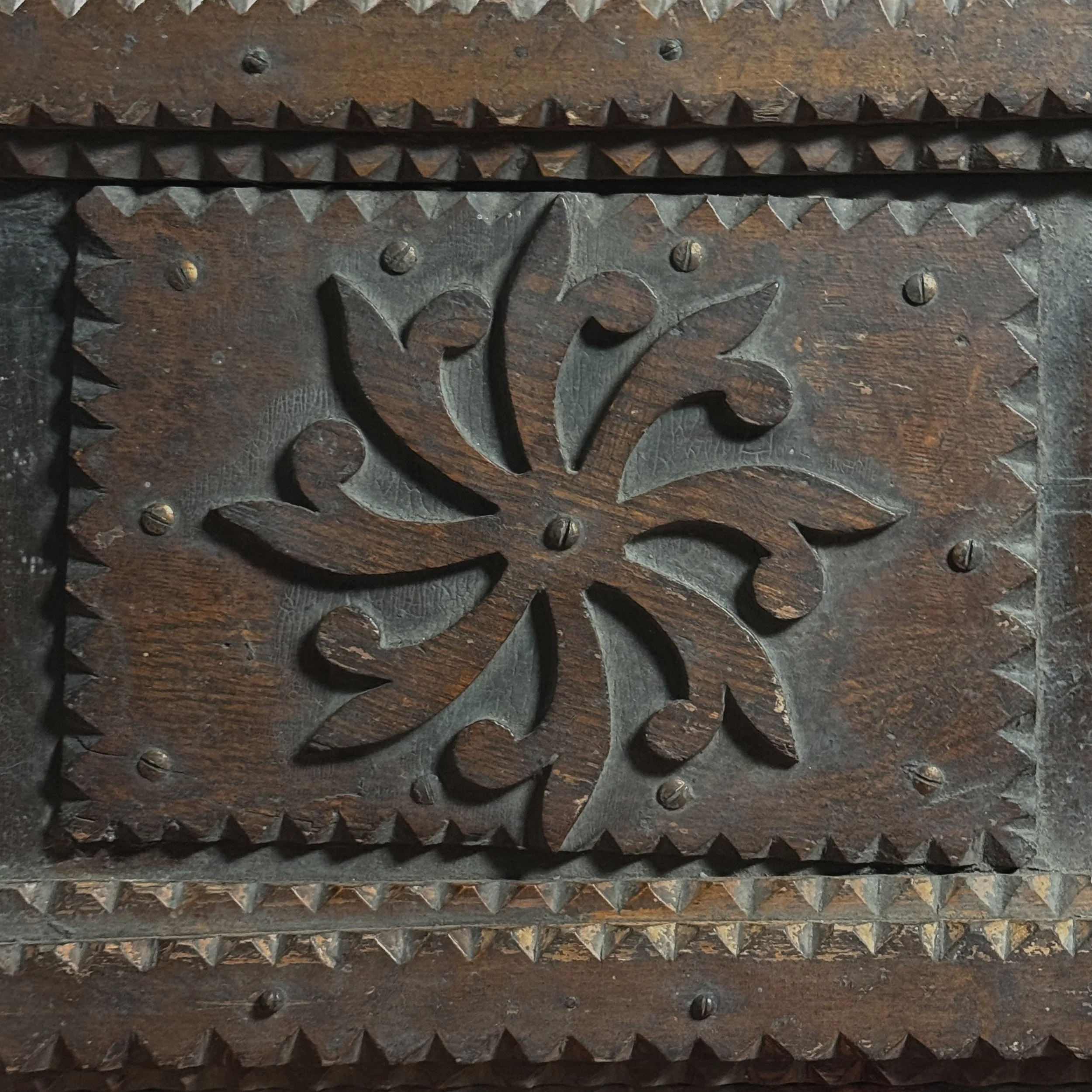
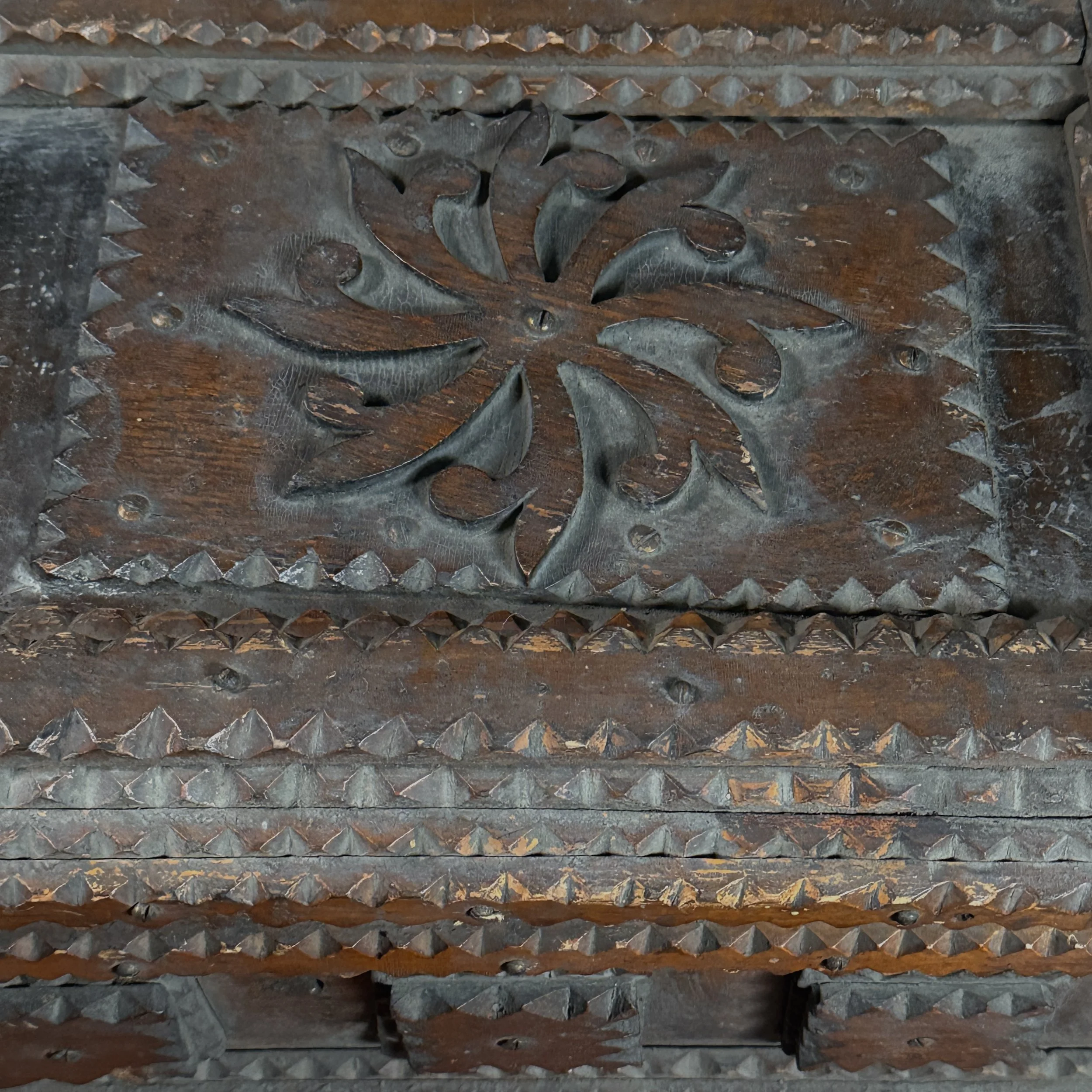
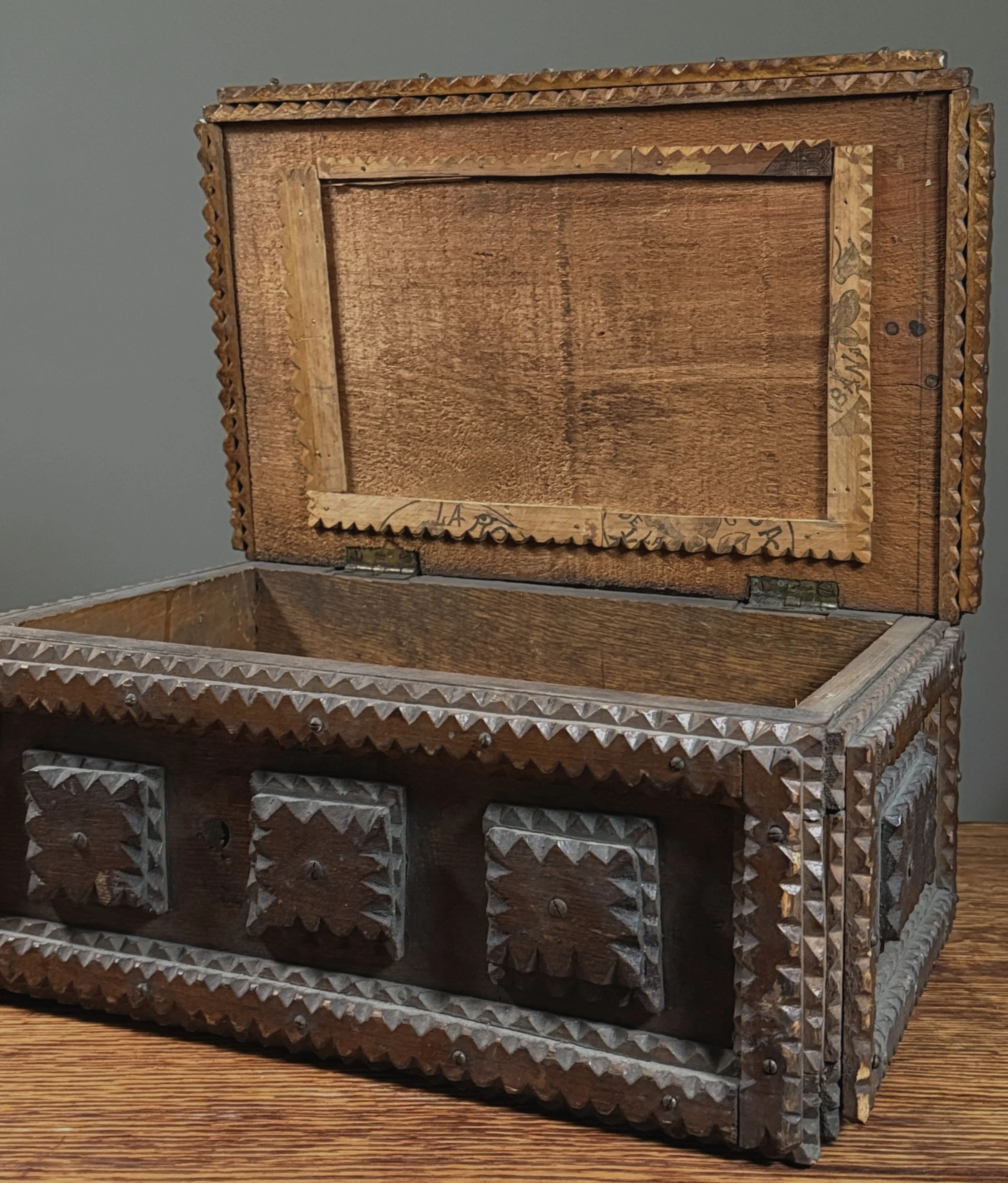
An antique handwoven lidded basket attributed to the Makah tribe of the Olympic Peninsula in Washington State. The basket is constructed using traditional wrapped twining techniques, with cedar bark warps and grass wefts, some of which are dyed purple to create geometric decoration . The object retains its original Braswell Galleries tag with lot number. The basket remains in good condition, presenting wear consistent with age and use.
Historical Context: Makah Basketry Traditions
The Makah people, who refer to themselves as Kwih-dich-chuh-ahtx ("the people who live by the rocks and seagulls") inhabit the northwest tip of the Olympic Peninsula near Neah Bay, Washington . Unlike many Northwest Coast groups who never produced pottery, Makah women developed sophisticated weaving traditions, creating baskets essential for daily life . These vessels served multiple functions: gathering containers, food storage, and even watertight baskets used for cooking .
Makah basketry is distinguished by its use of cedar bark for warps and bear grass for wefts, often dyed with natural or, later, commercial aniline dyes to achieve colors including purple, red, orange, and green . The wrapped twining technique, characteristic of Makah work, involves weaving over an outer raised element to create texture and visual depth . Small lidded baskets of this type, sometimes called "trinket baskets" in historical literature, were frequently decorated with geometric patterns as well as figurative motifs including birds, eagles, canoes, and human figures .
Following contact with Westerners, the production of baskets for everyday use declined as mass-produced goods became available through trade . By the late nineteenth and early twentieth centuries, Makah weavers increasingly produced baskets for the tourist market, catering to visitors to the Olympic Peninsula and collectors of Native American artifacts . Museums across the United States, including the University of Colorado Museum of Natural History, the Burke Museum, and the California Academy of Sciences, hold examples of Makah basketry in their collections, documenting the enduring significance of this artistic tradition .
Title: Woven Lidded Basket
Culture: Makah
Date: Antique, late 19th to early 20th century
Medium: Cedar bark, grass, bear grass, dye
Technique: Handwoven, wrapped twining, plaiting
Dimensions: Height: 13.3 cm (5.25 in), Diameter: 10.8 cm (4.25 in)
Classification: Native American Basketry / Ethnographic Art
Provenance: Braswell Galleries (original tag present)
Condition: Good; wear consistent with age. See photographs for detailed condition.
An antique handwoven lidded basket attributed to the Makah tribe of the Olympic Peninsula in Washington State. The basket is constructed using traditional wrapped twining techniques, with cedar bark warps and grass wefts, some of which are dyed purple to create geometric decoration . The object retains its original Braswell Galleries tag with lot number. The basket remains in good condition, presenting wear consistent with age and use.
Historical Context: Makah Basketry Traditions
The Makah people, who refer to themselves as Kwih-dich-chuh-ahtx ("the people who live by the rocks and seagulls") inhabit the northwest tip of the Olympic Peninsula near Neah Bay, Washington . Unlike many Northwest Coast groups who never produced pottery, Makah women developed sophisticated weaving traditions, creating baskets essential for daily life . These vessels served multiple functions: gathering containers, food storage, and even watertight baskets used for cooking .
Makah basketry is distinguished by its use of cedar bark for warps and bear grass for wefts, often dyed with natural or, later, commercial aniline dyes to achieve colors including purple, red, orange, and green . The wrapped twining technique, characteristic of Makah work, involves weaving over an outer raised element to create texture and visual depth . Small lidded baskets of this type, sometimes called "trinket baskets" in historical literature, were frequently decorated with geometric patterns as well as figurative motifs including birds, eagles, canoes, and human figures .
Following contact with Westerners, the production of baskets for everyday use declined as mass-produced goods became available through trade . By the late nineteenth and early twentieth centuries, Makah weavers increasingly produced baskets for the tourist market, catering to visitors to the Olympic Peninsula and collectors of Native American artifacts . Museums across the United States, including the University of Colorado Museum of Natural History, the Burke Museum, and the California Academy of Sciences, hold examples of Makah basketry in their collections, documenting the enduring significance of this artistic tradition .

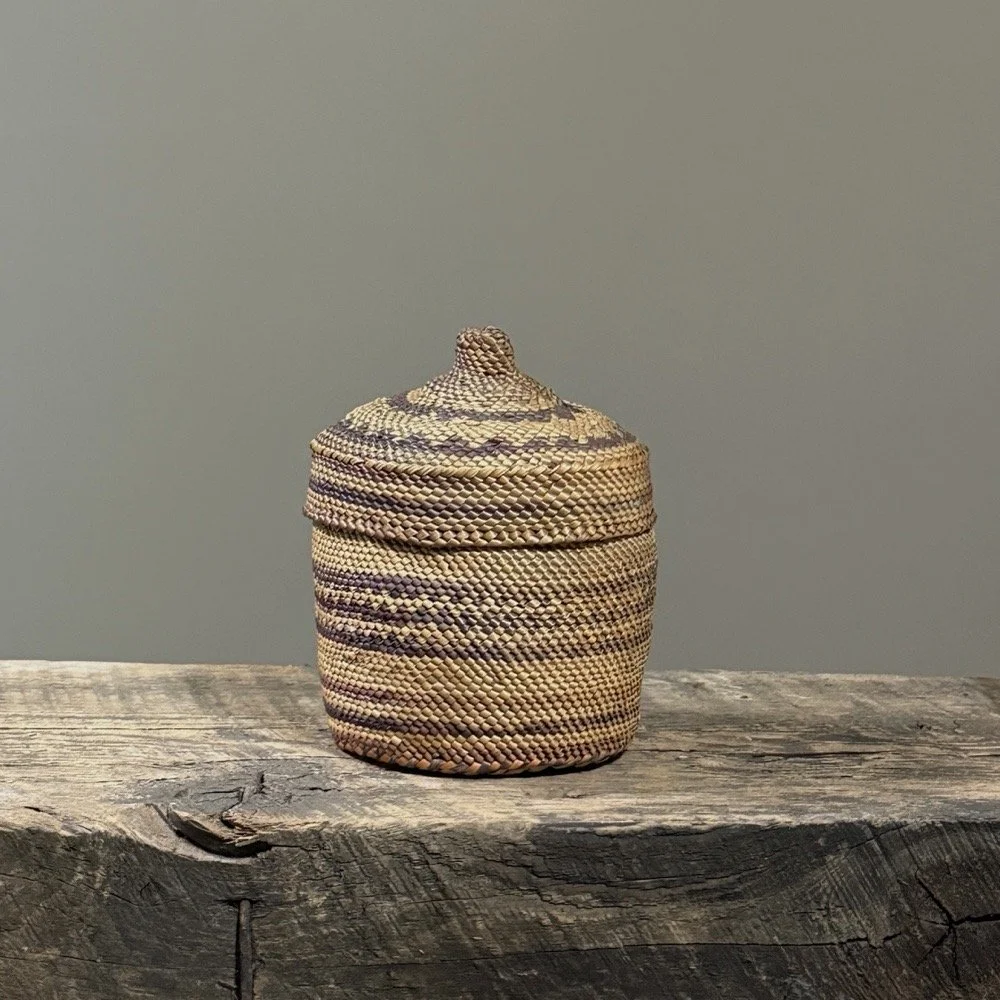 Image 1 of 11
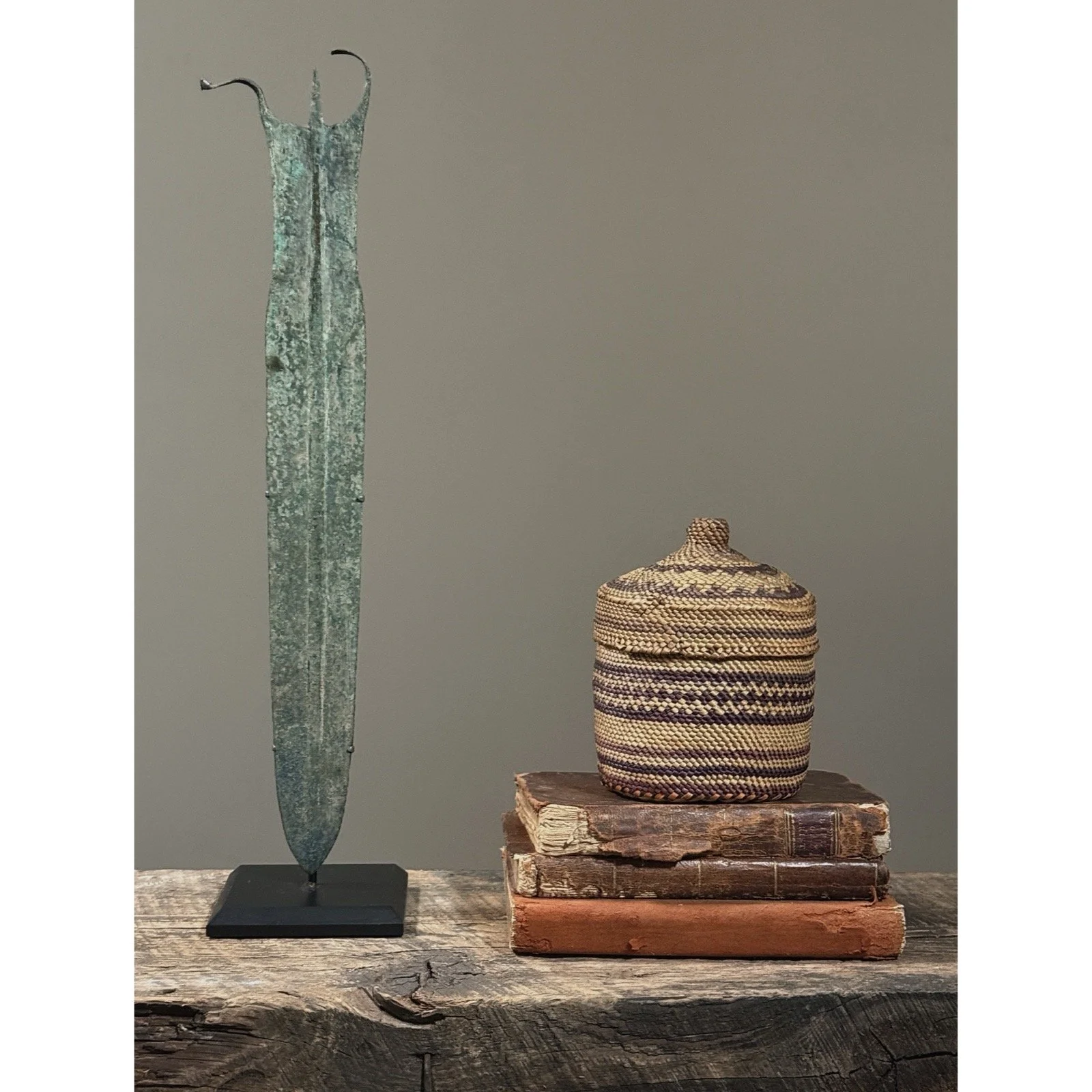 Image 2 of 11
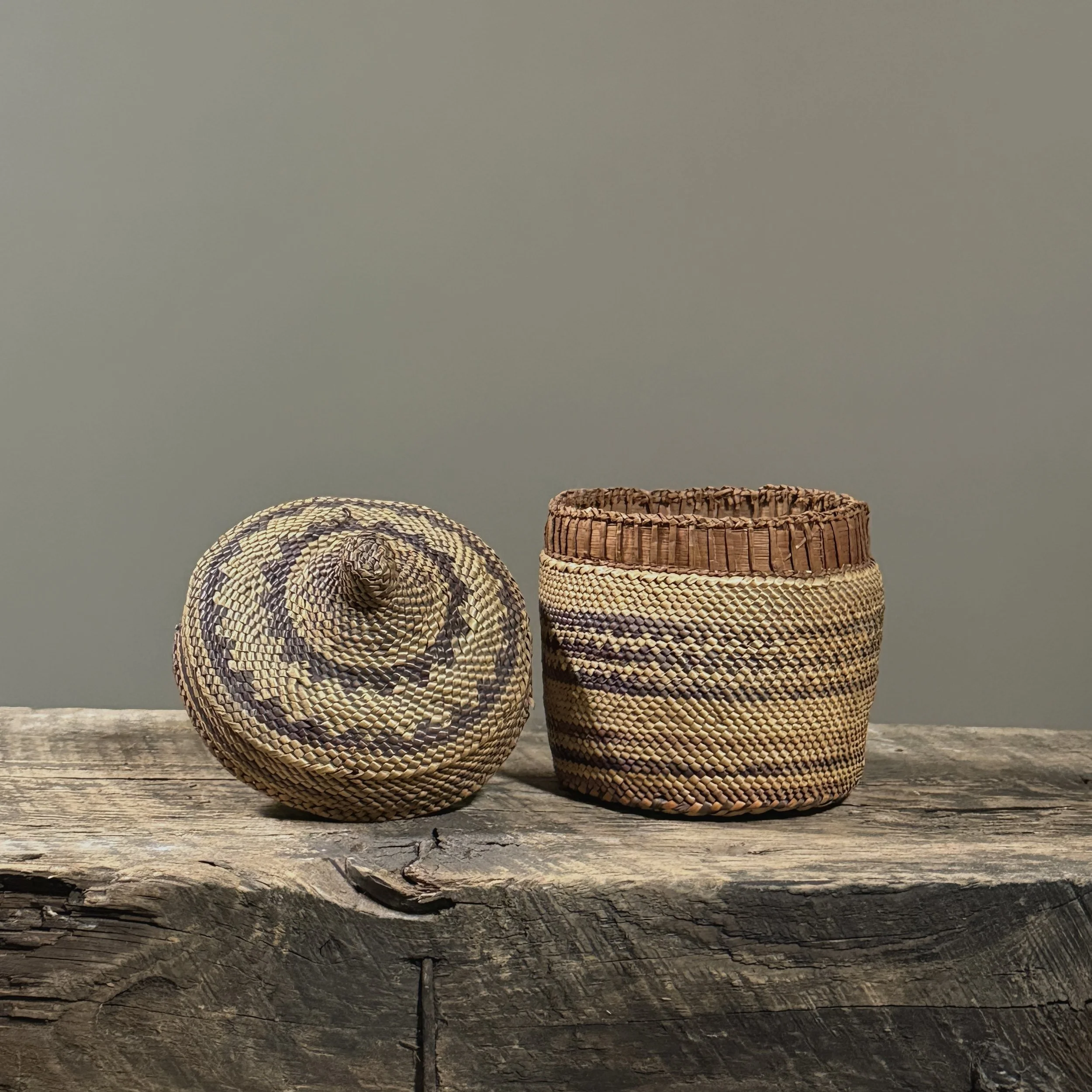 Image 3 of 11
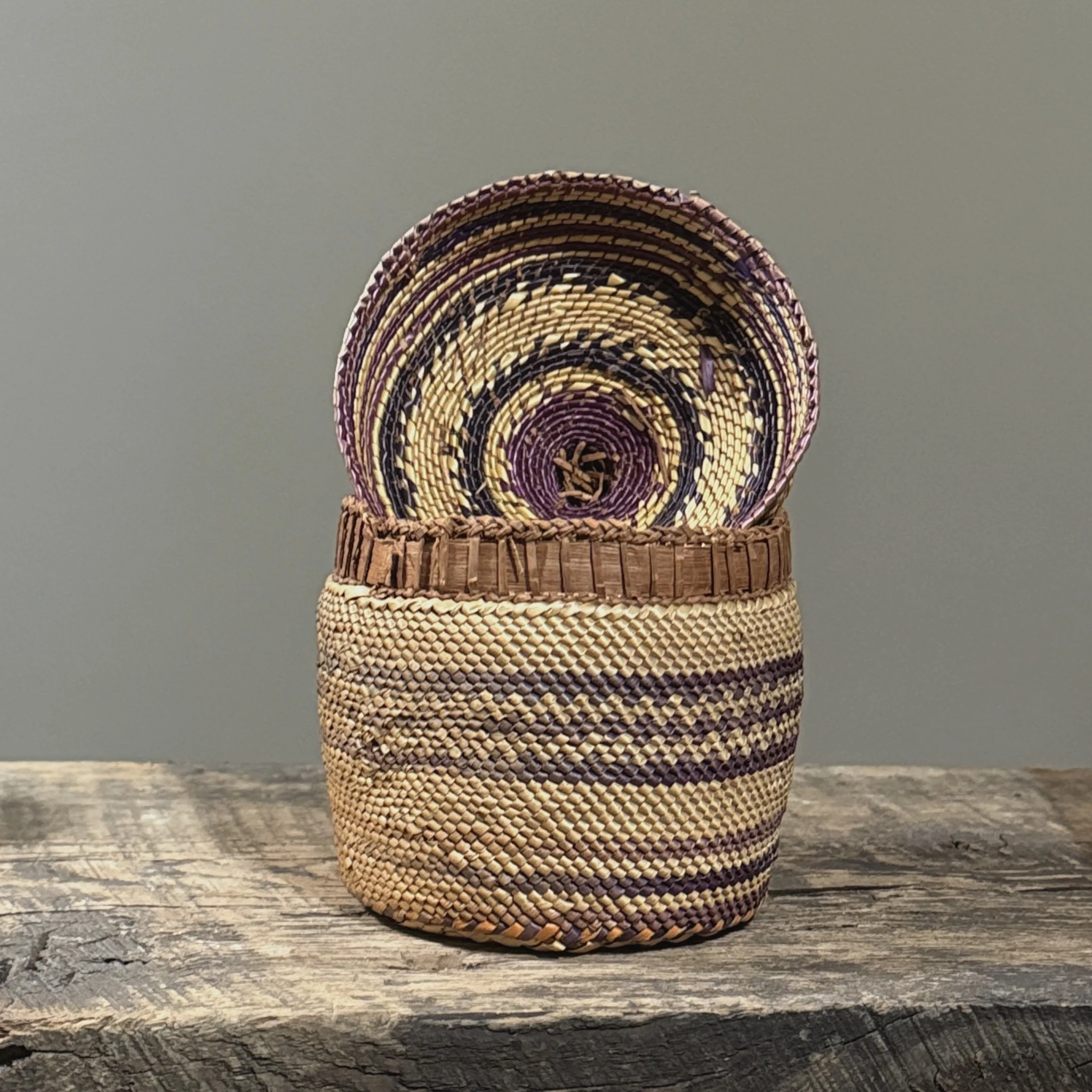 Image 4 of 11
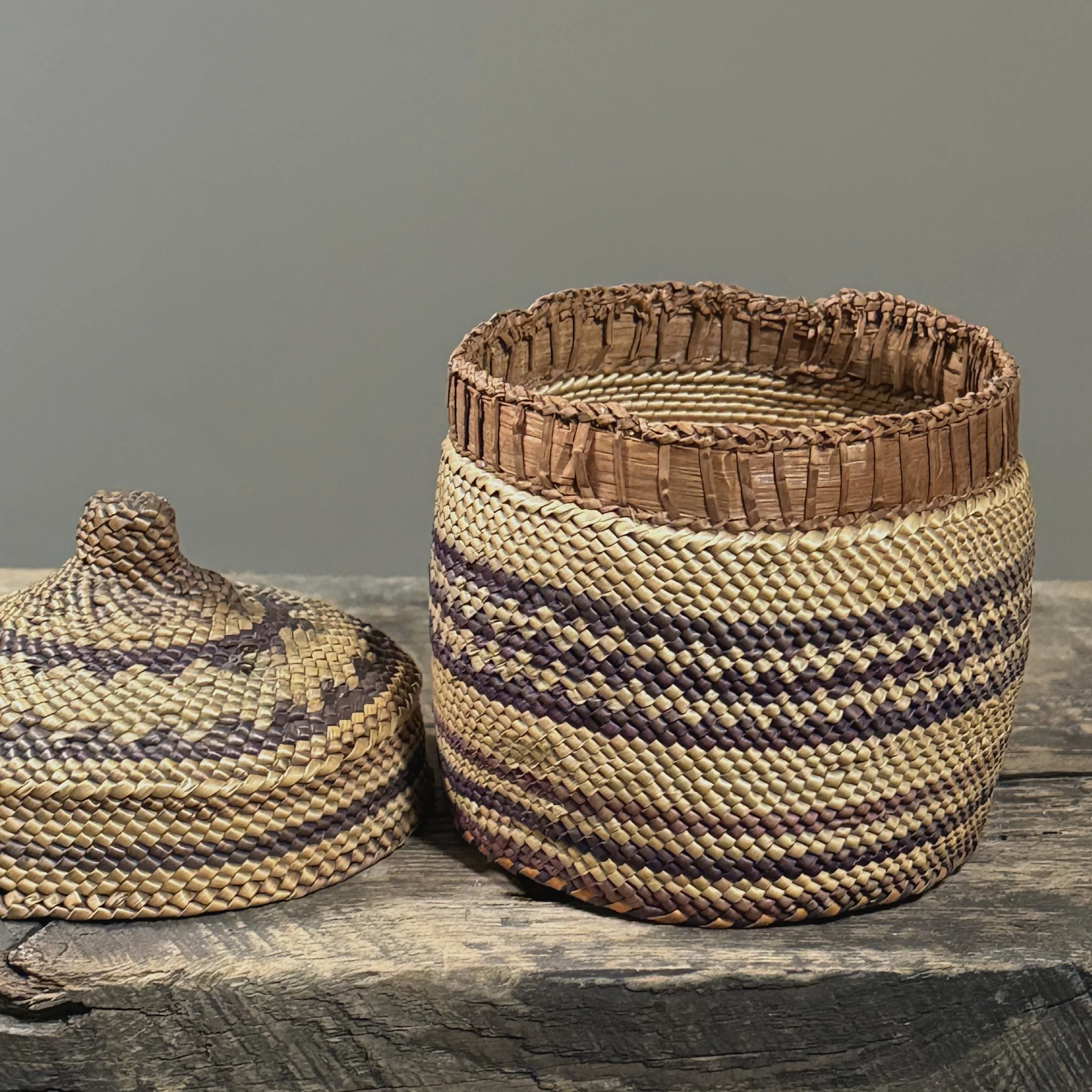 Image 5 of 11
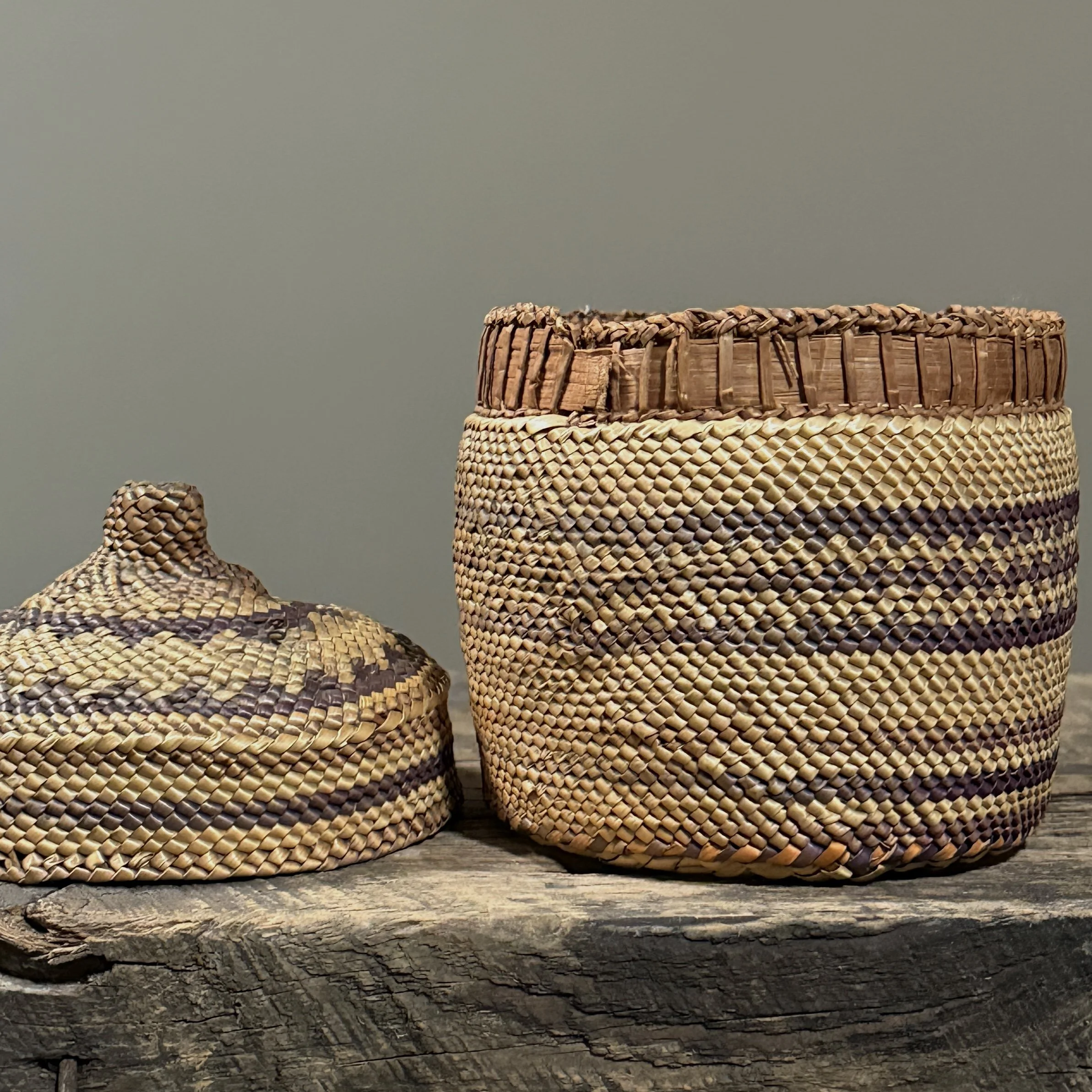 Image 6 of 11
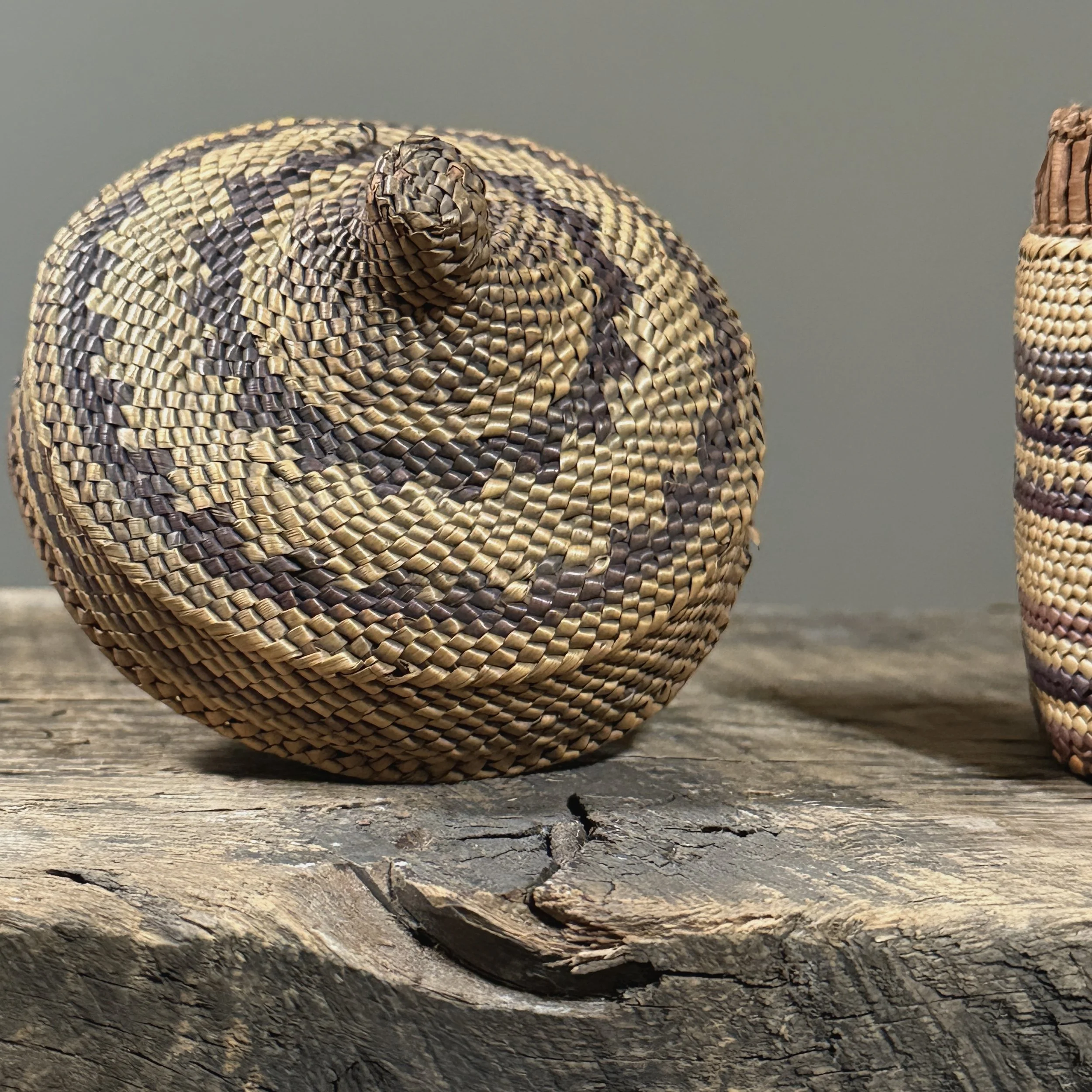 Image 7 of 11
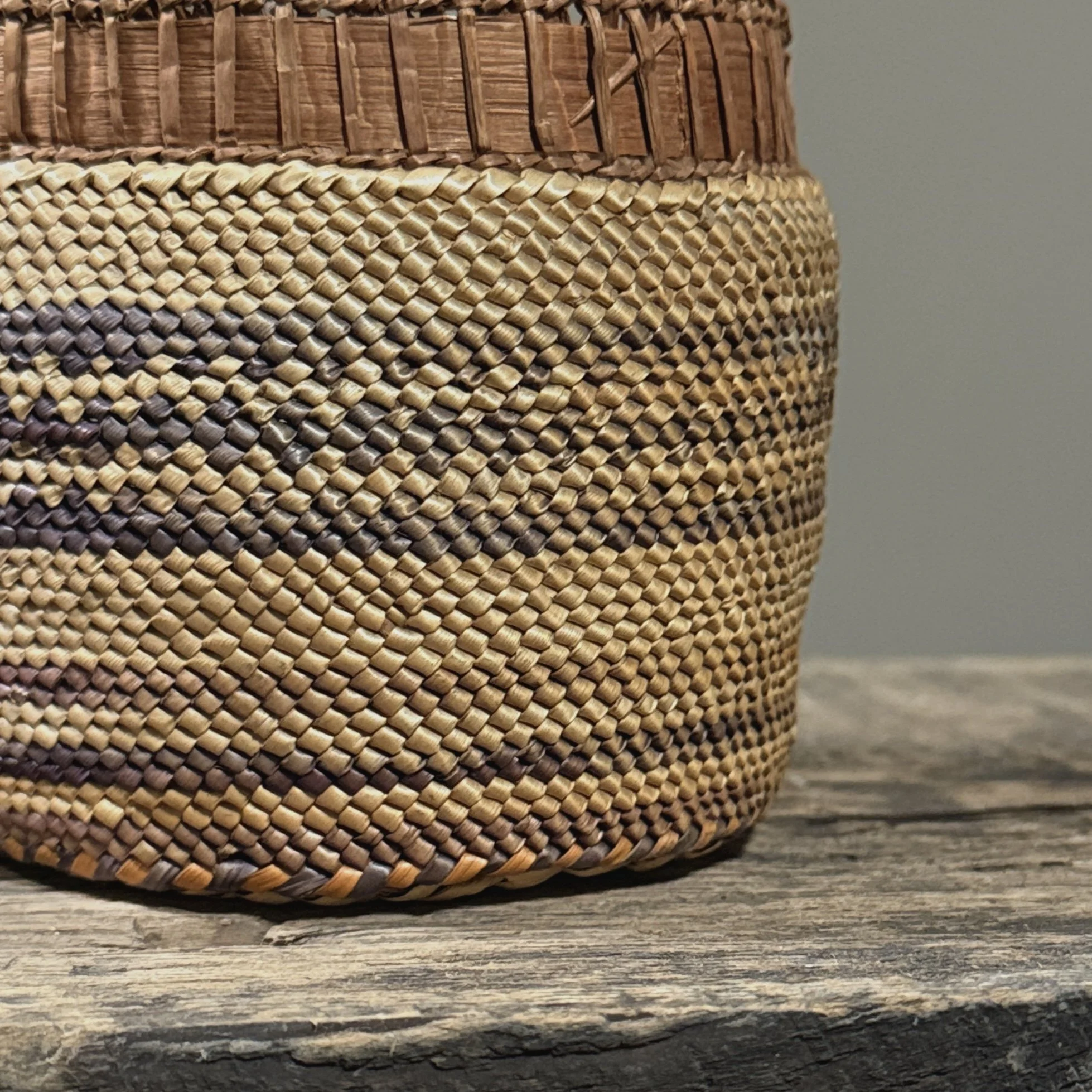 Image 8 of 11
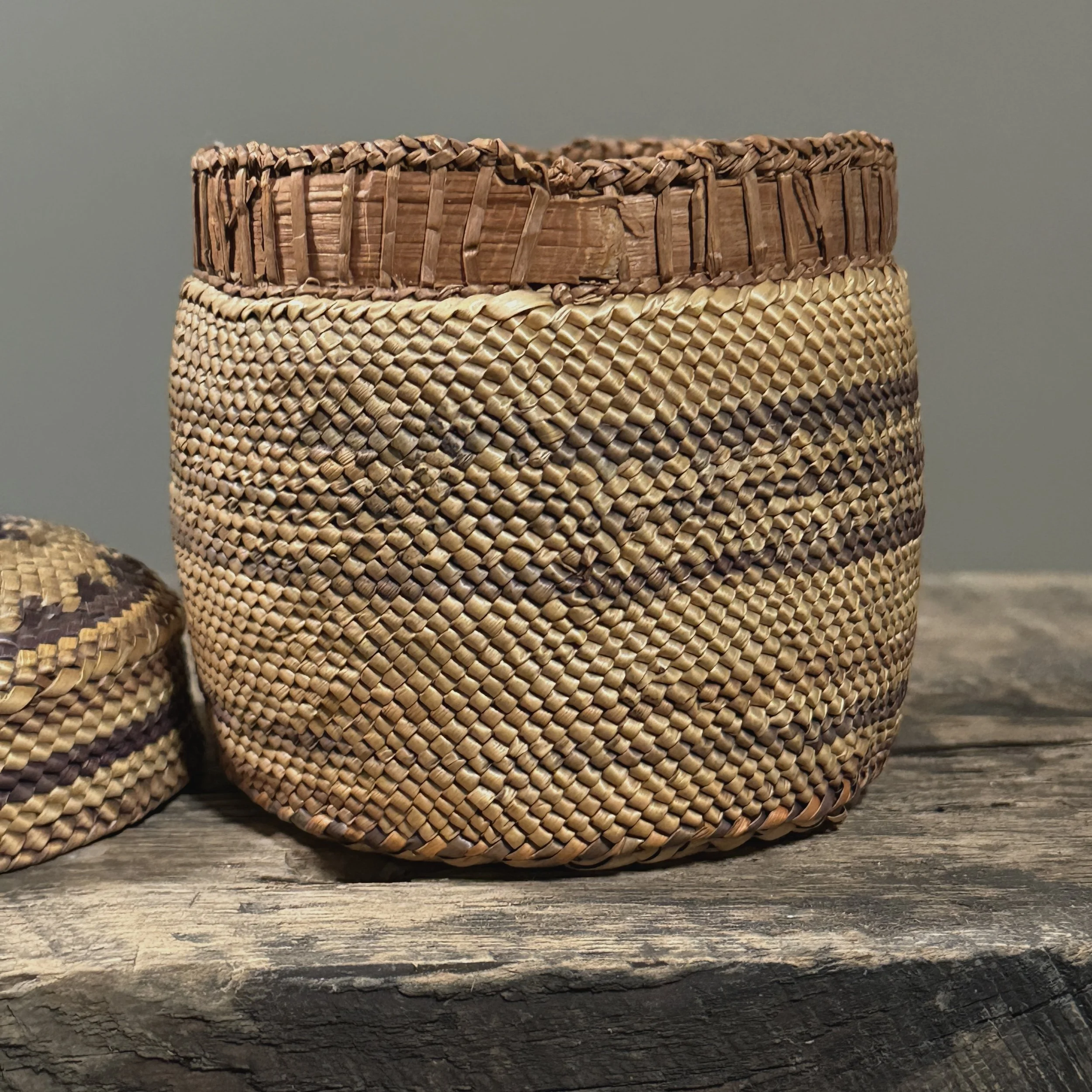 Image 9 of 11
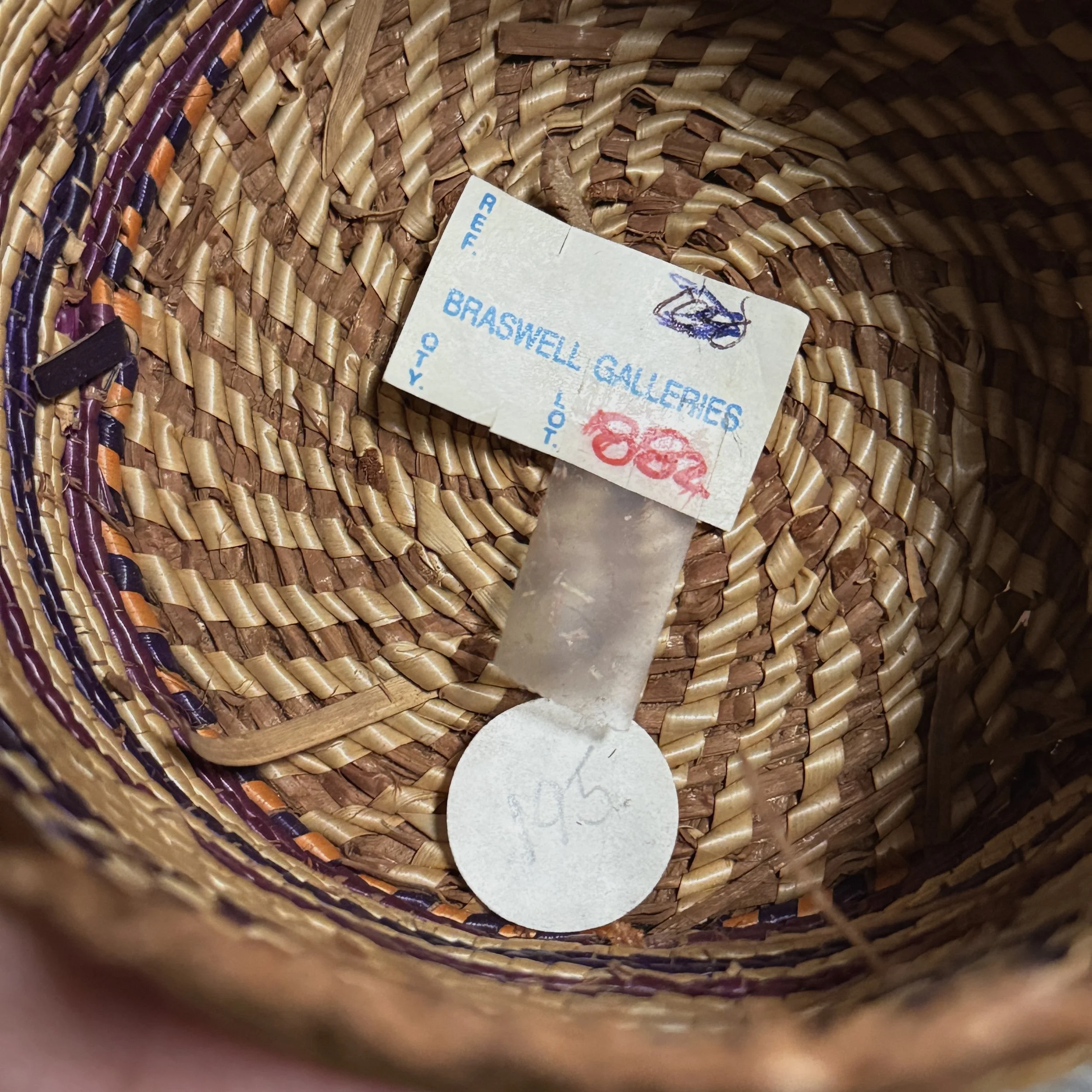 Image 10 of 11
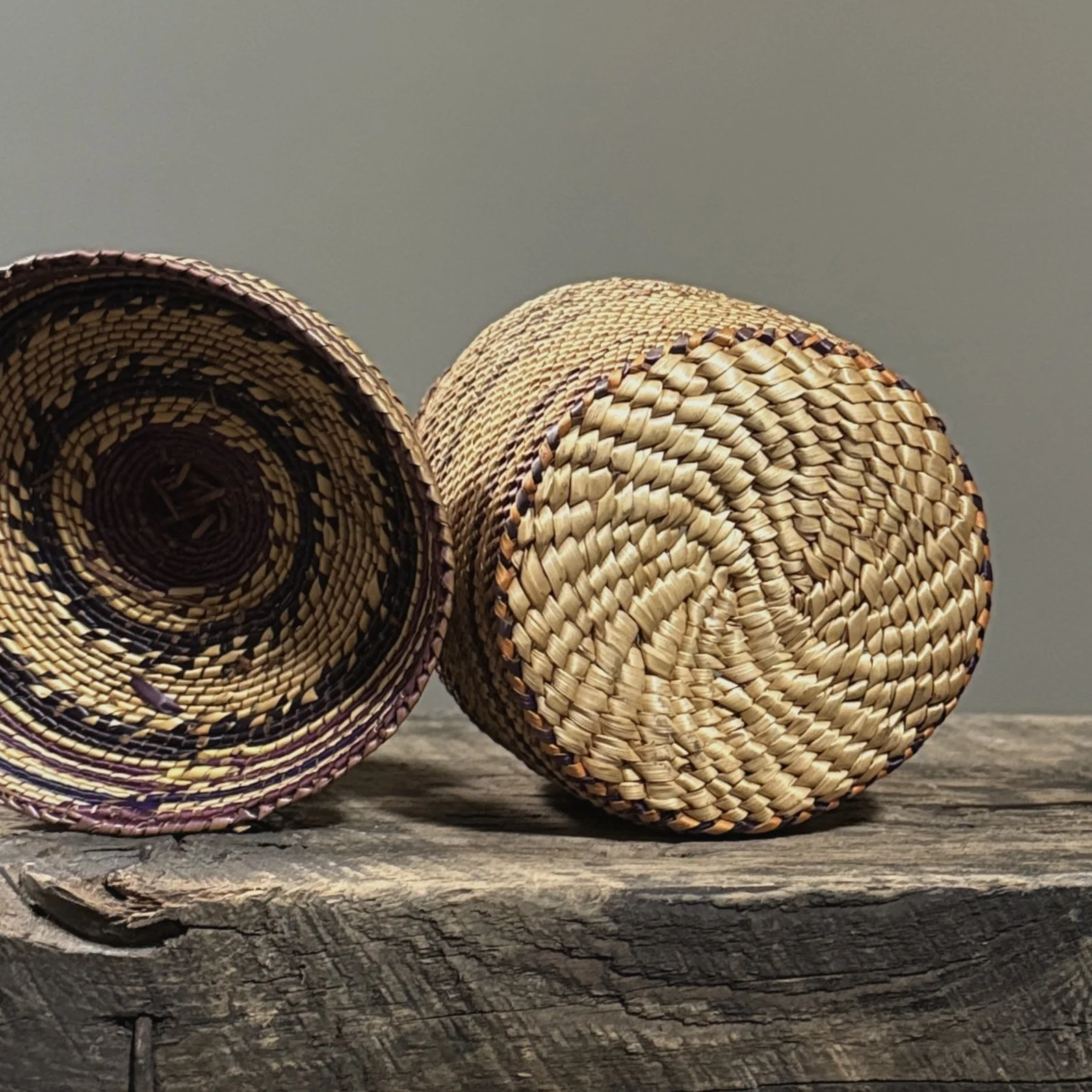 Image 11 of 11