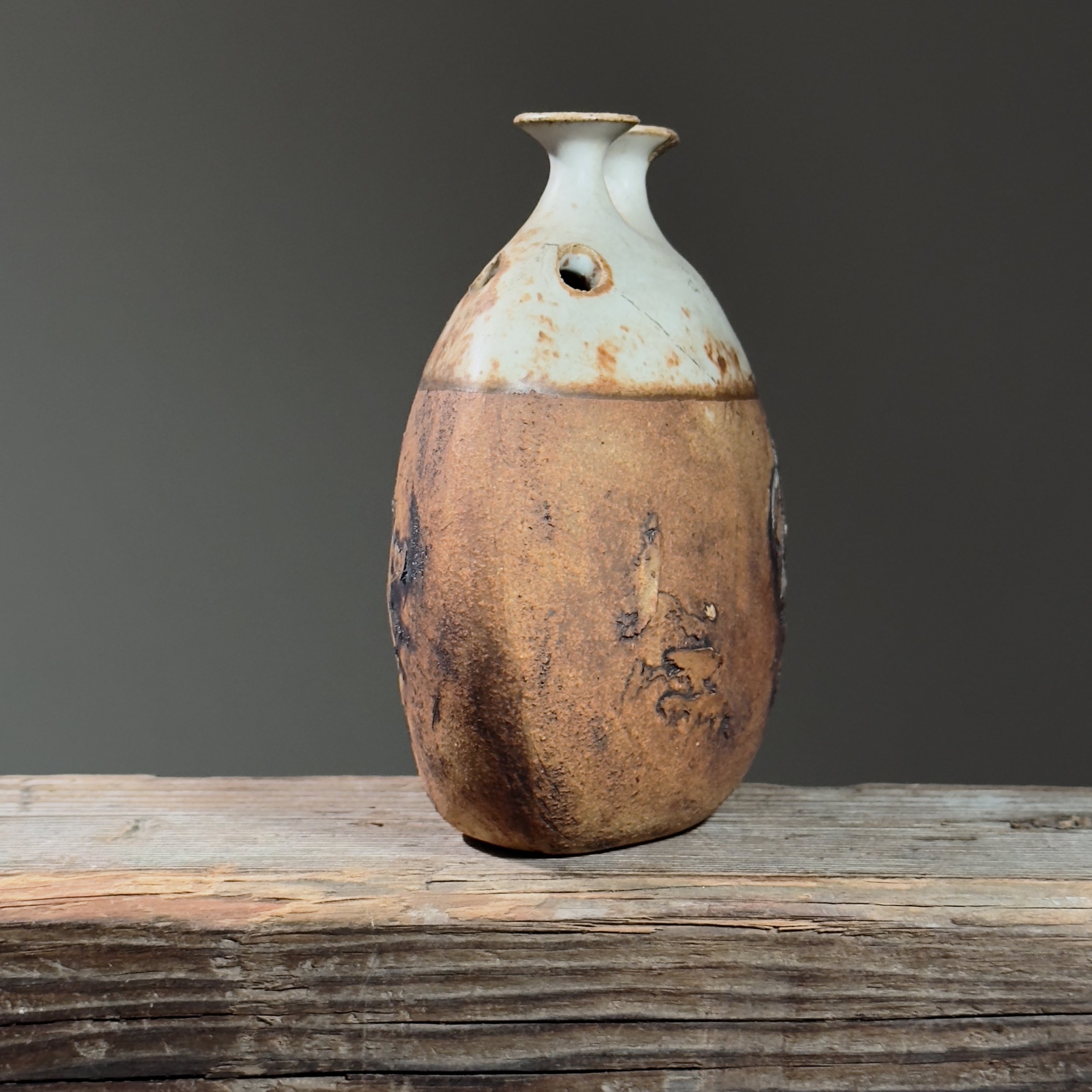
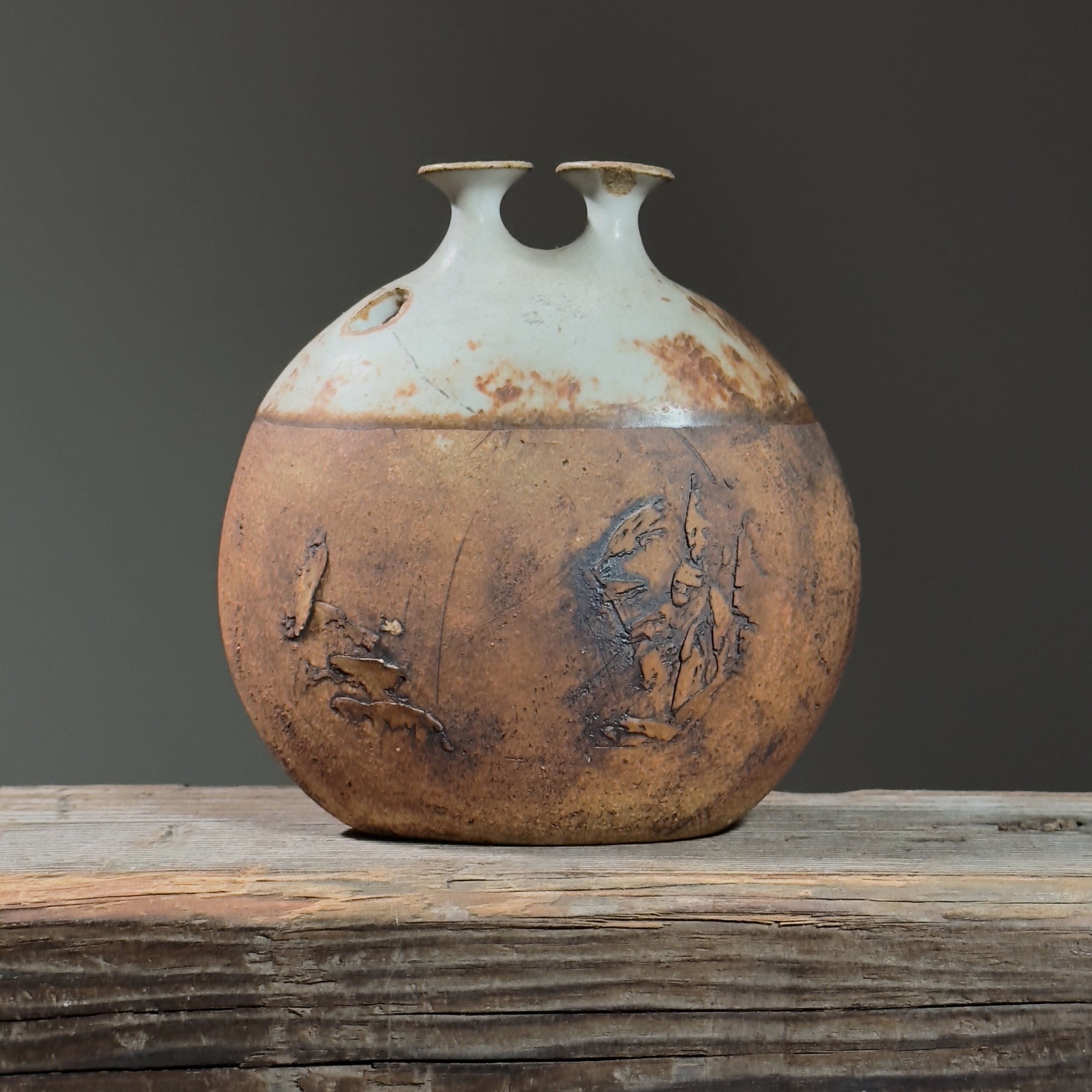
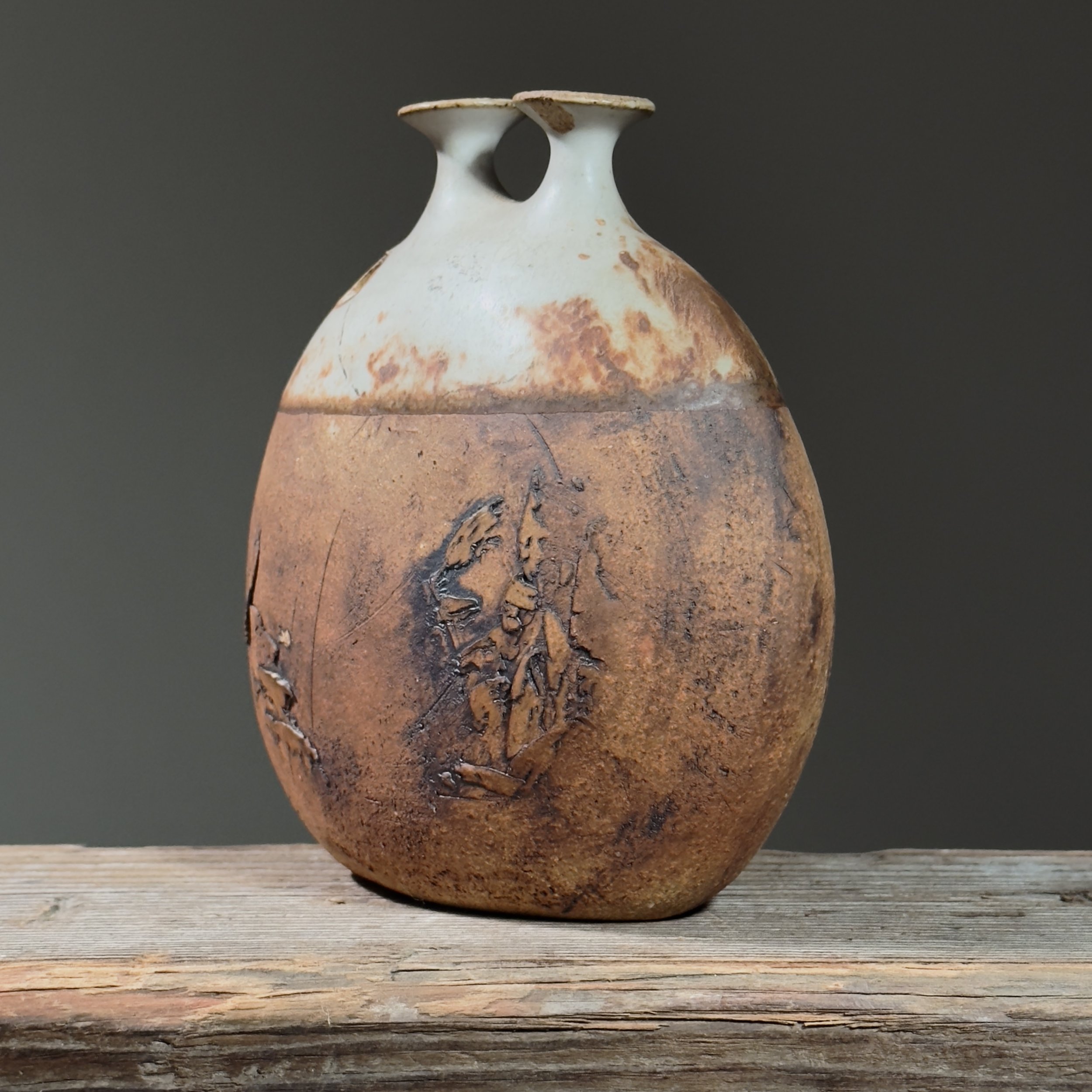
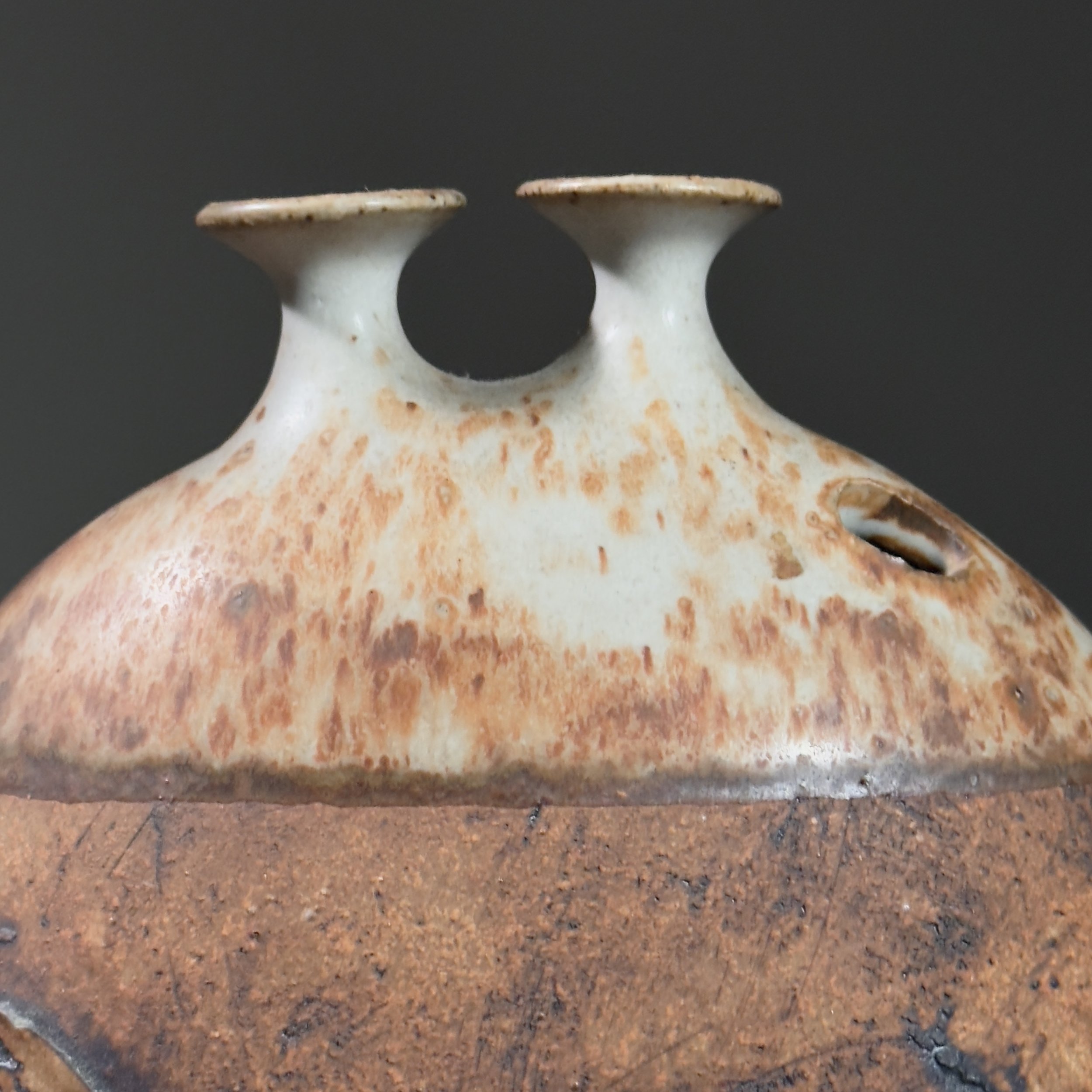
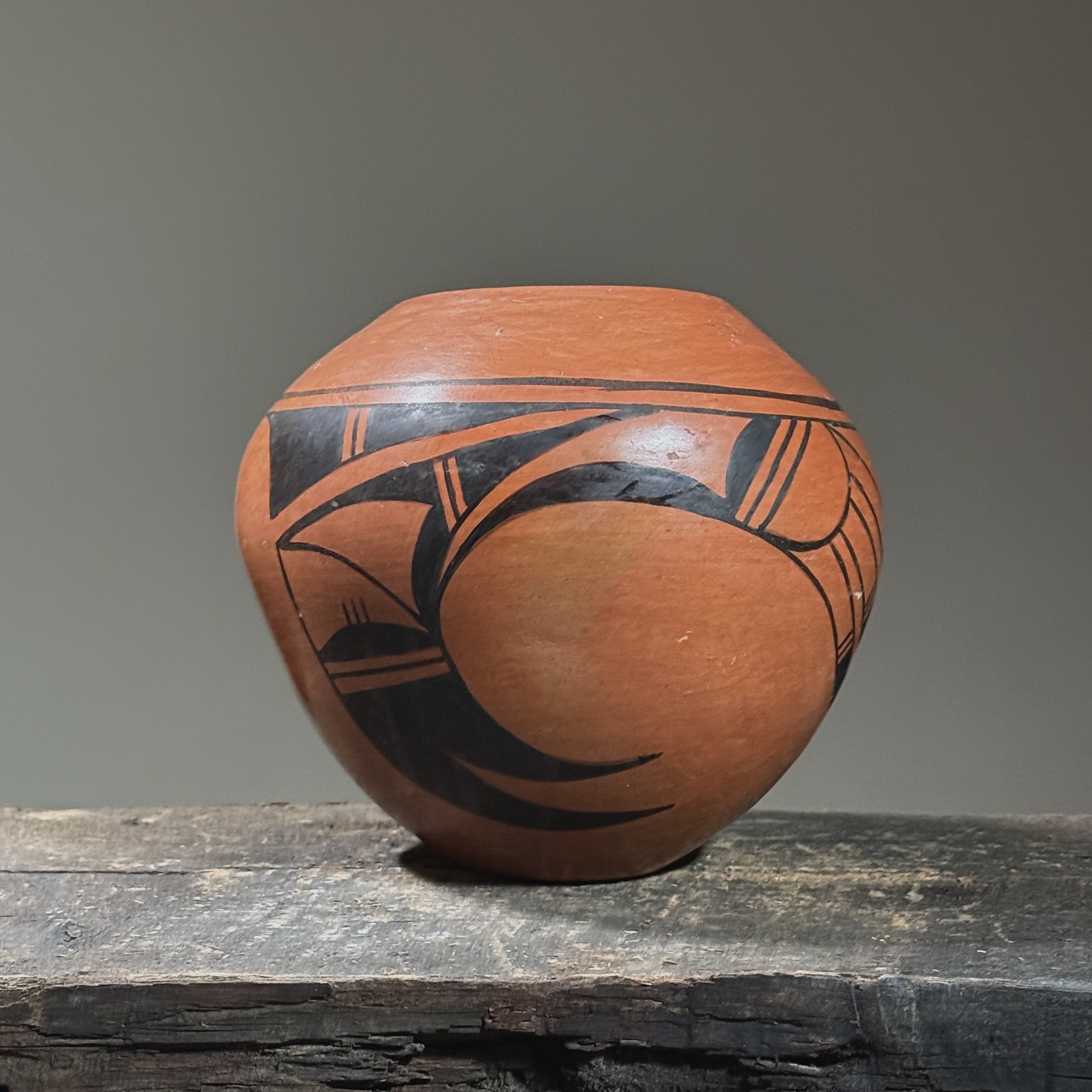
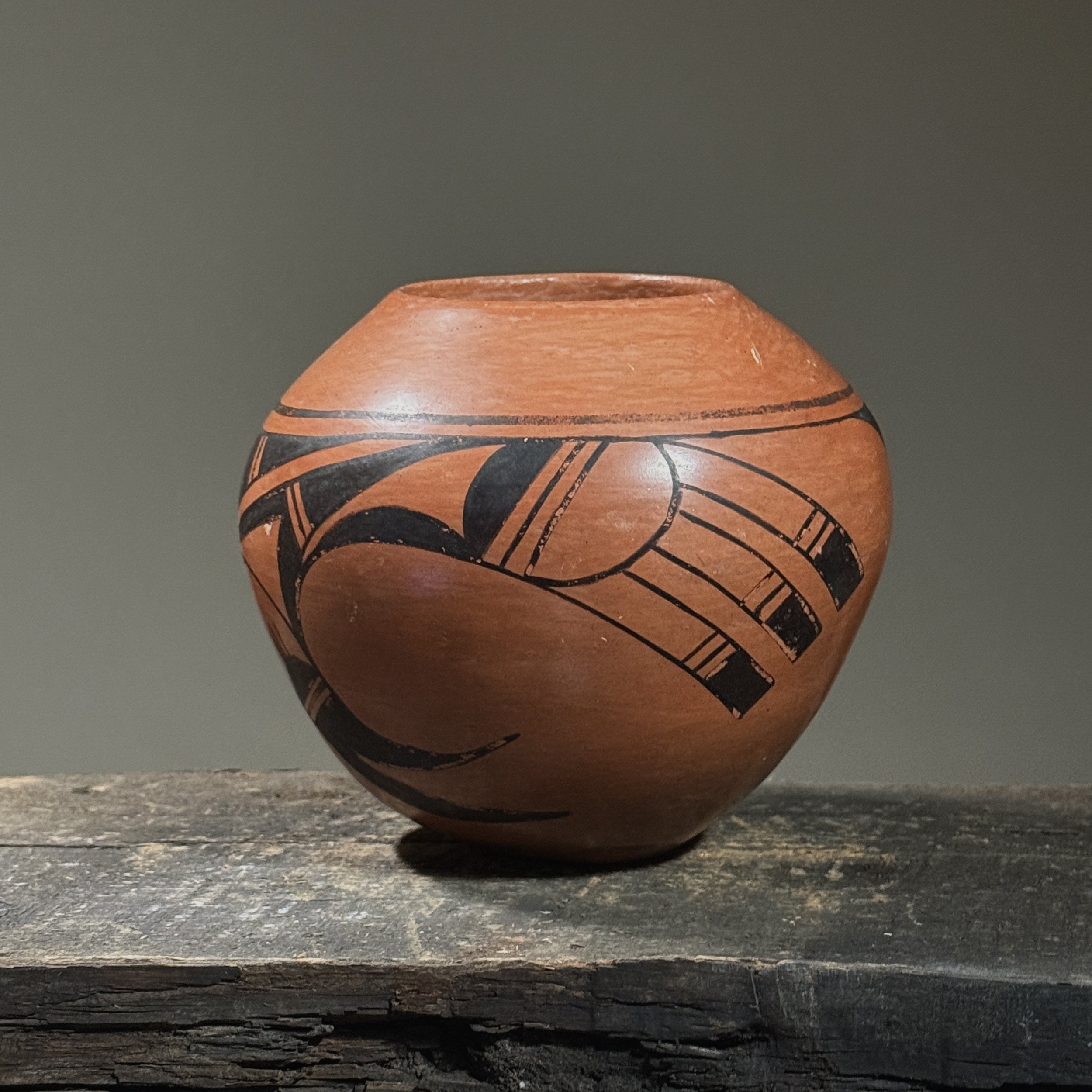
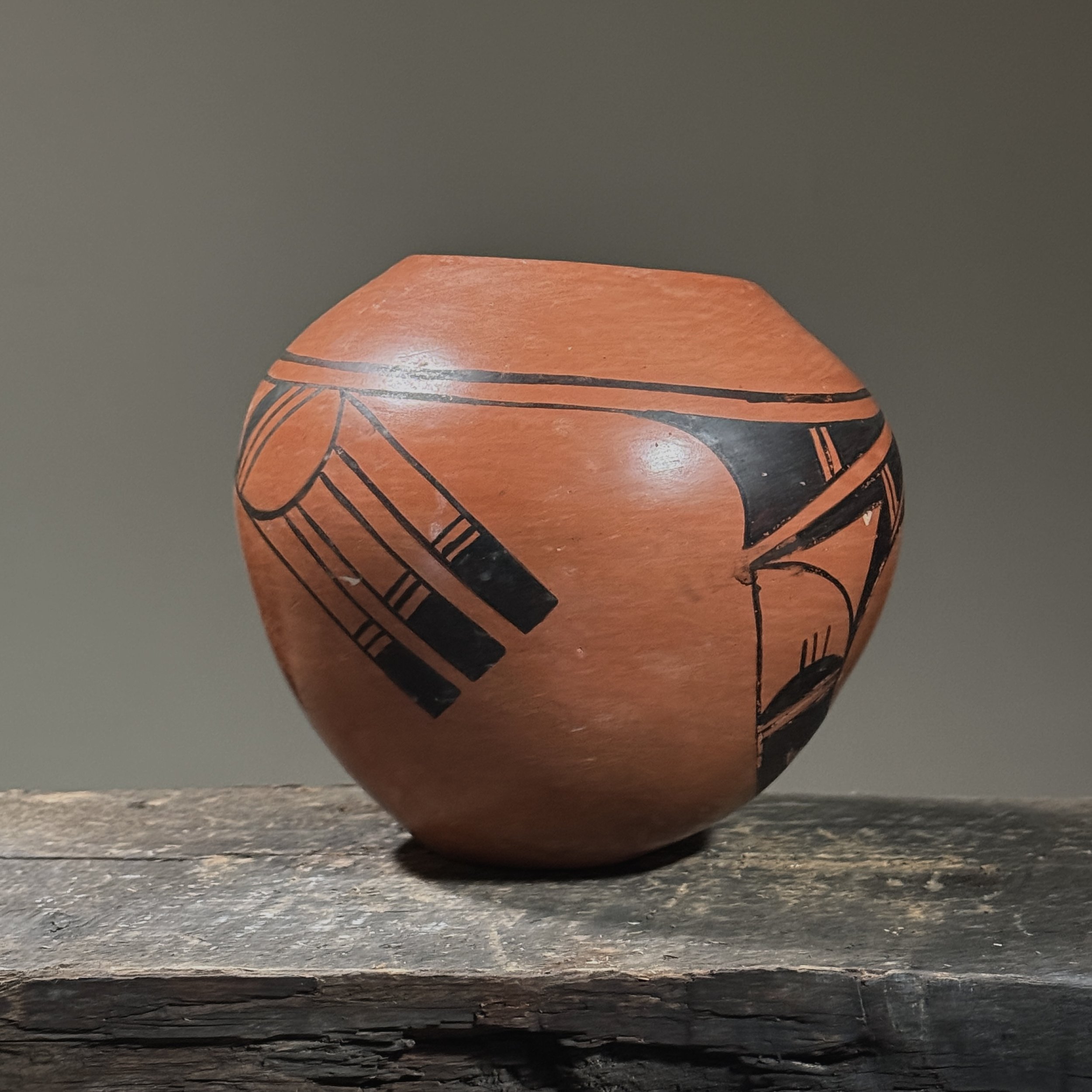
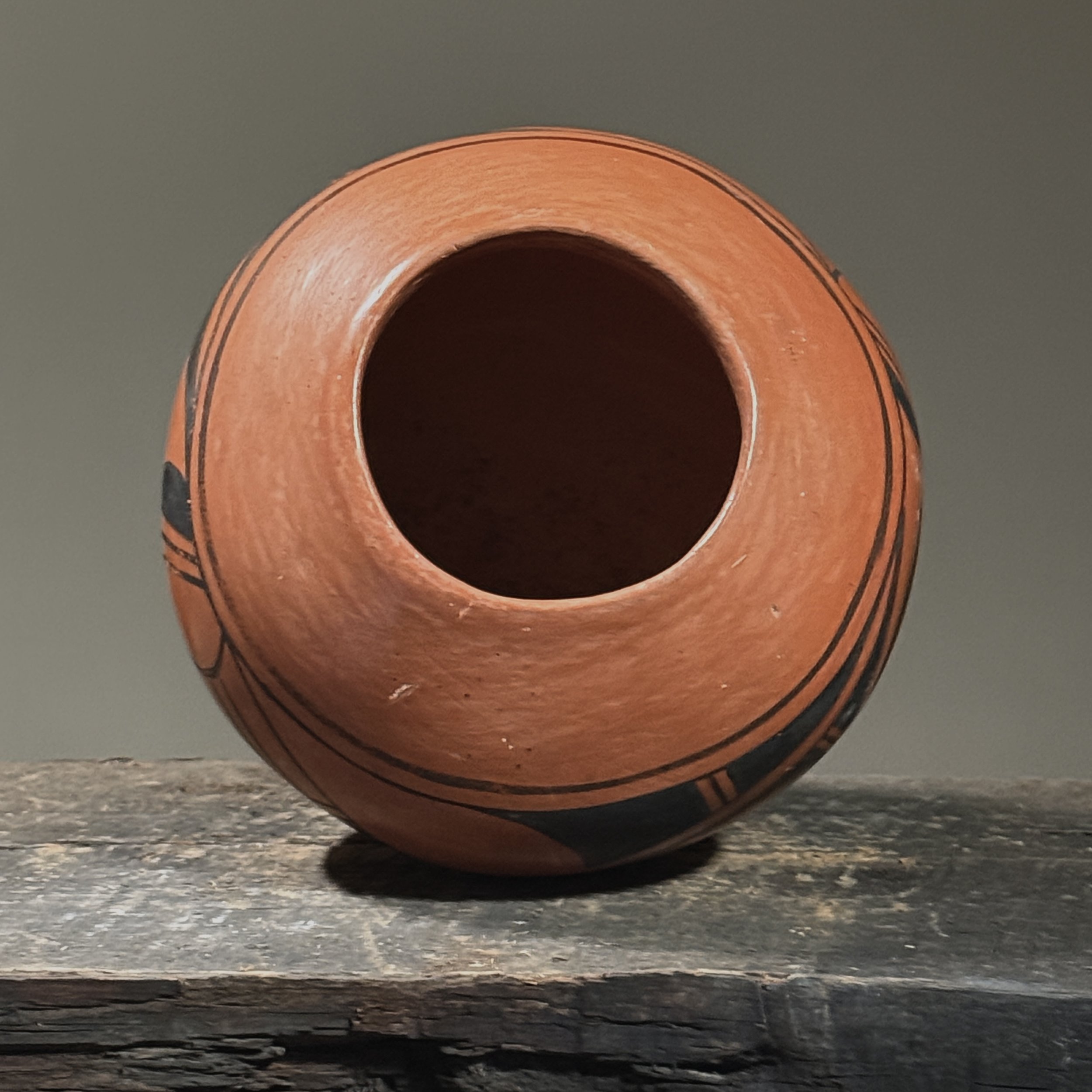
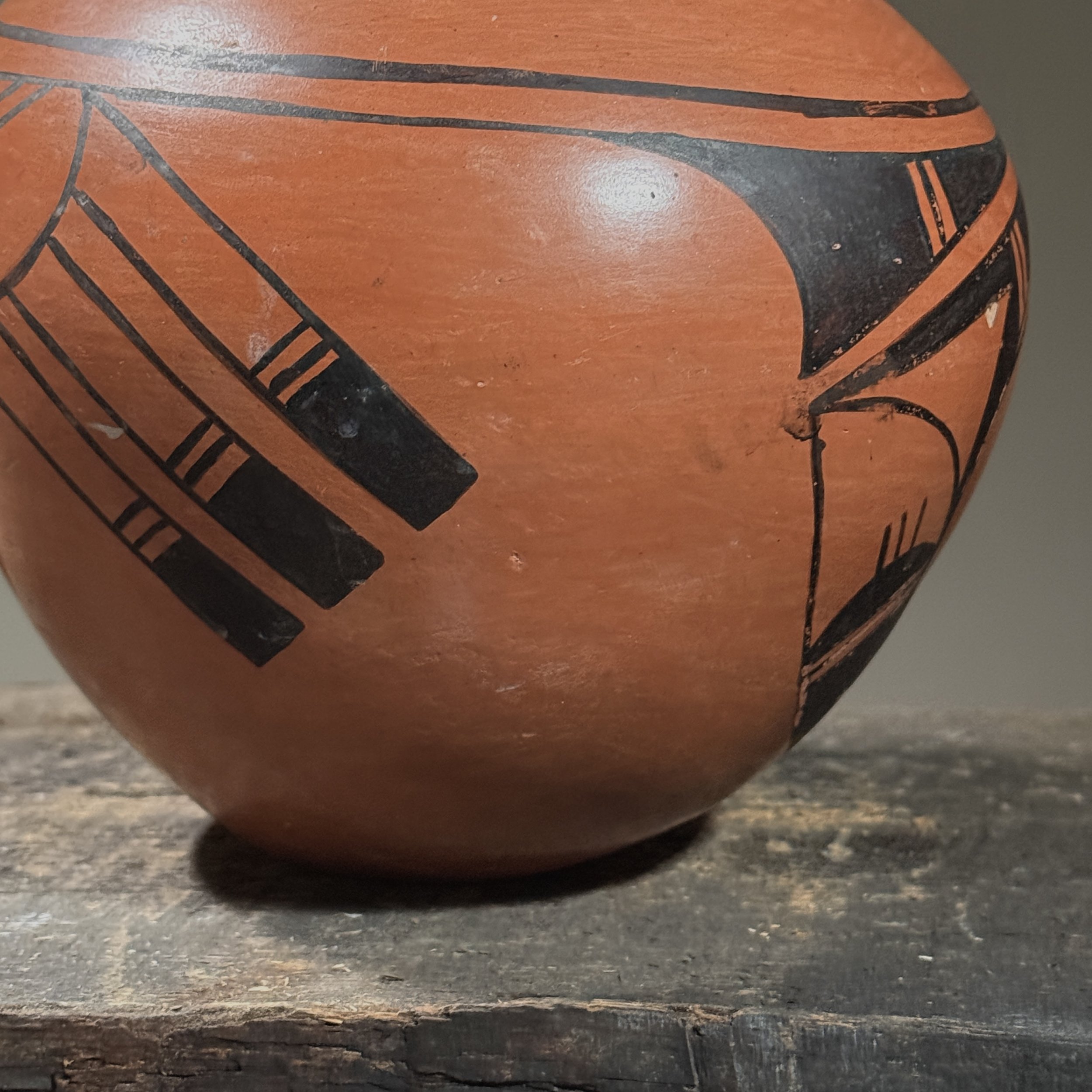
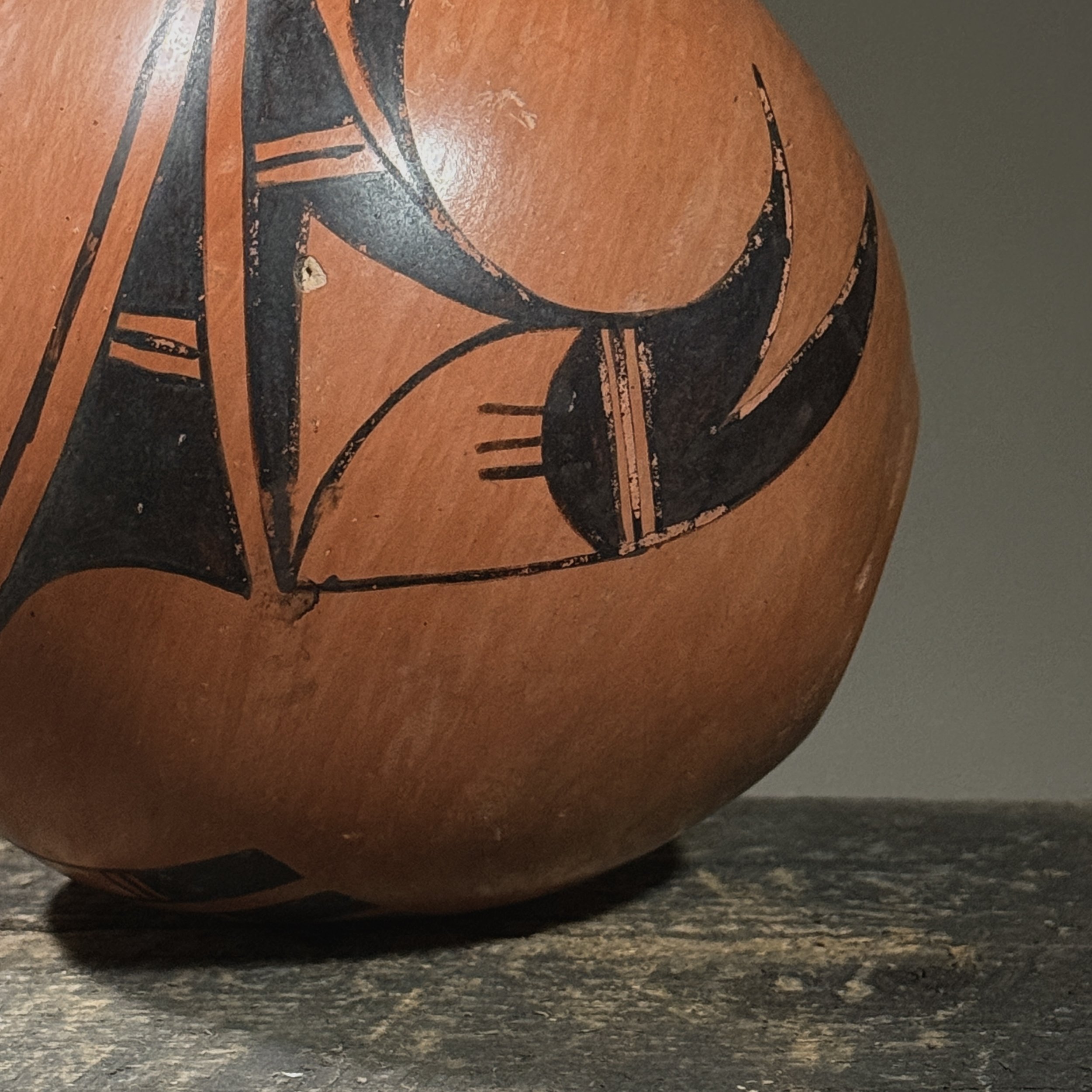
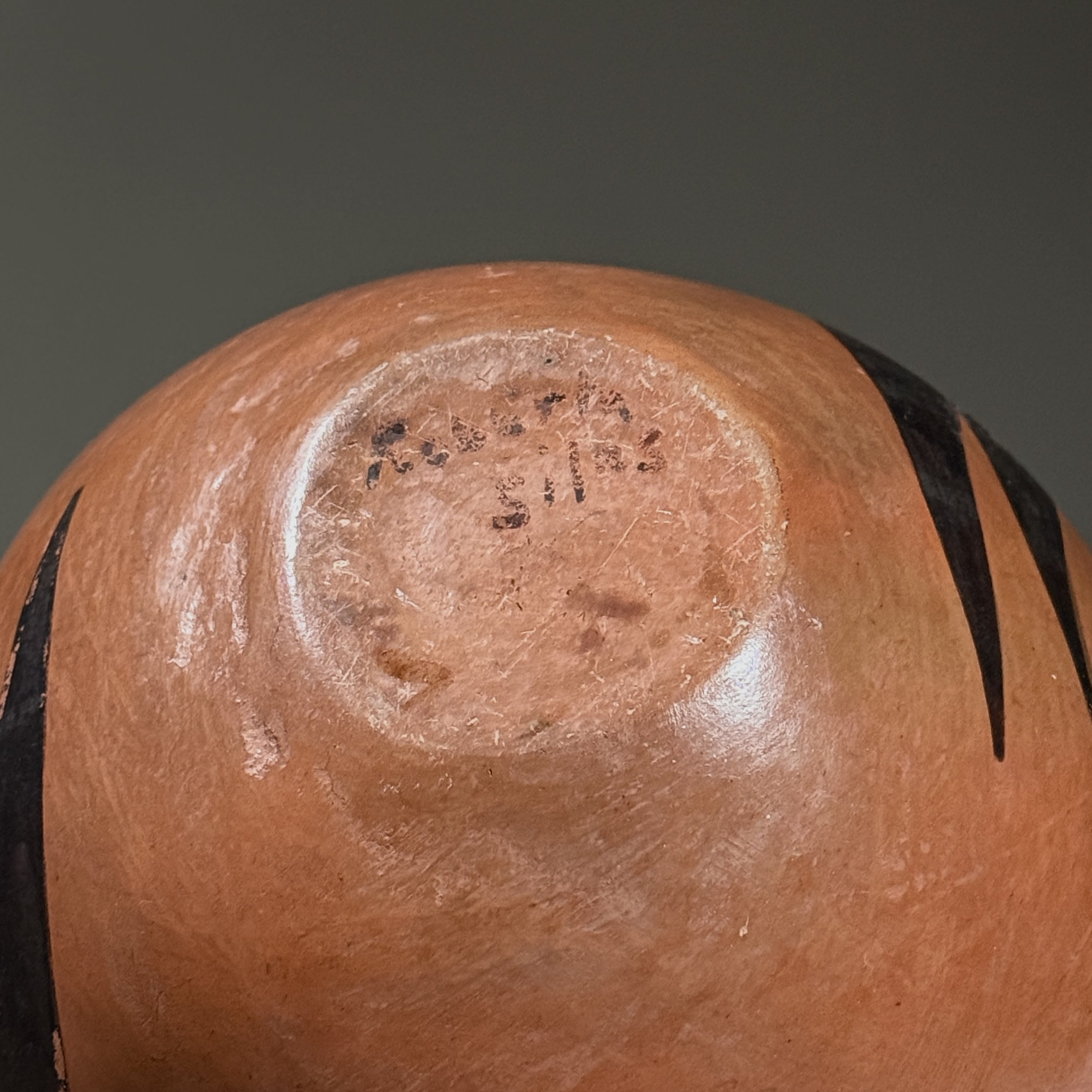
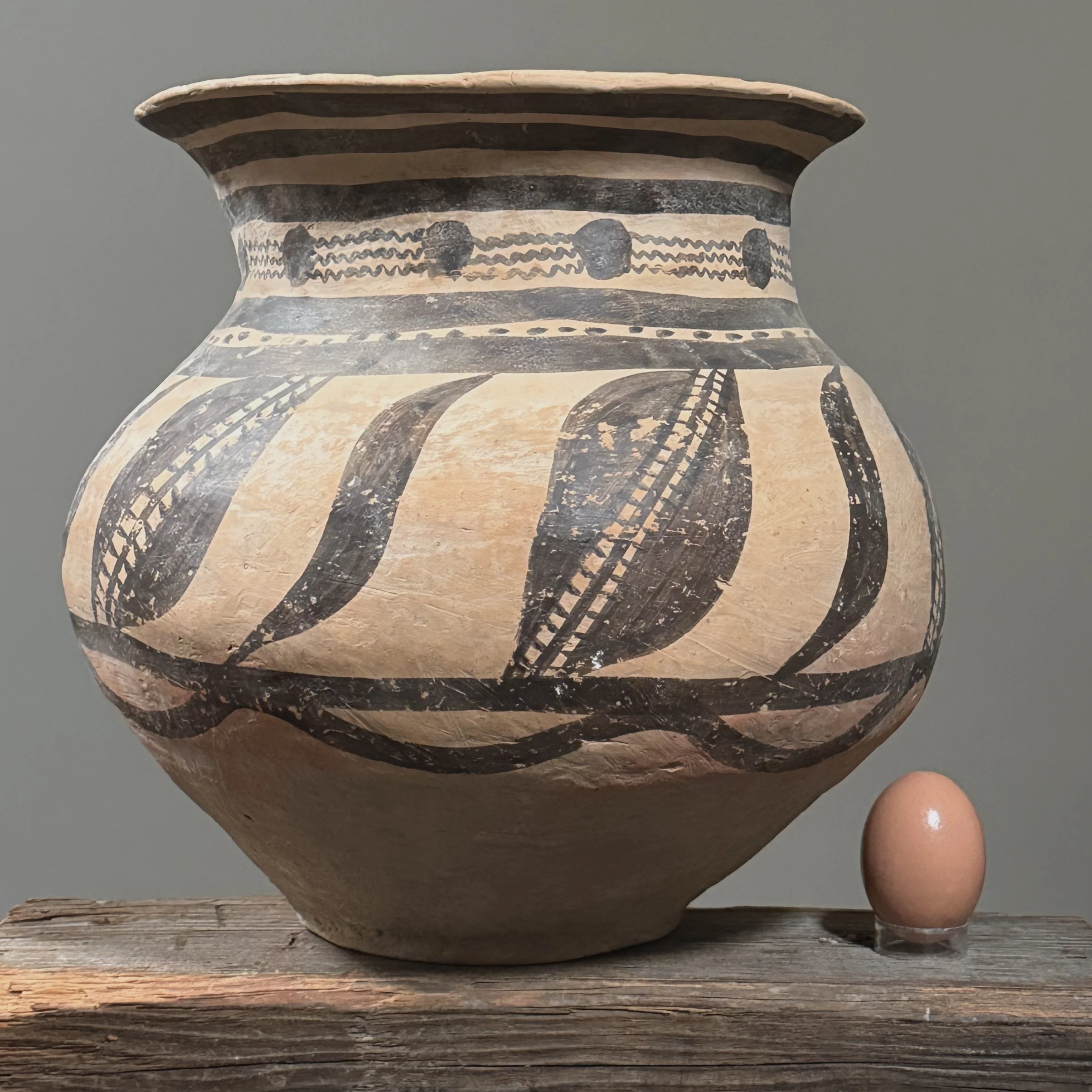
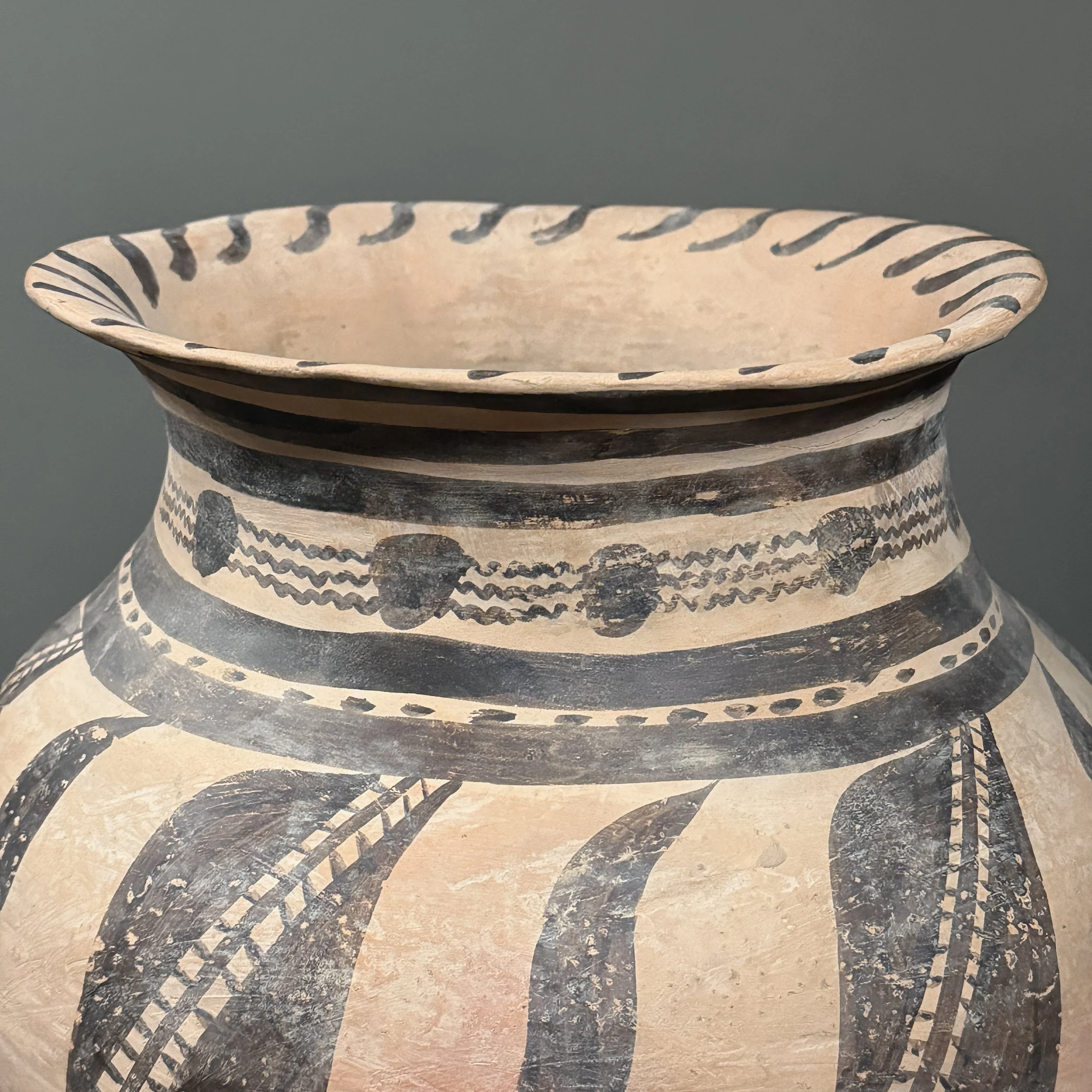
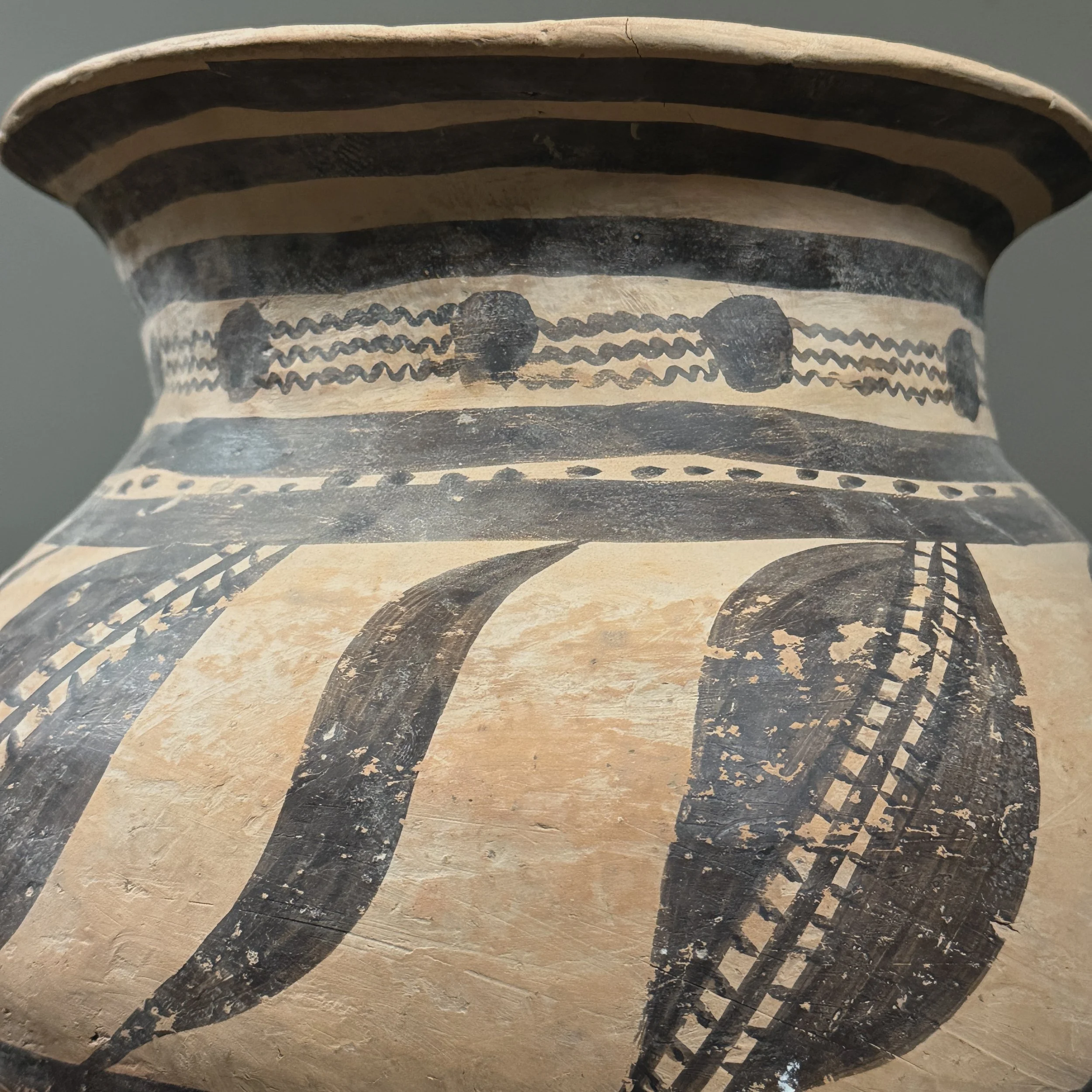
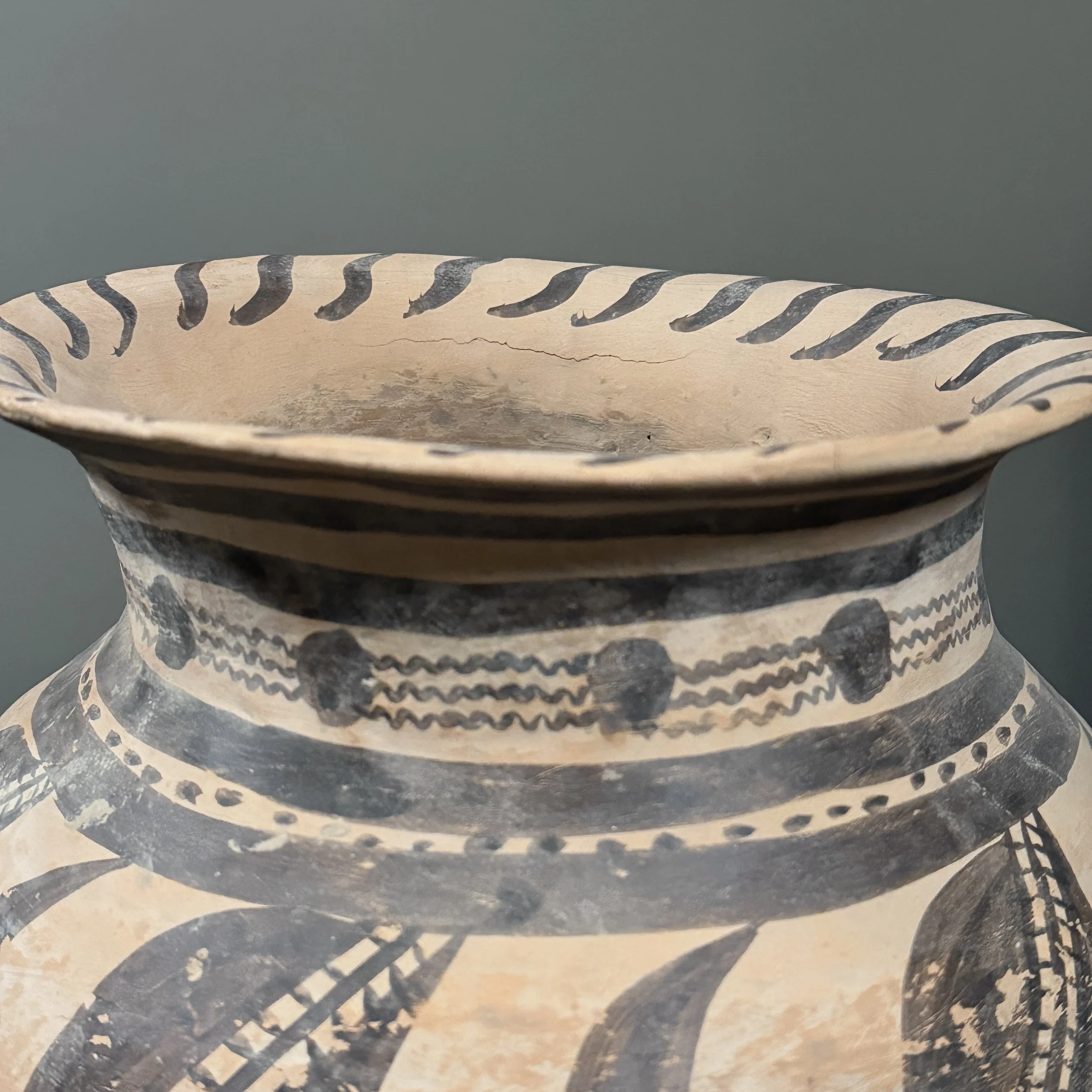
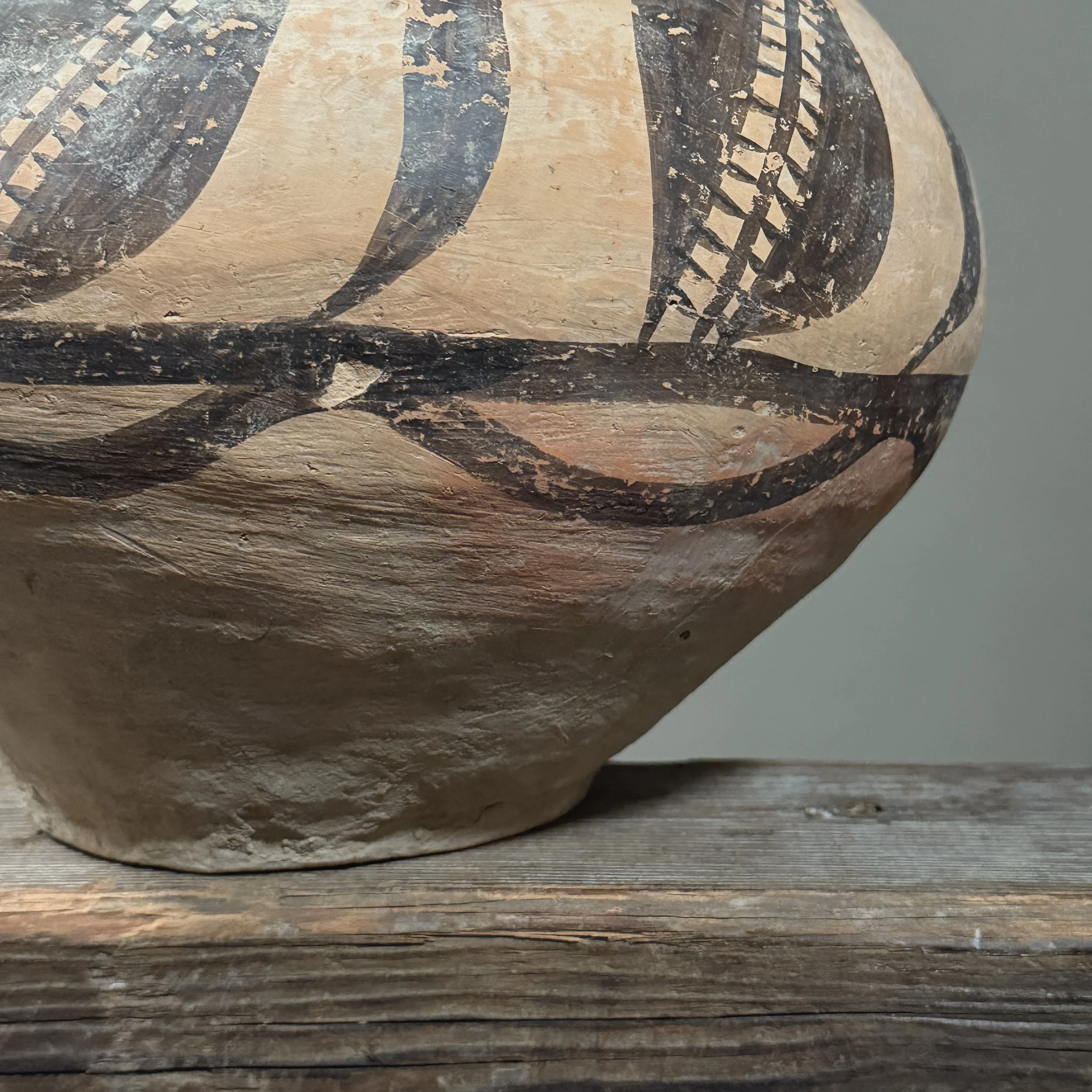
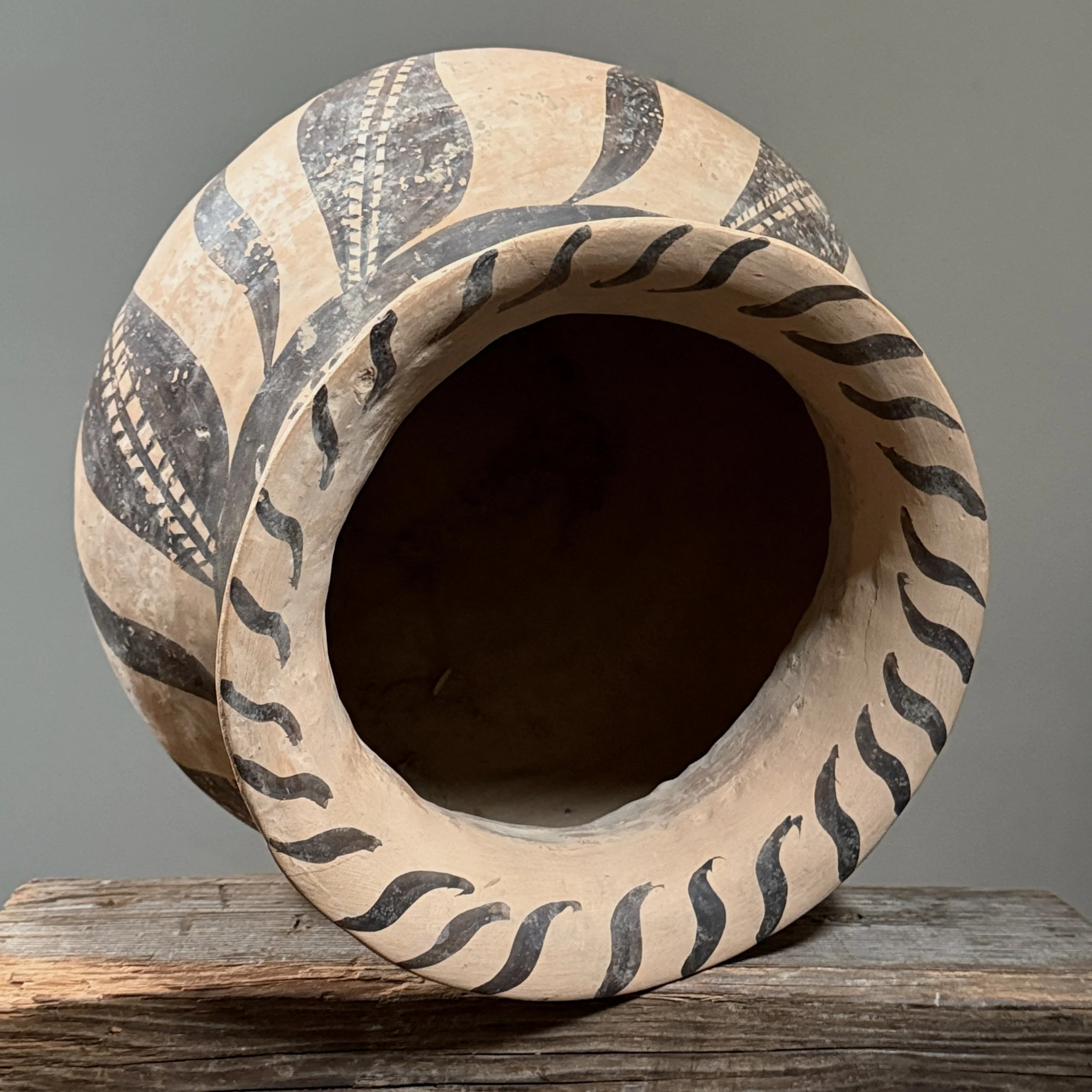
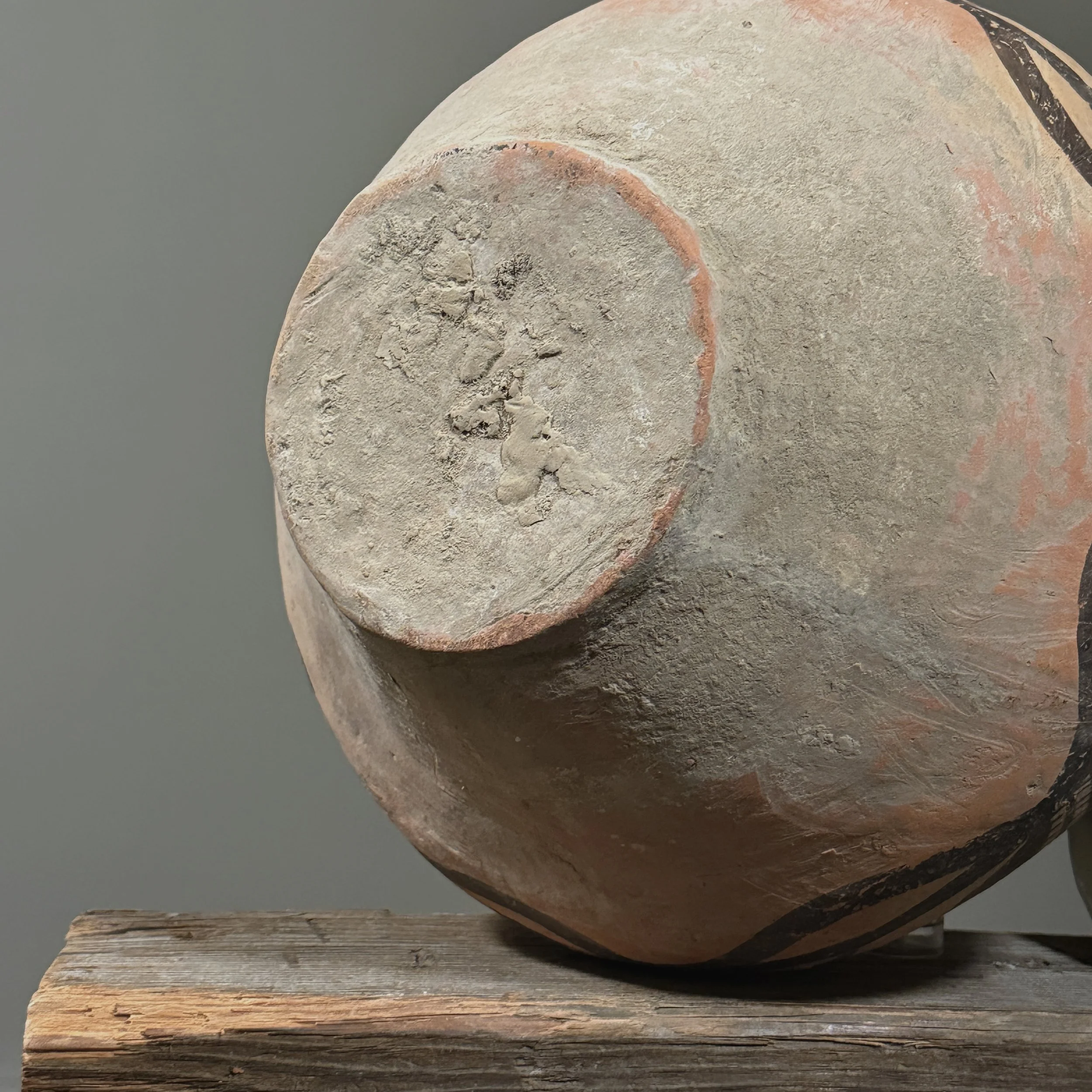
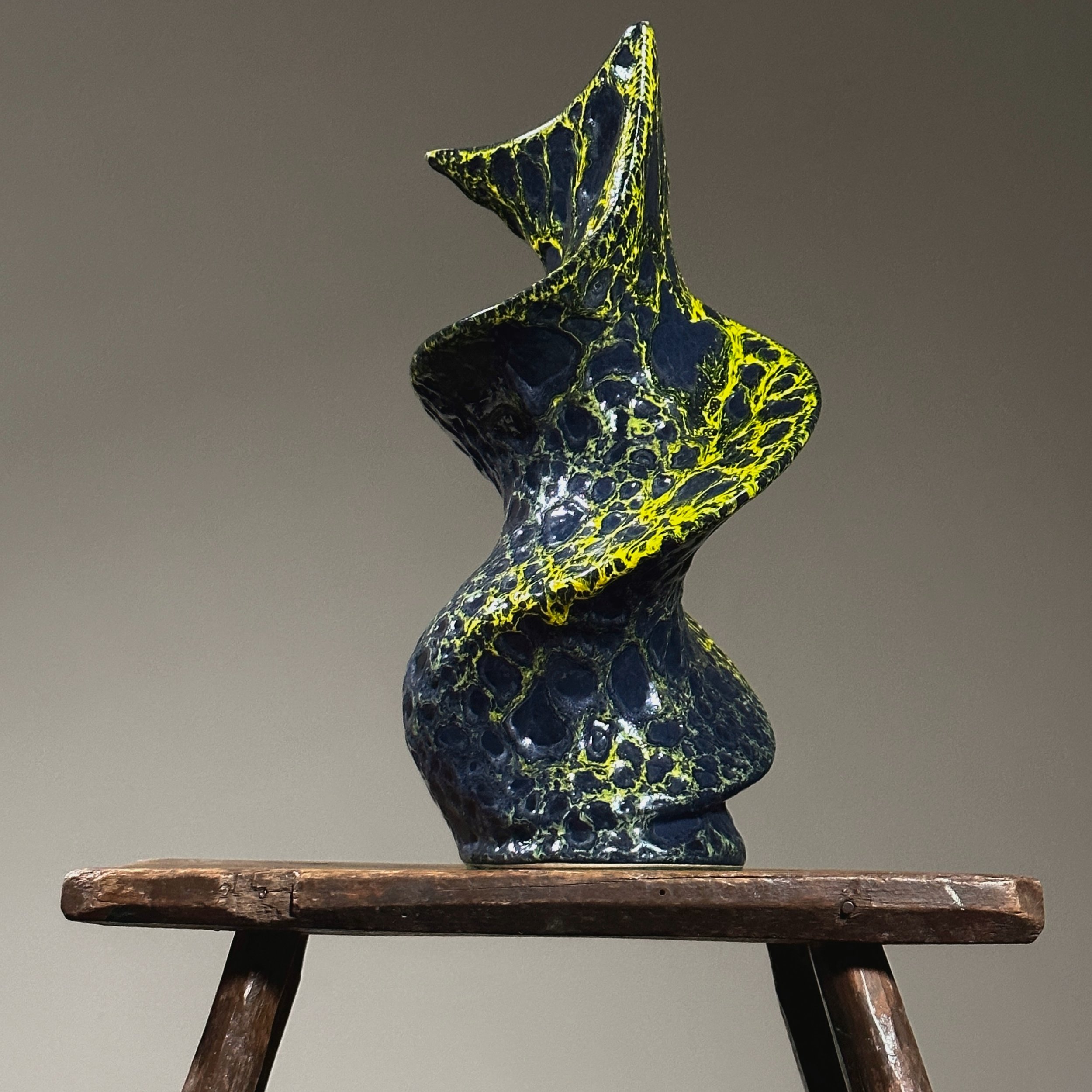
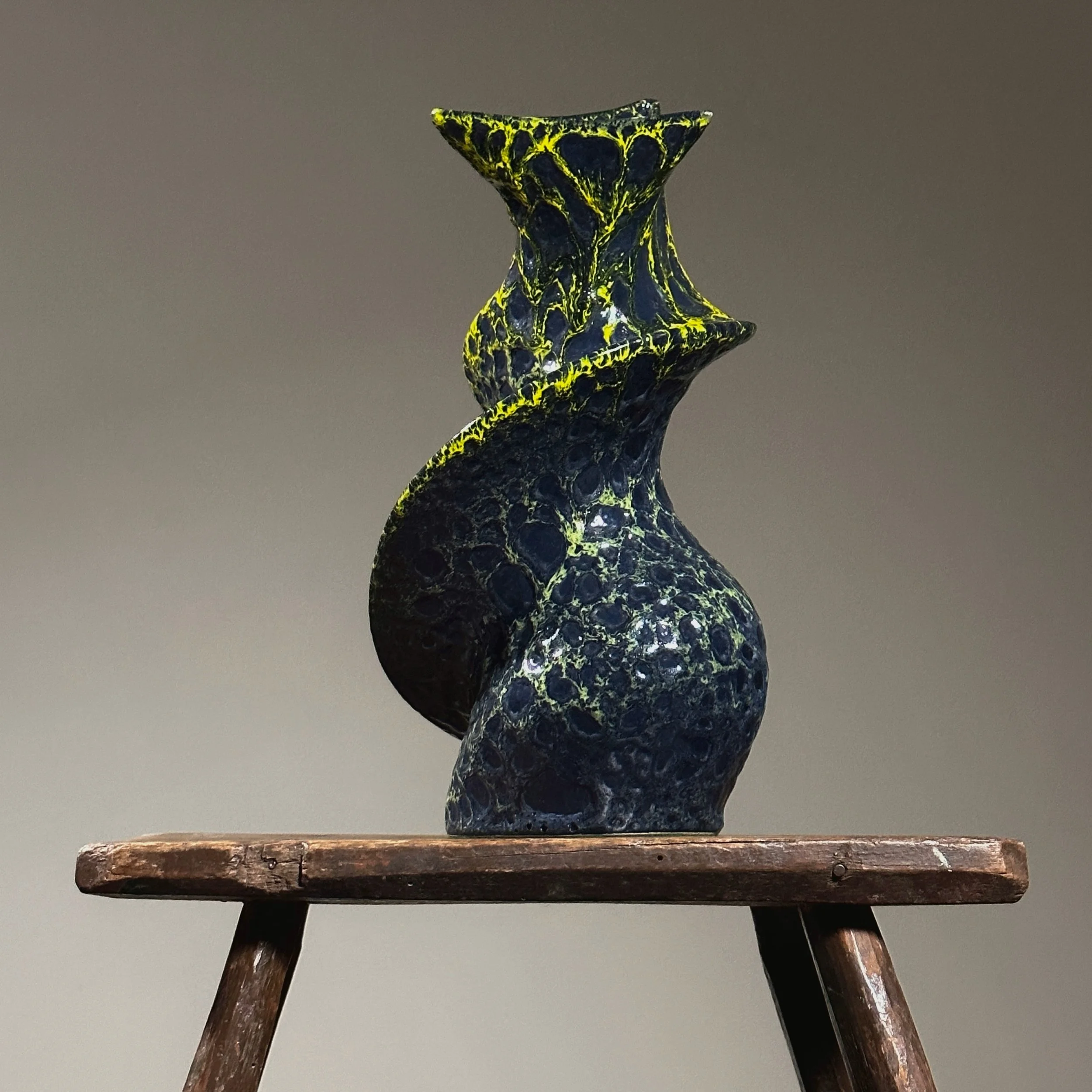
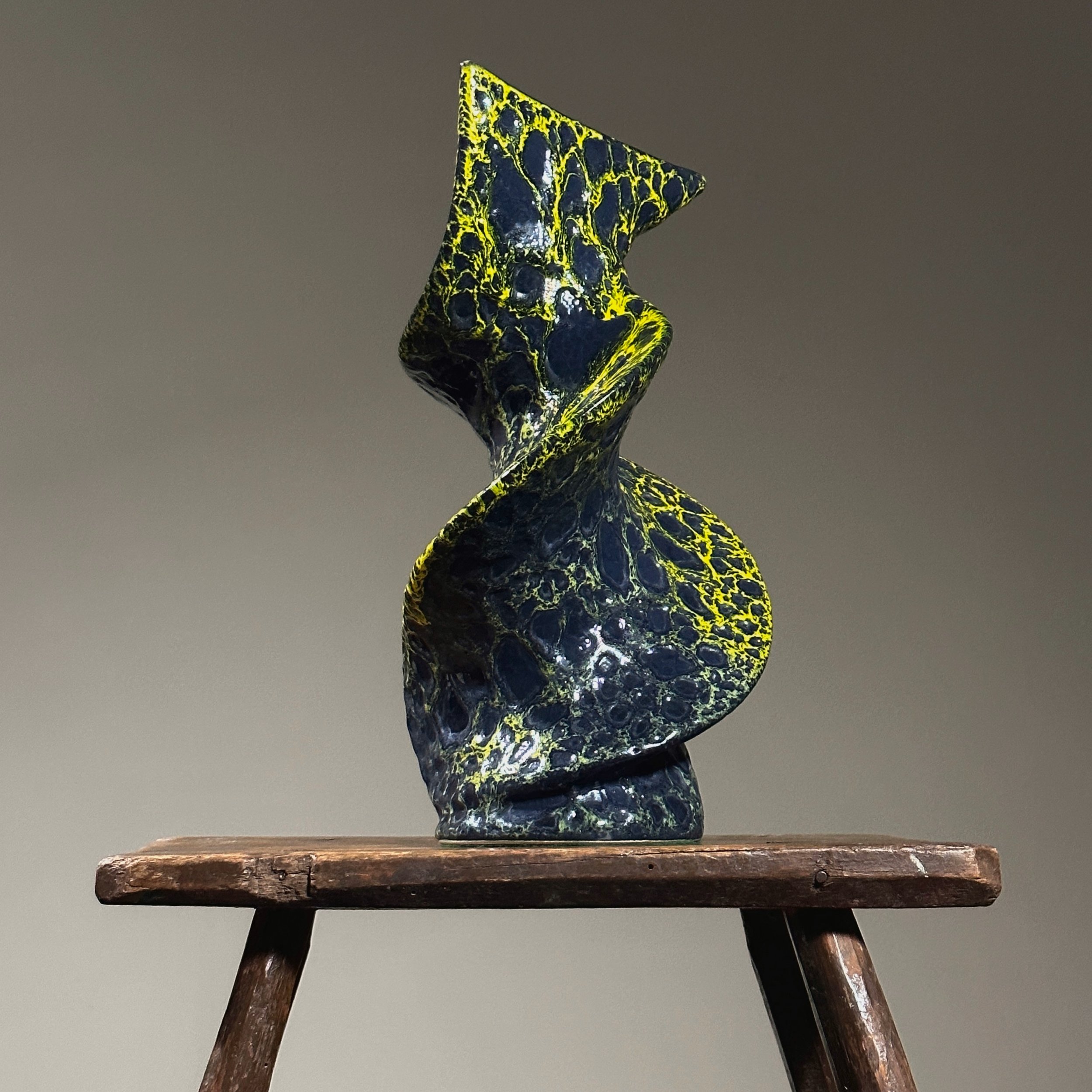
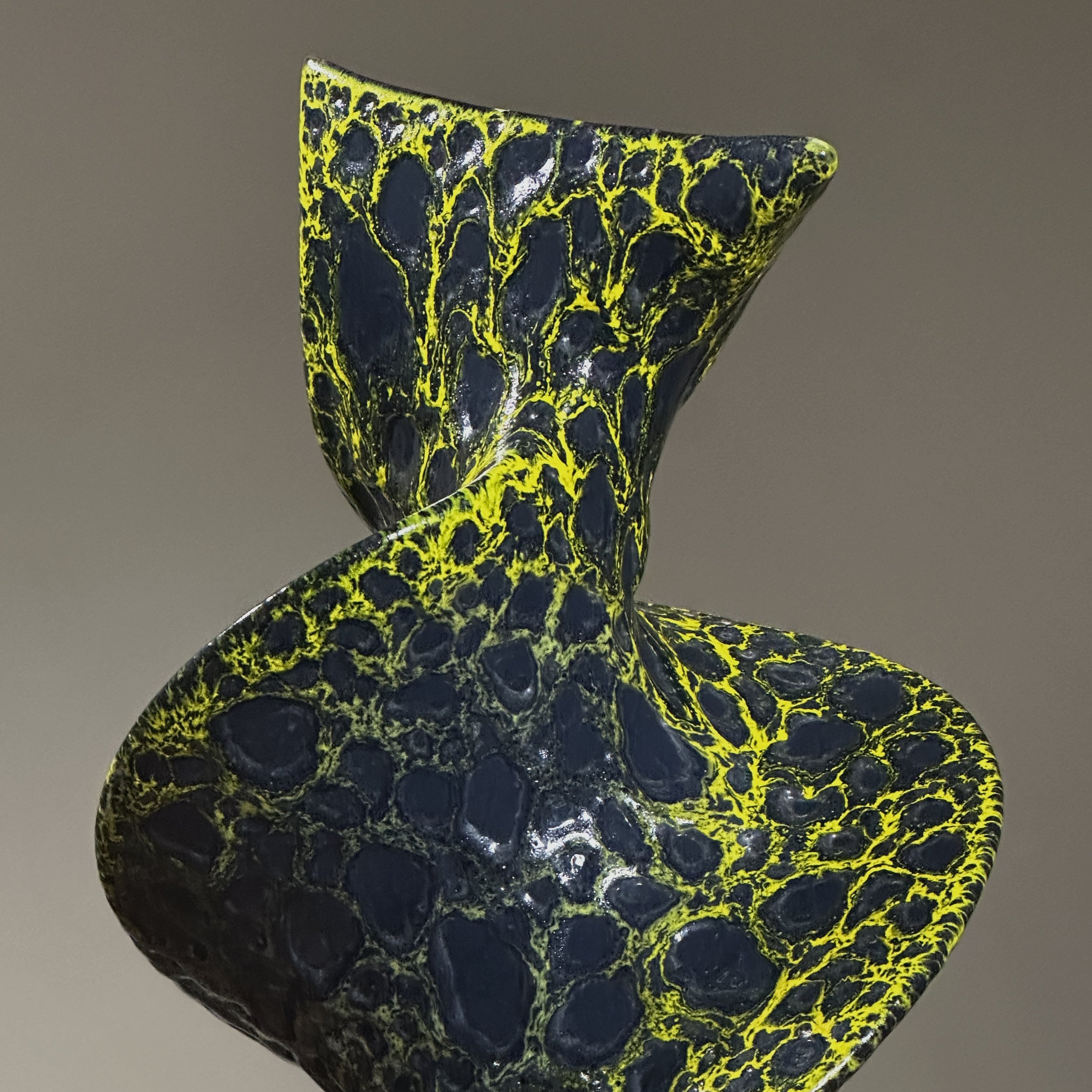
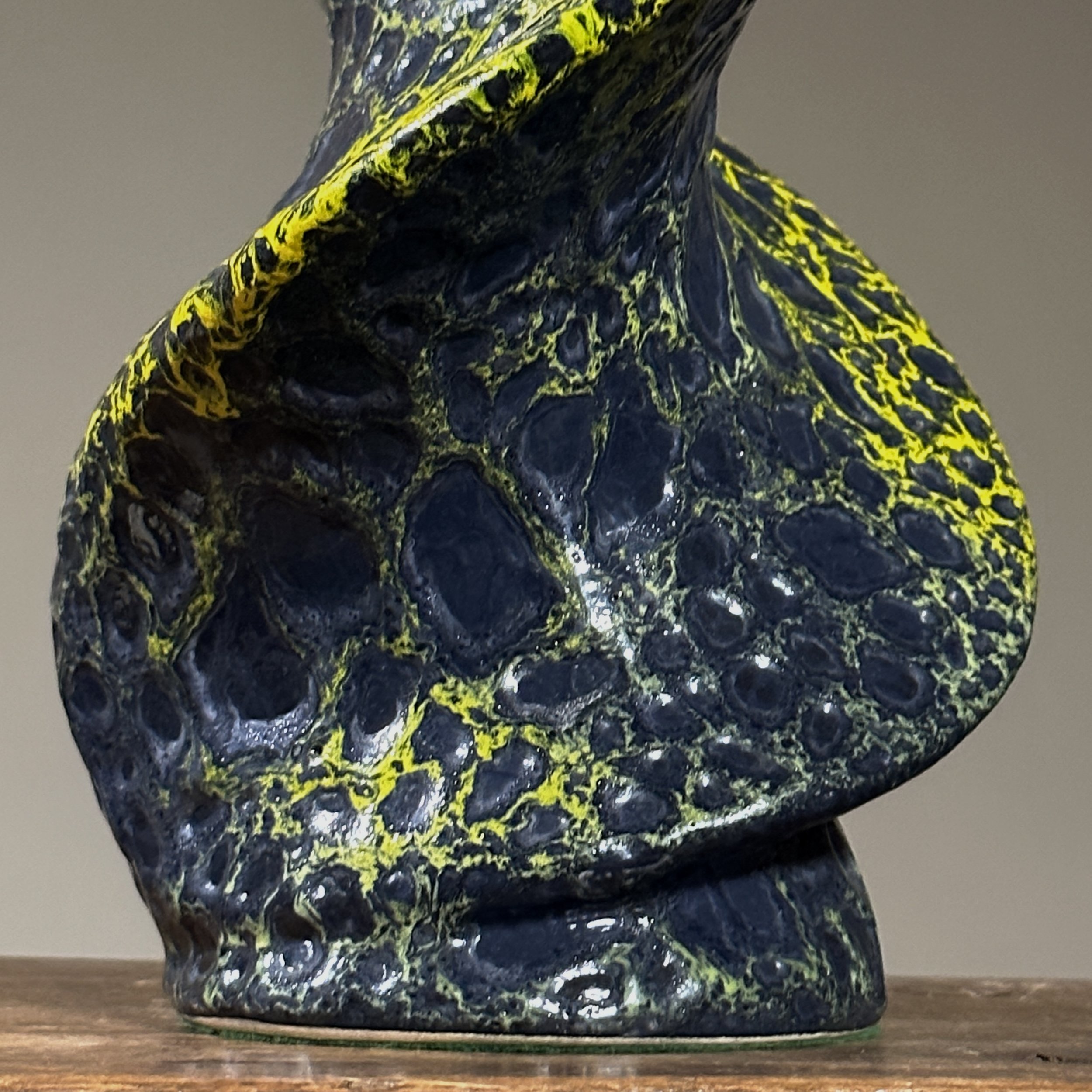
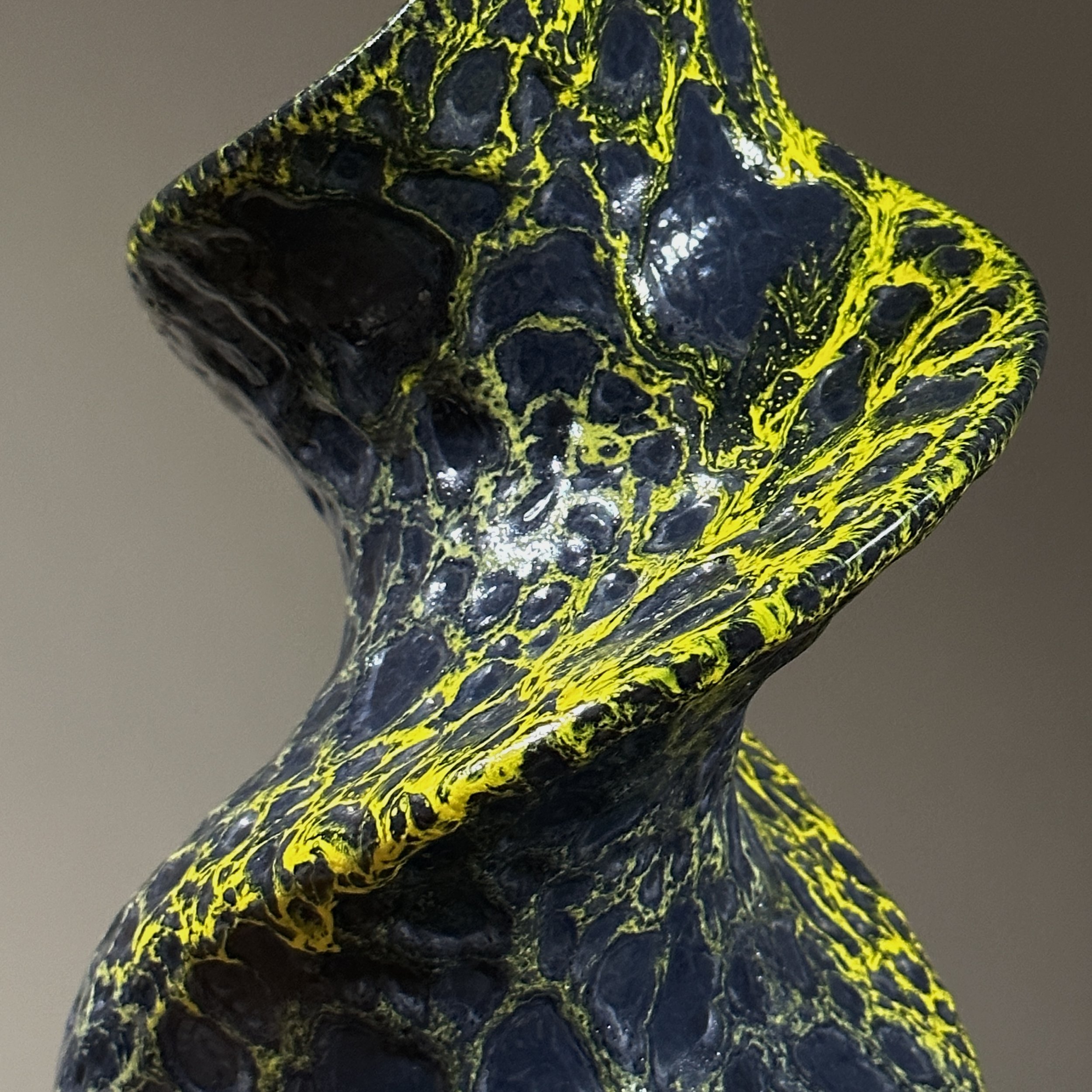
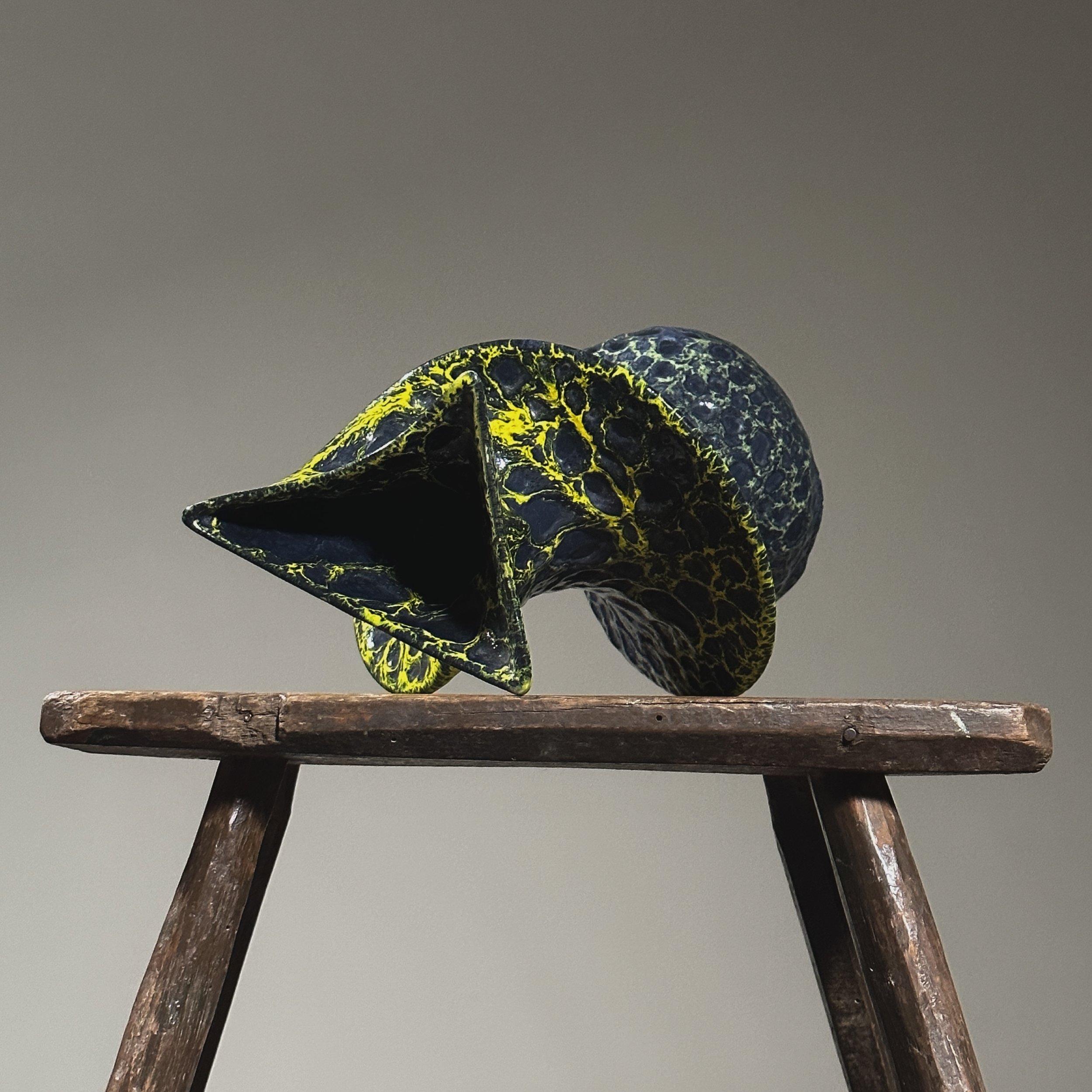
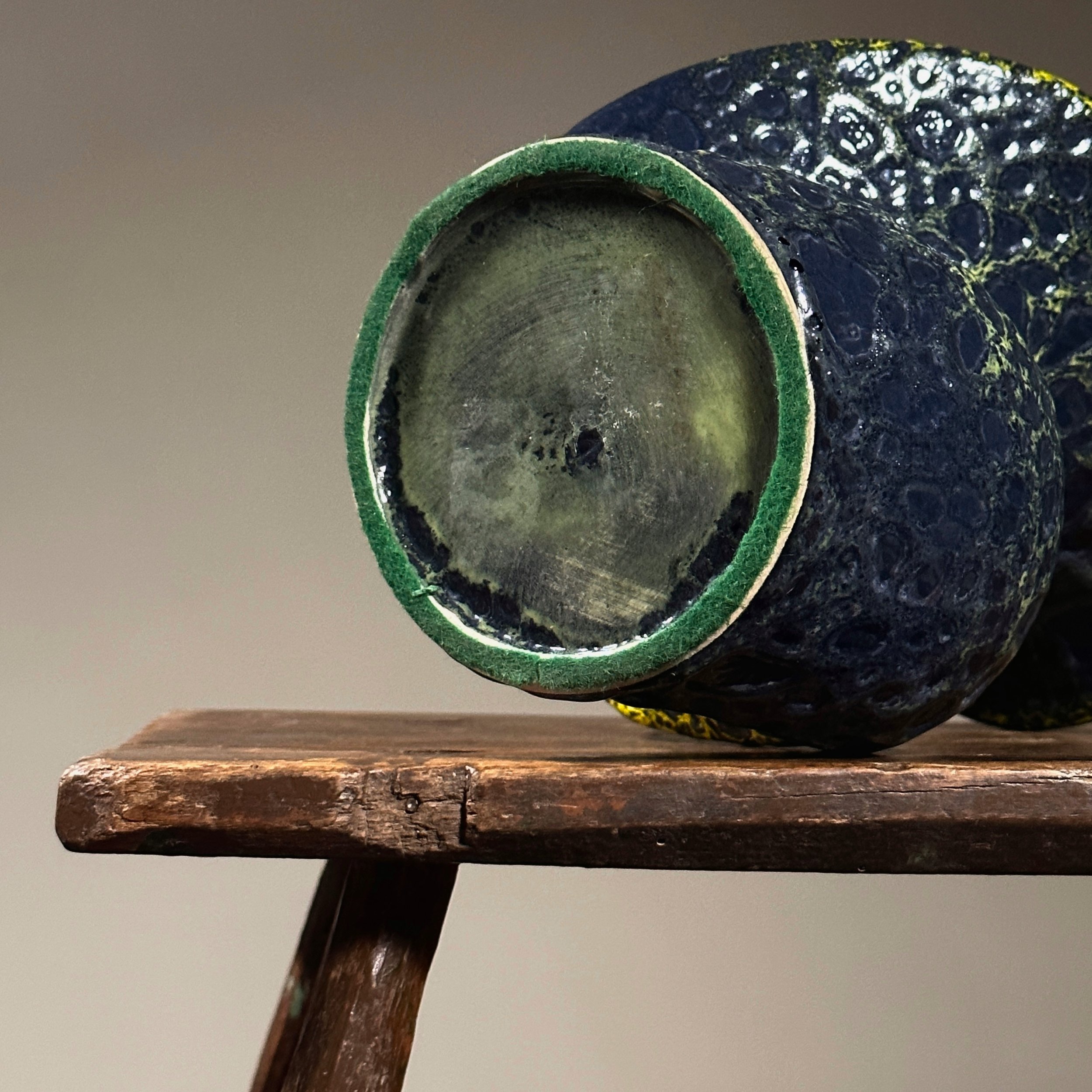
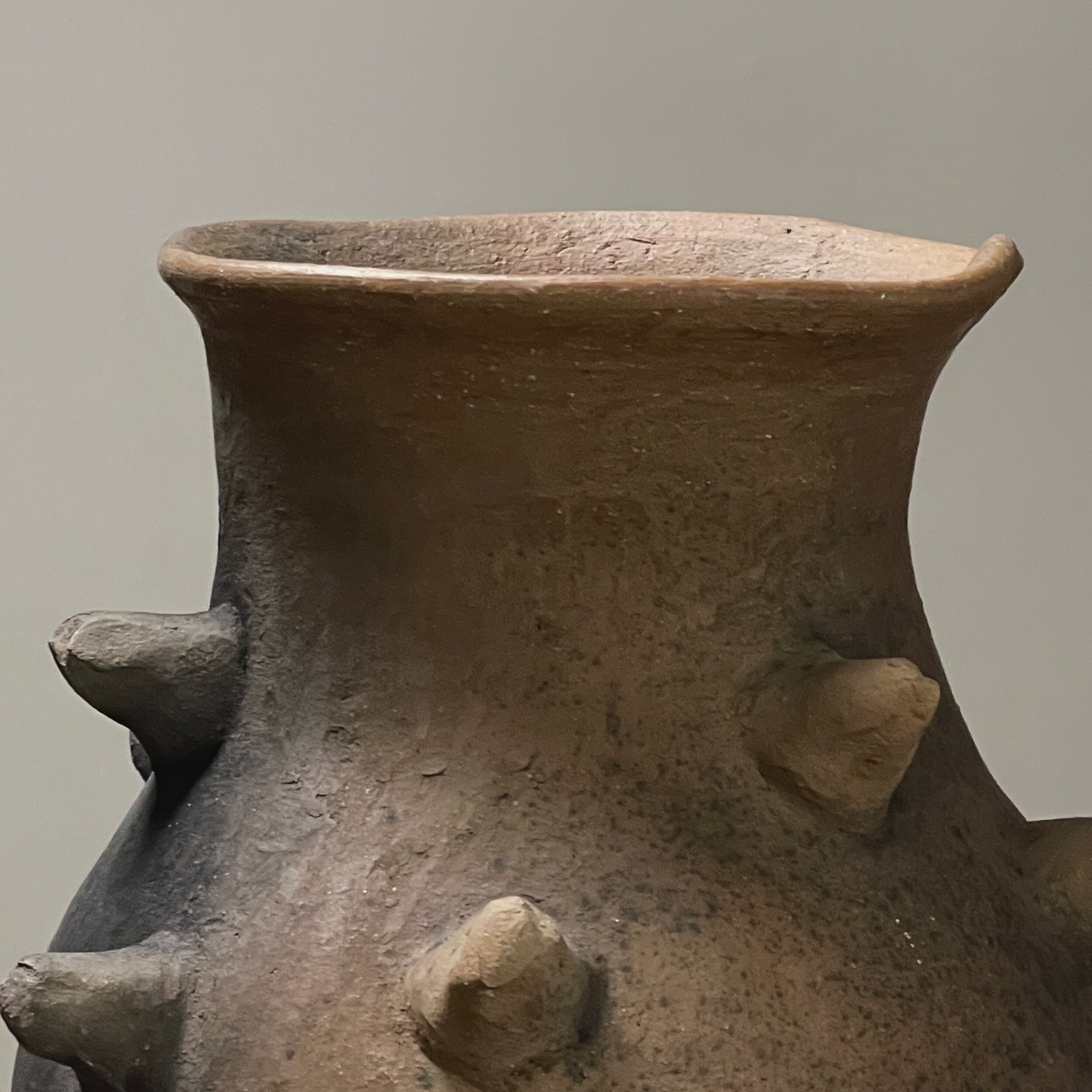
Early 1930s Hopi Polychrome Thunderbird Clay Bowl. Early Hopi bowl with an abstract thunderbird design. Thunder and rain accents along the exterior of the bowl. In very good condition. Signed on the bottom with a snake.
Size: 7”D x 2.5”H
A portion of the proceeds goes to The Hopi Foundation.
“The Hopi Foundation was founded to bridge the gap between modern and traditional. The question of how a vital, complex, and sophisticated people can maintain not only their values but their own voice and contribution to humankind in the face of encroachment by a dominant and forceful majority culture is an important one. The values of the Hopi people include millennia-old practices concerned with respecting the rights of other people, respect for and protection of the environment, self-determination and an attendant repugnance for government welfare programs, and integration of all aspects of life into a balanced and harmonious way of being.
In our 30-plus years of existence, we have initiated, grown, and housed nearly 20 projects that benefit our Hopi/Tewa communities in the areas of culture, well-being, capacity building, sustainability, farming, historical preservation, and youth development.”
(www.hopifoundation.org)
Early 1930s Hopi Polychrome Thunderbird Clay Bowl. Early Hopi bowl with an abstract thunderbird design. Thunder and rain accents along the exterior of the bowl. In very good condition. Signed on the bottom with a snake.
Size: 7”D x 2.5”H
A portion of the proceeds goes to The Hopi Foundation.
“The Hopi Foundation was founded to bridge the gap between modern and traditional. The question of how a vital, complex, and sophisticated people can maintain not only their values but their own voice and contribution to humankind in the face of encroachment by a dominant and forceful majority culture is an important one. The values of the Hopi people include millennia-old practices concerned with respecting the rights of other people, respect for and protection of the environment, self-determination and an attendant repugnance for government welfare programs, and integration of all aspects of life into a balanced and harmonious way of being.
In our 30-plus years of existence, we have initiated, grown, and housed nearly 20 projects that benefit our Hopi/Tewa communities in the areas of culture, well-being, capacity building, sustainability, farming, historical preservation, and youth development.”
(www.hopifoundation.org)

 Image 1 of 8
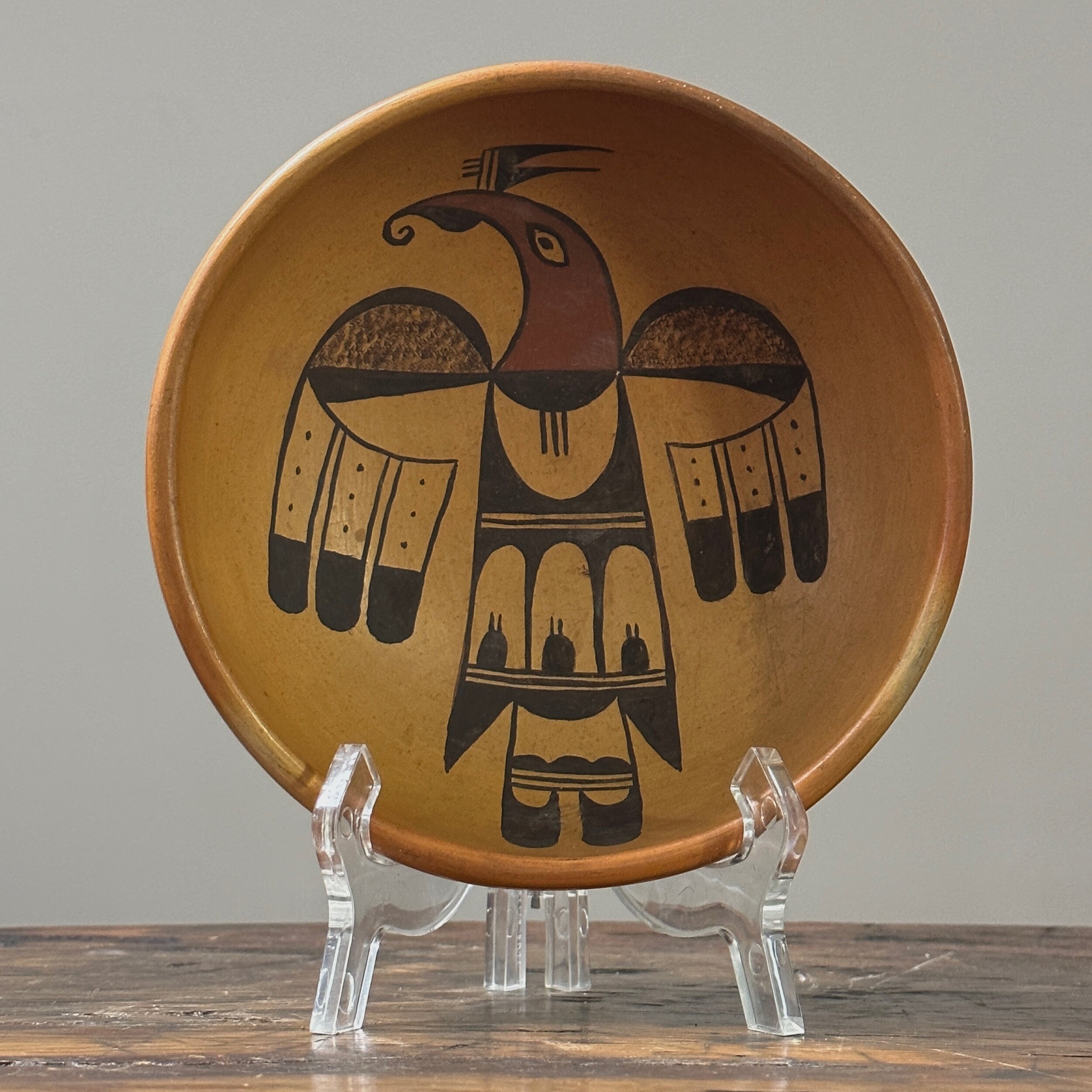 Image 2 of 8
 Image 3 of 8
 Image 4 of 8
 Image 5 of 8
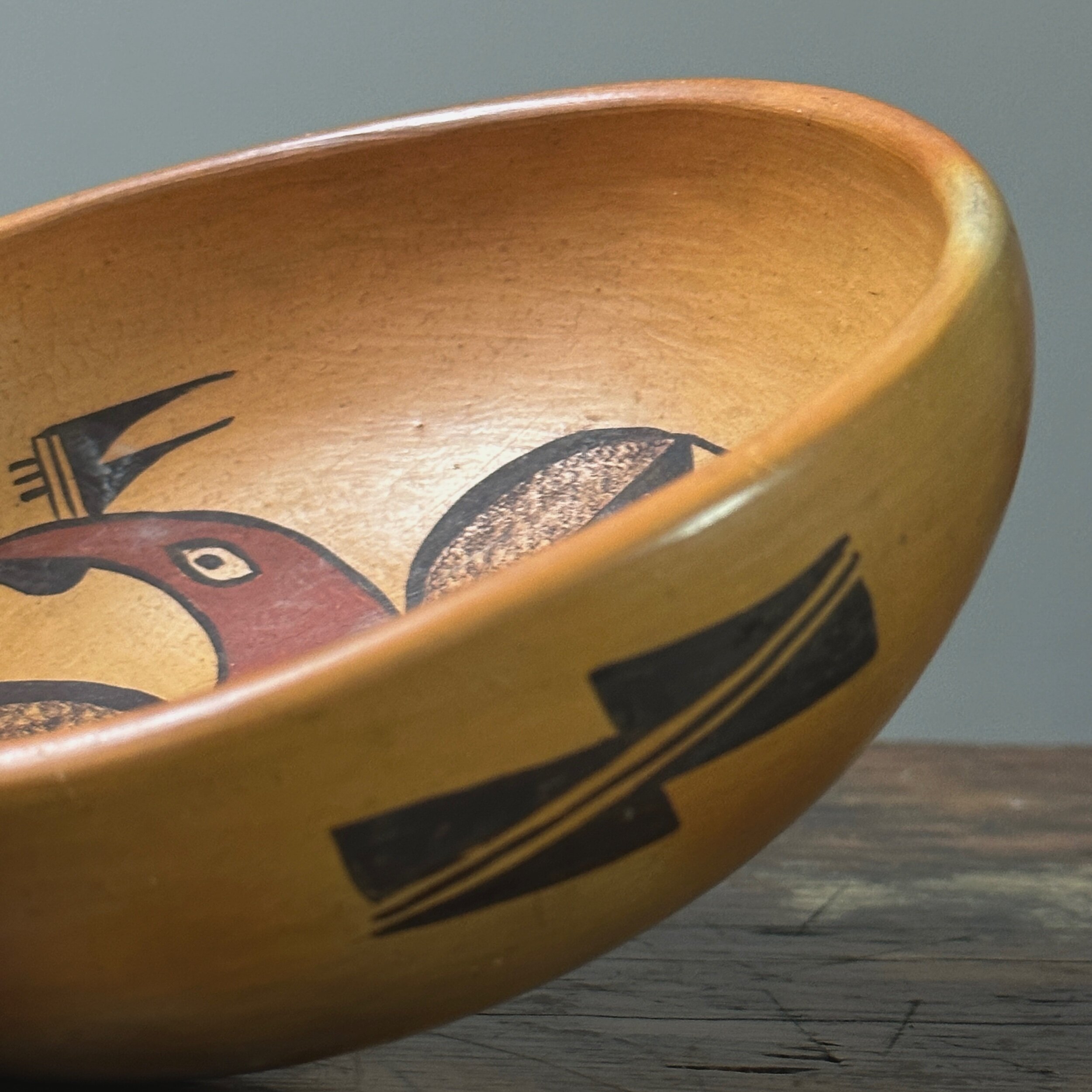 Image 6 of 8
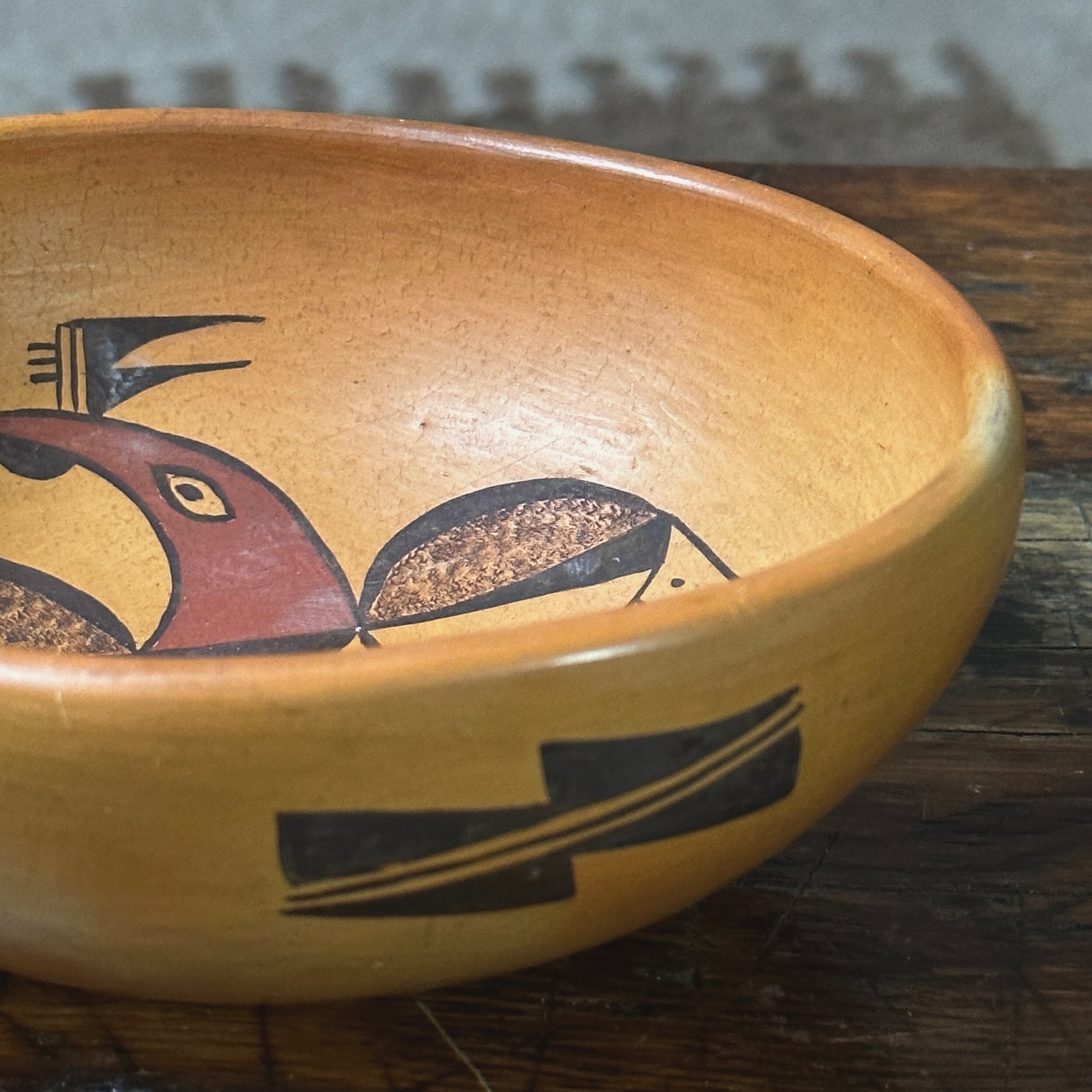 Image 7 of 8
 Image 8 of 8