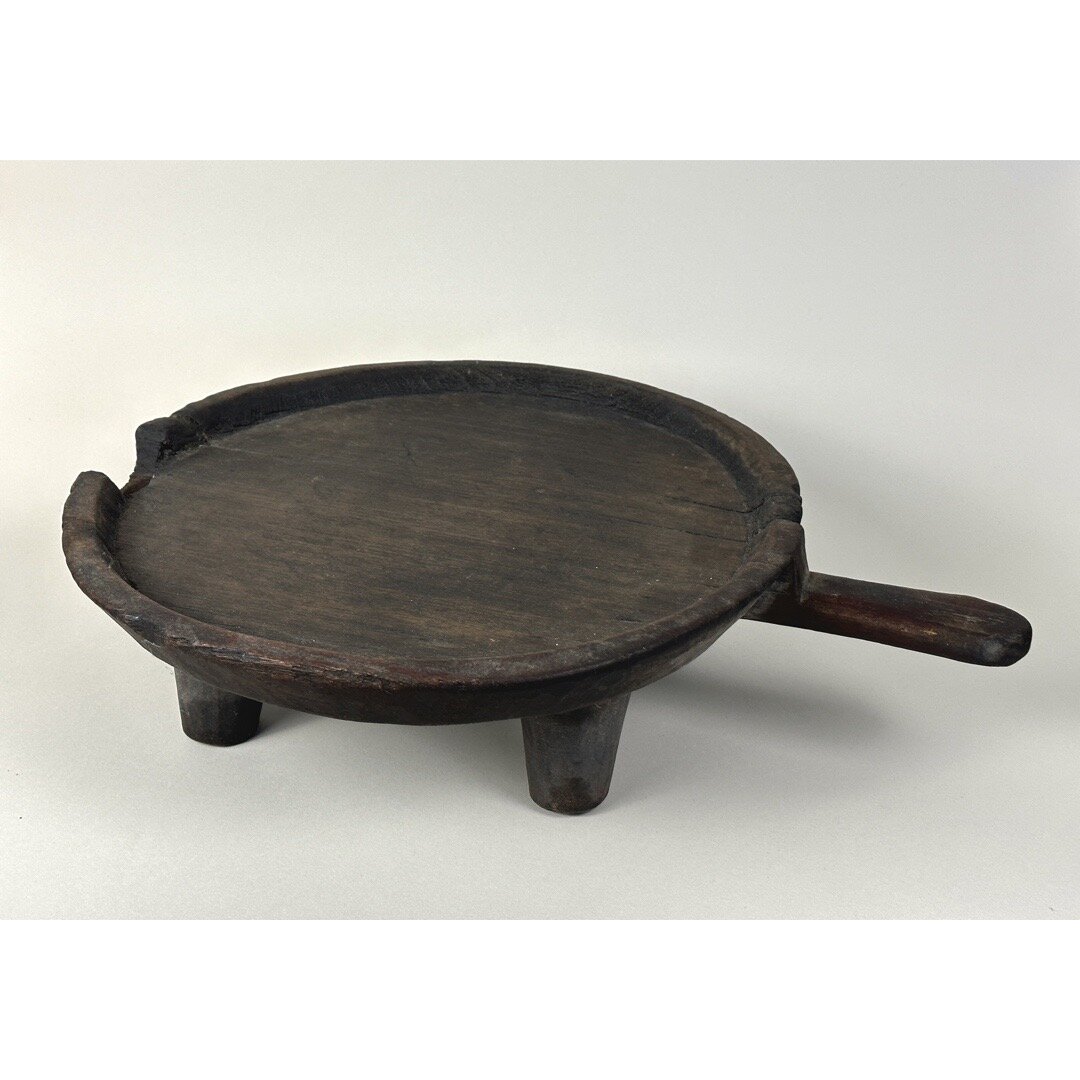
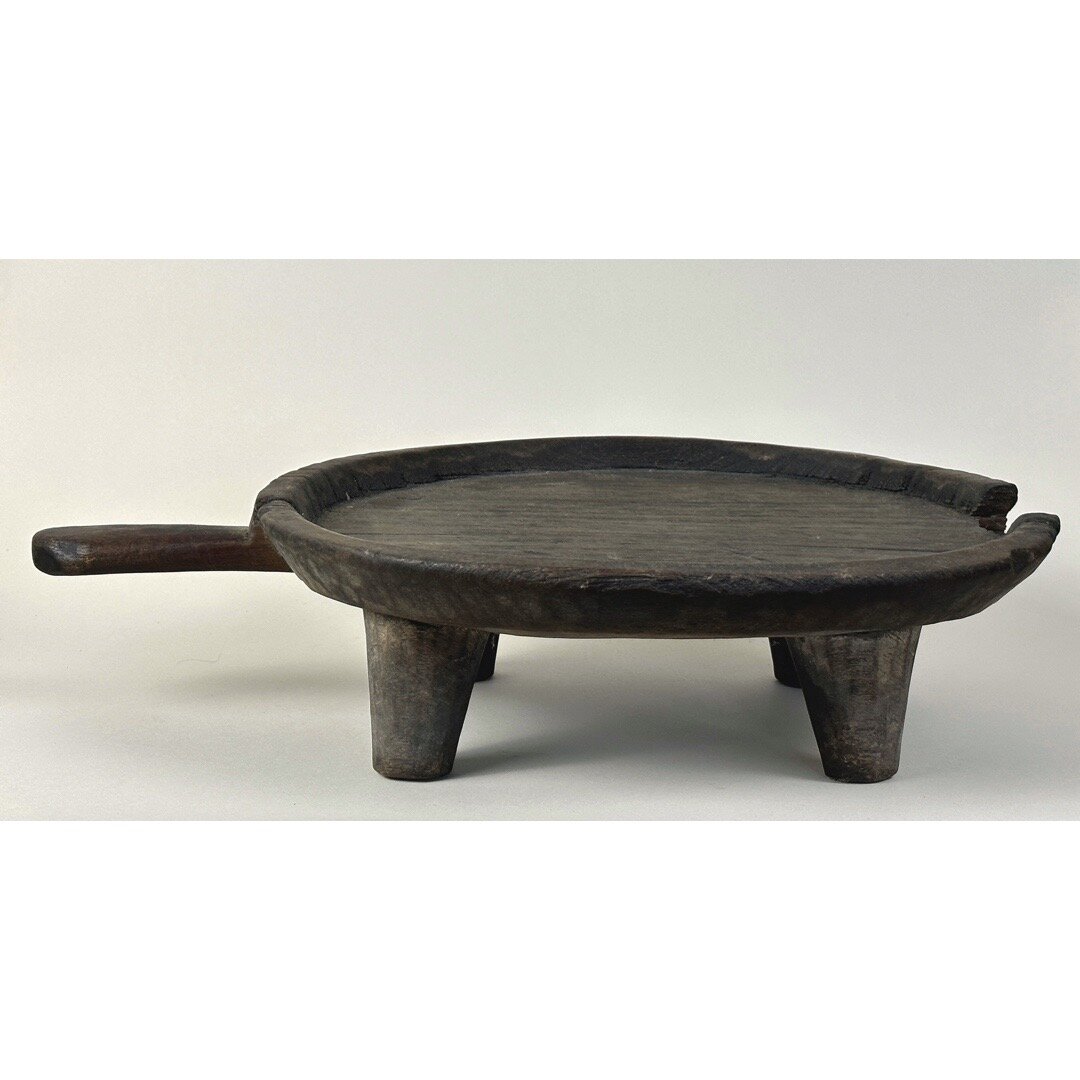
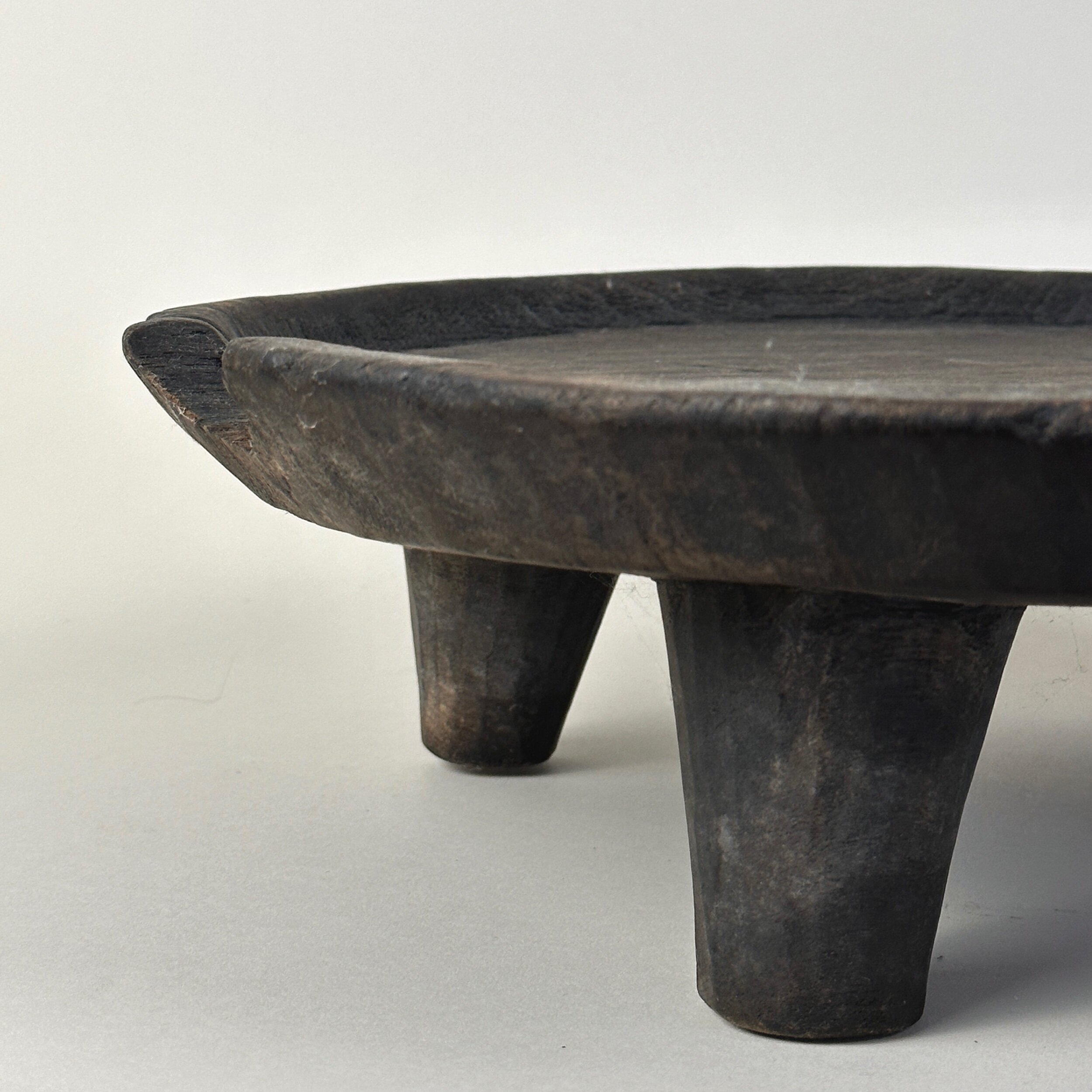
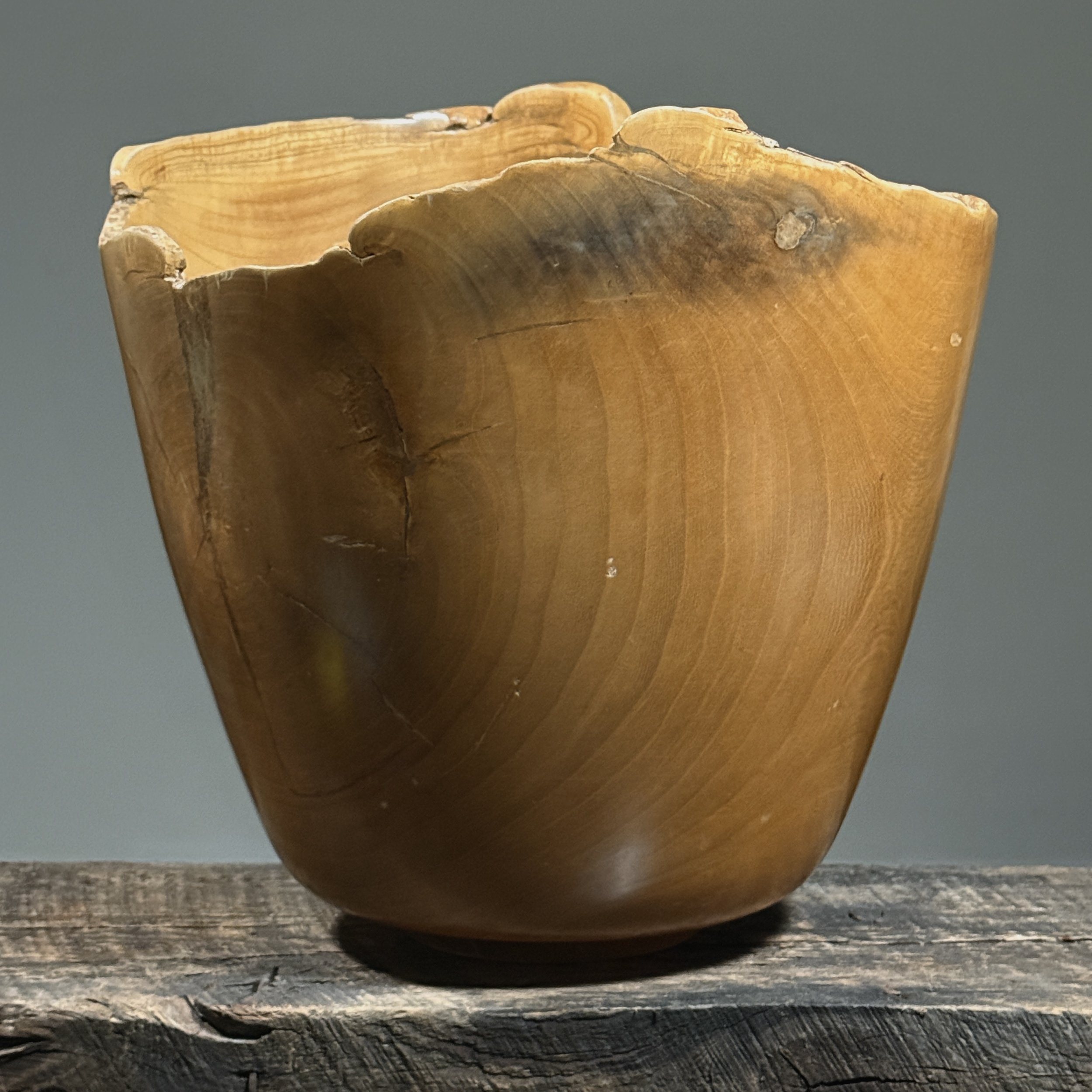
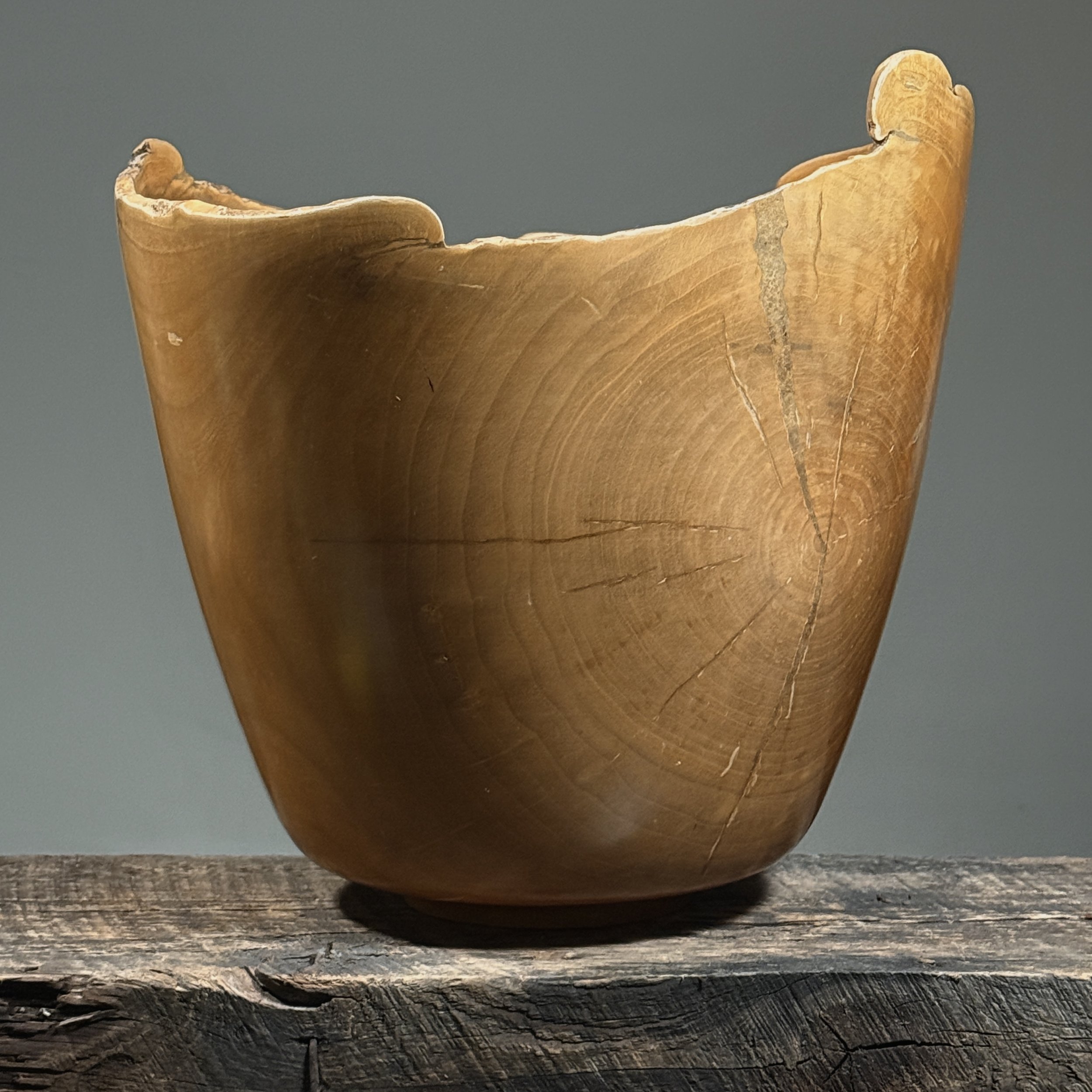
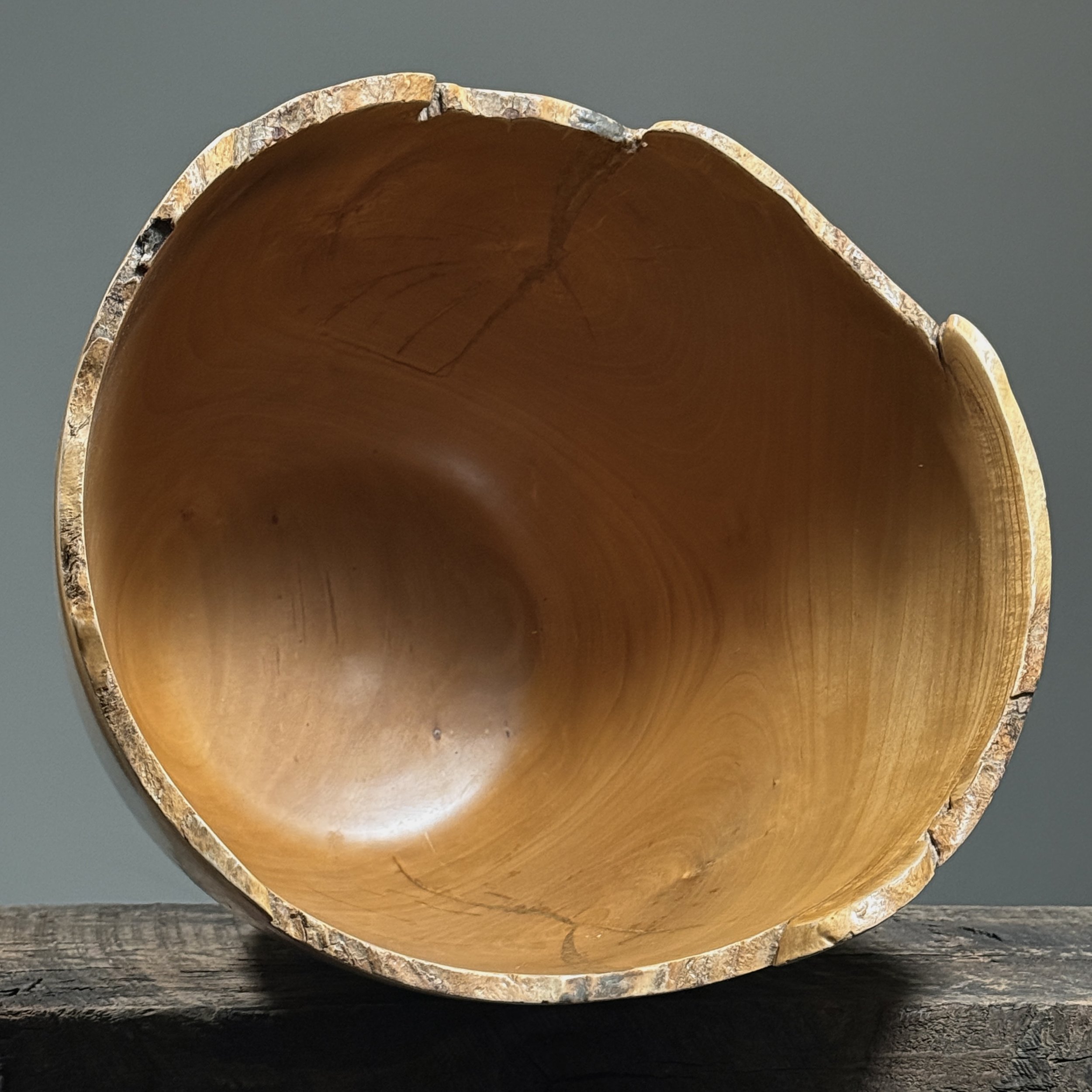
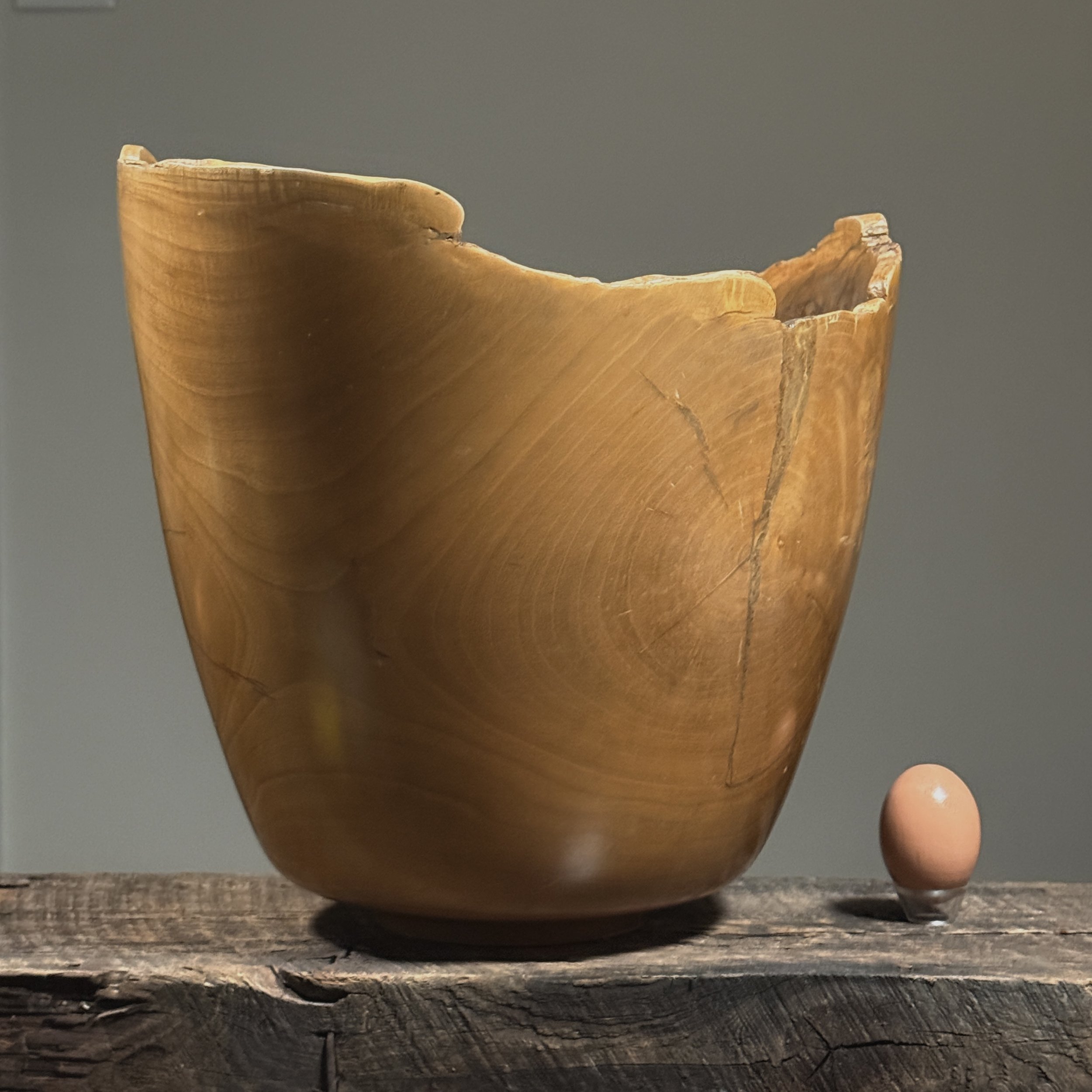
An antique hand-carved wooden stool from Papua New Guinea, featuring a figurative anthropomorphic form depicting a kneeling human figure. Original museum tags remain affixed to the underside, attesting to prior institutional exhibition or collection history. The object is in used condition with wear consistent with age. Please refer to photos for details.
Cultural Background
Papua New Guinea encompasses over 600 islands and more than 800 distinct language groups, resulting in extraordinary cultural and artistic diversity. Across this vast region, stools and seating objects have served both utilitarian and ceremonial functions, often embodying spiritual beliefs and social status.
The figurative stool, carved in the form of human or ancestral figures, represents a significant genre within Melanesian material culture. Such objects functioned as seats for important community members during rituals, as platforms for displaying sacred objects, or as supports for individuals undergoing initiation or other transformative ceremonies. The kneeling figure depicted in the present example suggests humility, service, or the posture of an ancestor offering support to the living.
The presence of original museum tags on the present stool suggests it was at one time part of an institutional collection, whether as a permanent holding or as part of a loan exhibition.
An antique hand-carved wooden stool from Papua New Guinea, featuring a figurative anthropomorphic form depicting a kneeling human figure. Original museum tags remain affixed to the underside, attesting to prior institutional exhibition or collection history. The object is in used condition with wear consistent with age. Please refer to photos for details.
Cultural Background
Papua New Guinea encompasses over 600 islands and more than 800 distinct language groups, resulting in extraordinary cultural and artistic diversity. Across this vast region, stools and seating objects have served both utilitarian and ceremonial functions, often embodying spiritual beliefs and social status.
The figurative stool, carved in the form of human or ancestral figures, represents a significant genre within Melanesian material culture. Such objects functioned as seats for important community members during rituals, as platforms for displaying sacred objects, or as supports for individuals undergoing initiation or other transformative ceremonies. The kneeling figure depicted in the present example suggests humility, service, or the posture of an ancestor offering support to the living.
The presence of original museum tags on the present stool suggests it was at one time part of an institutional collection, whether as a permanent holding or as part of a loan exhibition.

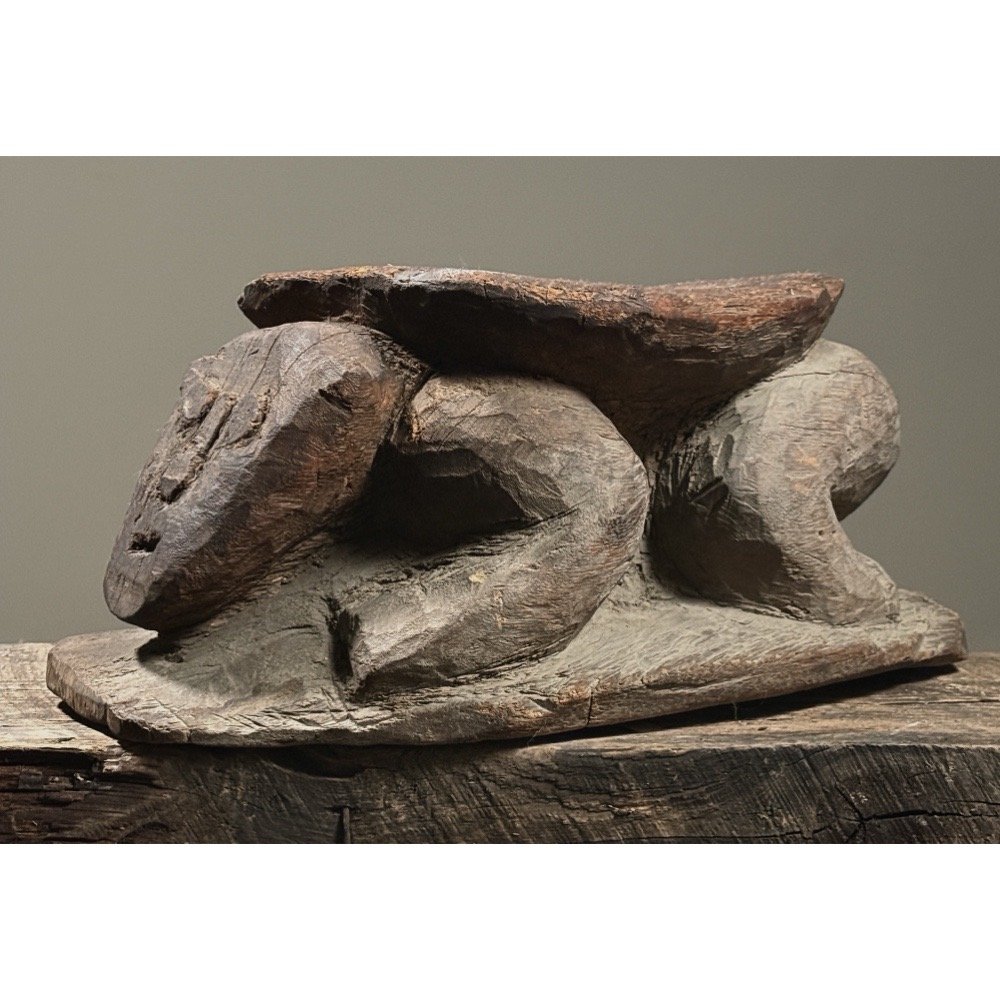 Image 1 of 10
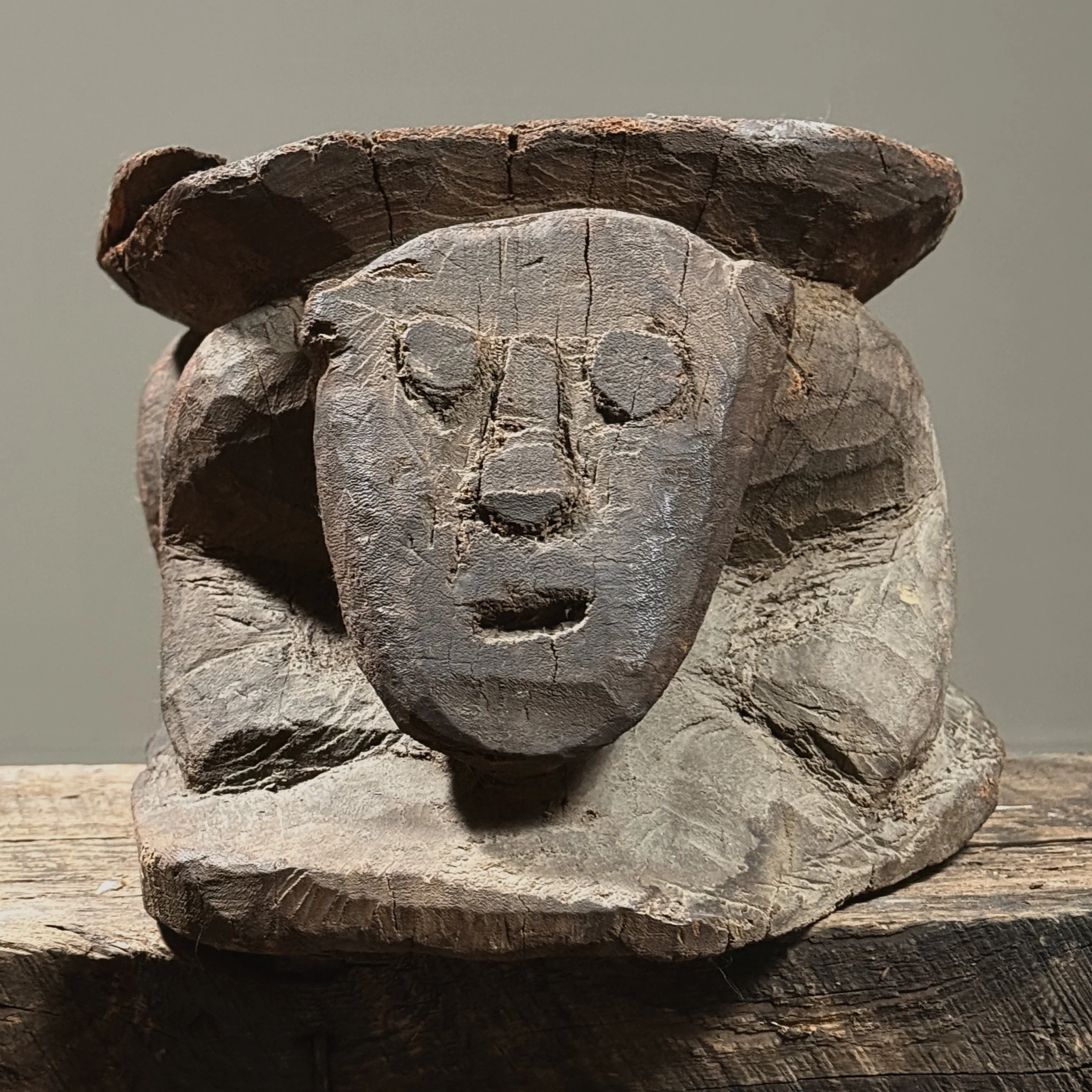 Image 2 of 10
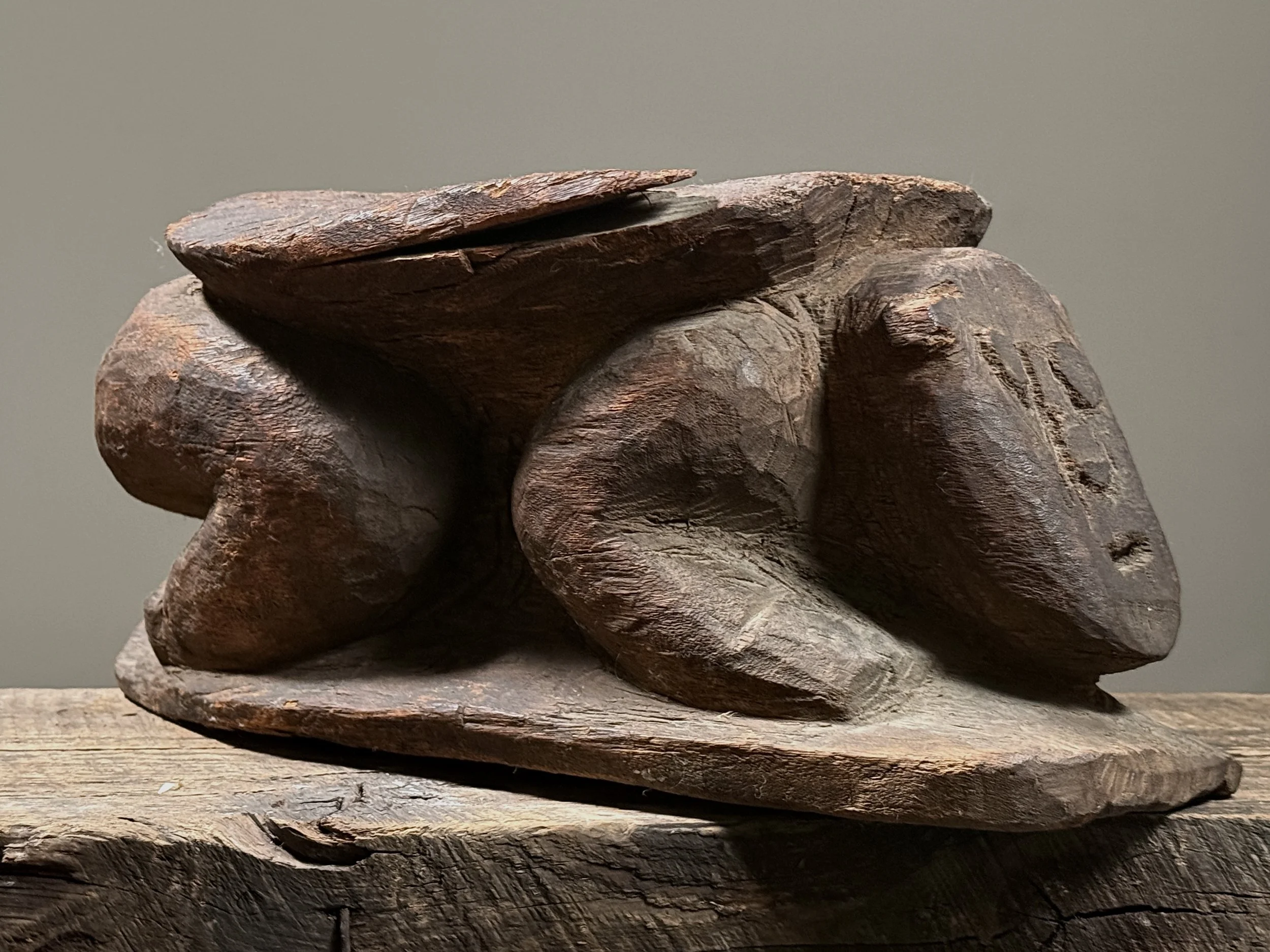 Image 3 of 10
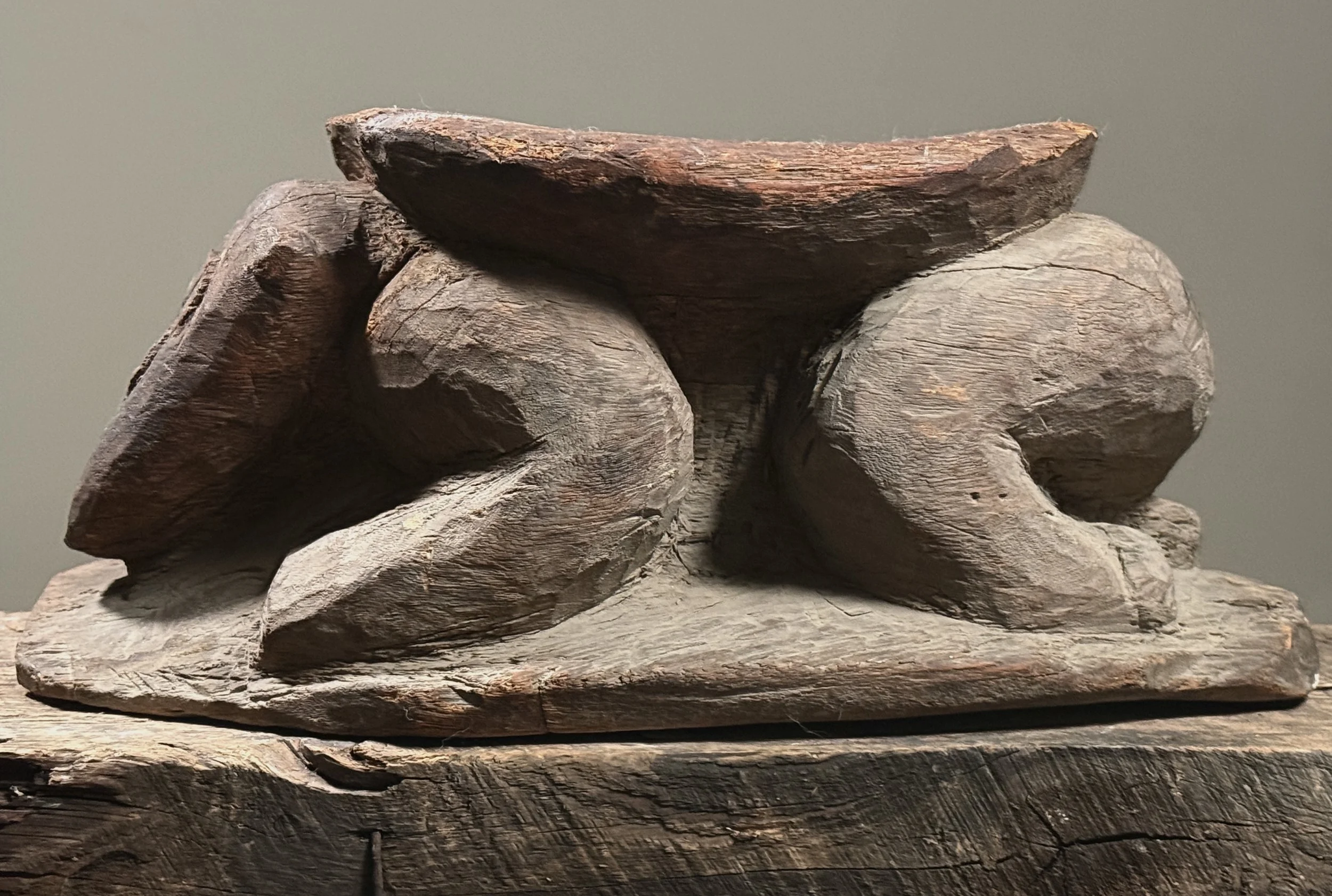 Image 4 of 10
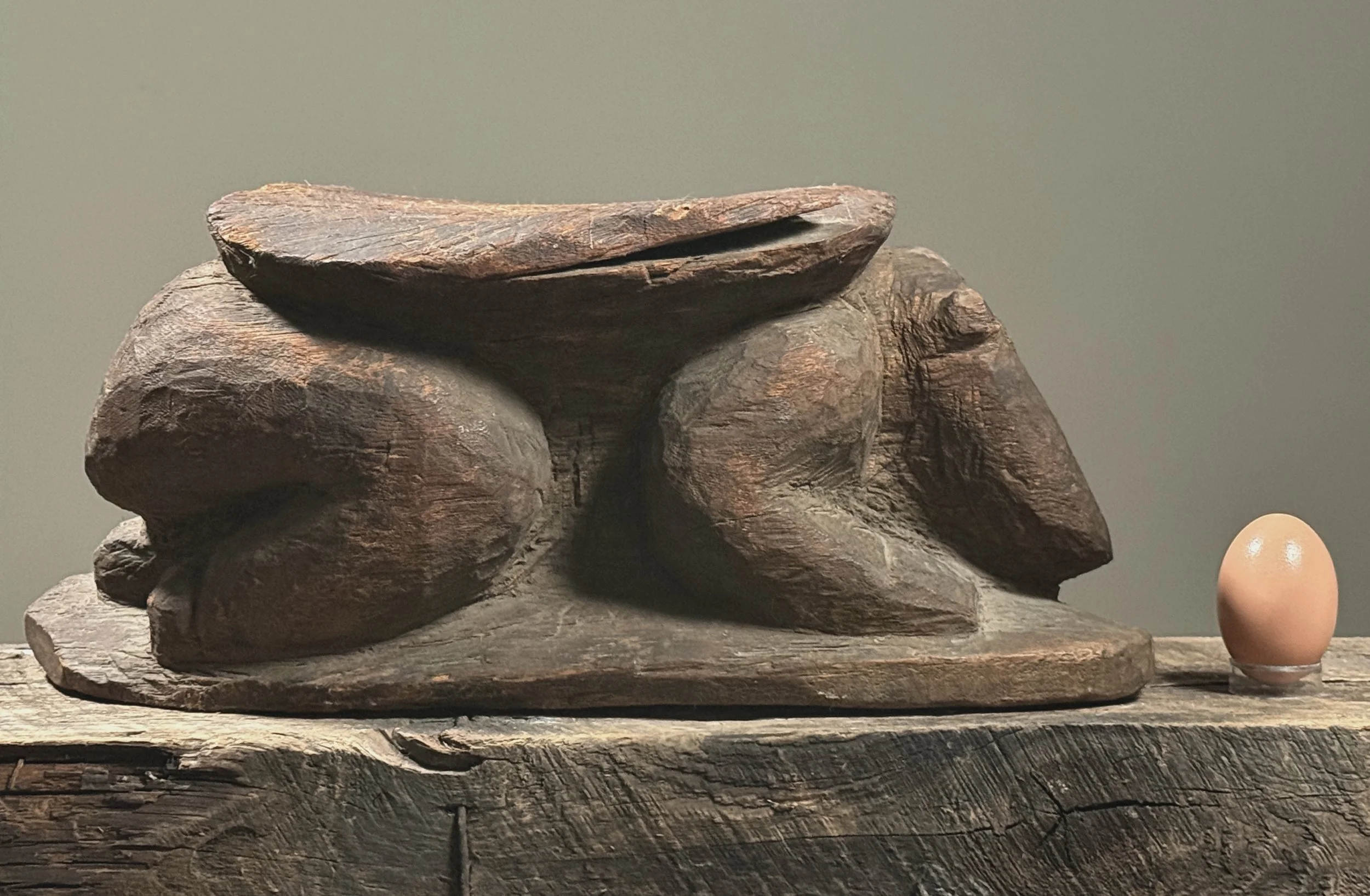 Image 5 of 10
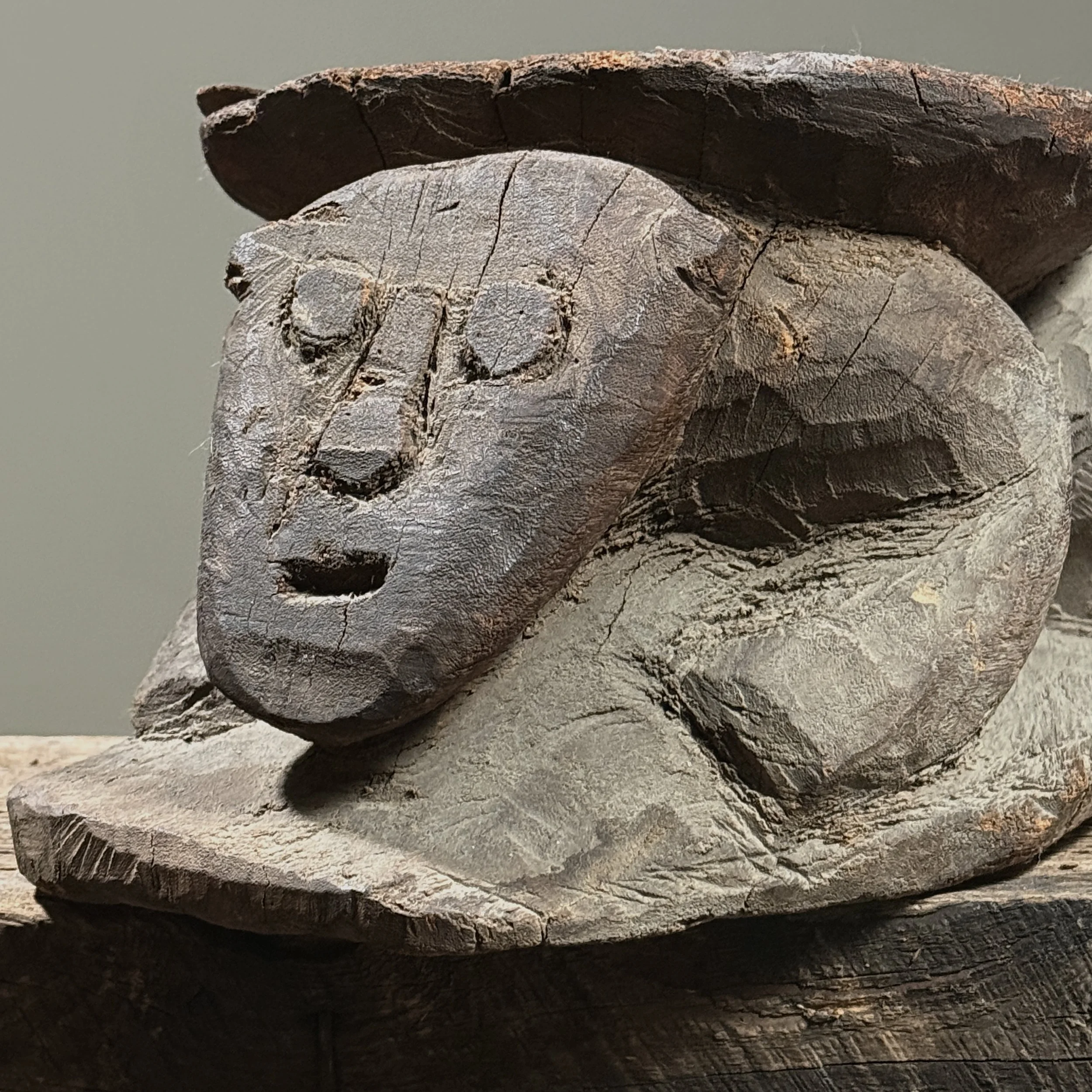 Image 6 of 10
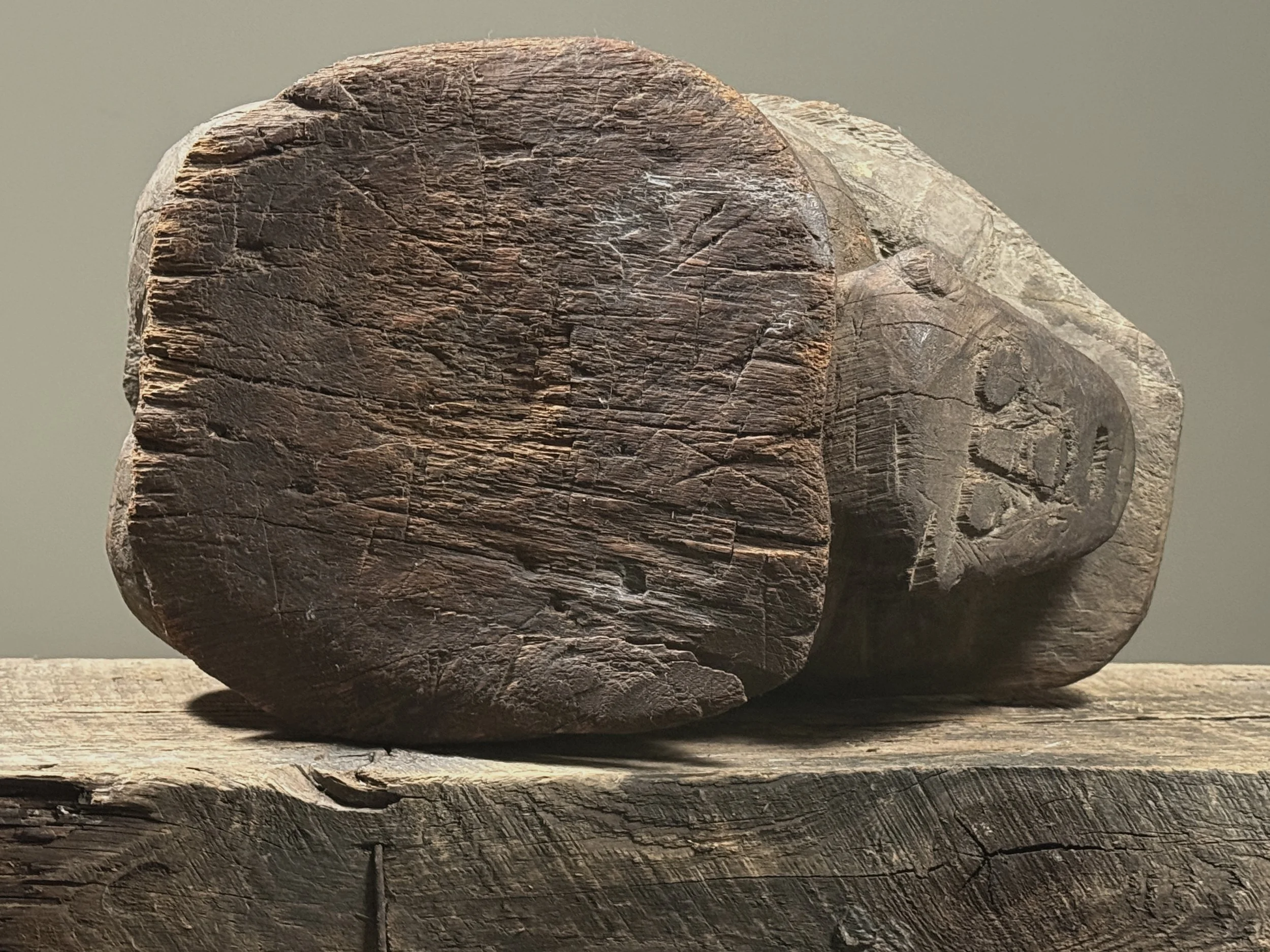 Image 7 of 10
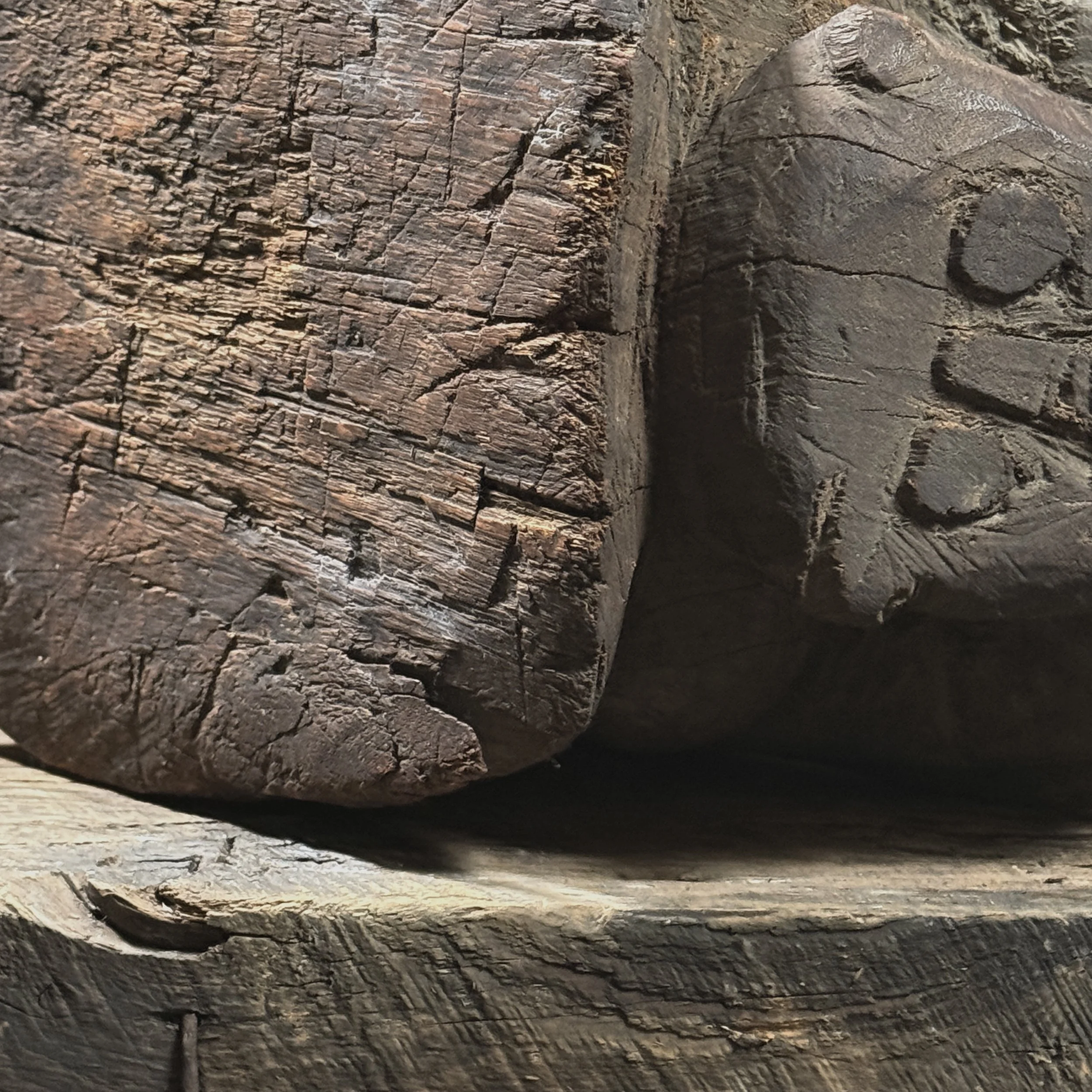 Image 8 of 10
 Image 9 of 10
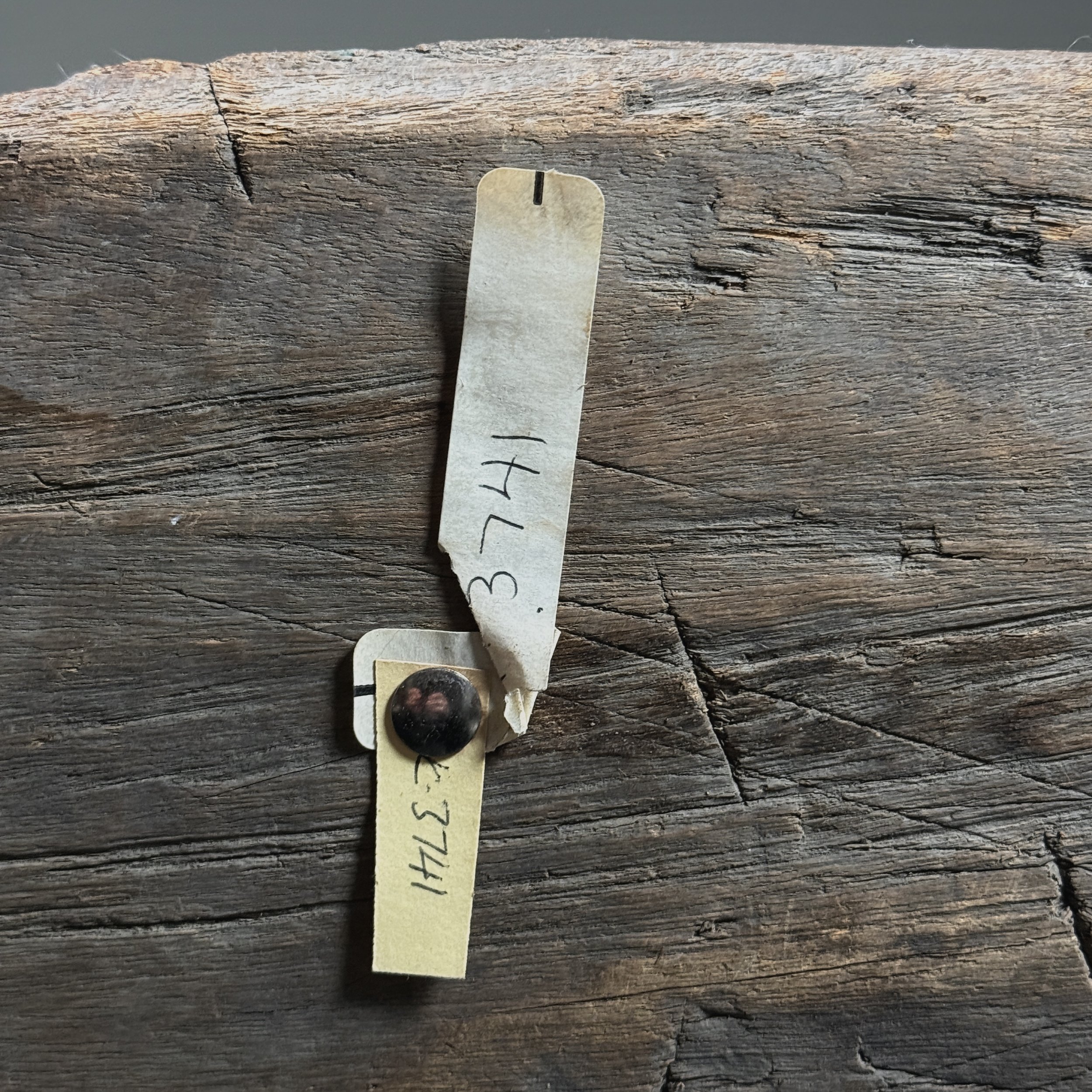 Image 10 of 10