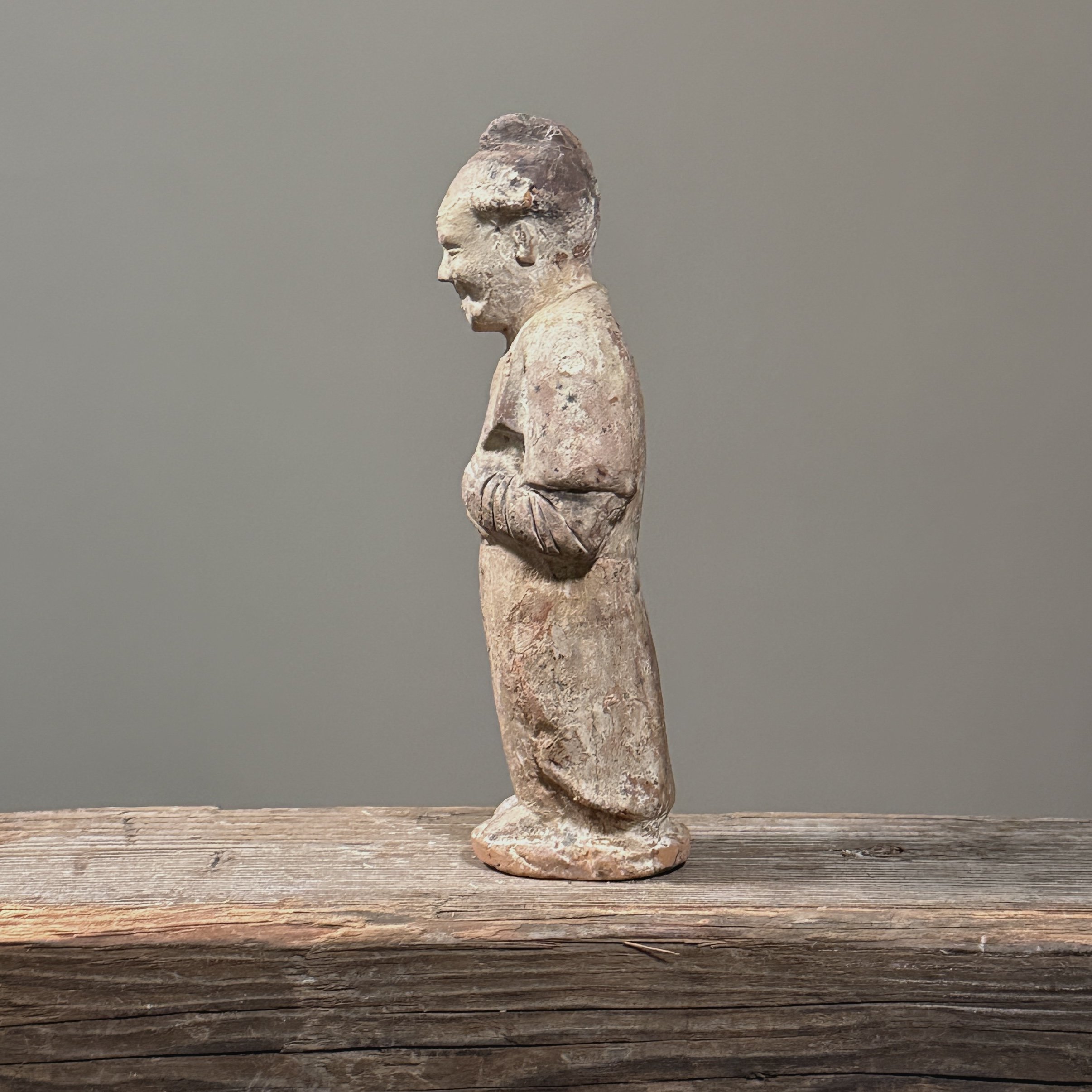
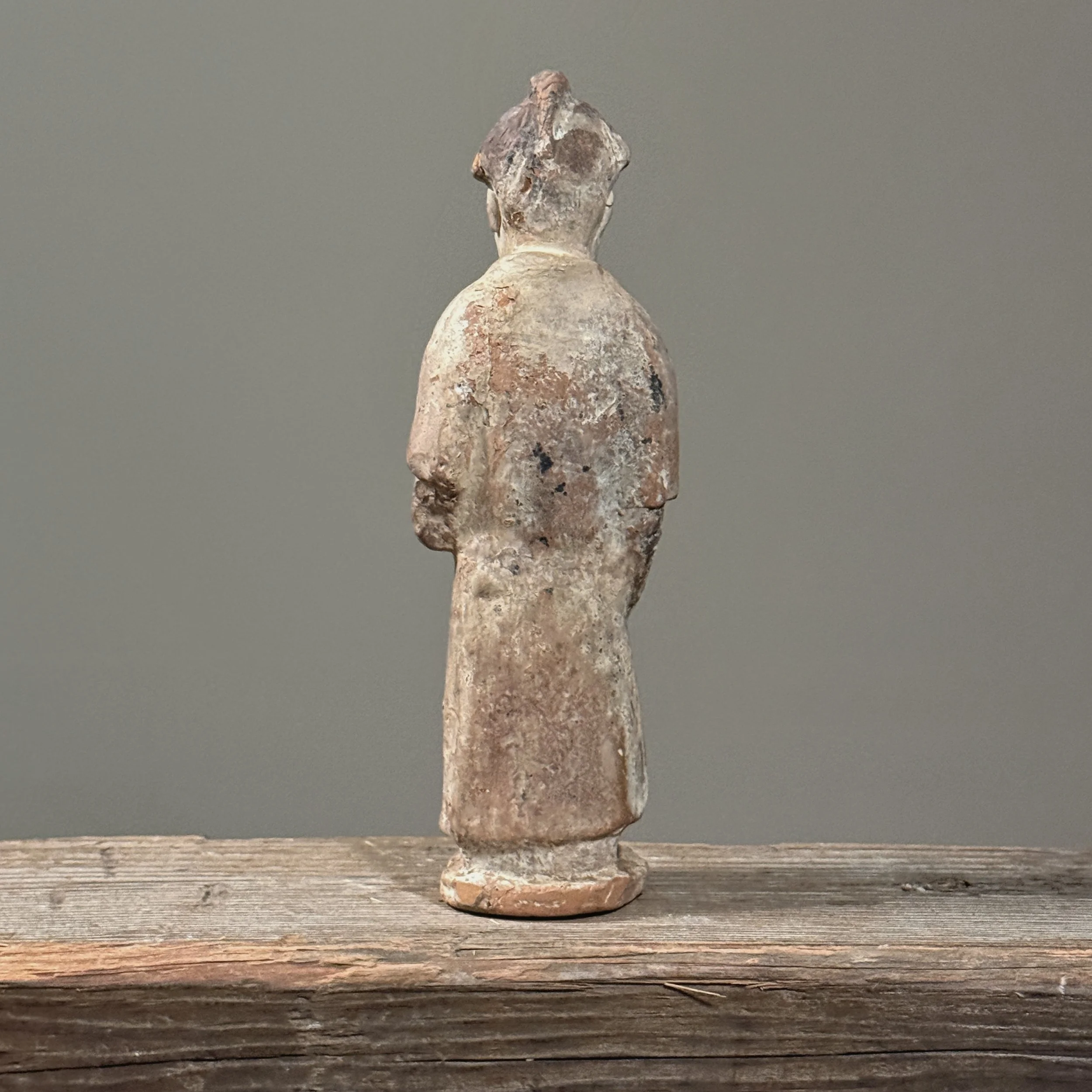
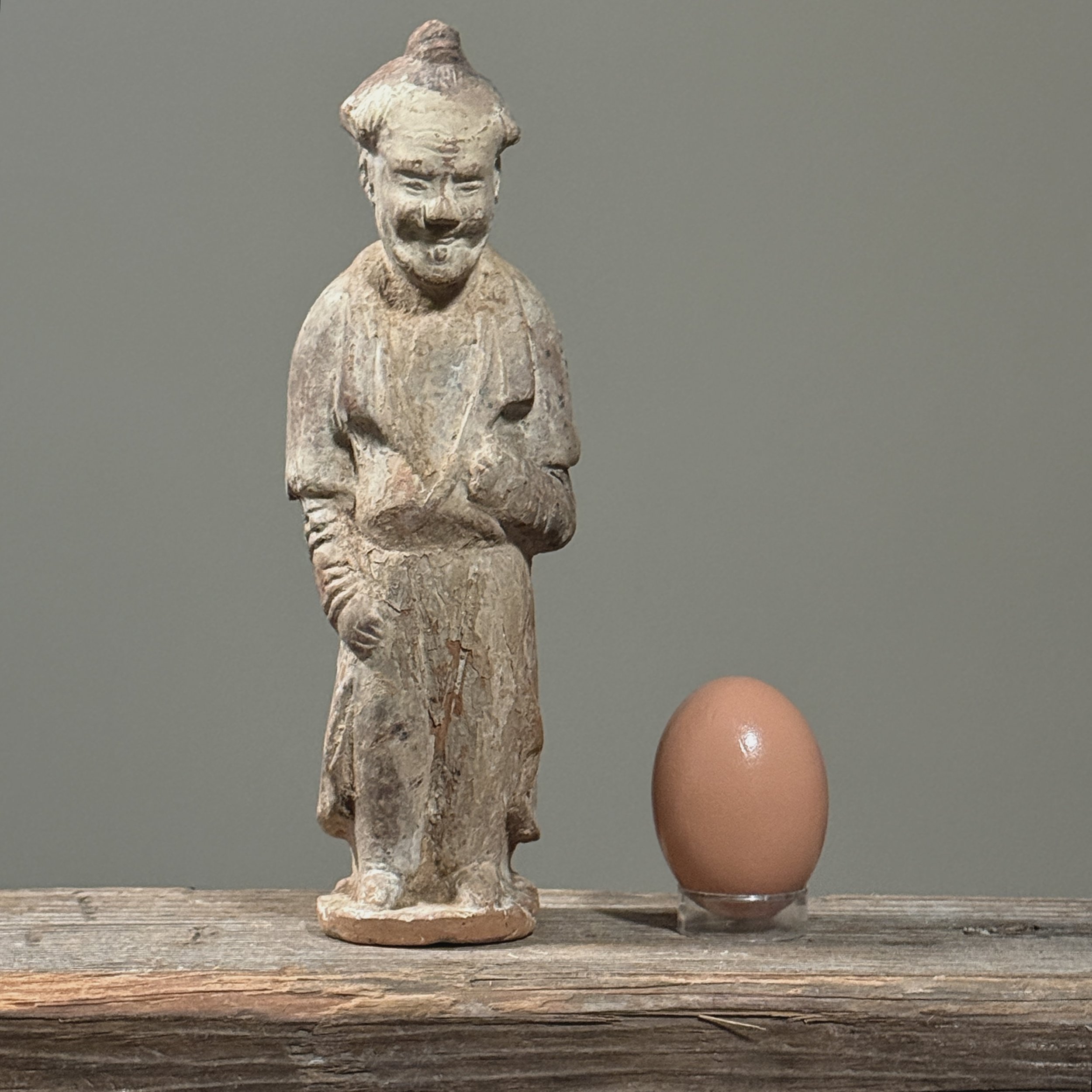
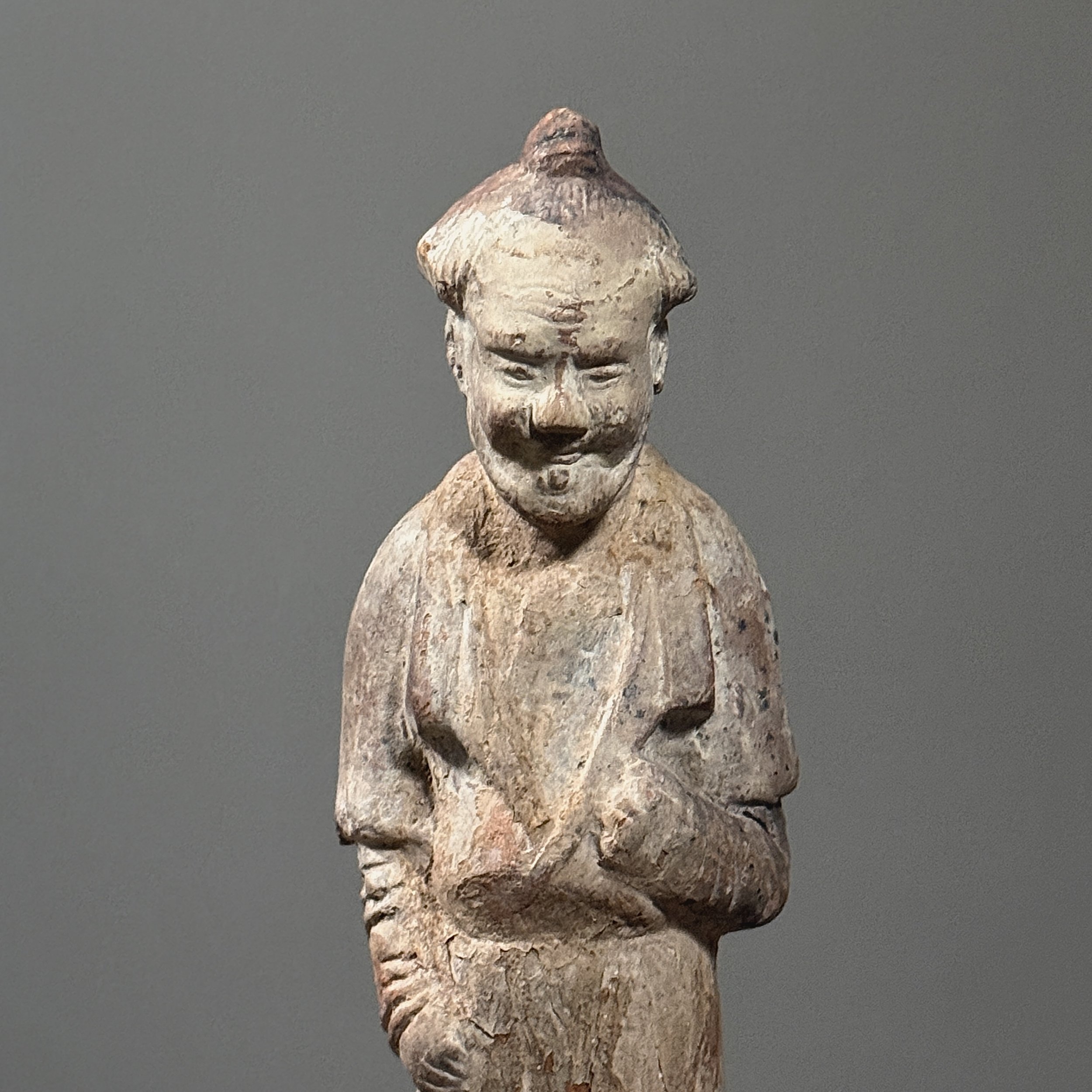
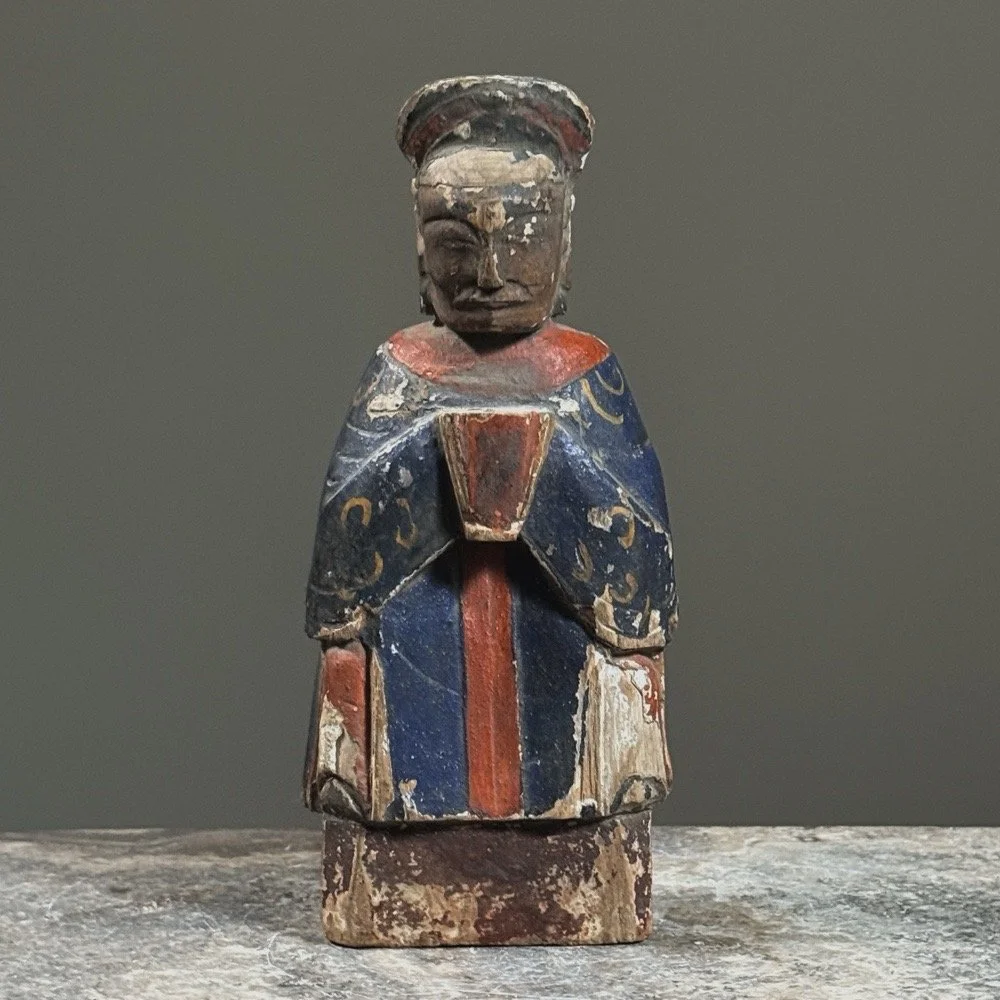
Title:Tchitcheri Shrine Figure
Culture: Moba
Date: Second half of the 20th century
Medium: Wood
Technique: Hand-carved with adze
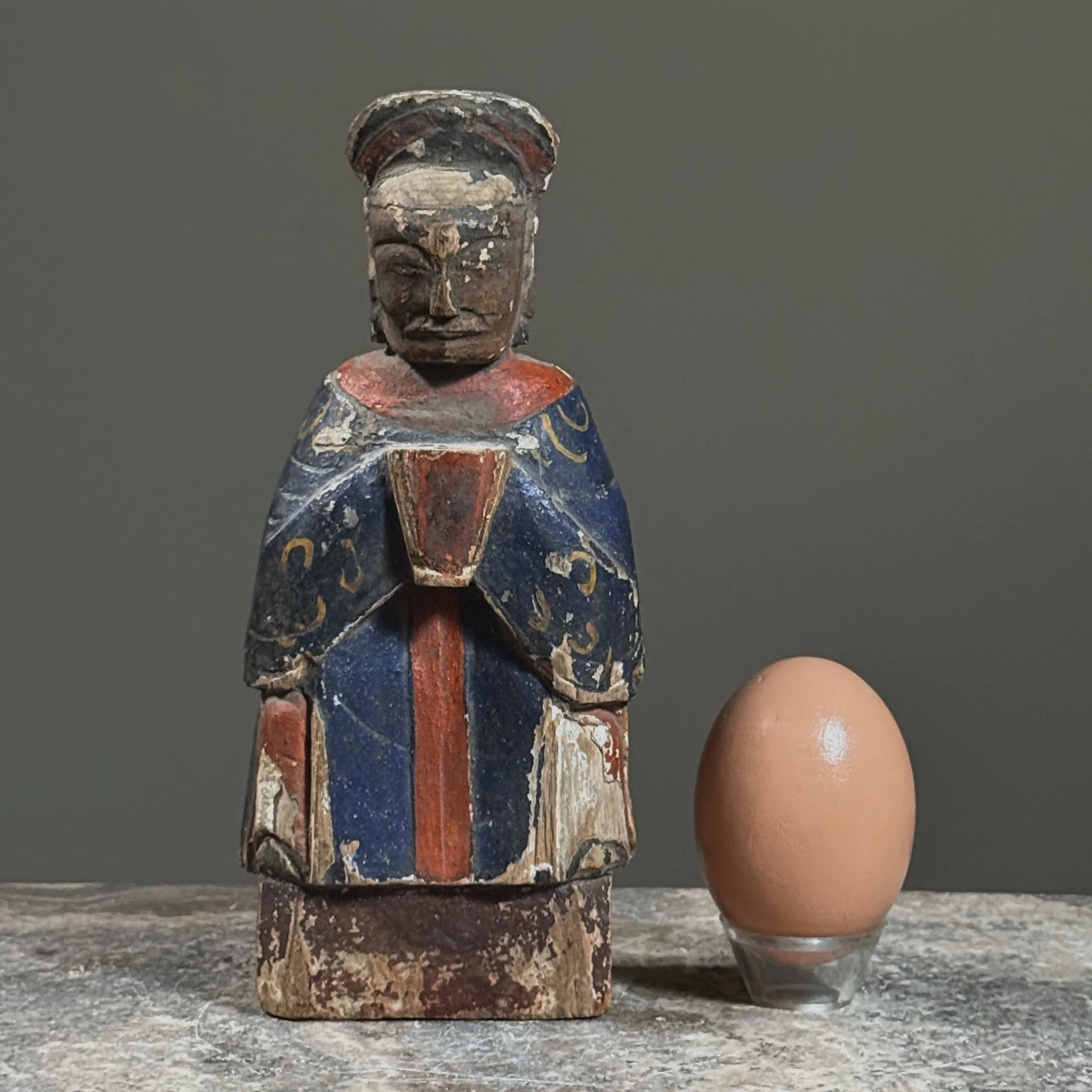
Dimensions: Height: 36.8 cm (14.5 in), Width: 6.4 cm (2.5 in), Depth: 7.0 cm (2.75 in)
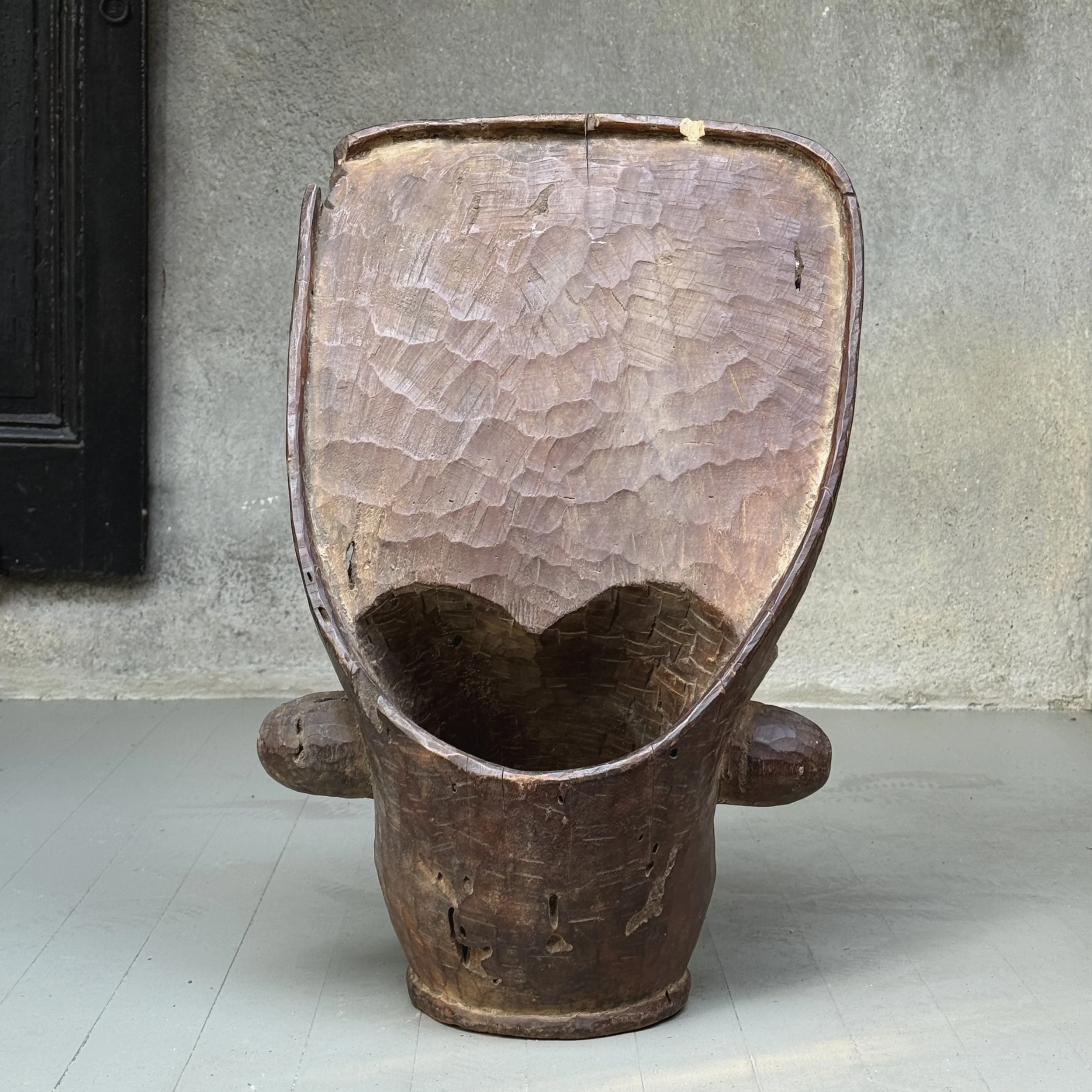
Condition: Used; wear consistent with age and ritual use. Stand not included. See photographs for detailed condition.
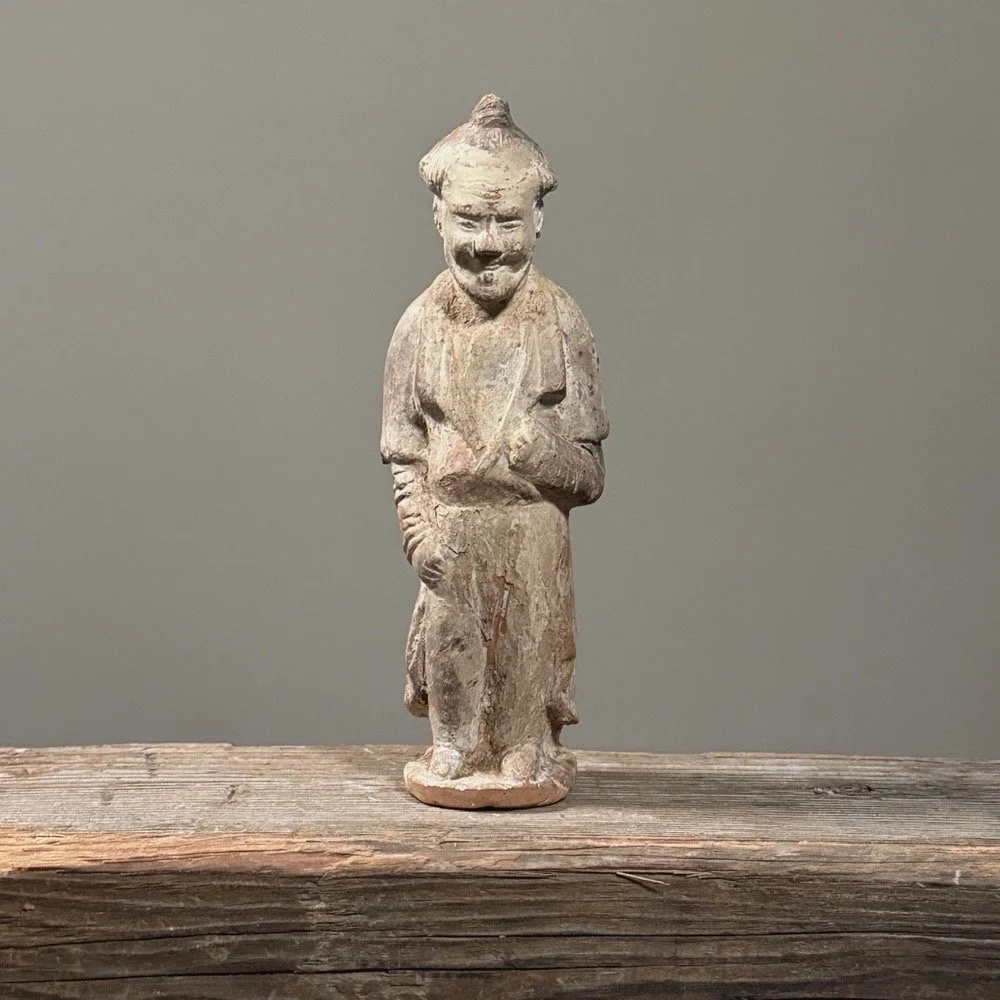
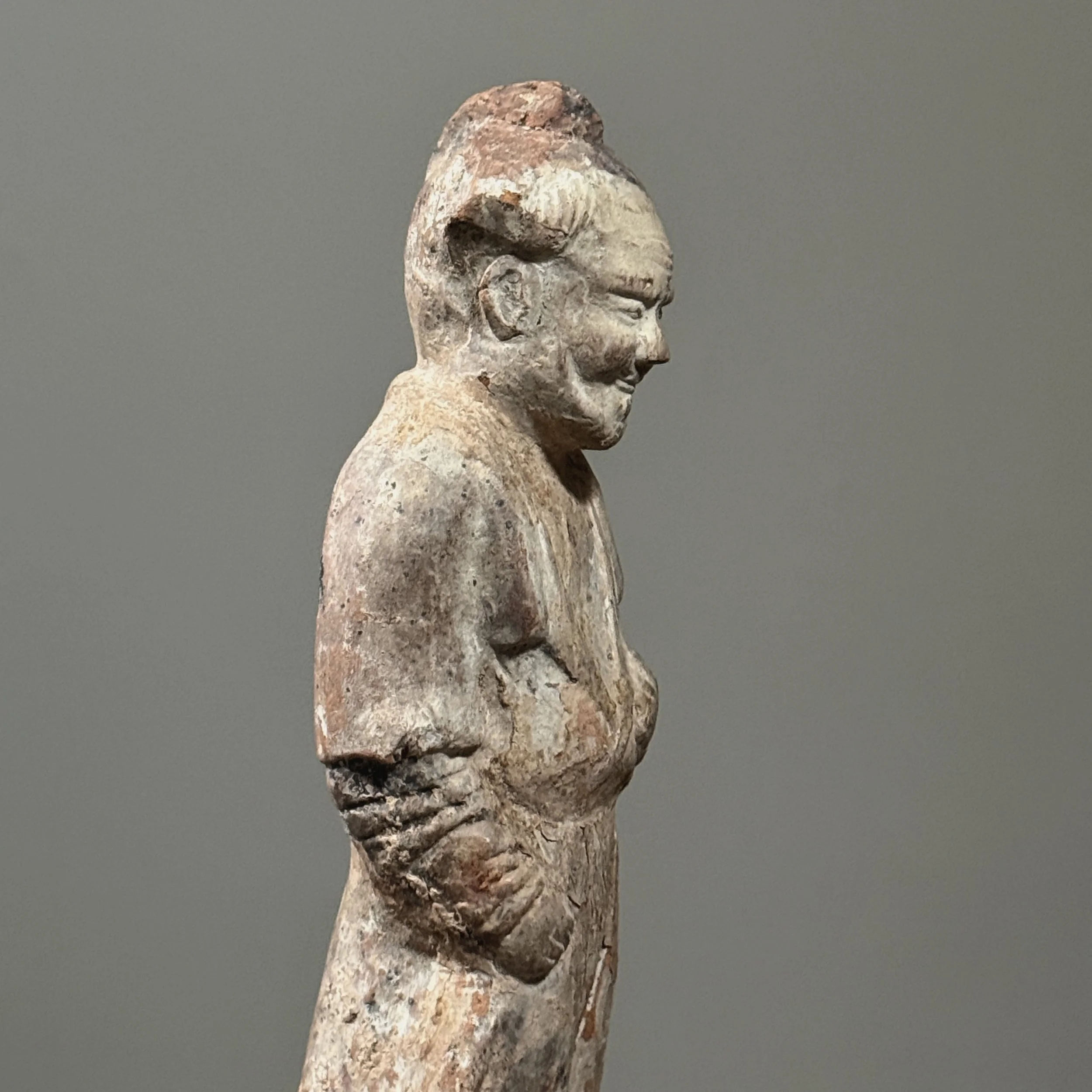
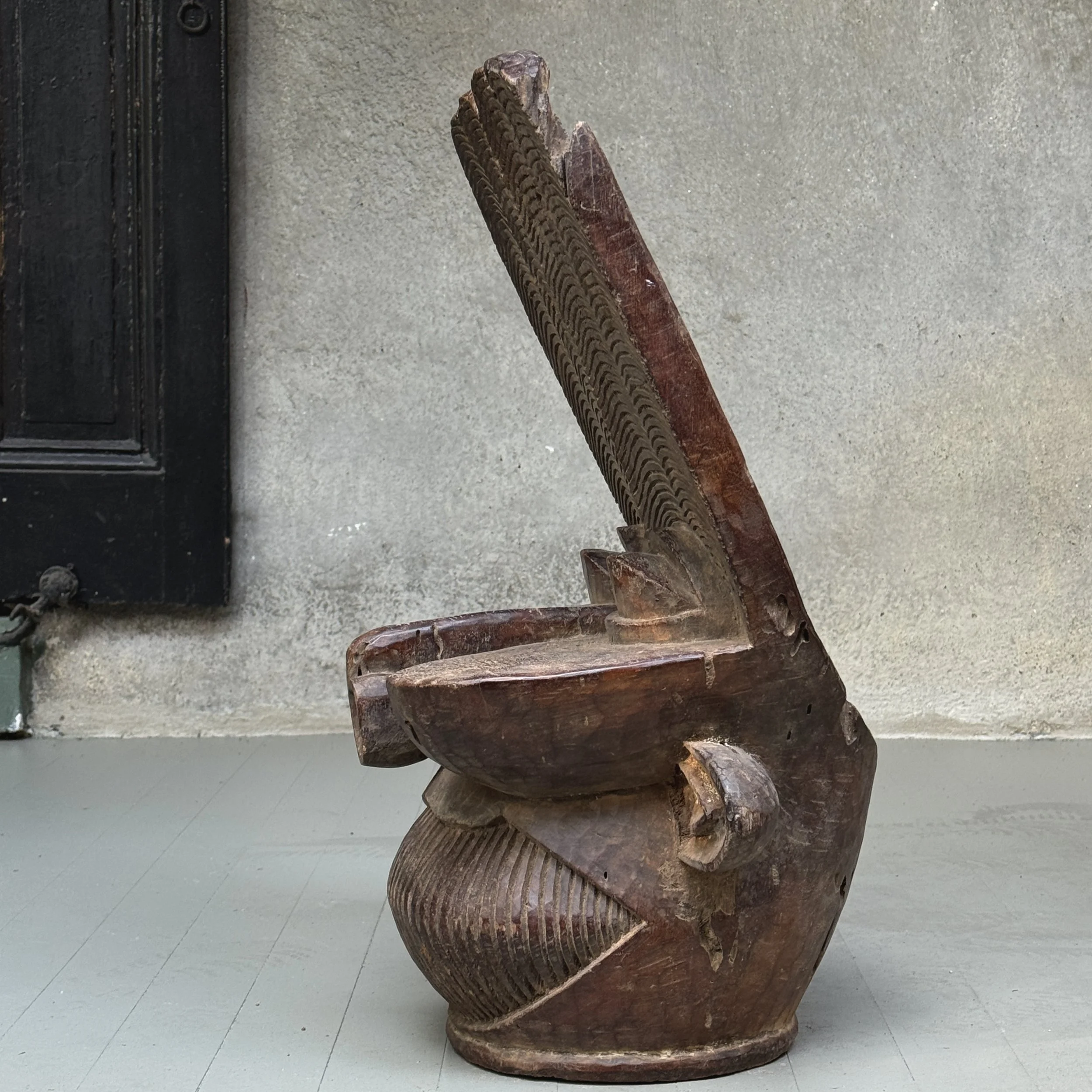
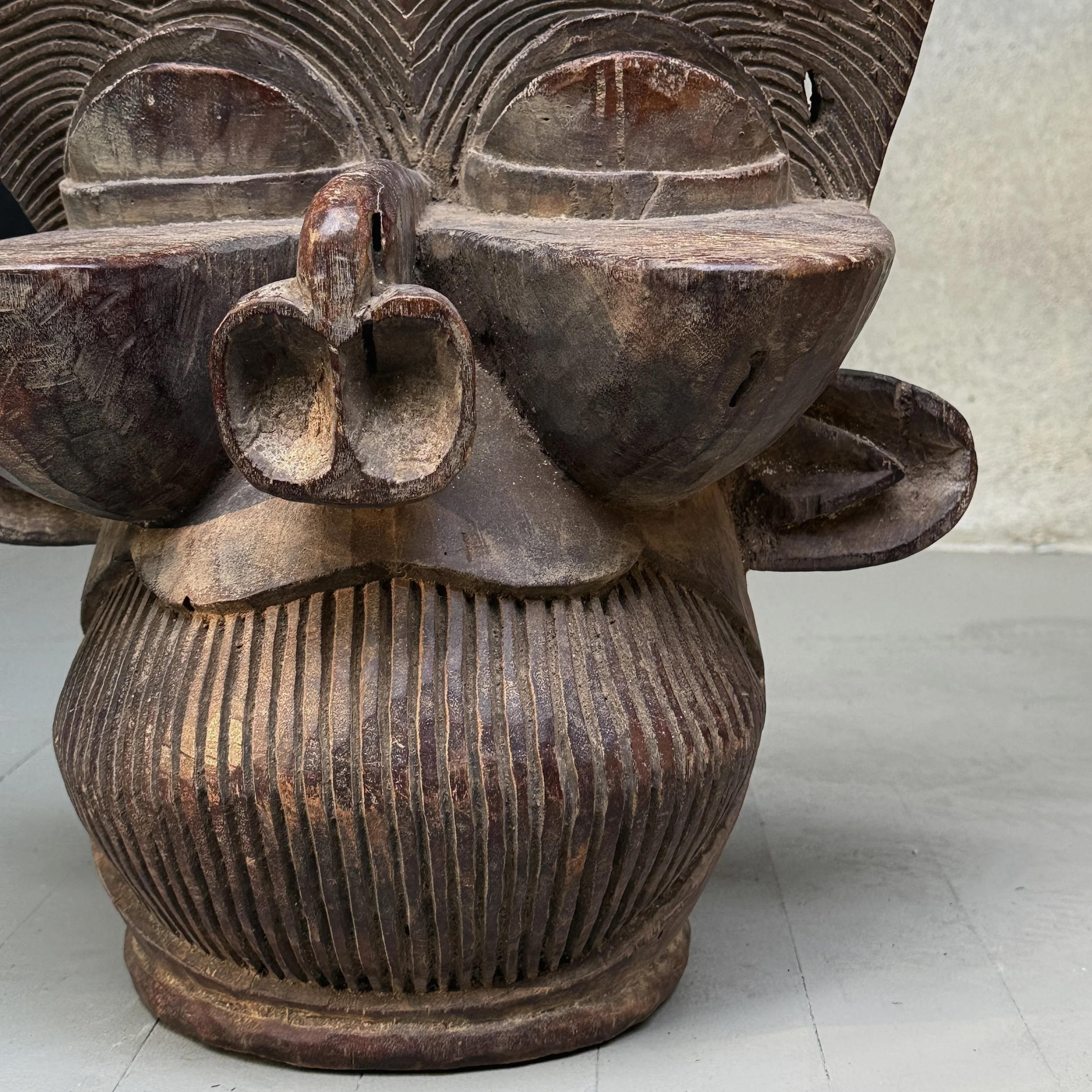
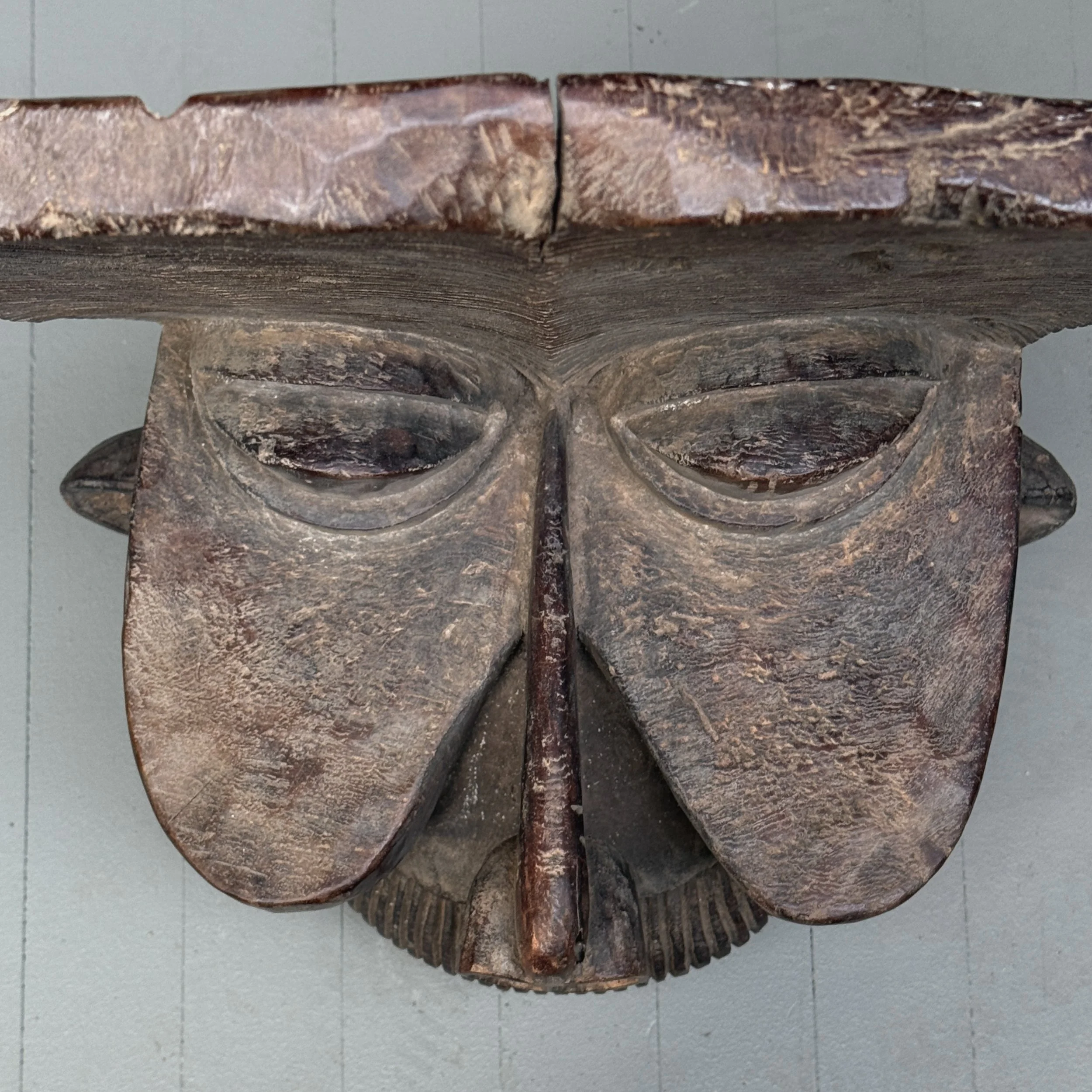
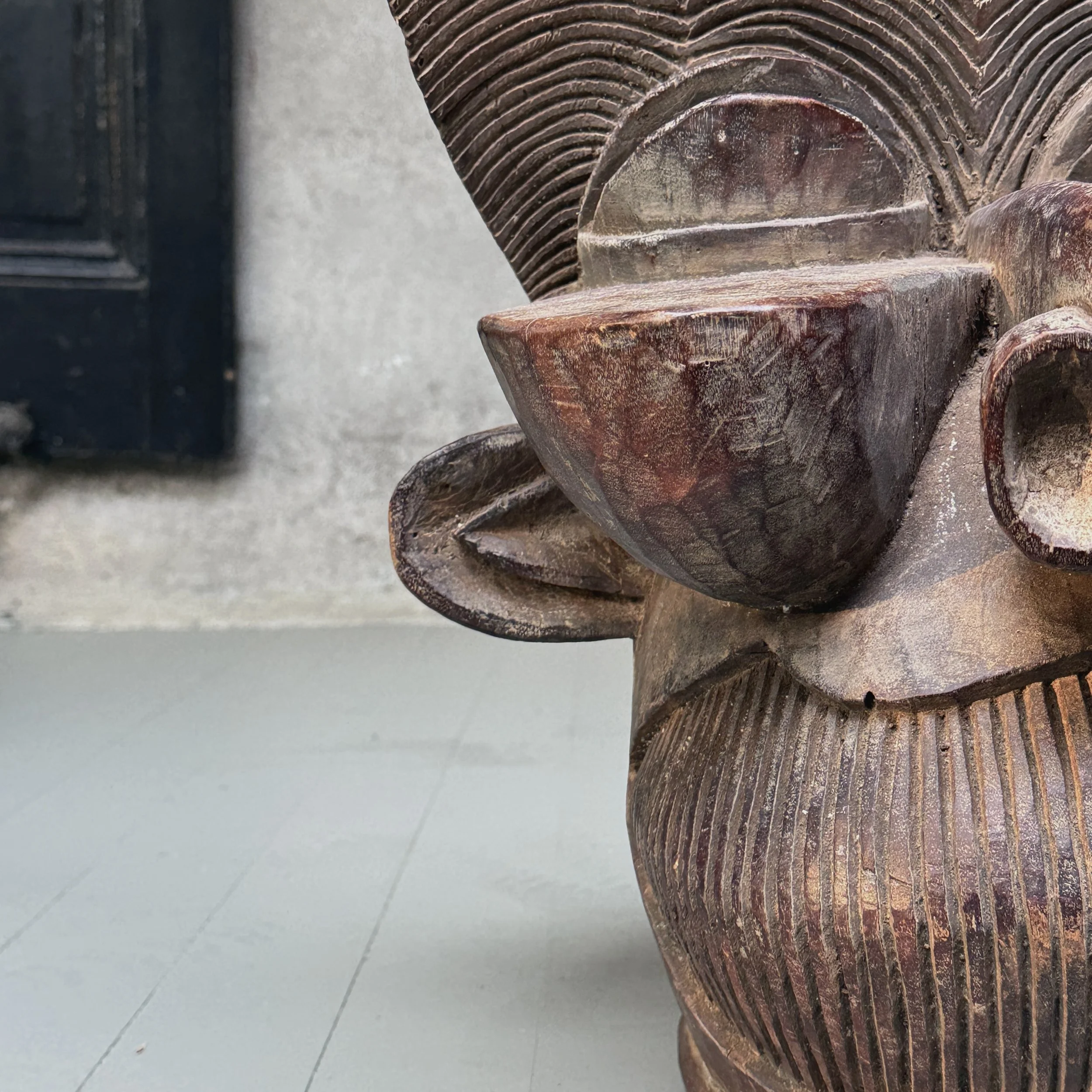
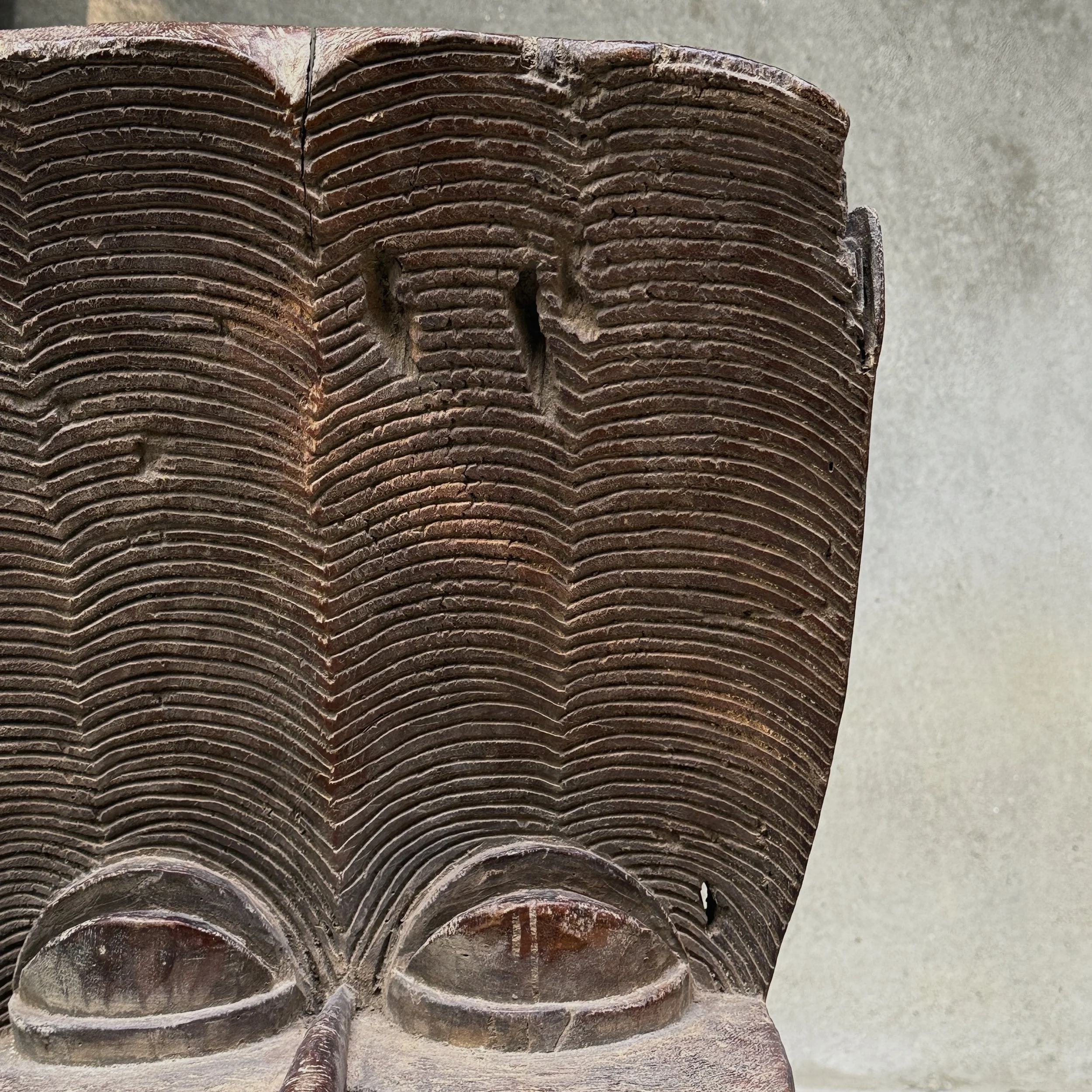
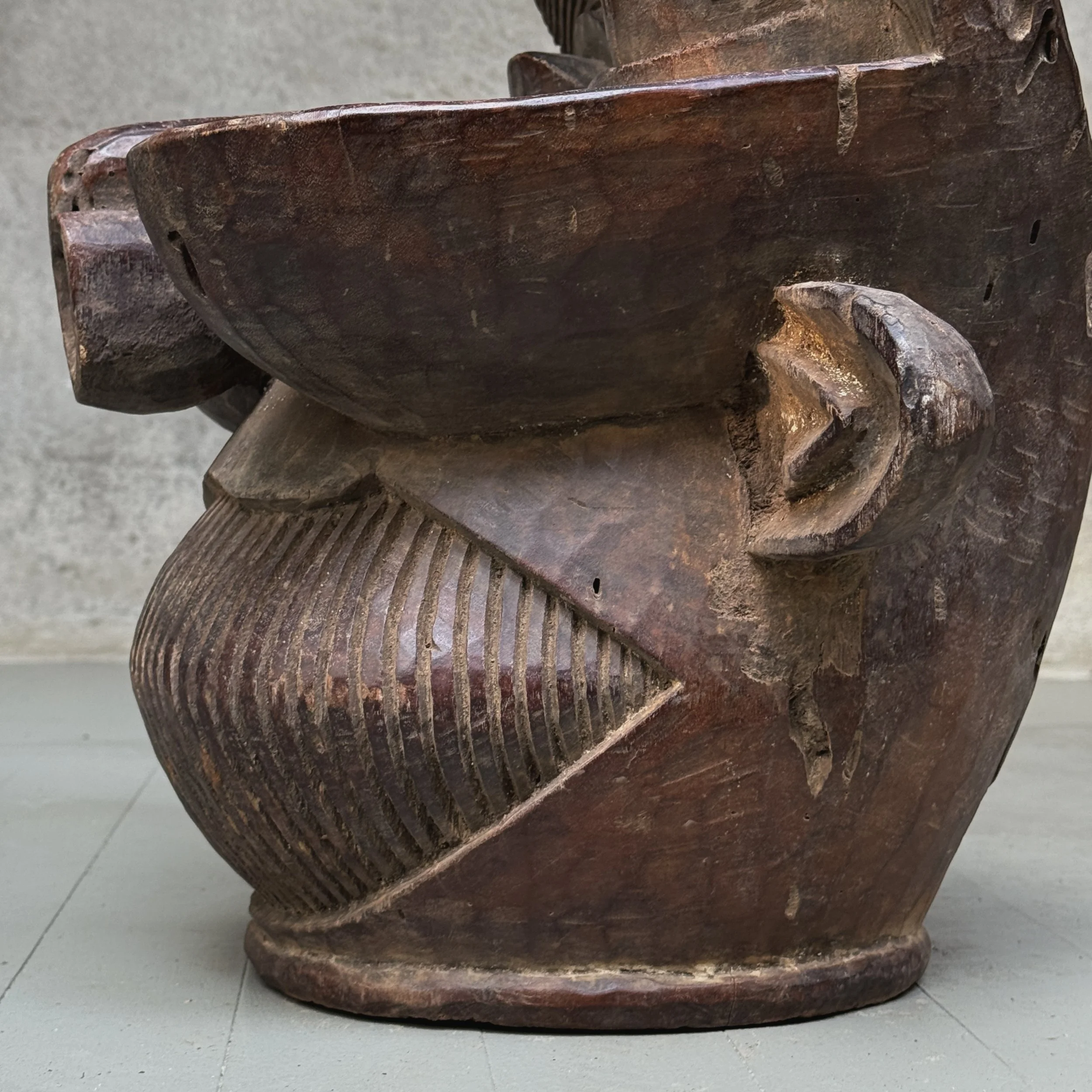
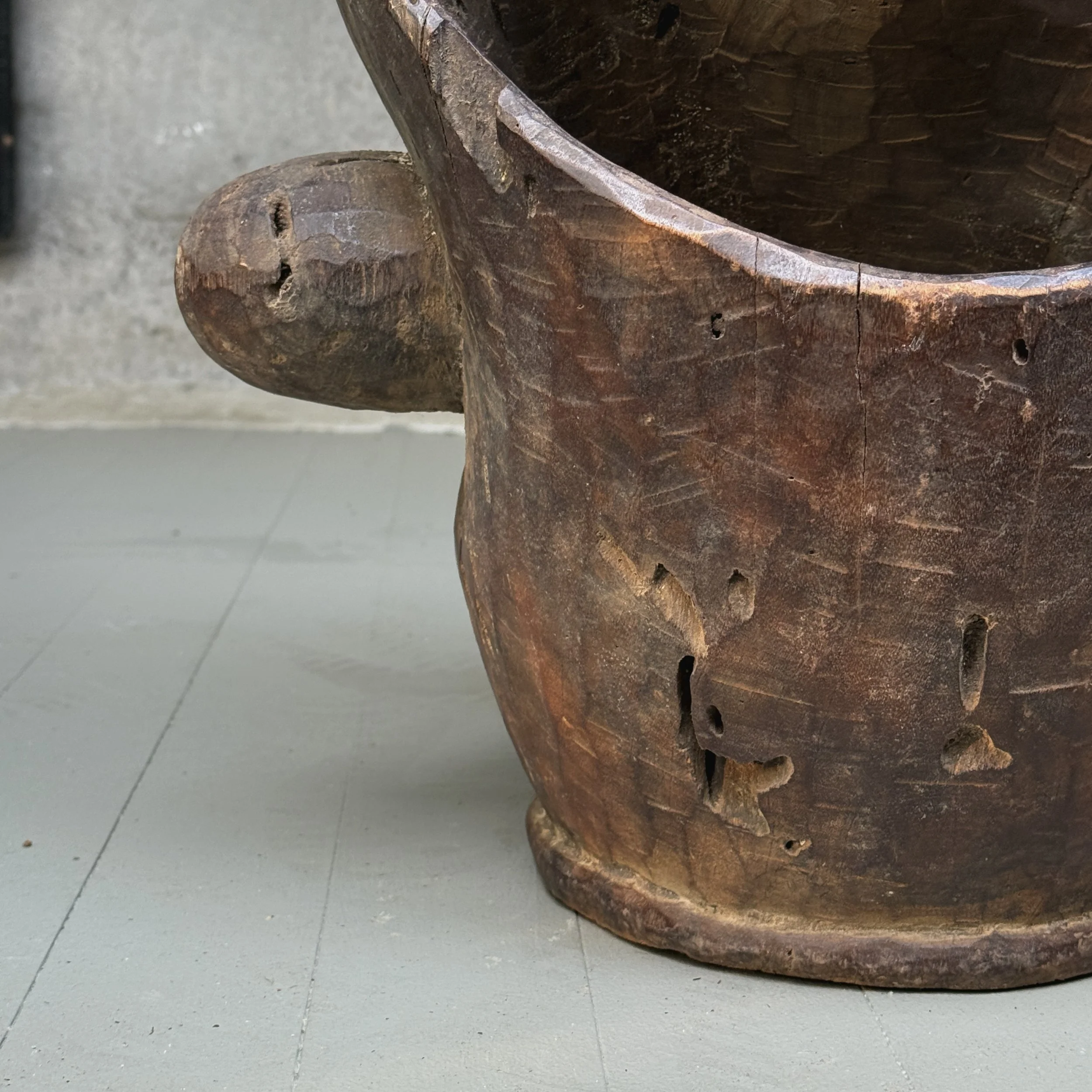
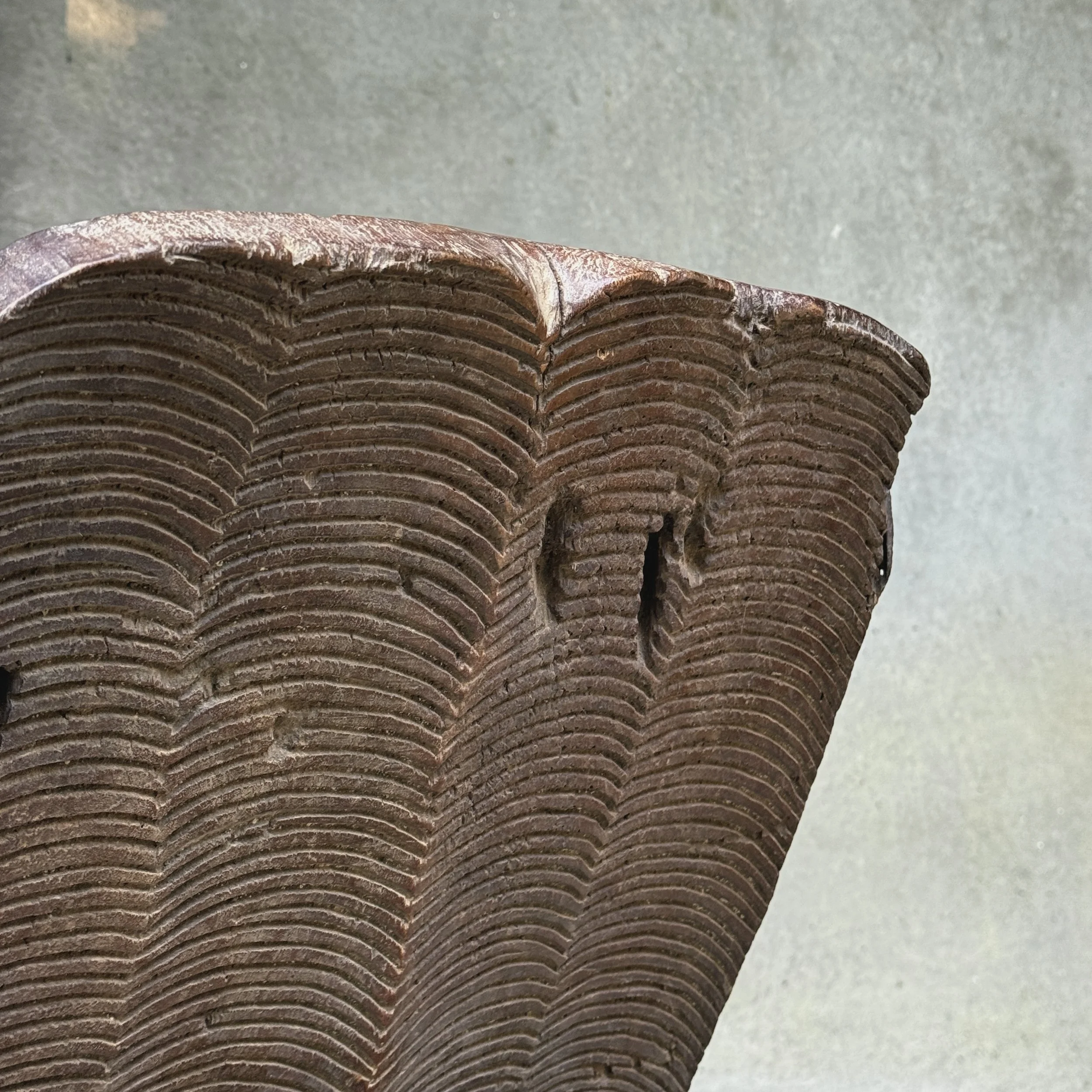
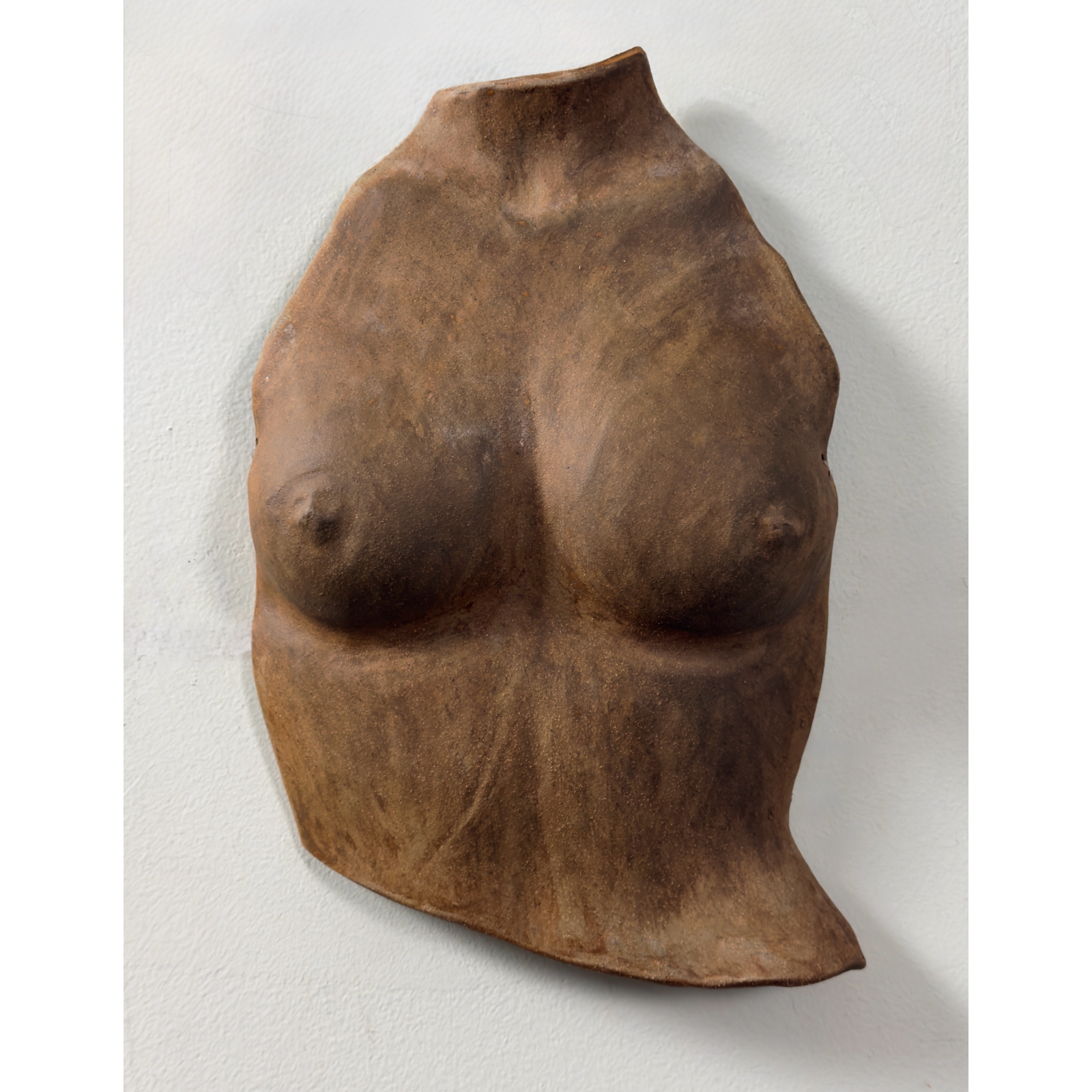
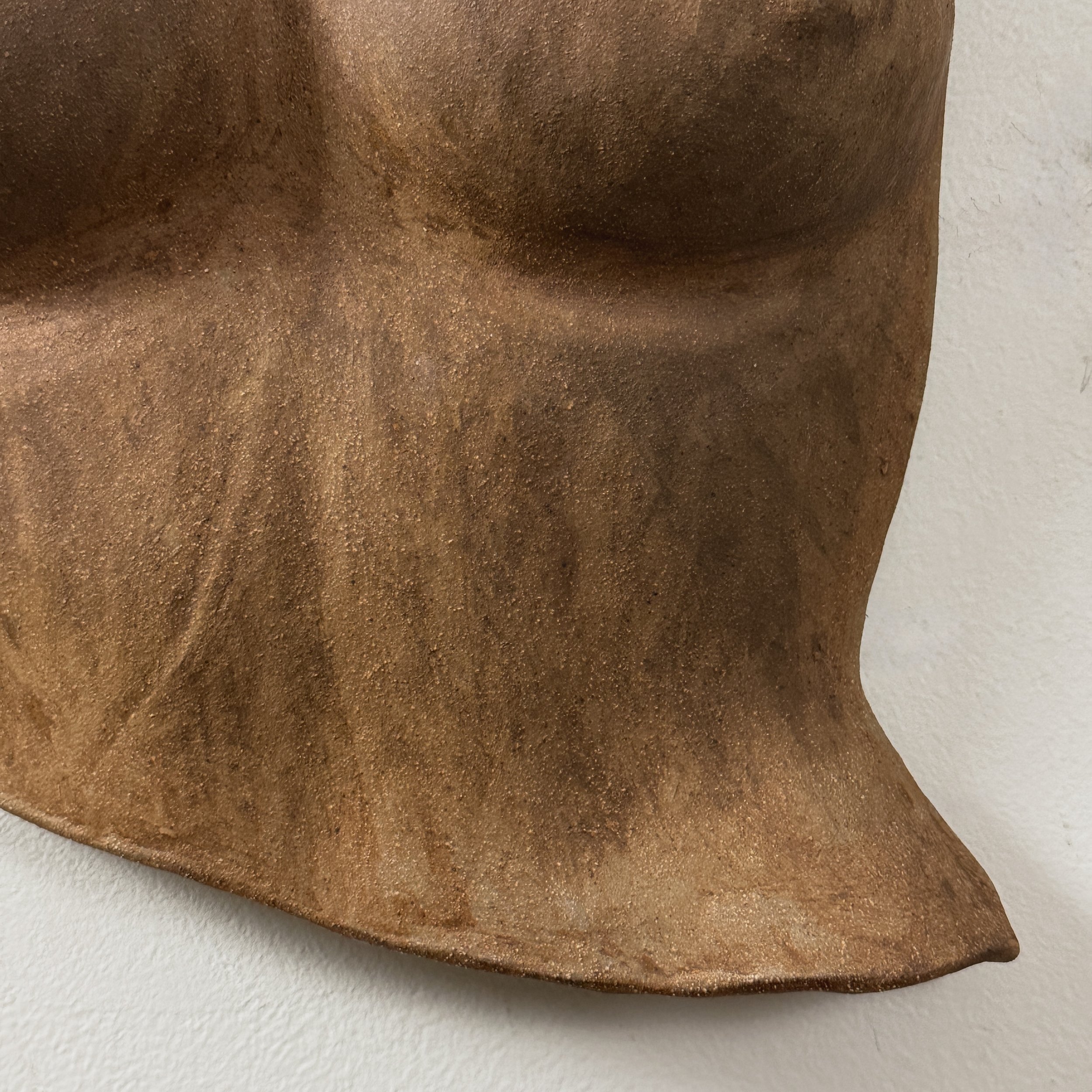
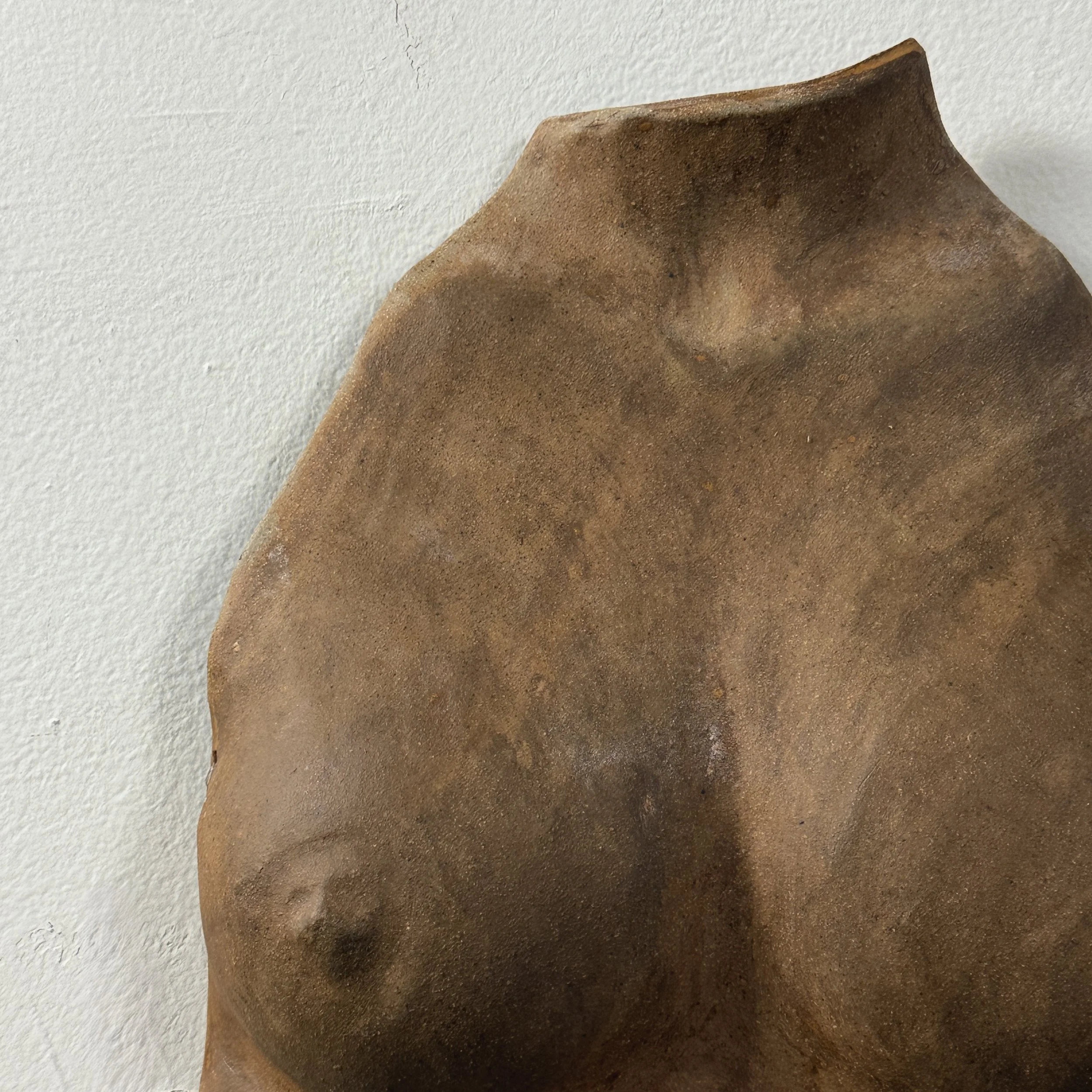
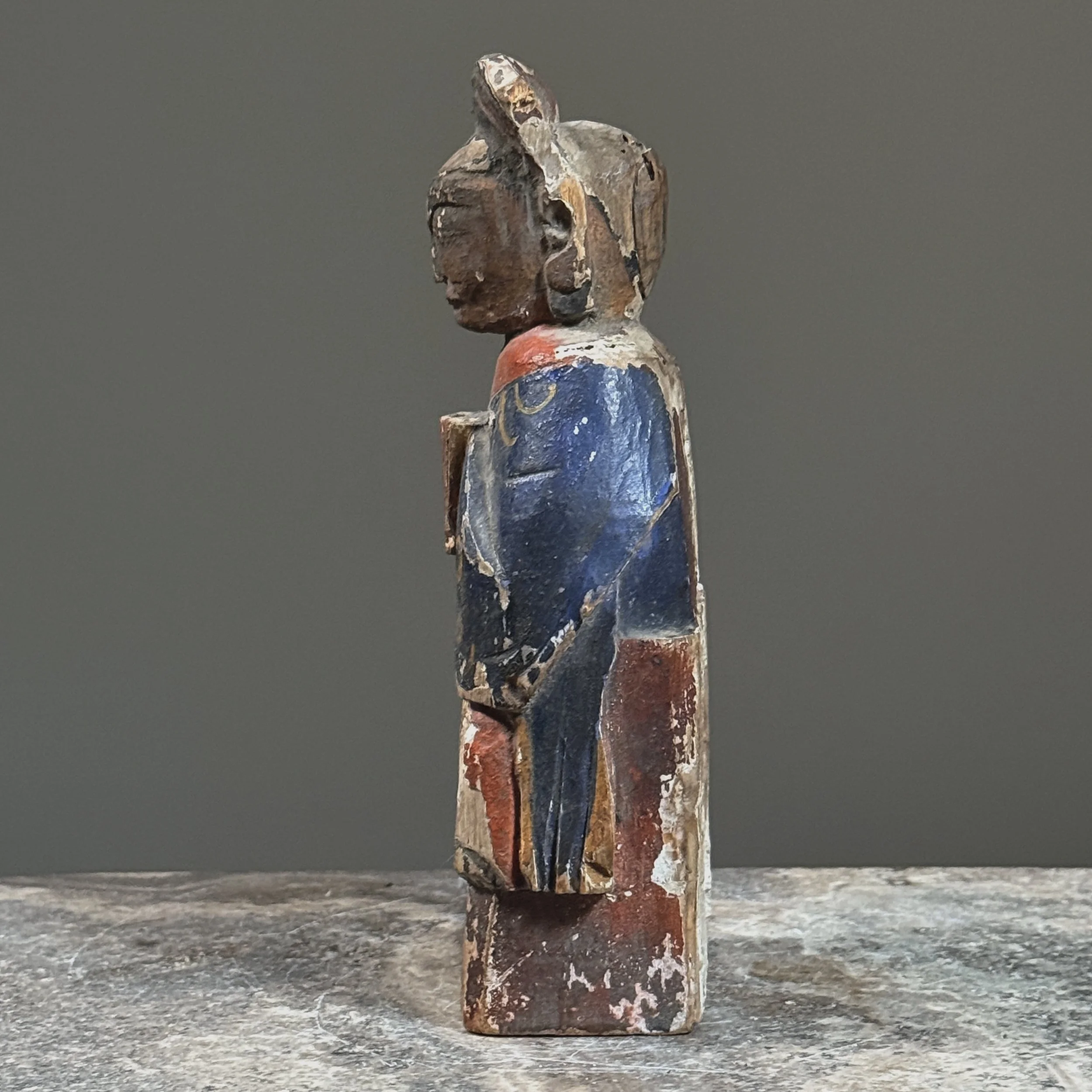
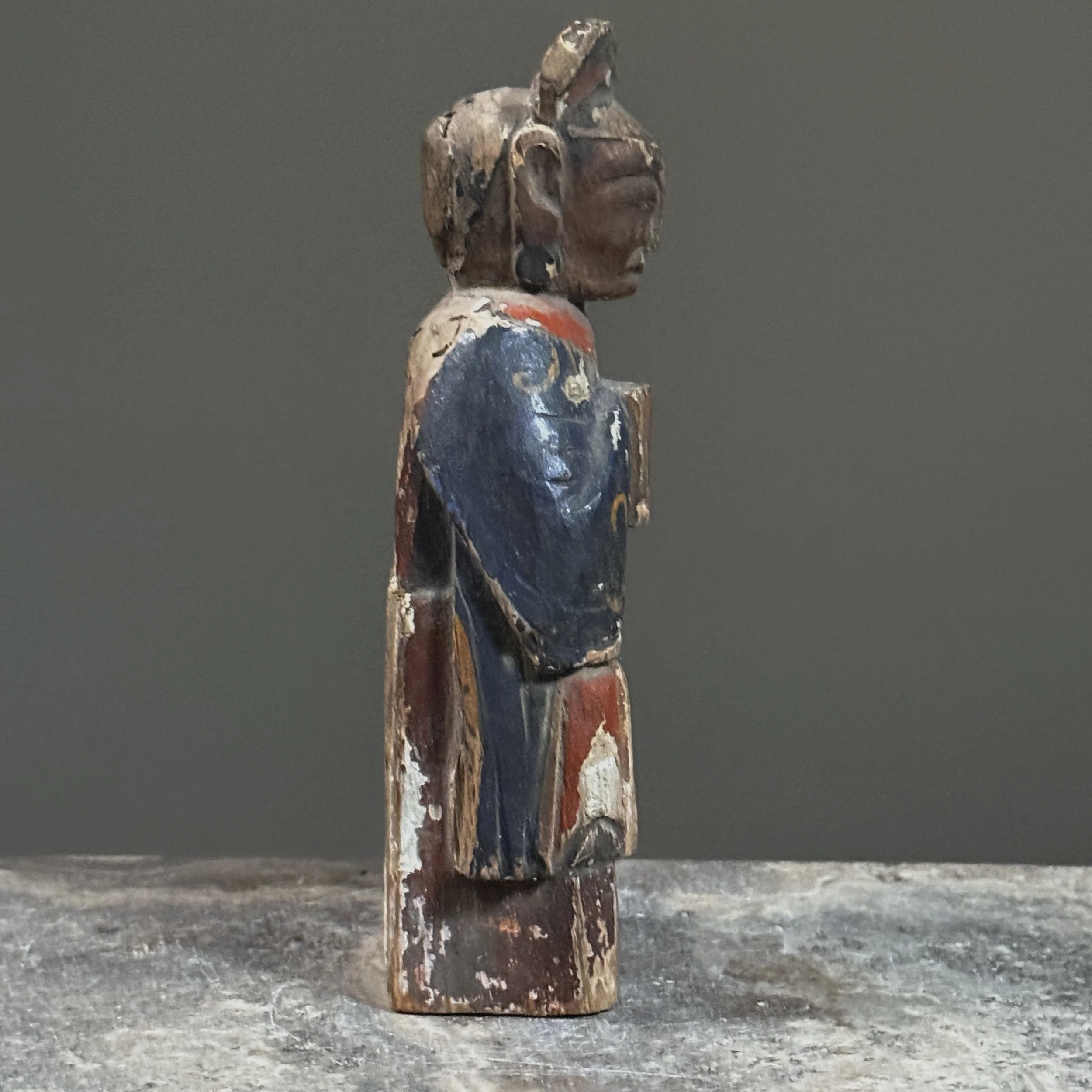
An antique hand-carved wooden shrine figure (tchitcheri) from the Moba peoples of northern Togo, bordering Ghana and Burkina Faso. Executed in the abstract aesthetic for which Moba sculpture is renowned, the figure presents a simple human form . The surface exhibits an aged patina developed through decades of ritual use and exposure. The object dates to the beginning of the twentieth century. The stand pictured is not included. Condition is used and consistent with age. Please reference photos for details.
Here is the passage rewritten in a more simplified, straightforward academic style.
Moba woodcarvers, called tikpierroa, carve tchitcheri figures with an adze. Only sons of diviners may become carvers of these figures. Others who attempt it must use protective medicine, as the practice is considered dangerous. All figures are carved from a single piece of wood.
Moba sculpture is highly minimalist. It conveys complex ideas through simplified forms. The entire body of Moba figures, whether in wood or iron, follows consistent conventions rather than individual invention. The carver works within a limited range of choices: selecting the wood, determining the posture, and deciding the proportions of the parts, especially the head.
Typical characteristics include:
- Ovoid head placed directly on the shoulders, no neck
- Cylindrical torso with broad shoulders and hips
- Straight, simplified arms and legs without detailed hands or feet
- Minimal or absent facial features
- Gender rarely indicated
These forms possess a modern quality. Their abstraction captures the essence of the human figure in a way that appeals to contemporary sensibilities. The sculptures combine formal simplicity with spiritual presence.
Title:Tchitcheri Shrine Figure
Culture: Moba
Date: Second half of the 20th century
Medium: Wood
Technique: Hand-carved with adze
Dimensions: Height: 36.8 cm (14.5 in), Width: 6.4 cm (2.5 in), Depth: 7.0 cm (2.75 in)
Condition: Used; wear consistent with age and ritual use. Stand not included. See photographs for detailed condition.
An antique hand-carved wooden shrine figure (tchitcheri) from the Moba peoples of northern Togo, bordering Ghana and Burkina Faso. Executed in the abstract aesthetic for which Moba sculpture is renowned, the figure presents a simple human form . The surface exhibits an aged patina developed through decades of ritual use and exposure. The object dates to the beginning of the twentieth century. The stand pictured is not included. Condition is used and consistent with age. Please reference photos for details.
Here is the passage rewritten in a more simplified, straightforward academic style.
Moba woodcarvers, called tikpierroa, carve tchitcheri figures with an adze. Only sons of diviners may become carvers of these figures. Others who attempt it must use protective medicine, as the practice is considered dangerous. All figures are carved from a single piece of wood.
Moba sculpture is highly minimalist. It conveys complex ideas through simplified forms. The entire body of Moba figures, whether in wood or iron, follows consistent conventions rather than individual invention. The carver works within a limited range of choices: selecting the wood, determining the posture, and deciding the proportions of the parts, especially the head.
Typical characteristics include:
- Ovoid head placed directly on the shoulders, no neck
- Cylindrical torso with broad shoulders and hips
- Straight, simplified arms and legs without detailed hands or feet
- Minimal or absent facial features
- Gender rarely indicated
These forms possess a modern quality. Their abstraction captures the essence of the human figure in a way that appeals to contemporary sensibilities. The sculptures combine formal simplicity with spiritual presence.

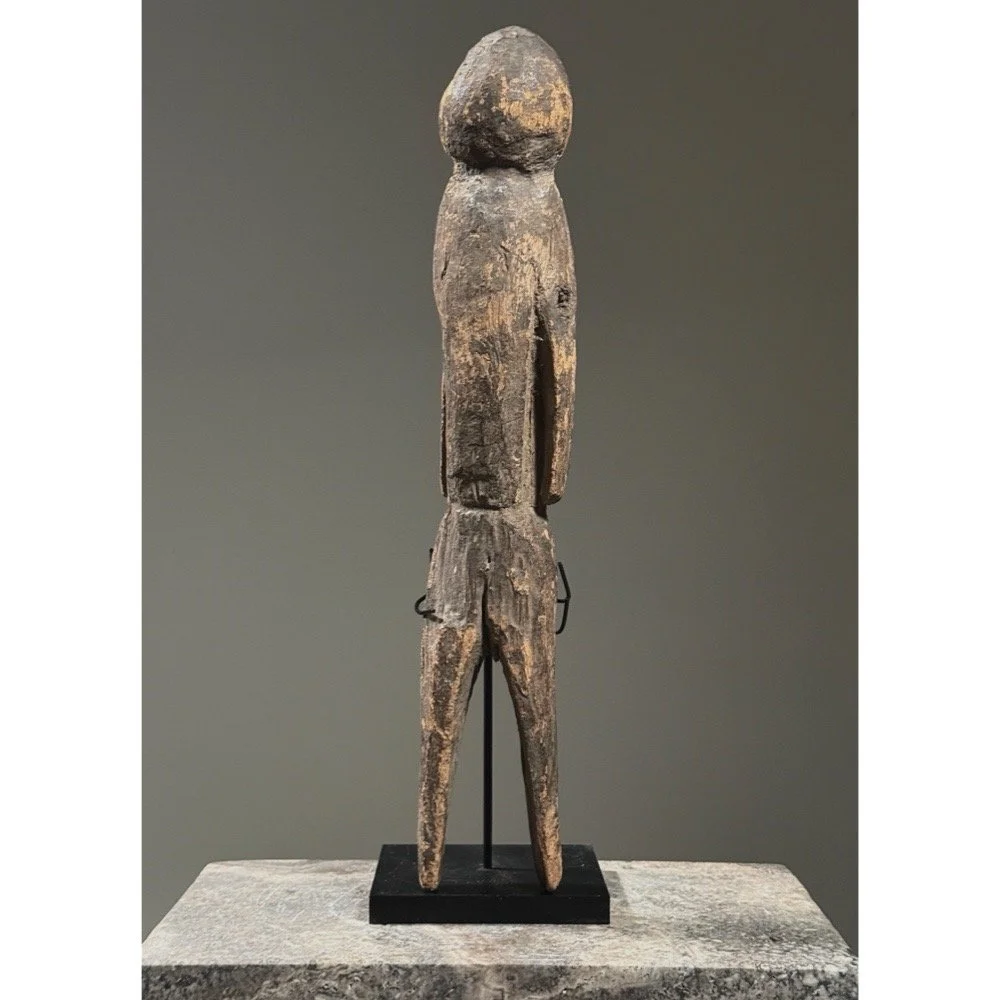 Image 1 of 8
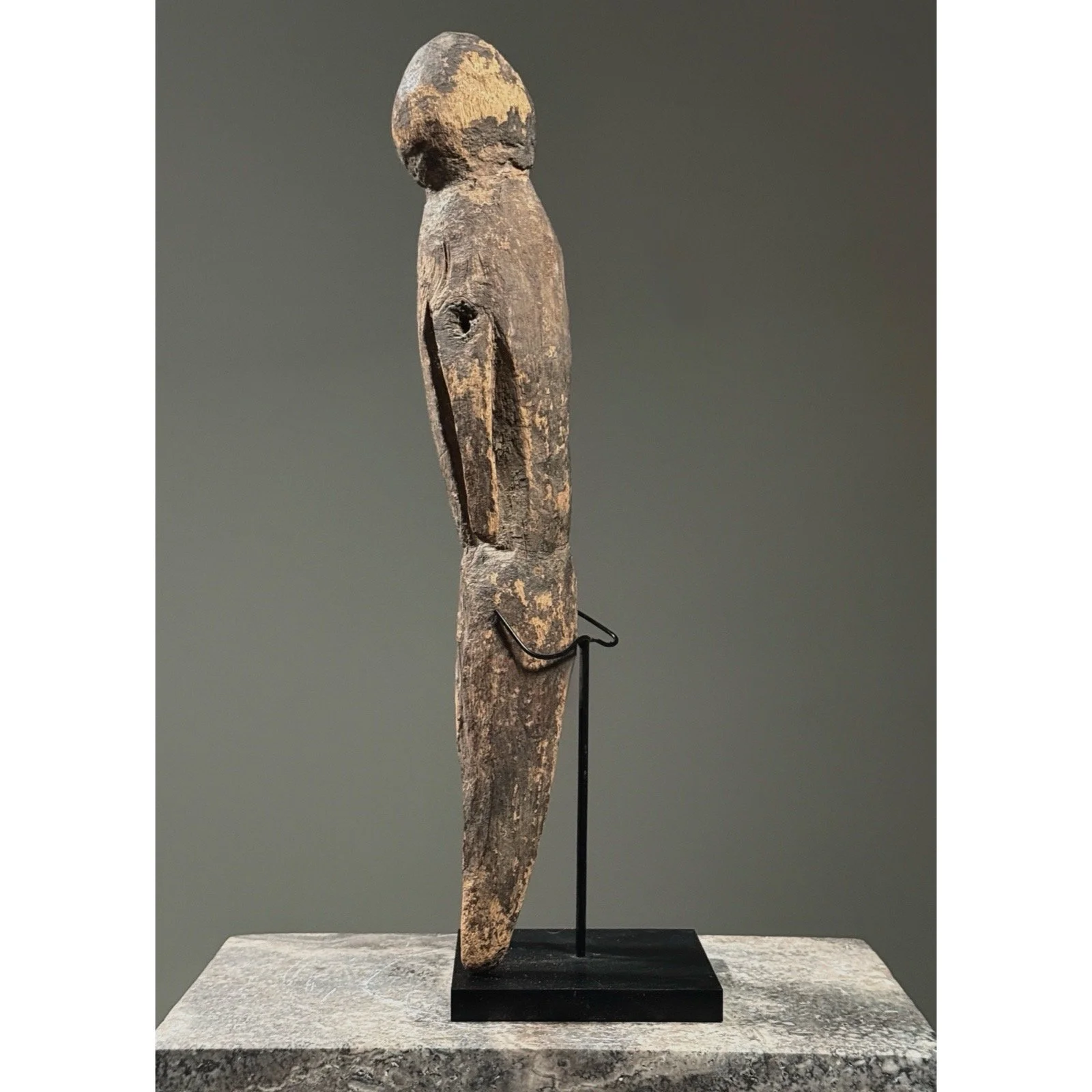 Image 2 of 8
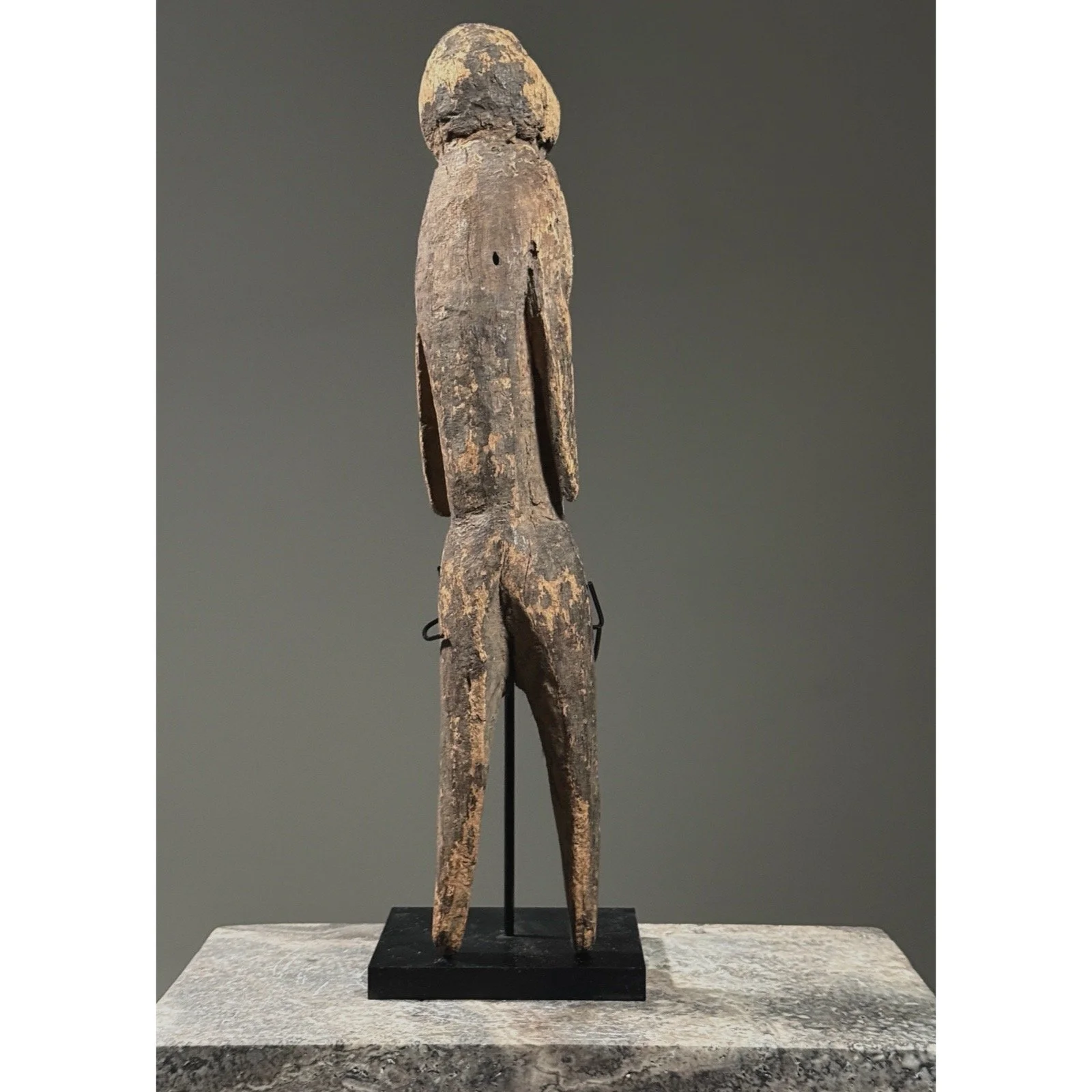 Image 3 of 8
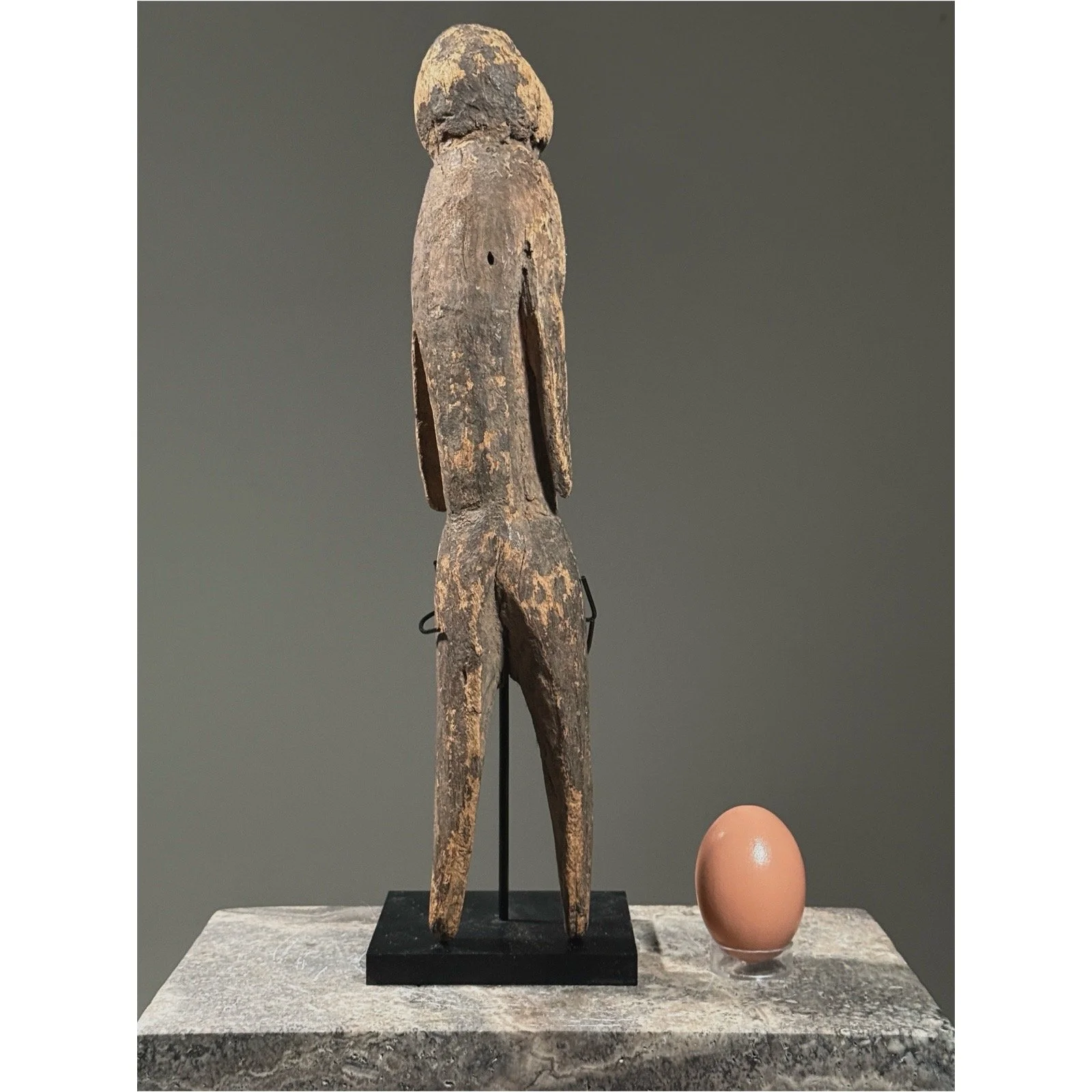 Image 4 of 8
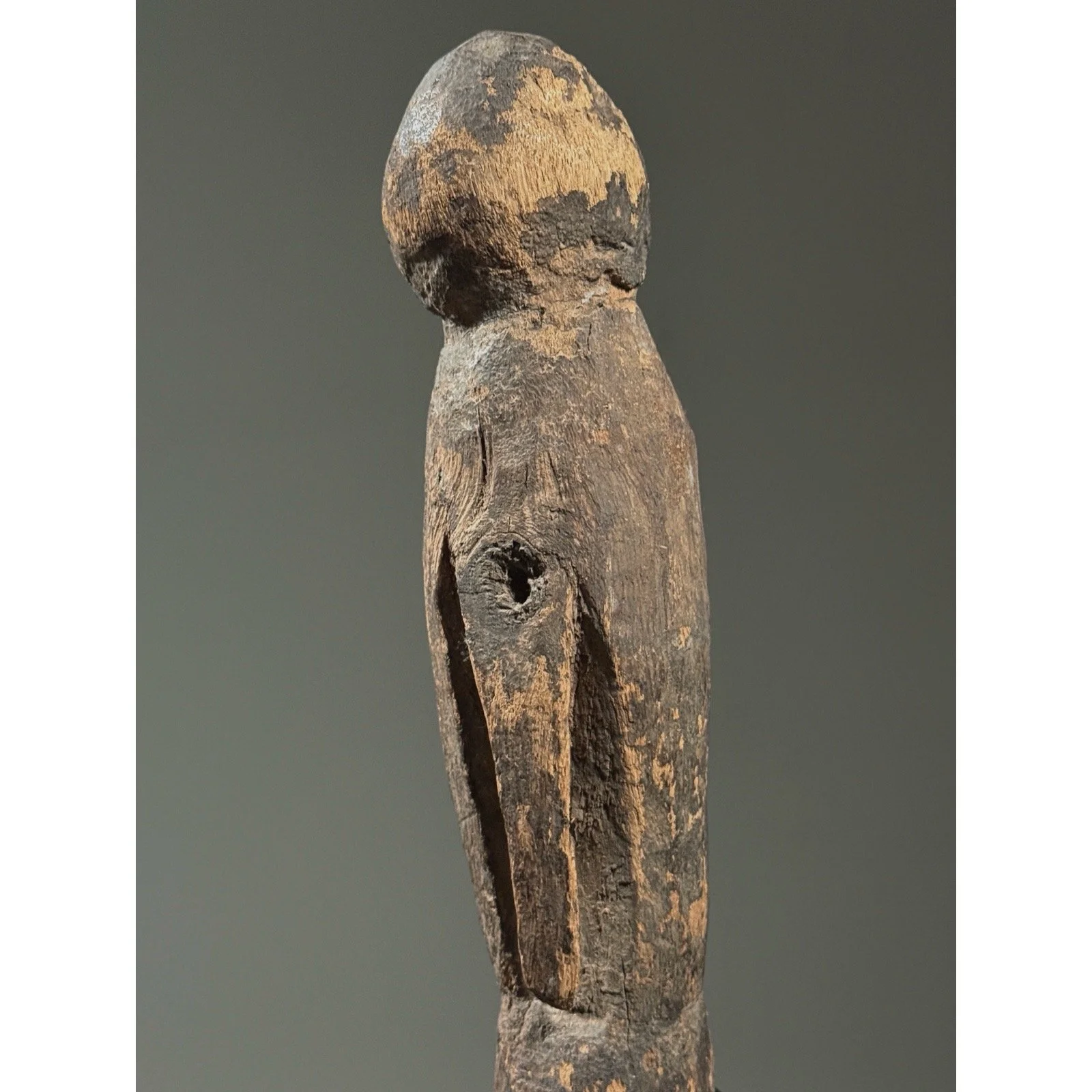 Image 5 of 8
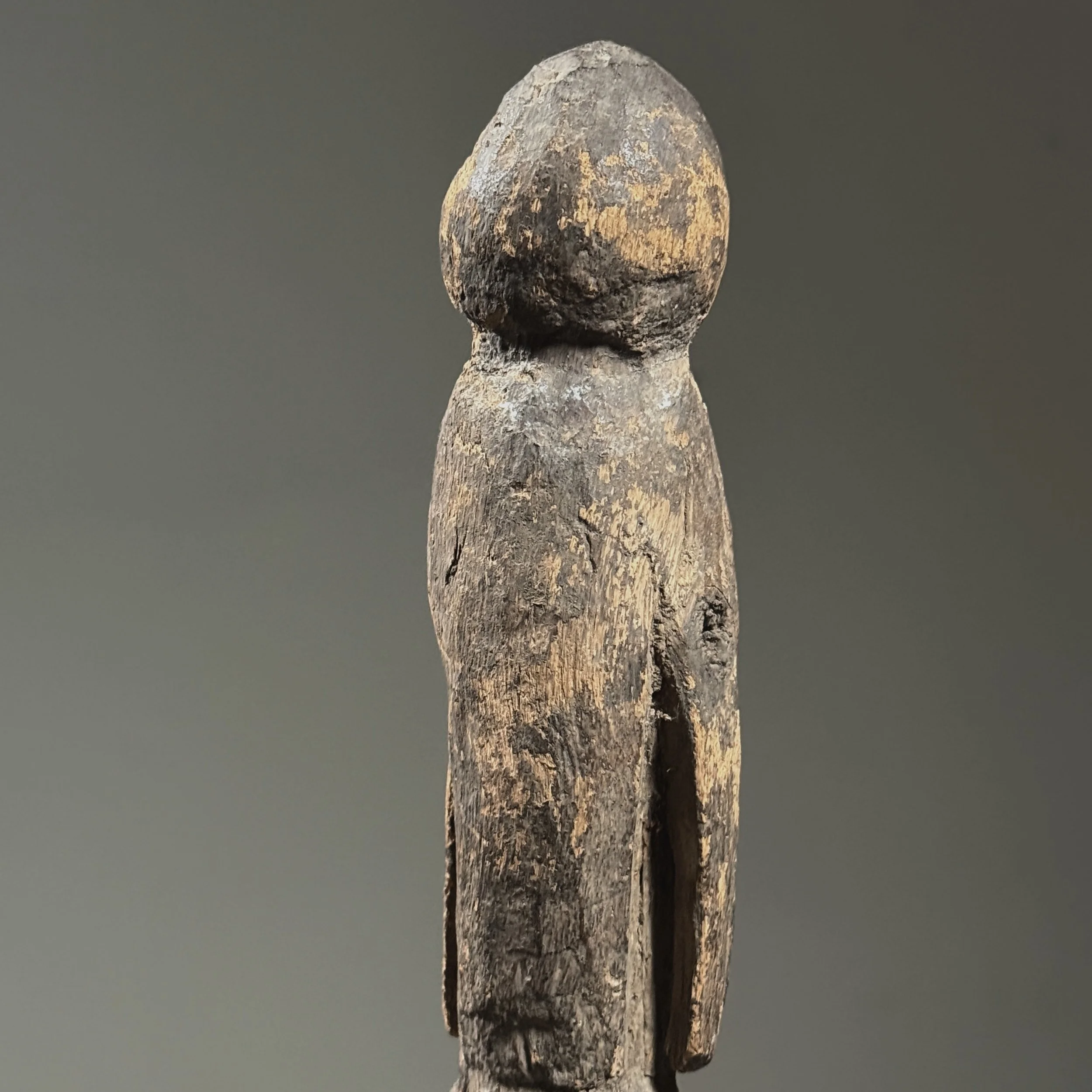 Image 6 of 8
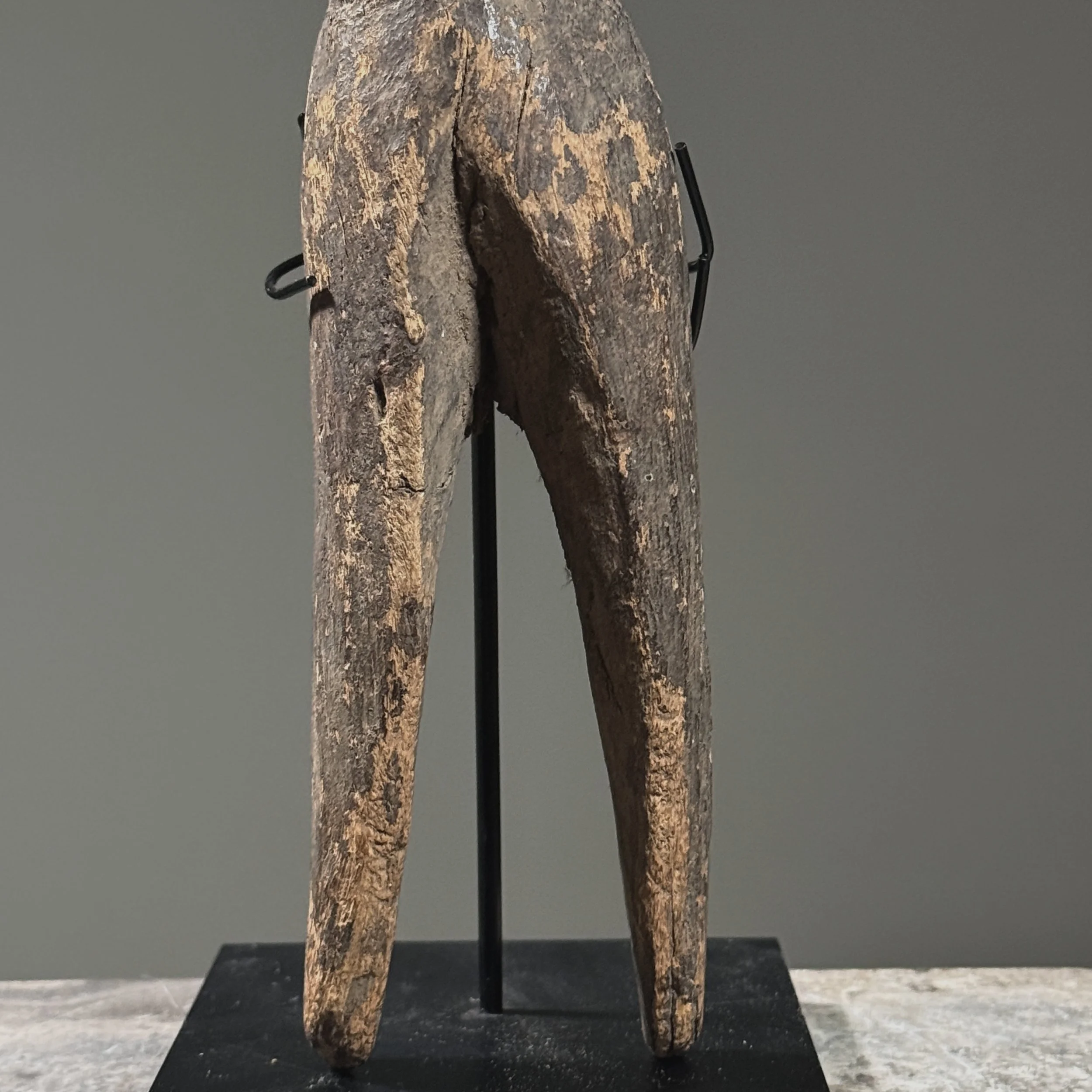 Image 7 of 8
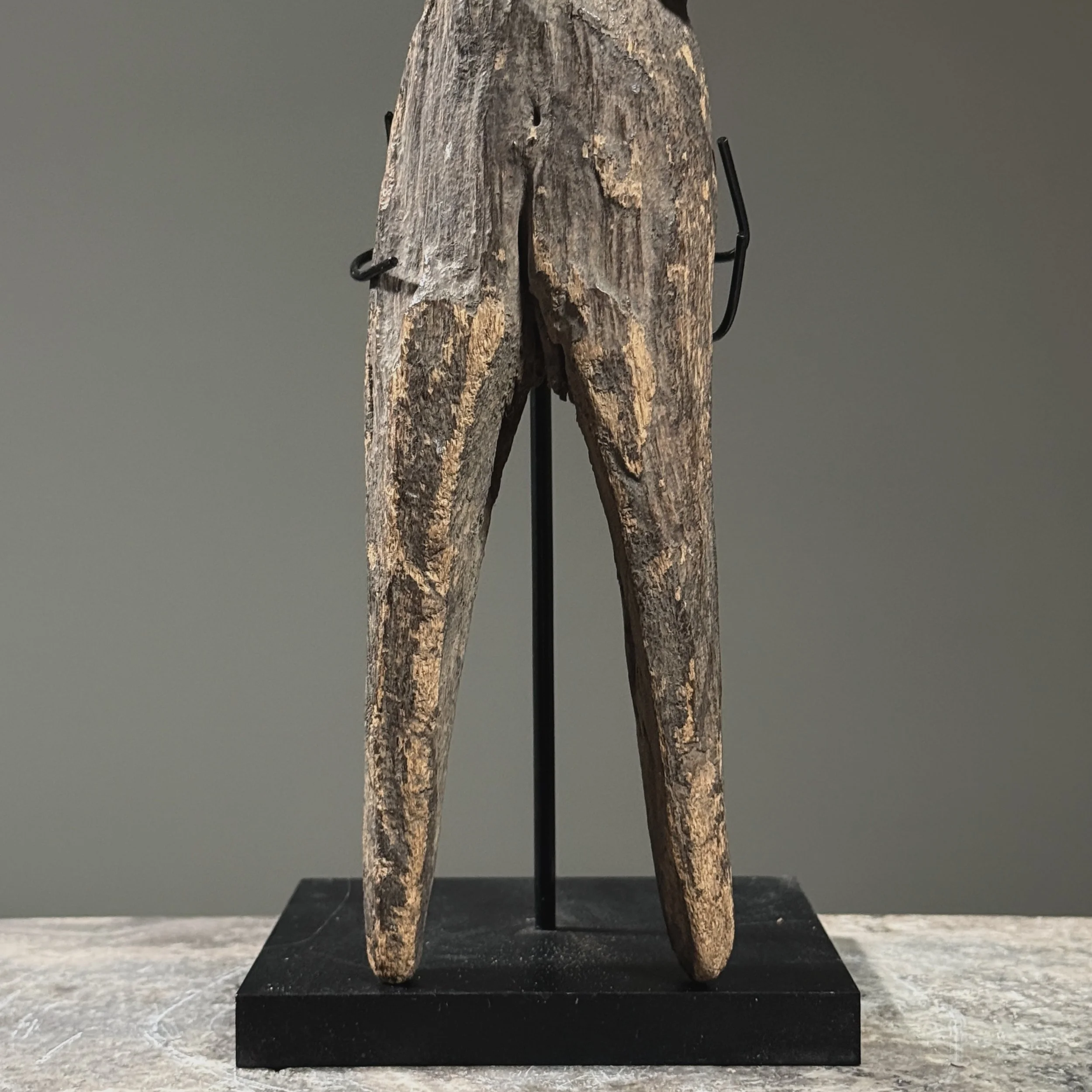 Image 8 of 8