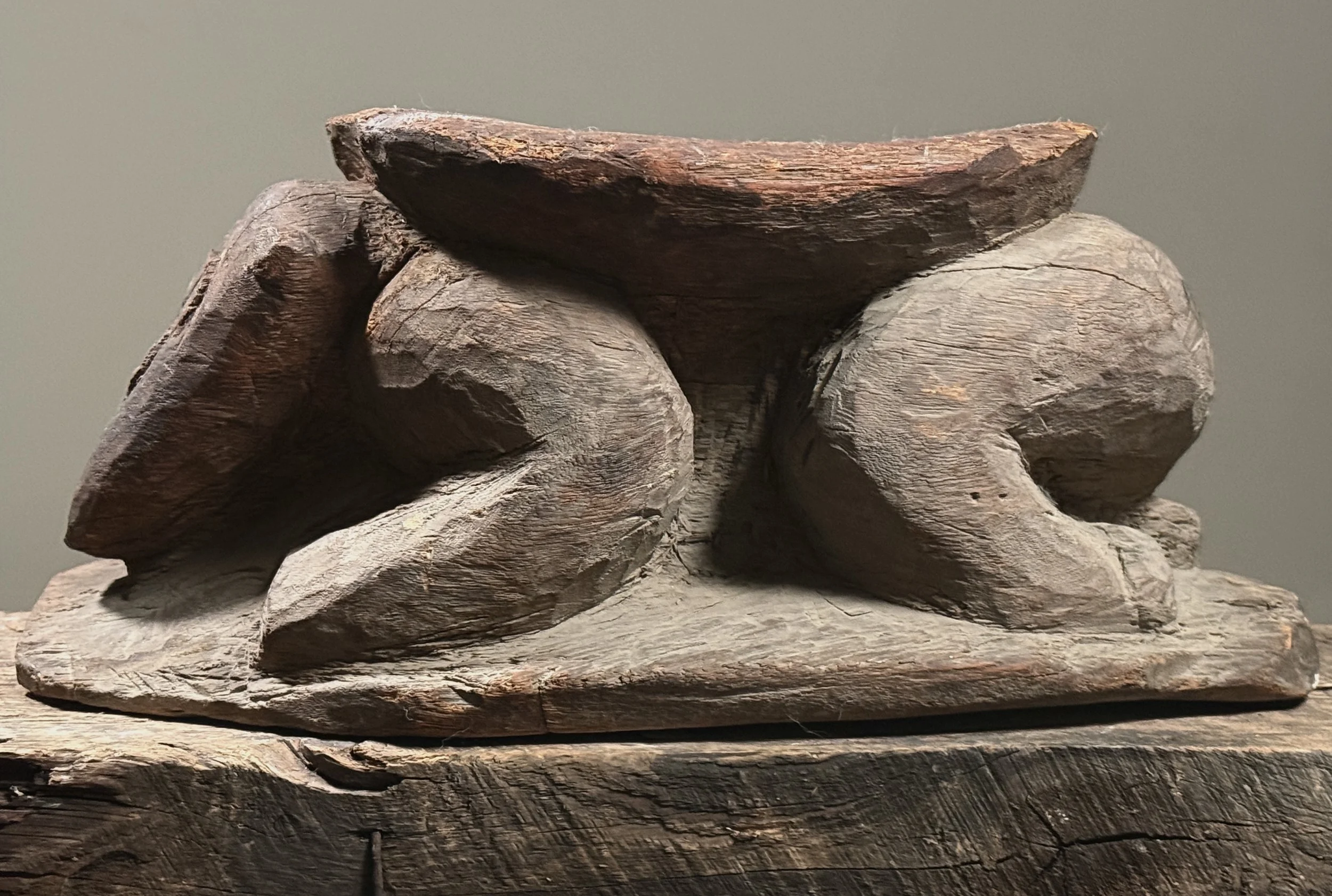
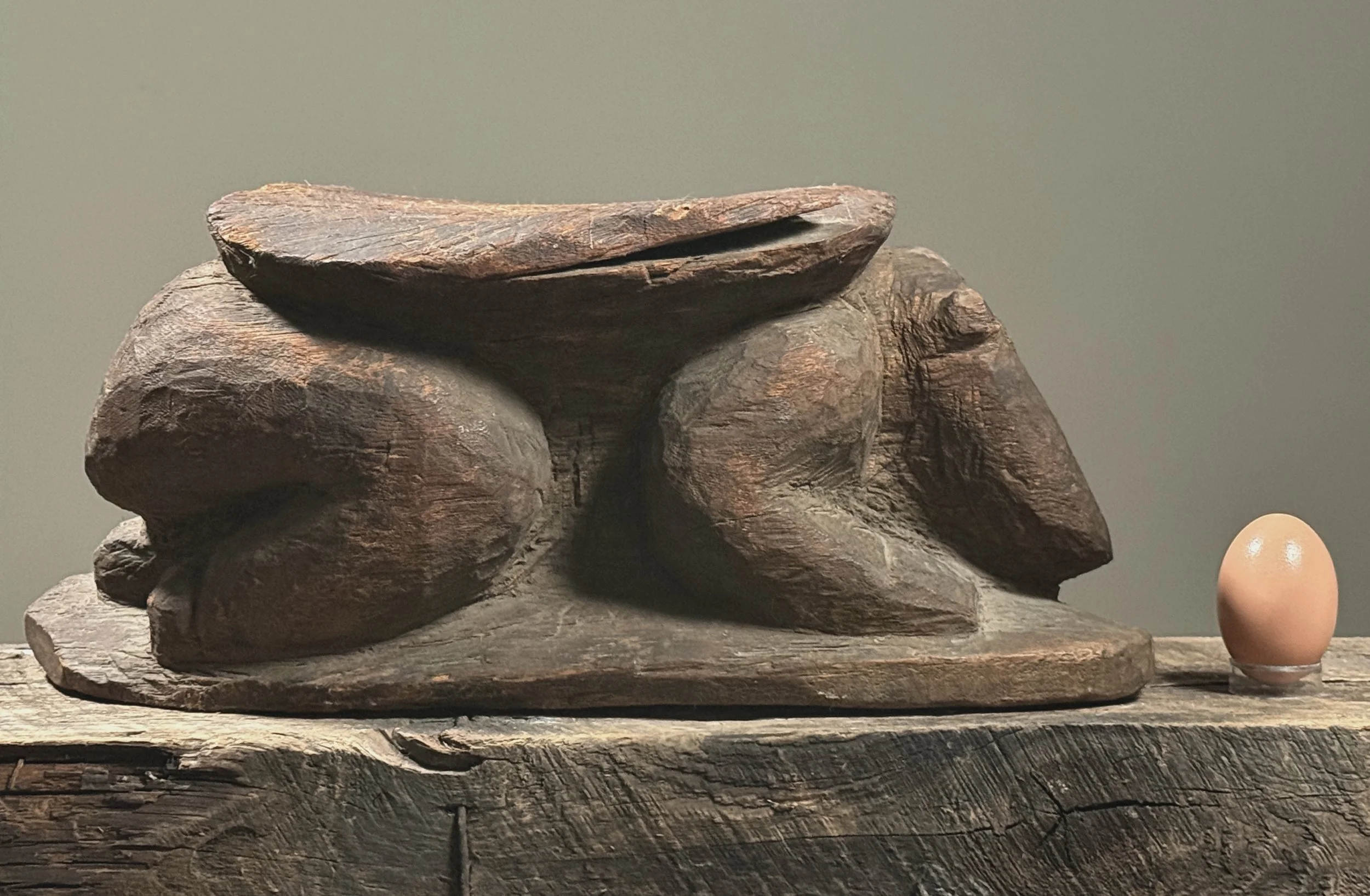
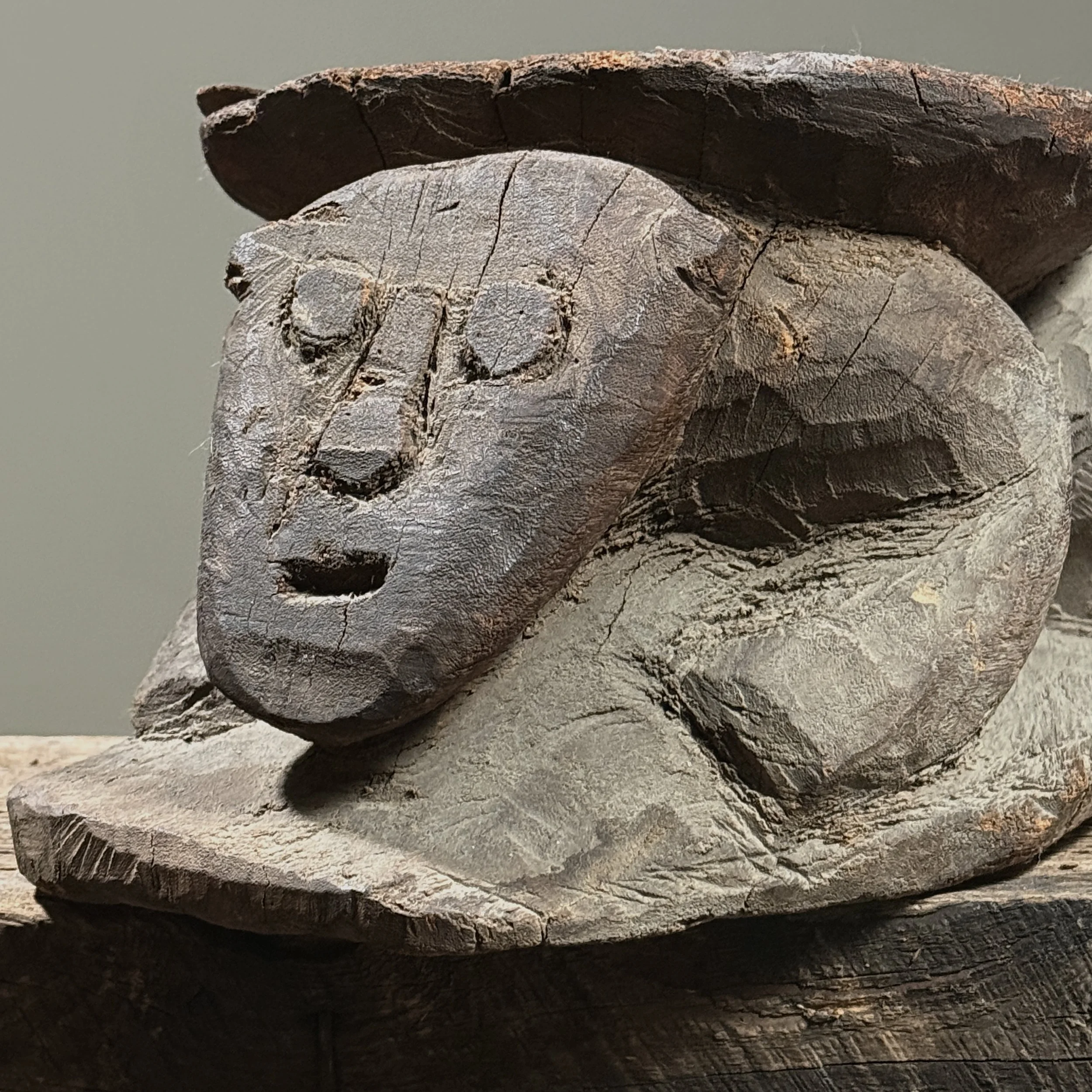
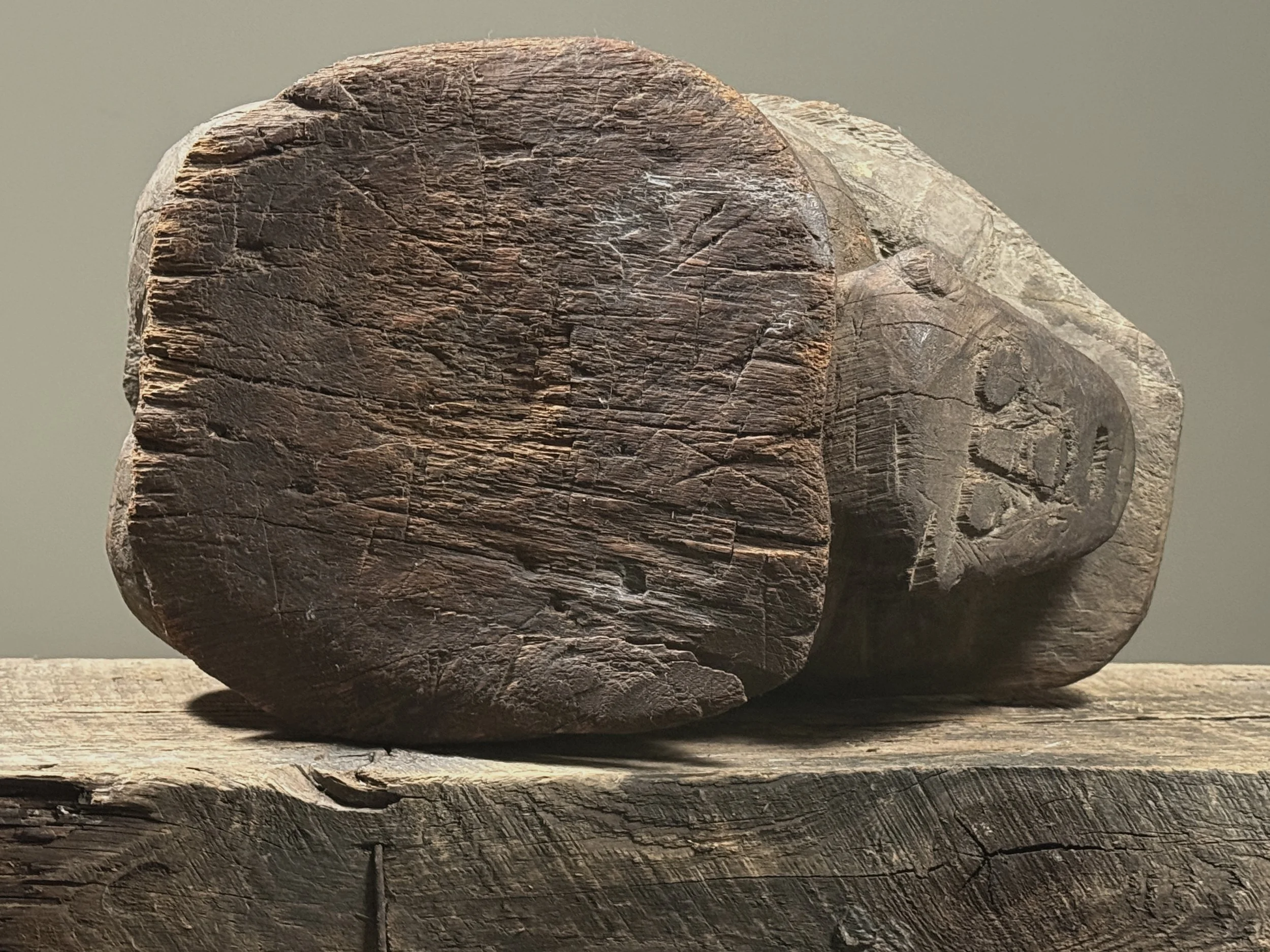
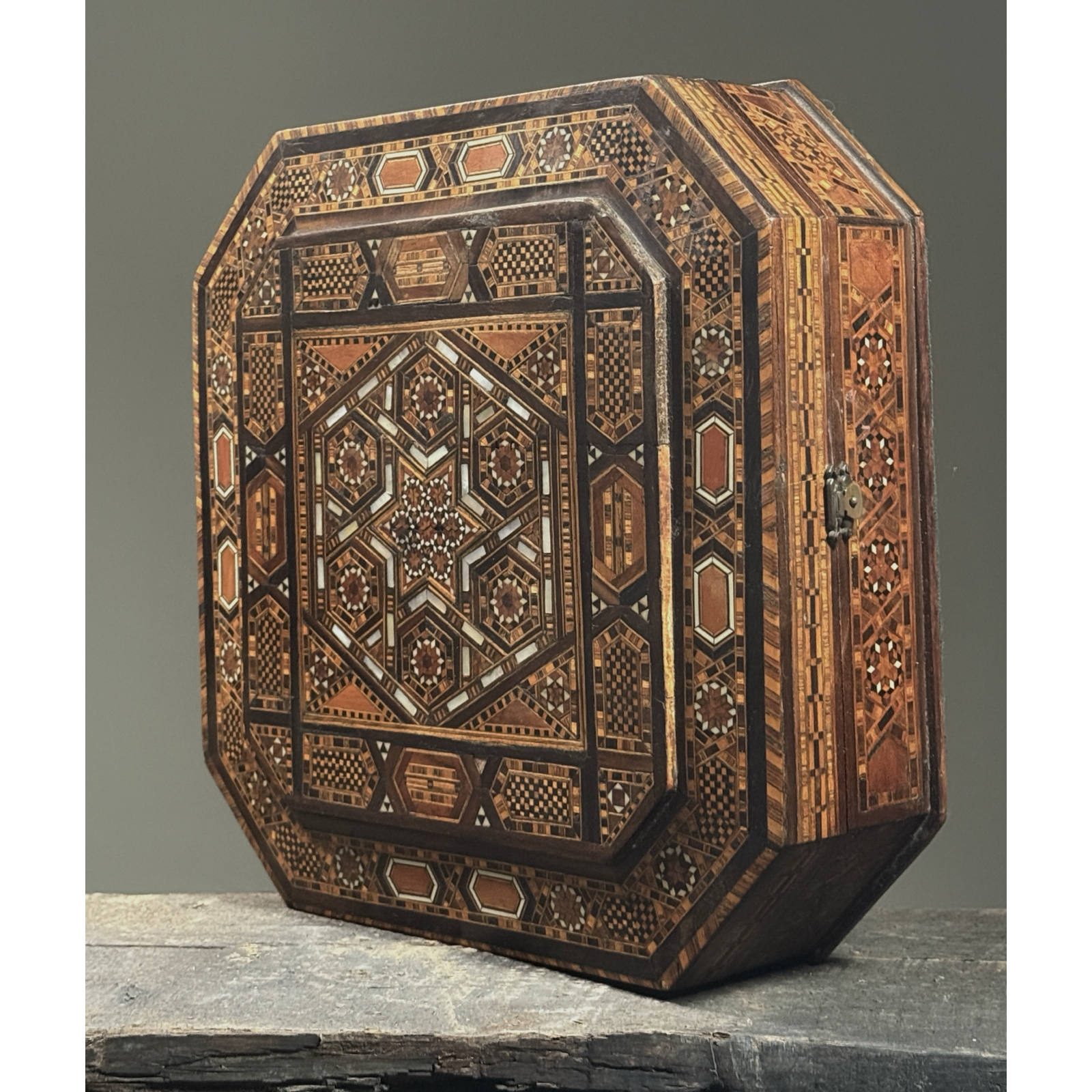
Title: Ceremonial Axe
Culture: Bobo
Date: Antique, 20th century
Medium: Wood, iron
Technique: Hand-carved, hand-forged
Dimensions: Height: 69.9 cm (27.5 in), Width: 20.3 cm (8 in), Depth: 14.7 cm (5.8 in)
Provenance: Thomas G. D. Wheelock Collection, New York
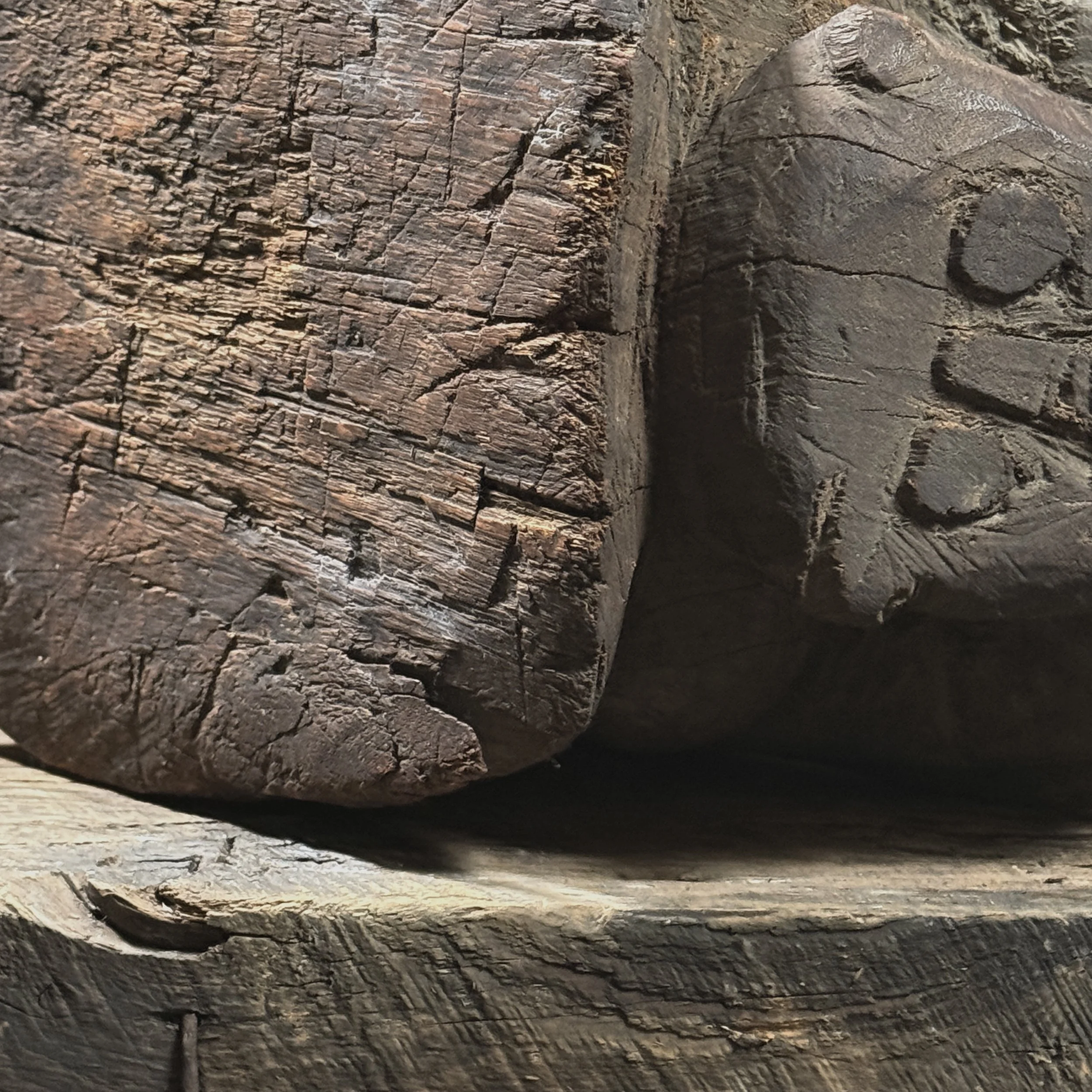
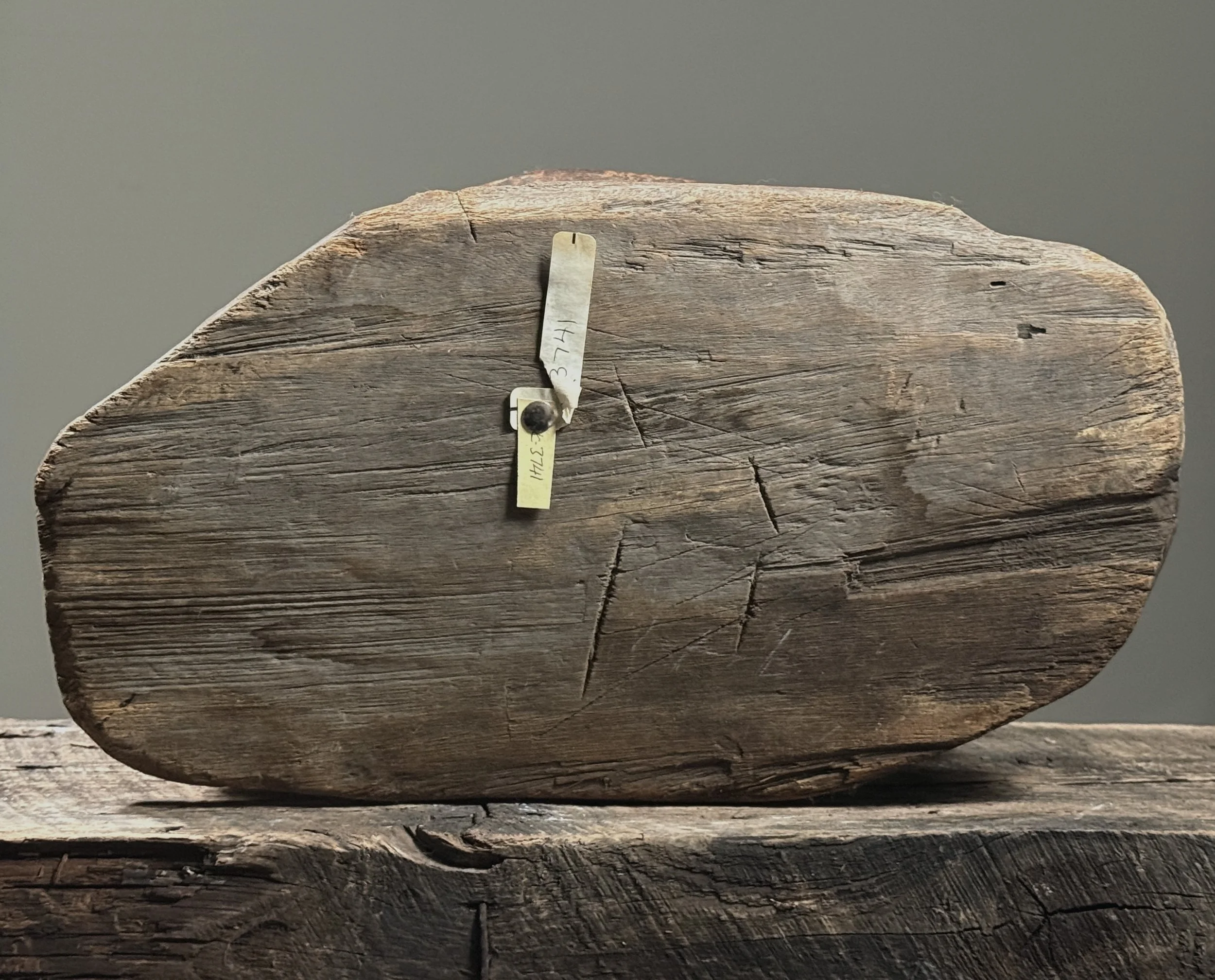
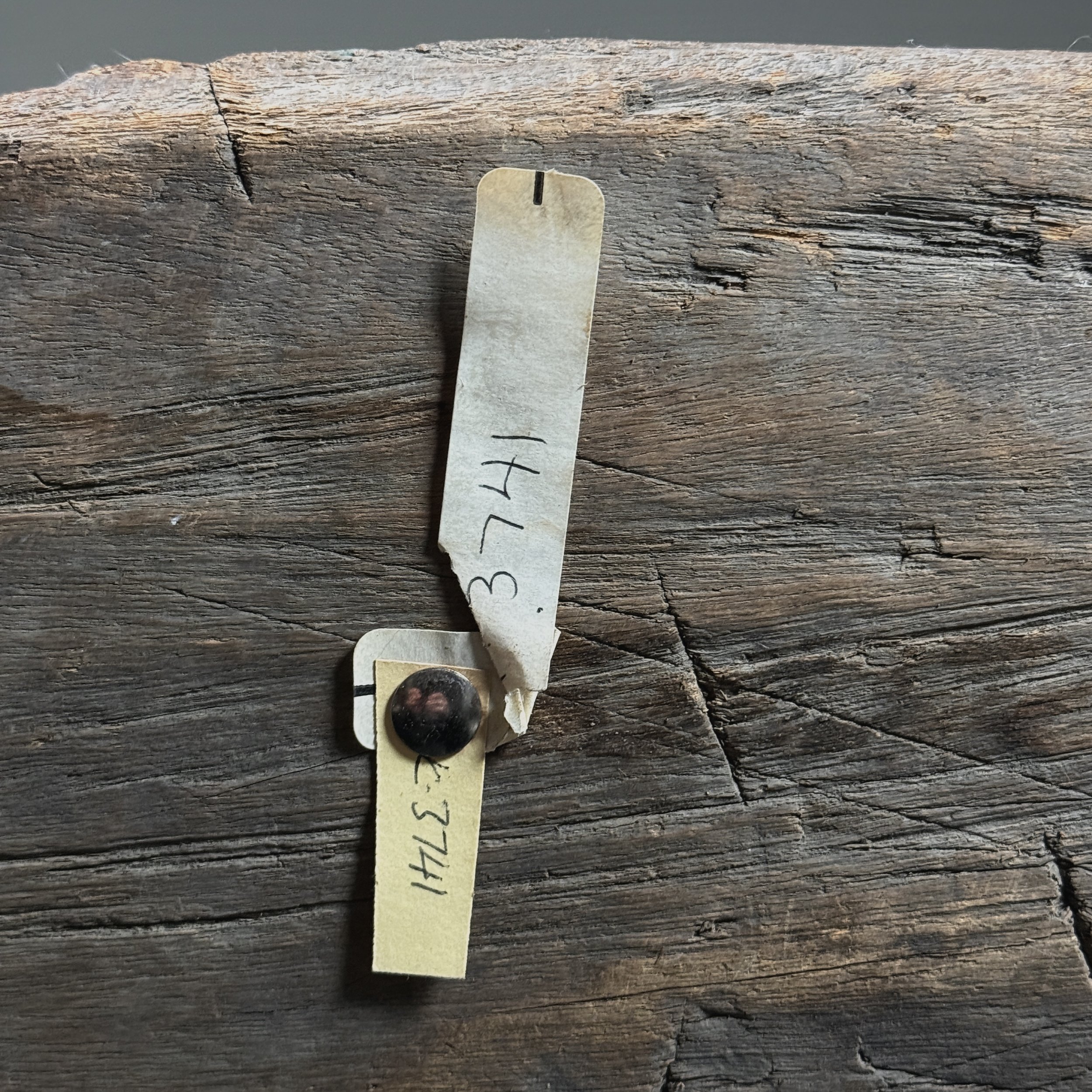
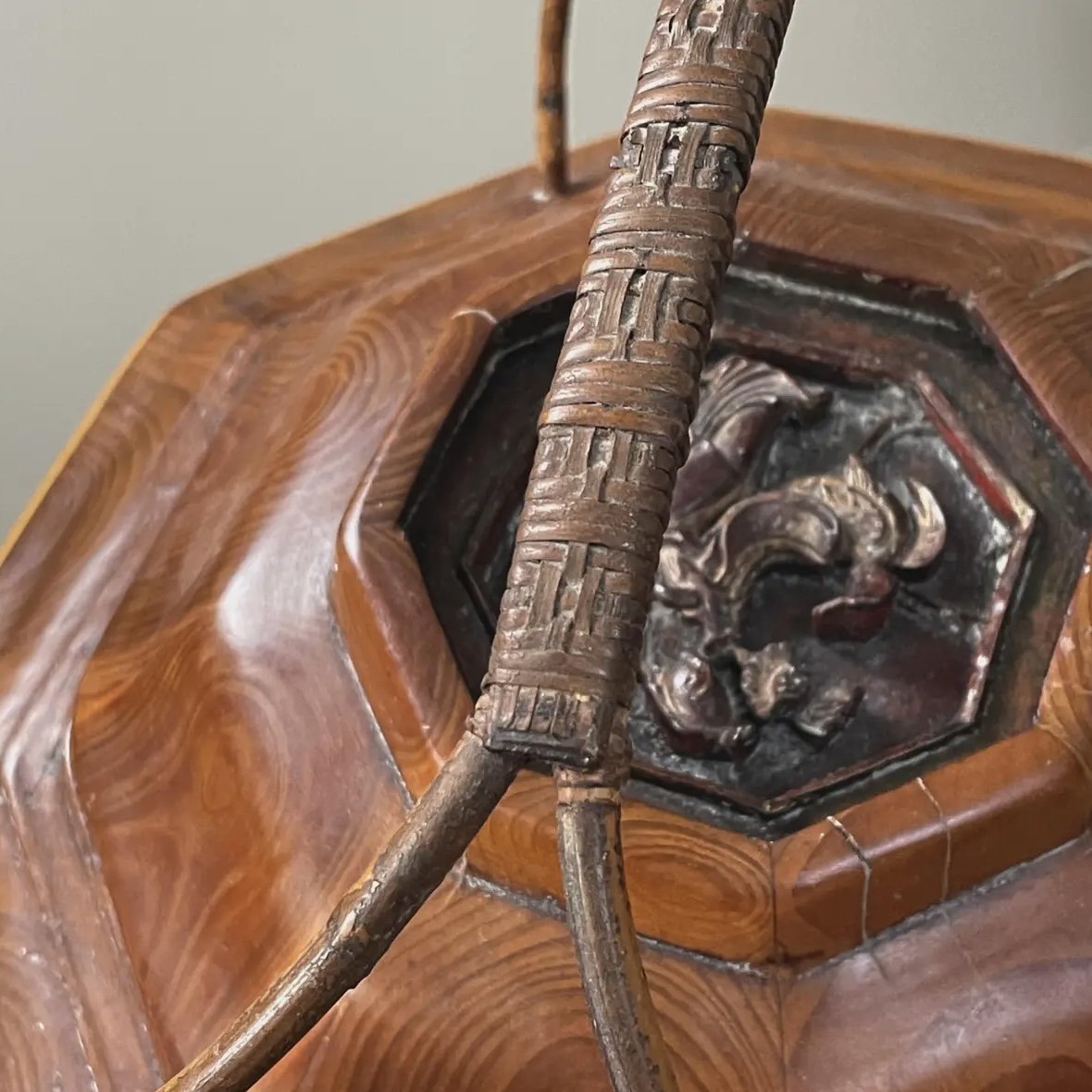
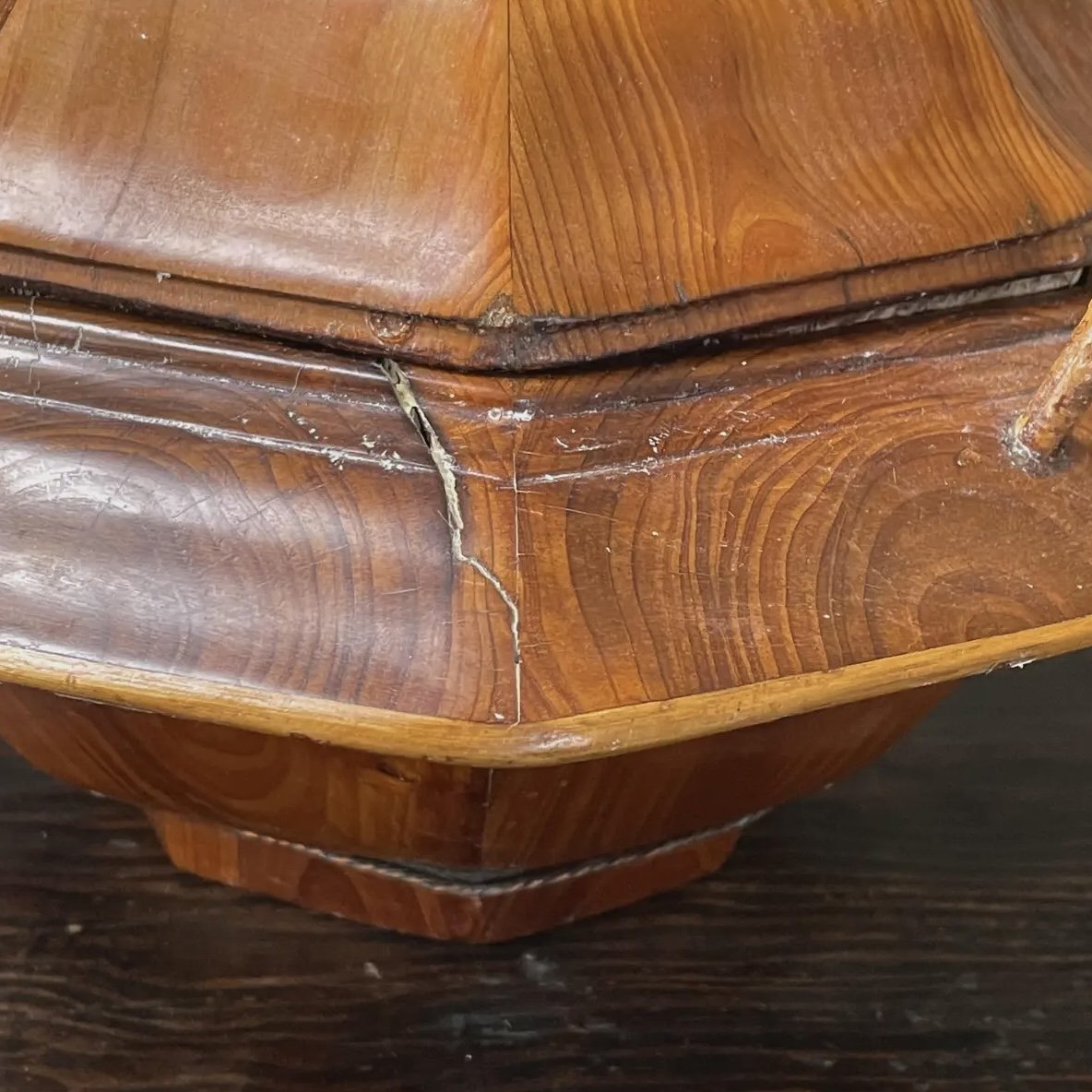
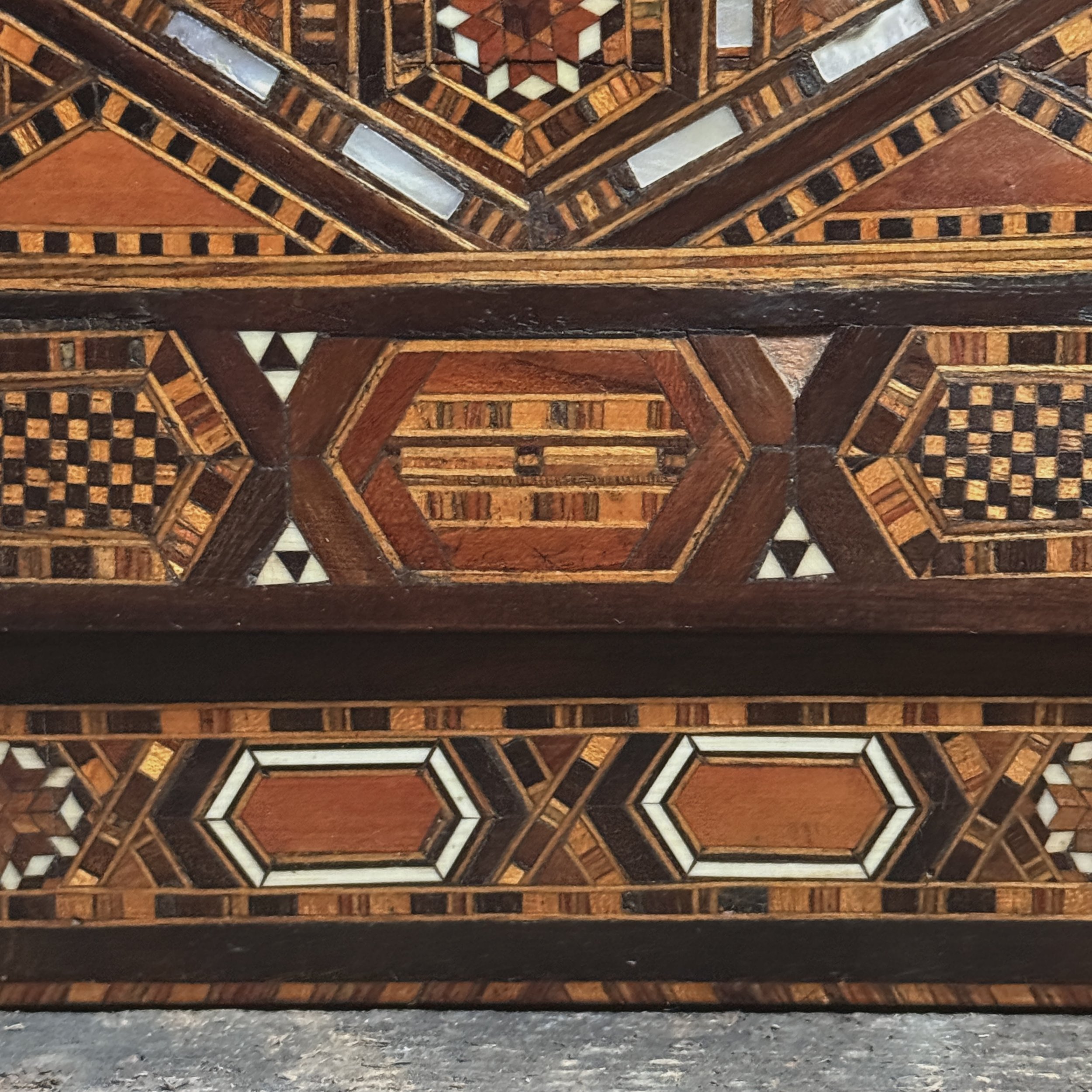
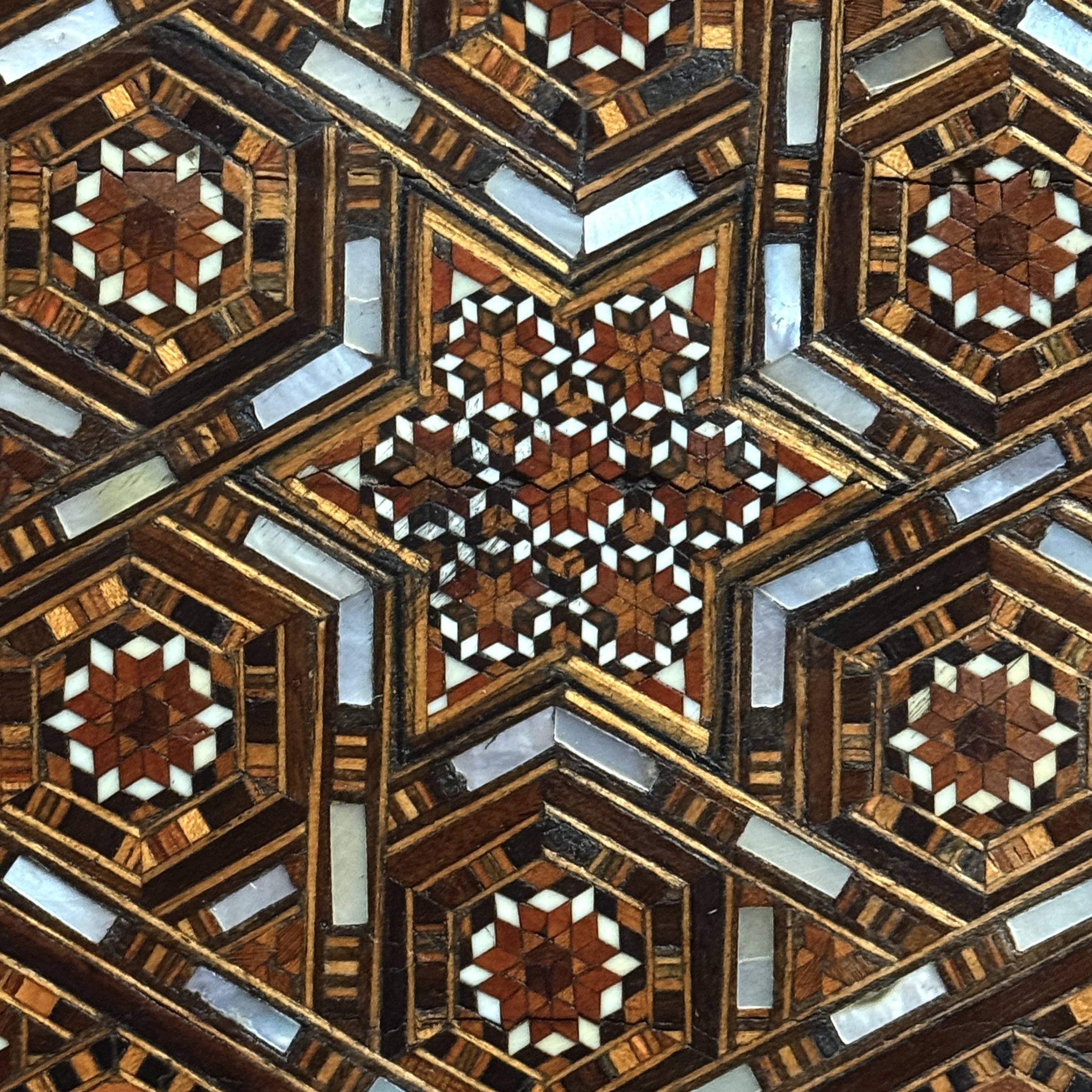
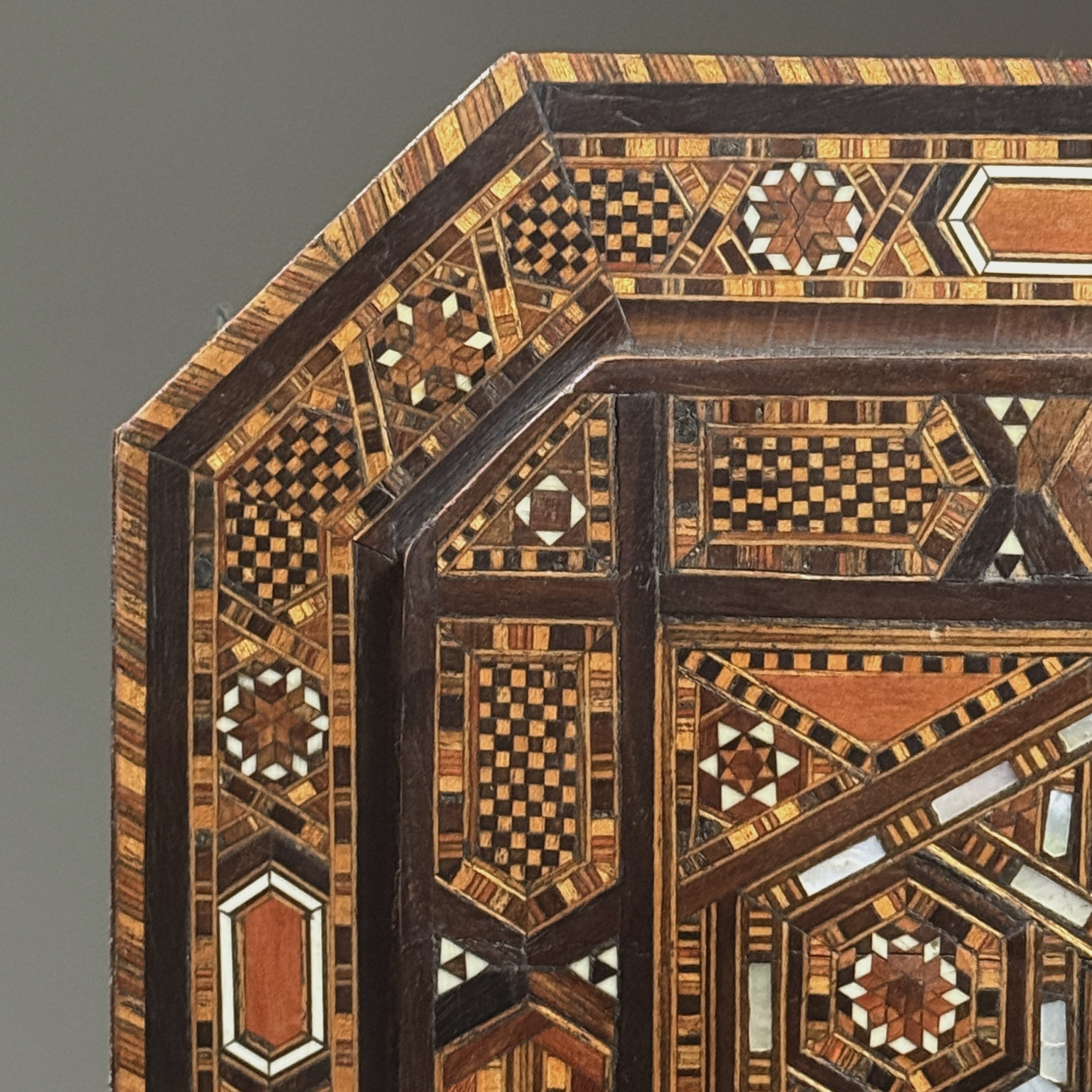
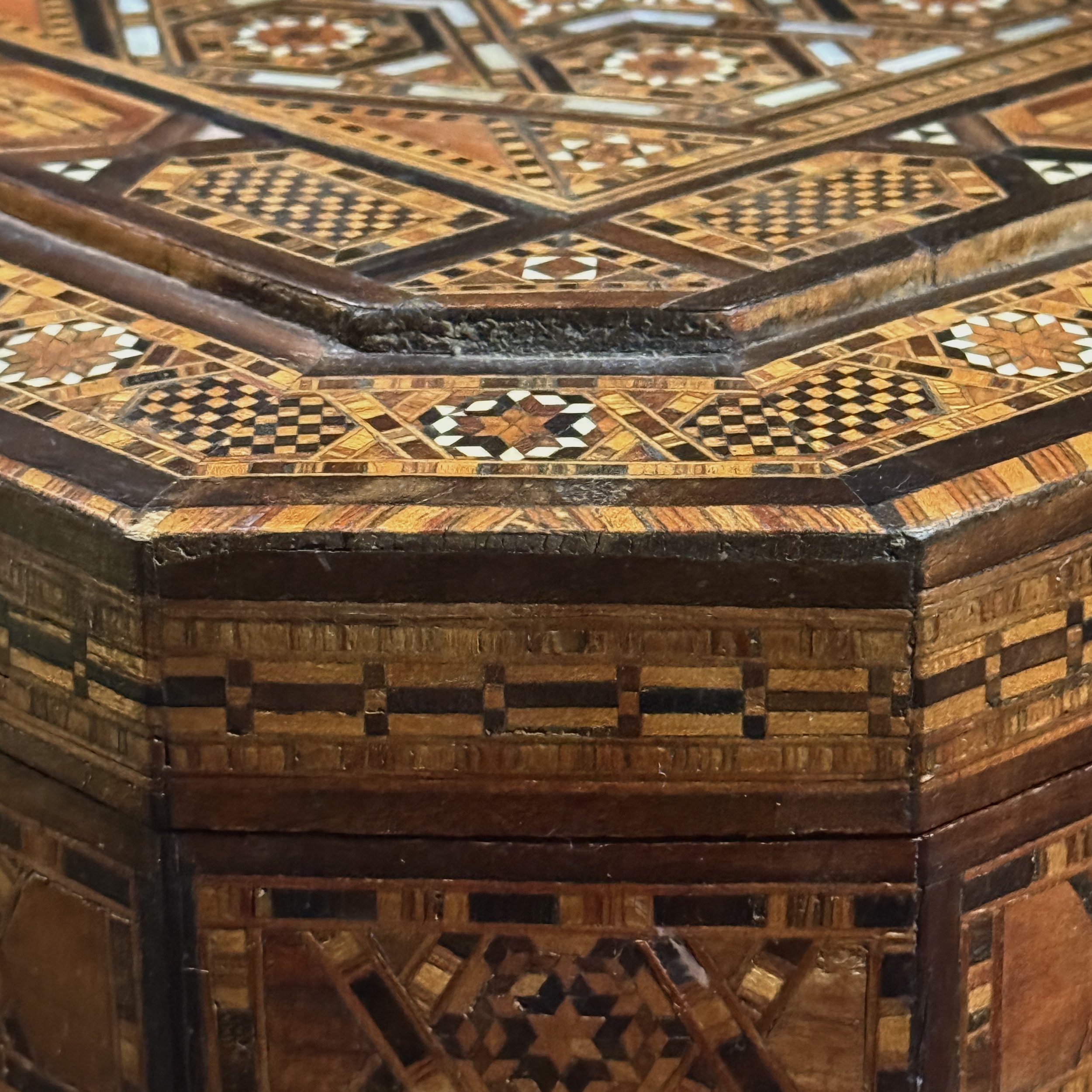
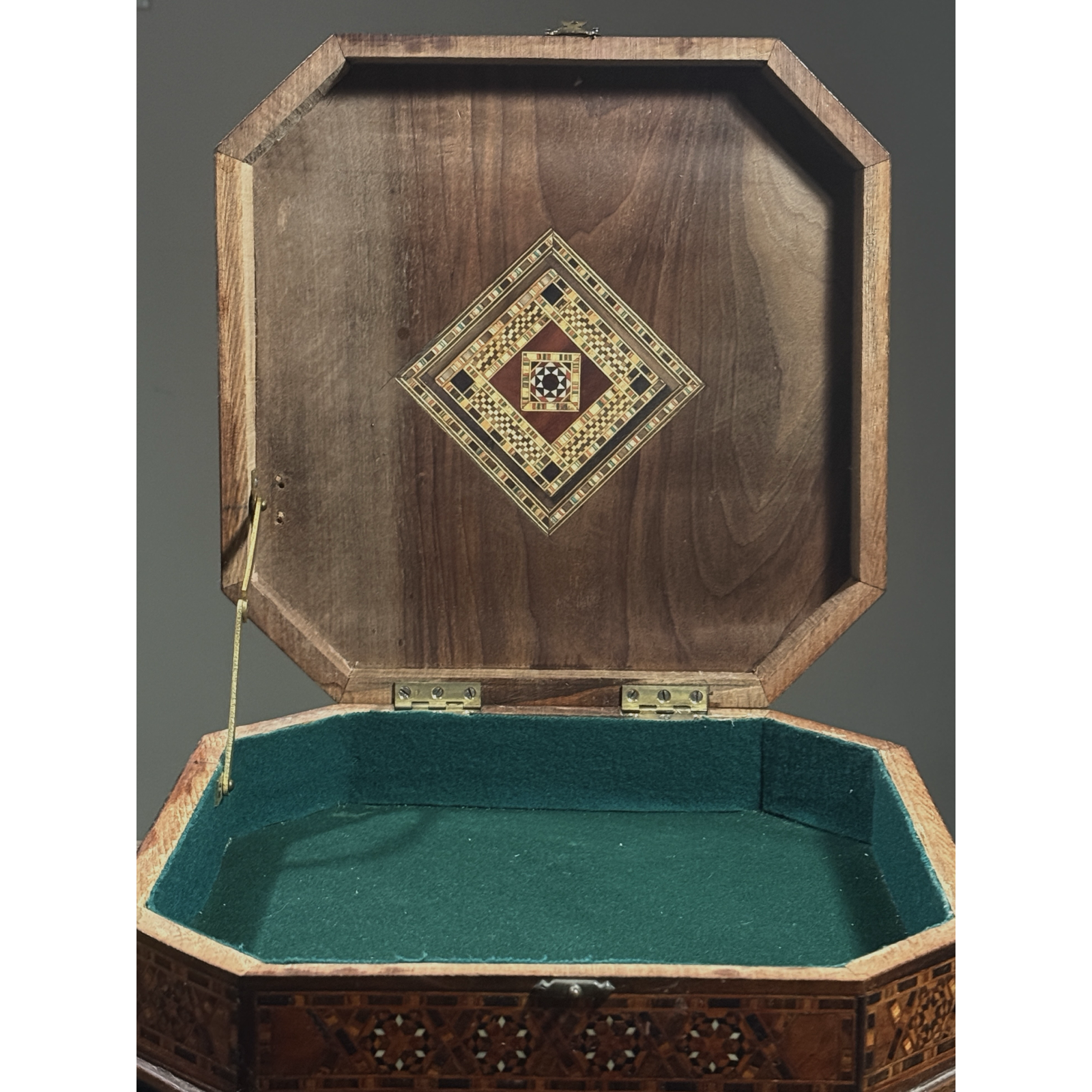
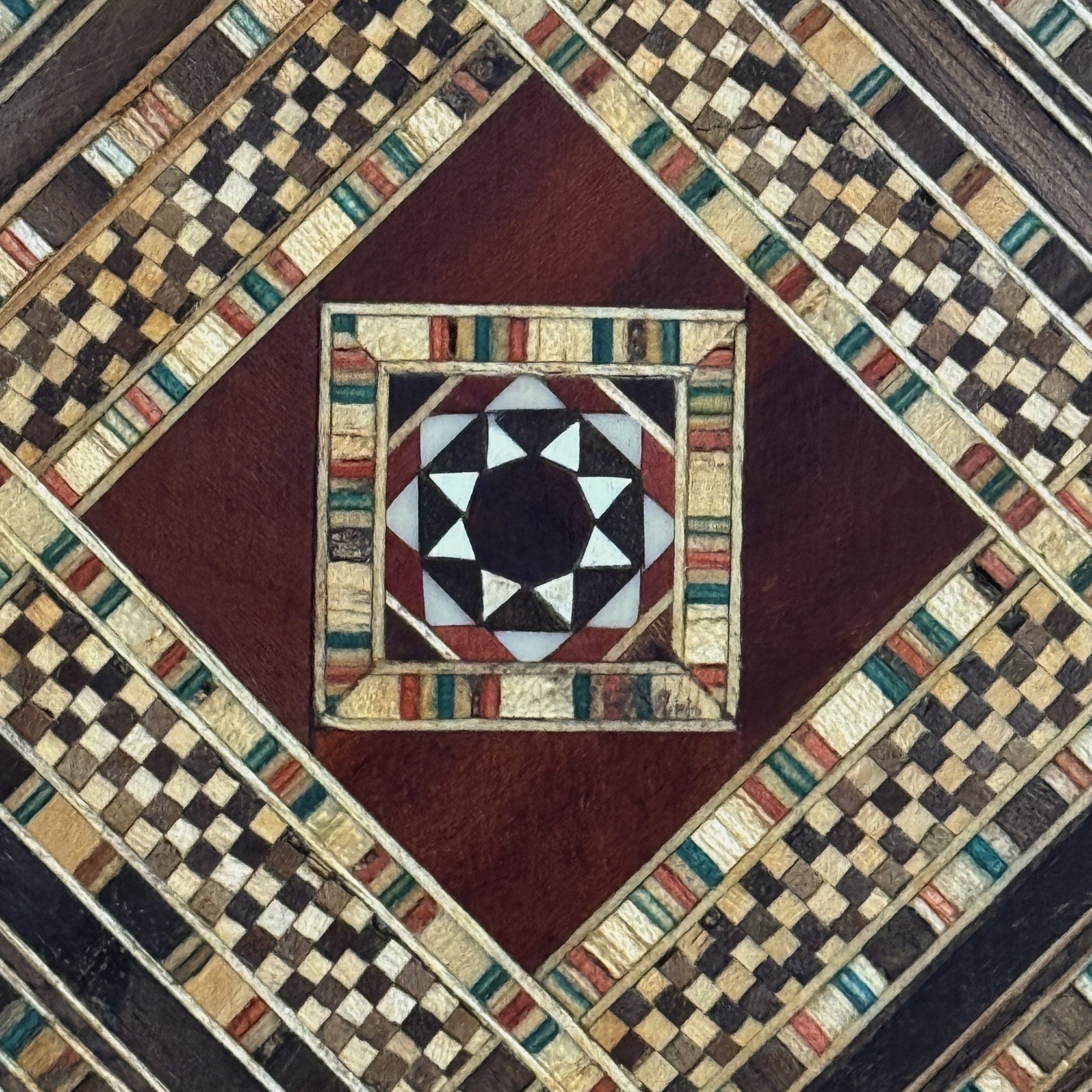
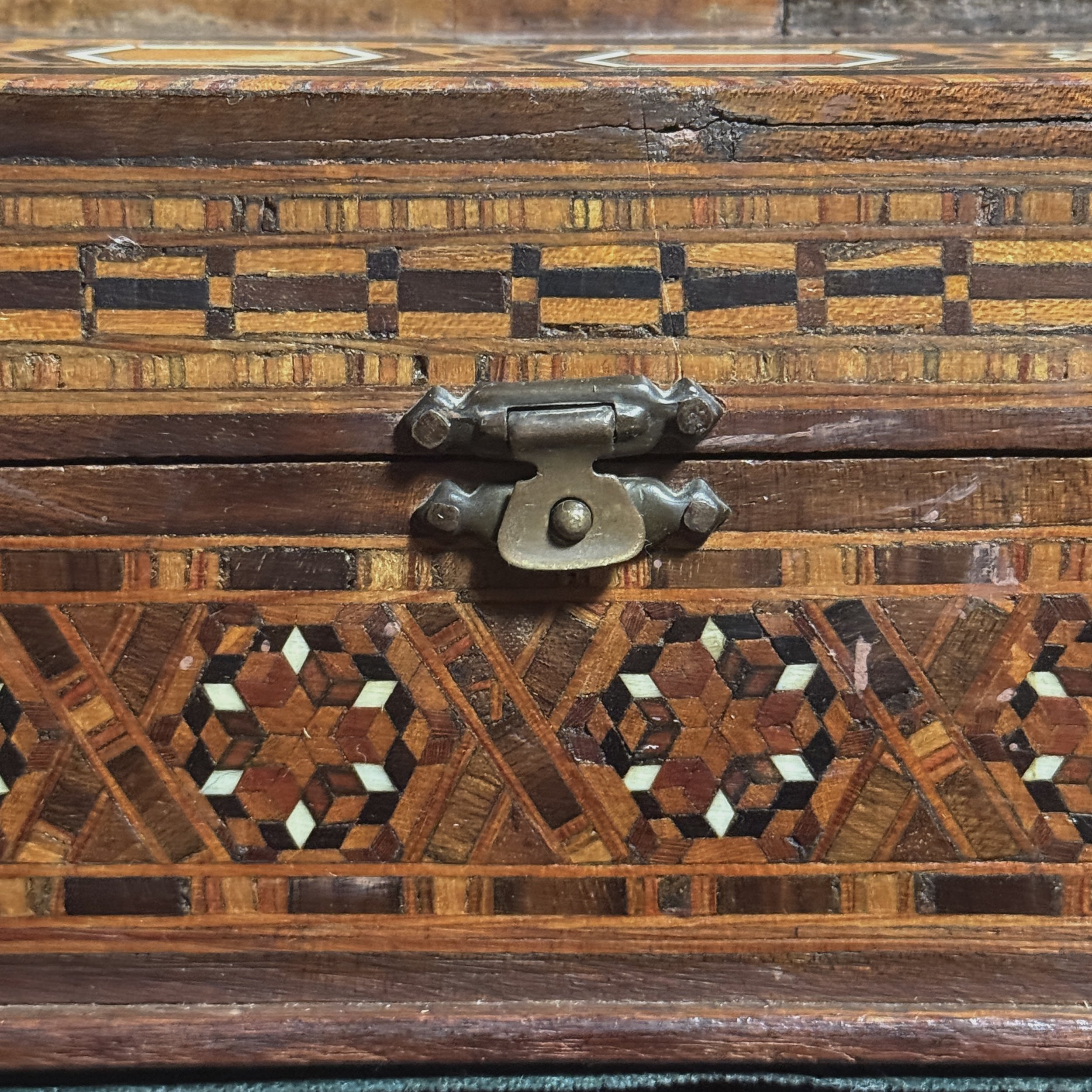
Condition: See photographs for detailed condition.
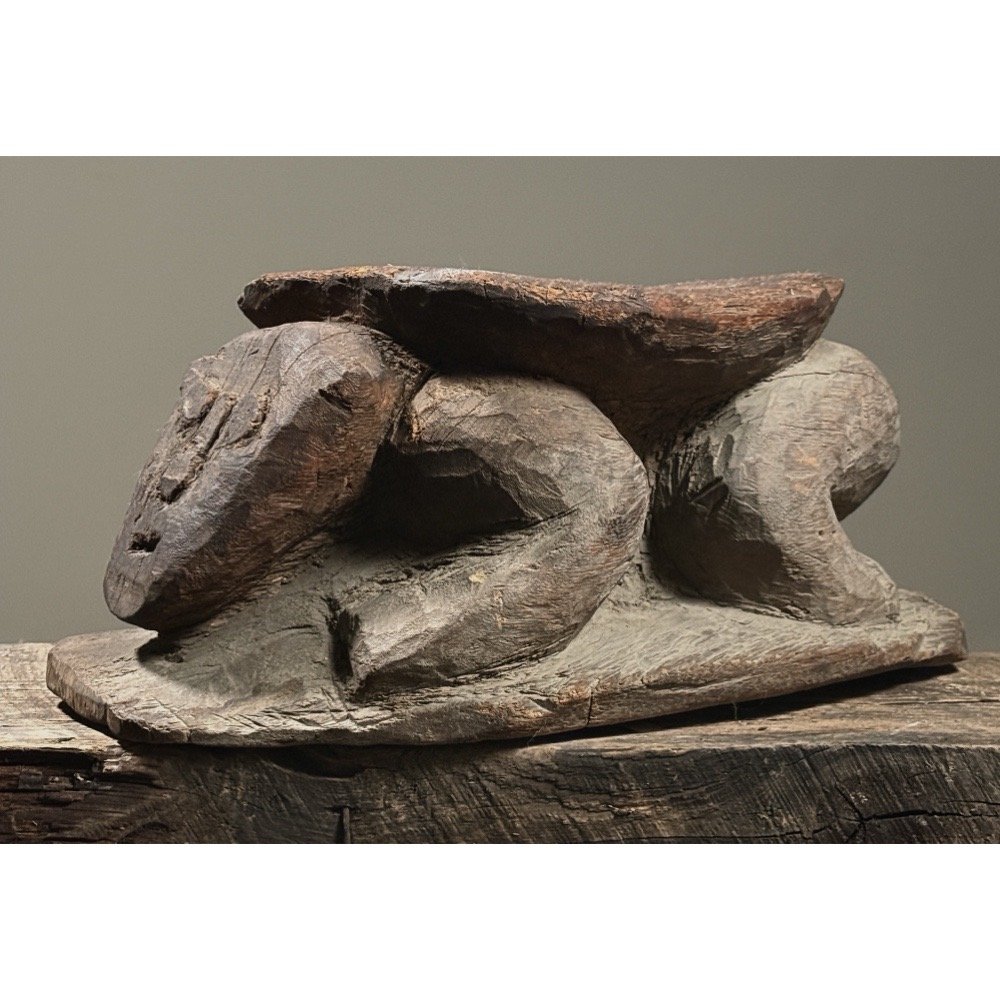
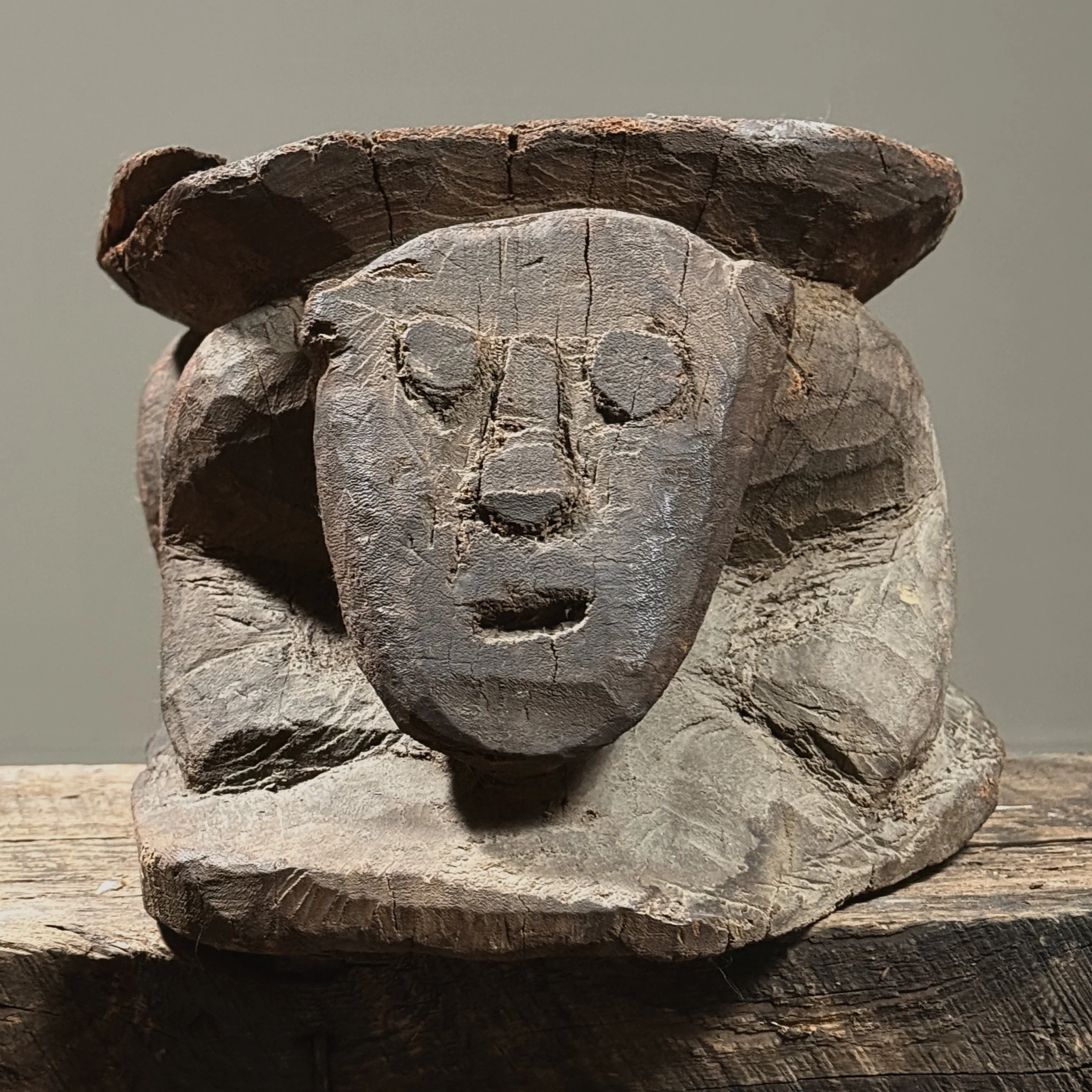
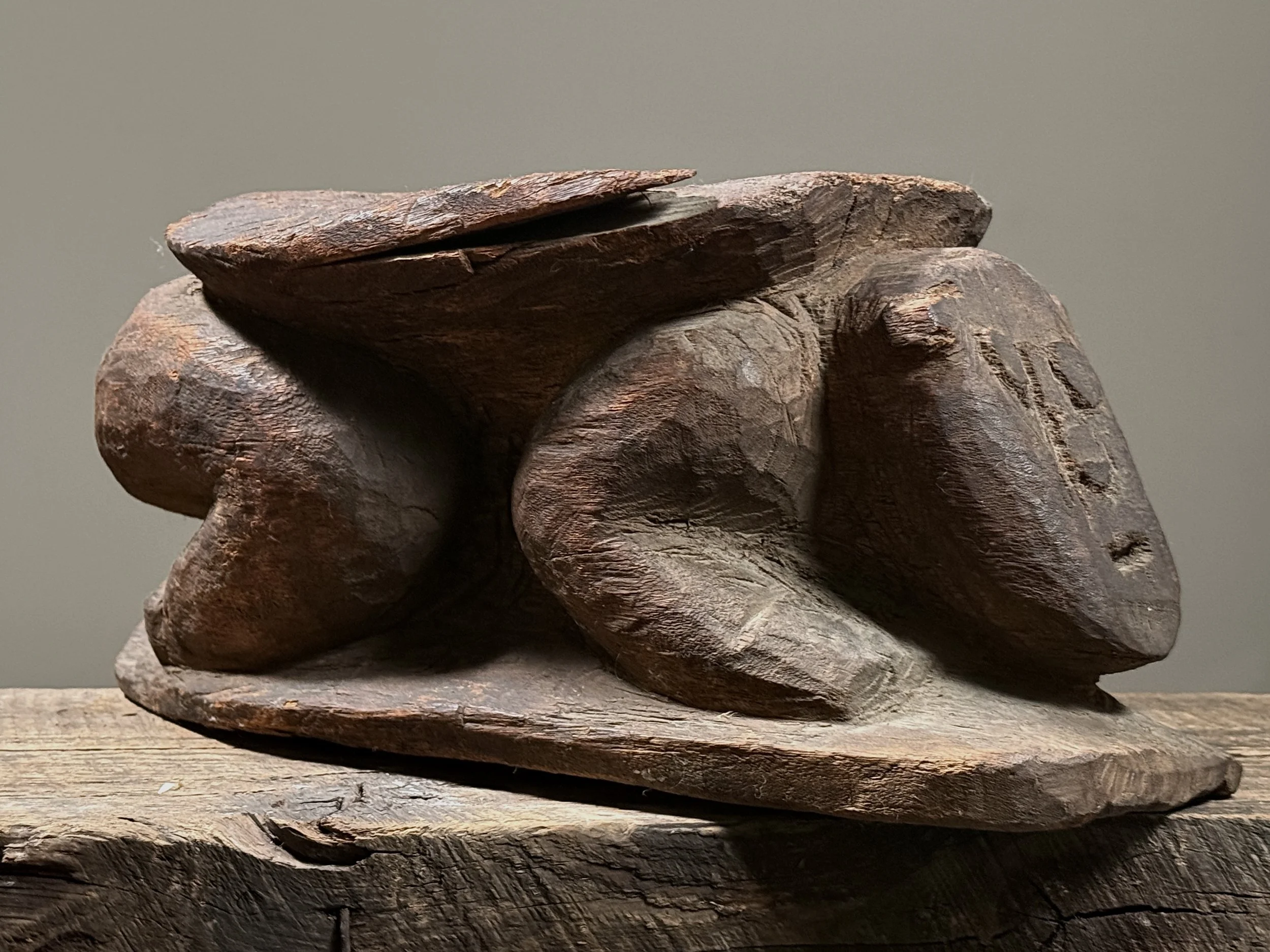
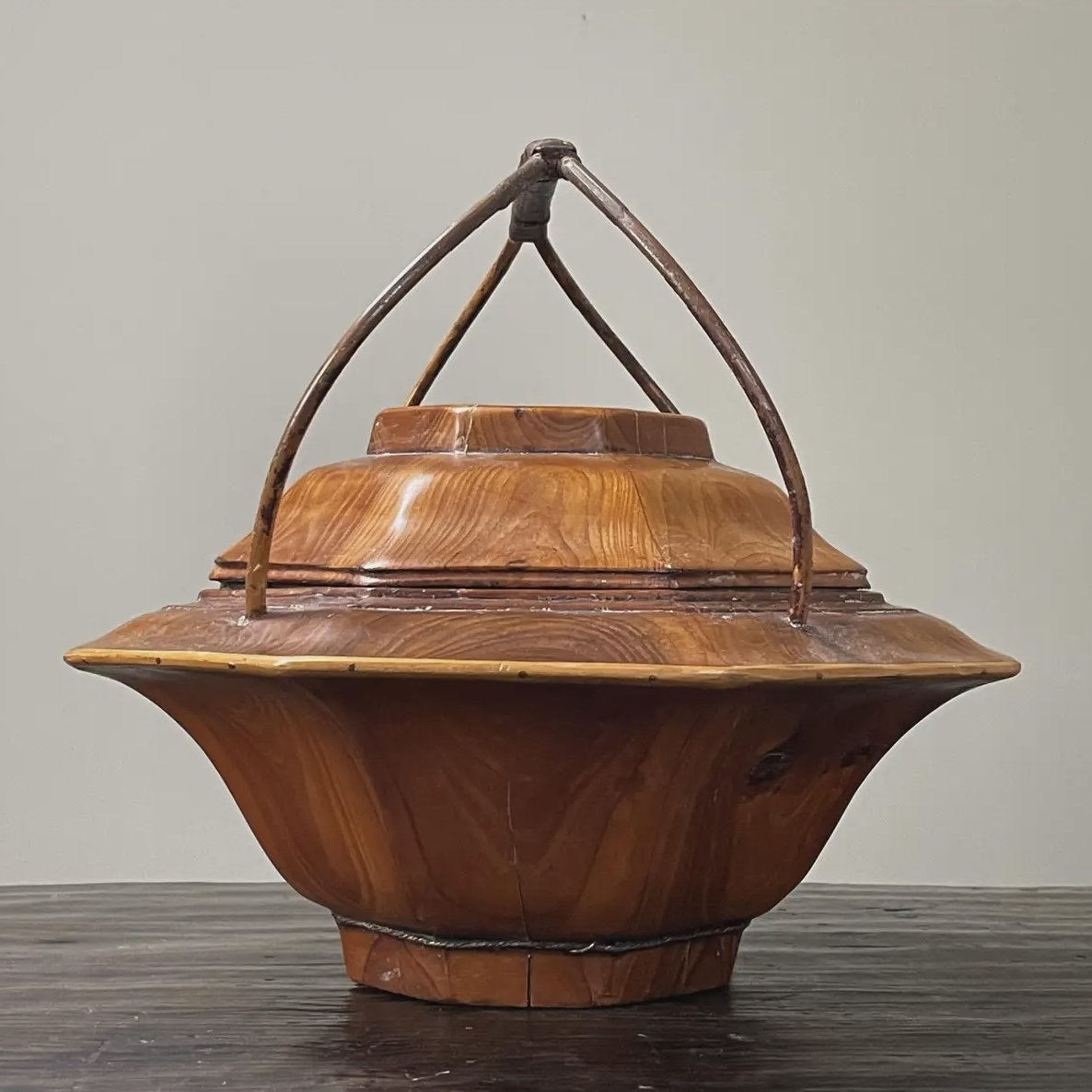
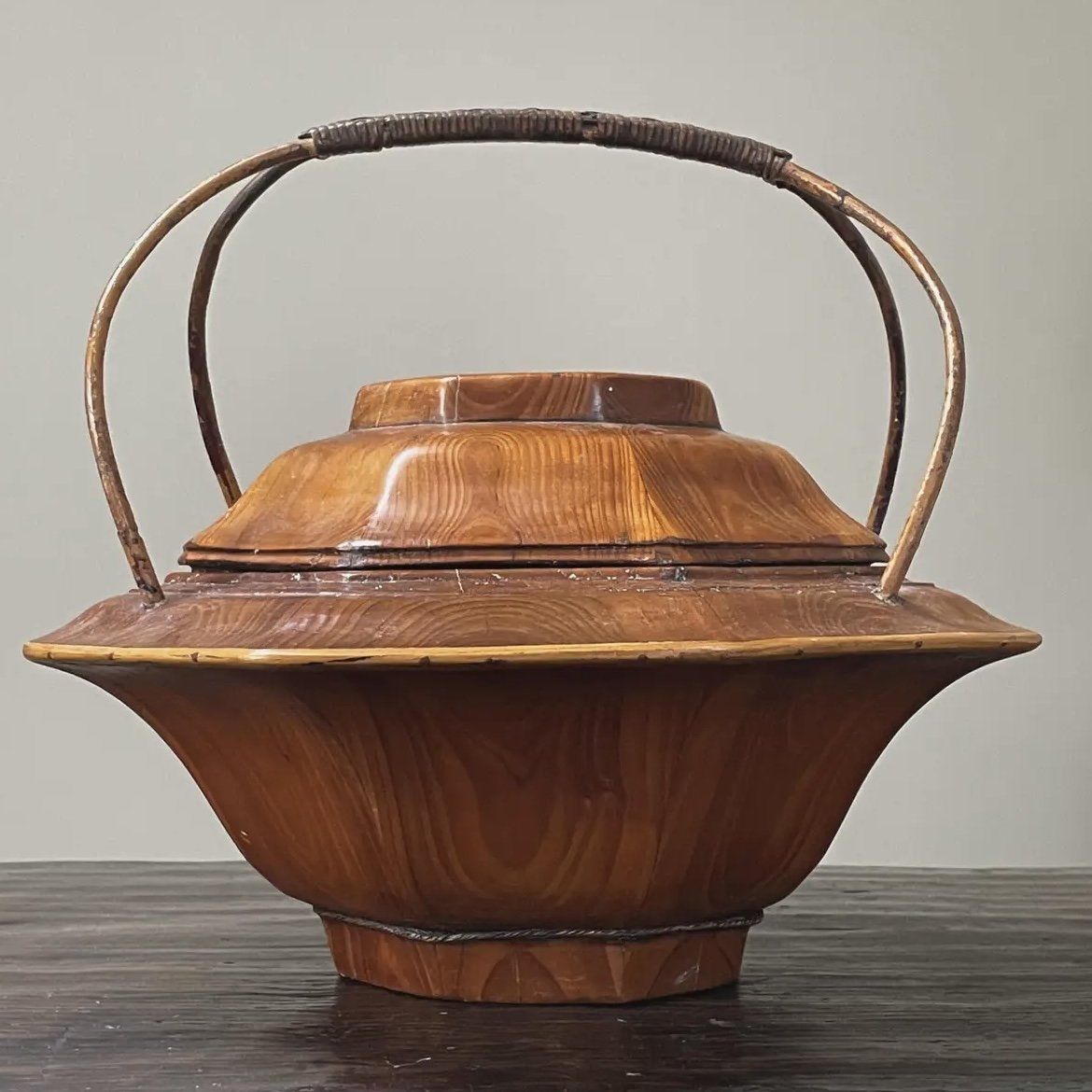
An antique ceremonial axe (dwo or related form) from the Bobo peoples of Burkina Faso. Constructed from wood and hand-forged iron, the axe exemplifies the sculptural traditions of Bobo ritual regalia. The object is mounted on a custom stand. Provenance: Thomas G. D. Wheelock Collection, New York. In used condition with wear consistent with age. Refer to photos for details.
Provenance: The Thomas G. D. Wheelock Collection
Thomas G. D. Wheelock was a dedicated collector of African art, with a particular focus on the artistic traditions of Burkina Faso. His mission extended beyond mere acquisition; he sought to both celebrate and preserve the rich cultural heritage of the region. Wheelock placed great value on the relationships he cultivated with local artists and communities, often traveling to Africa to engage directly with them. His efforts resulted in a profound connection to the cultural practices and artistic expressions of the region.
Wheelock's collection, amassed over more than thirty years, grew to include over 1,700 pieces, making it one of the most extensive and significant collections of its kind. Four of these works are now part of the permanent collection at the Metropolitan Museum of Art in New York City, while other pieces have been loaned to prestigious institutions, including the High Museum in Atlanta.
The importance of Wheelock's collection was further cemented with the publication of the rare and influential book, Land of the Flying Masks: Art and Culture in Burkina Faso; The Thomas G. B. Wheelock Collection . This publication highlights hundreds of exceptional works from the Nuna, Bwa, Bobo, and Mossi peoples, as well as notable pieces from the Lobi, Gurunsi, Winiama, and Lela communities.
Title: Ceremonial Axe
Culture: Bobo
Date: Antique, 20th century
Medium: Wood, iron
Technique: Hand-carved, hand-forged
Dimensions: Height: 69.9 cm (27.5 in), Width: 20.3 cm (8 in), Depth: 14.7 cm (5.8 in)
Provenance: Thomas G. D. Wheelock Collection, New York
Condition: See photographs for detailed condition.
An antique ceremonial axe (dwo or related form) from the Bobo peoples of Burkina Faso. Constructed from wood and hand-forged iron, the axe exemplifies the sculptural traditions of Bobo ritual regalia. The object is mounted on a custom stand. Provenance: Thomas G. D. Wheelock Collection, New York. In used condition with wear consistent with age. Refer to photos for details.
Provenance: The Thomas G. D. Wheelock Collection
Thomas G. D. Wheelock was a dedicated collector of African art, with a particular focus on the artistic traditions of Burkina Faso. His mission extended beyond mere acquisition; he sought to both celebrate and preserve the rich cultural heritage of the region. Wheelock placed great value on the relationships he cultivated with local artists and communities, often traveling to Africa to engage directly with them. His efforts resulted in a profound connection to the cultural practices and artistic expressions of the region.
Wheelock's collection, amassed over more than thirty years, grew to include over 1,700 pieces, making it one of the most extensive and significant collections of its kind. Four of these works are now part of the permanent collection at the Metropolitan Museum of Art in New York City, while other pieces have been loaned to prestigious institutions, including the High Museum in Atlanta.
The importance of Wheelock's collection was further cemented with the publication of the rare and influential book, Land of the Flying Masks: Art and Culture in Burkina Faso; The Thomas G. B. Wheelock Collection . This publication highlights hundreds of exceptional works from the Nuna, Bwa, Bobo, and Mossi peoples, as well as notable pieces from the Lobi, Gurunsi, Winiama, and Lela communities.

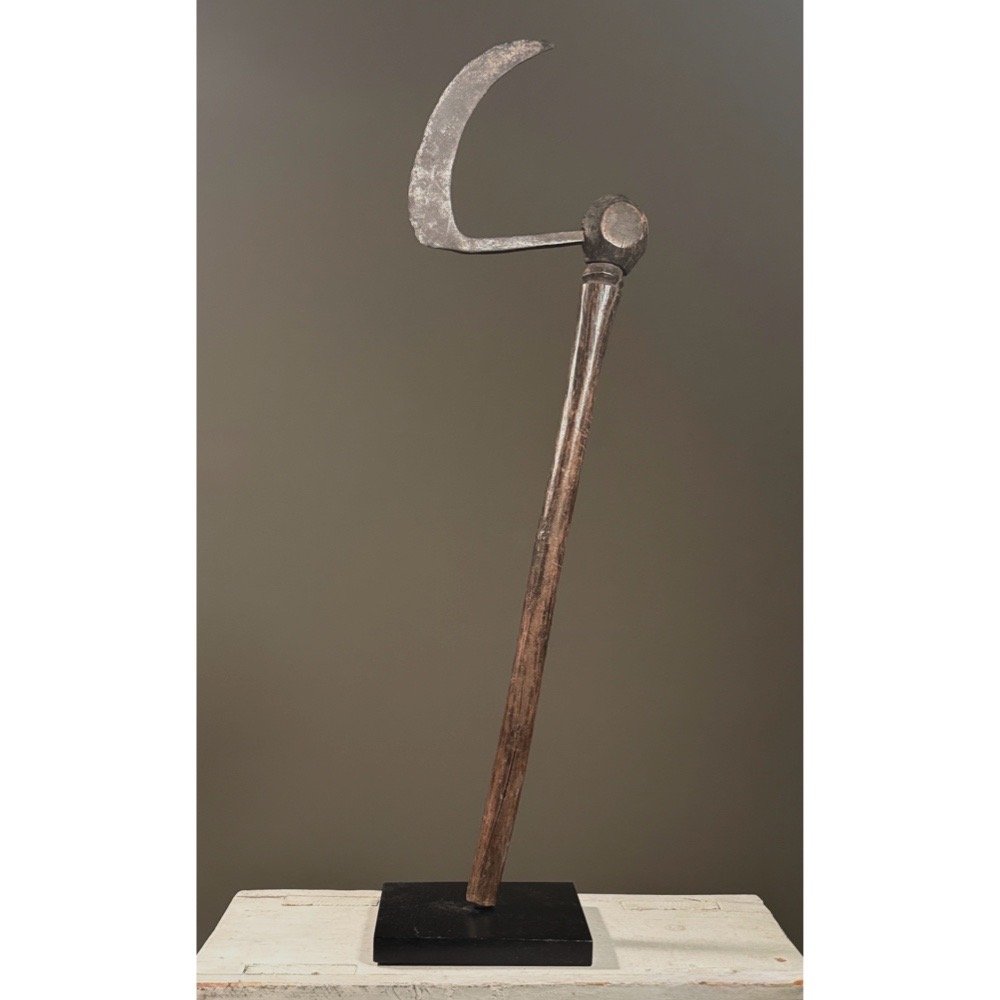 Image 1 of 6
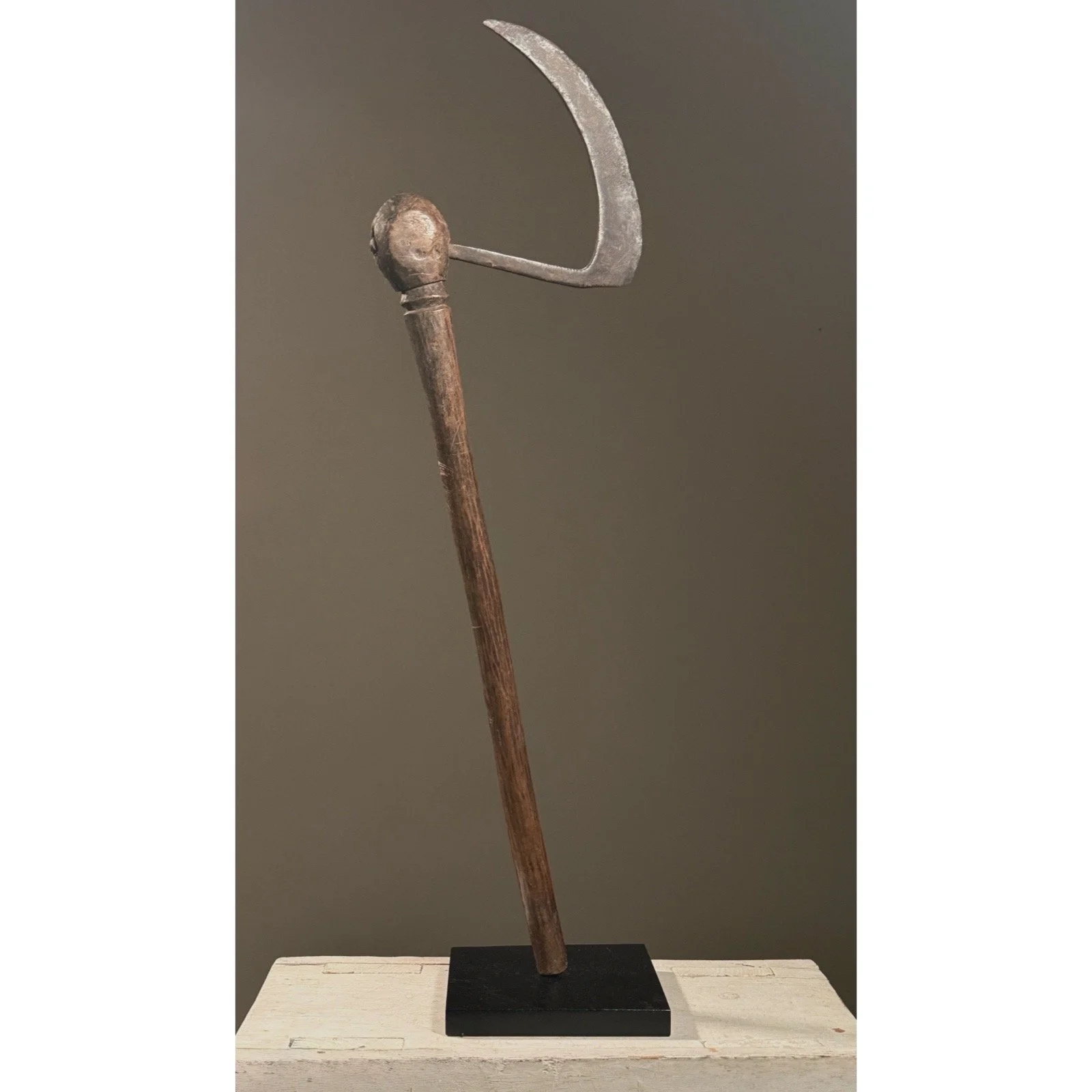 Image 2 of 6
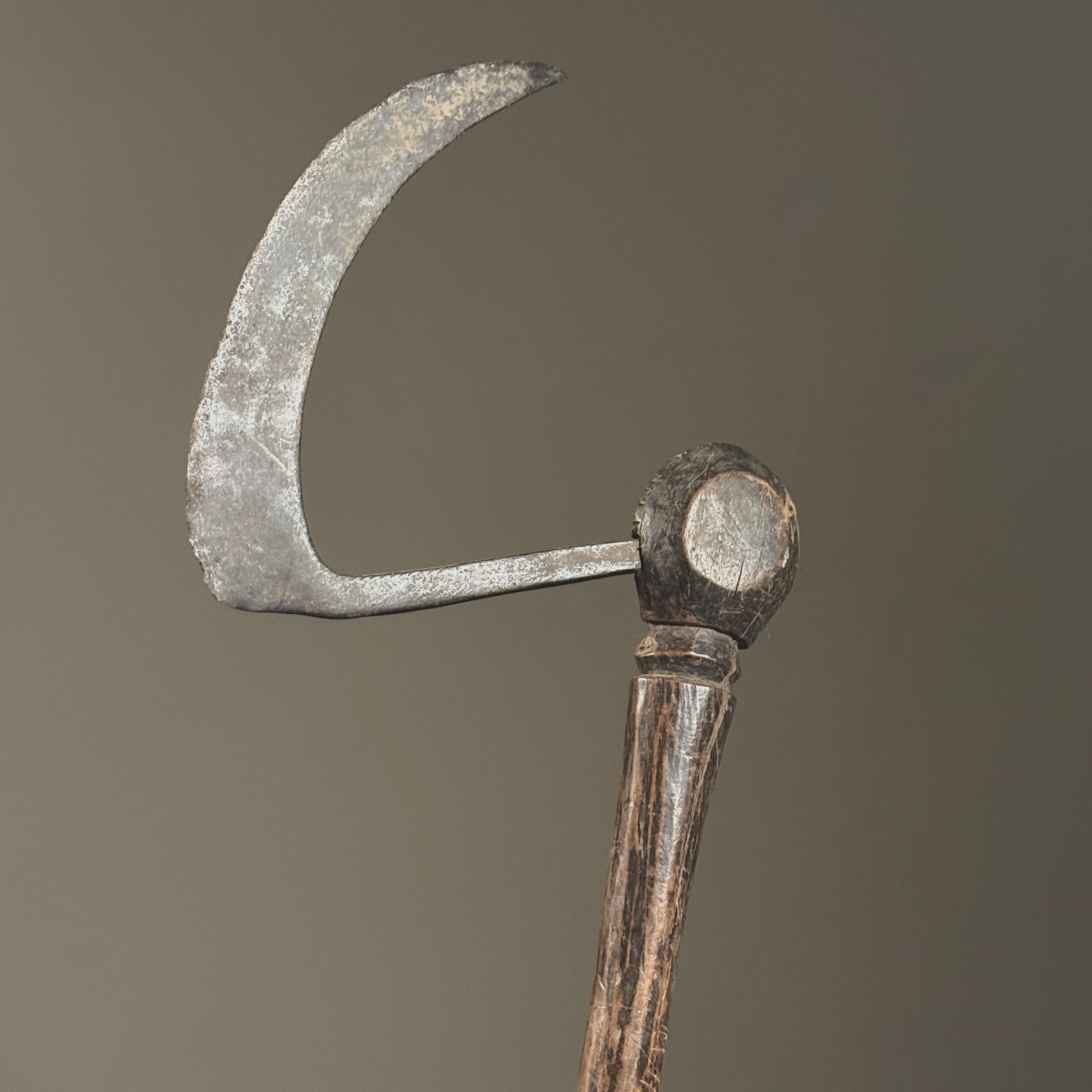 Image 3 of 6
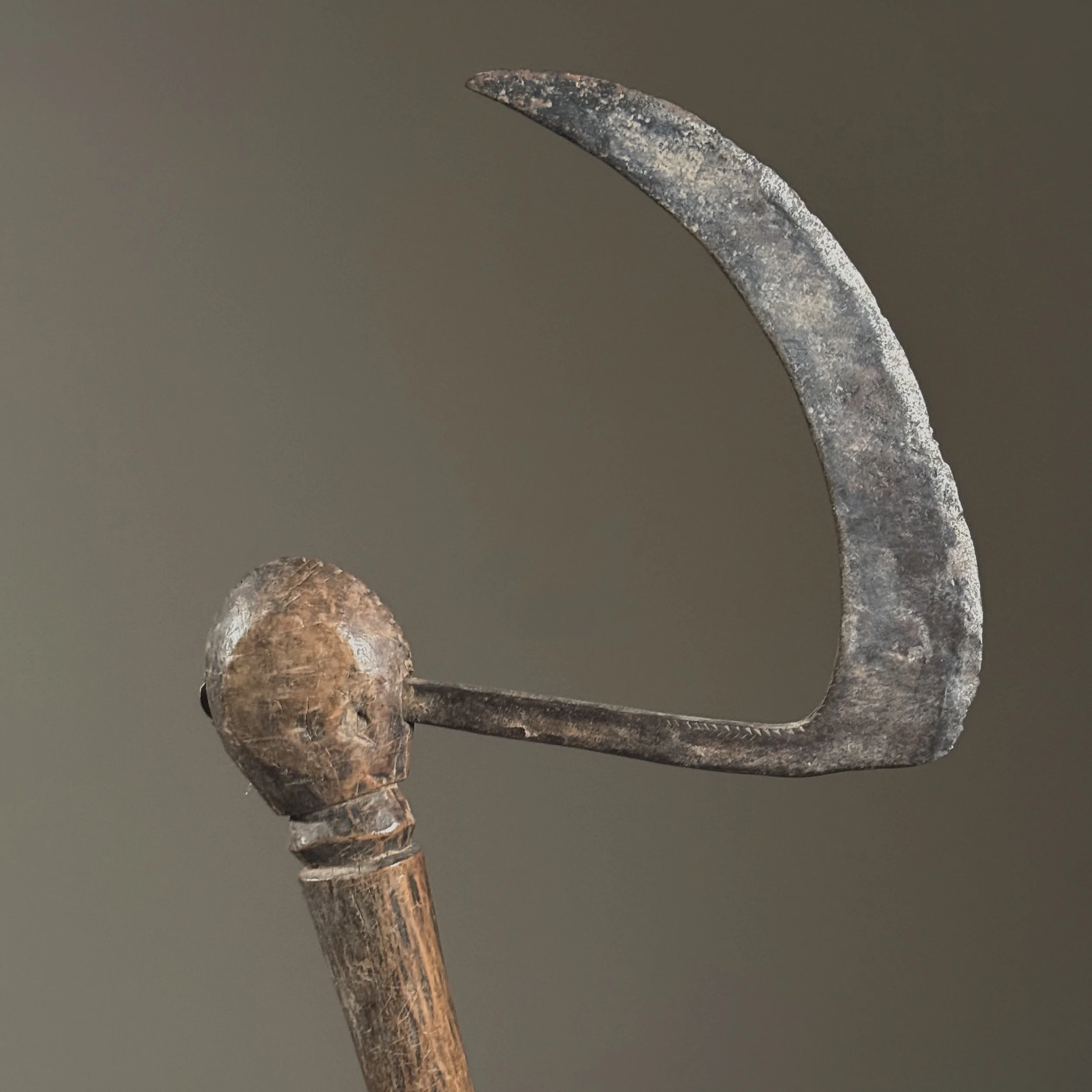 Image 4 of 6
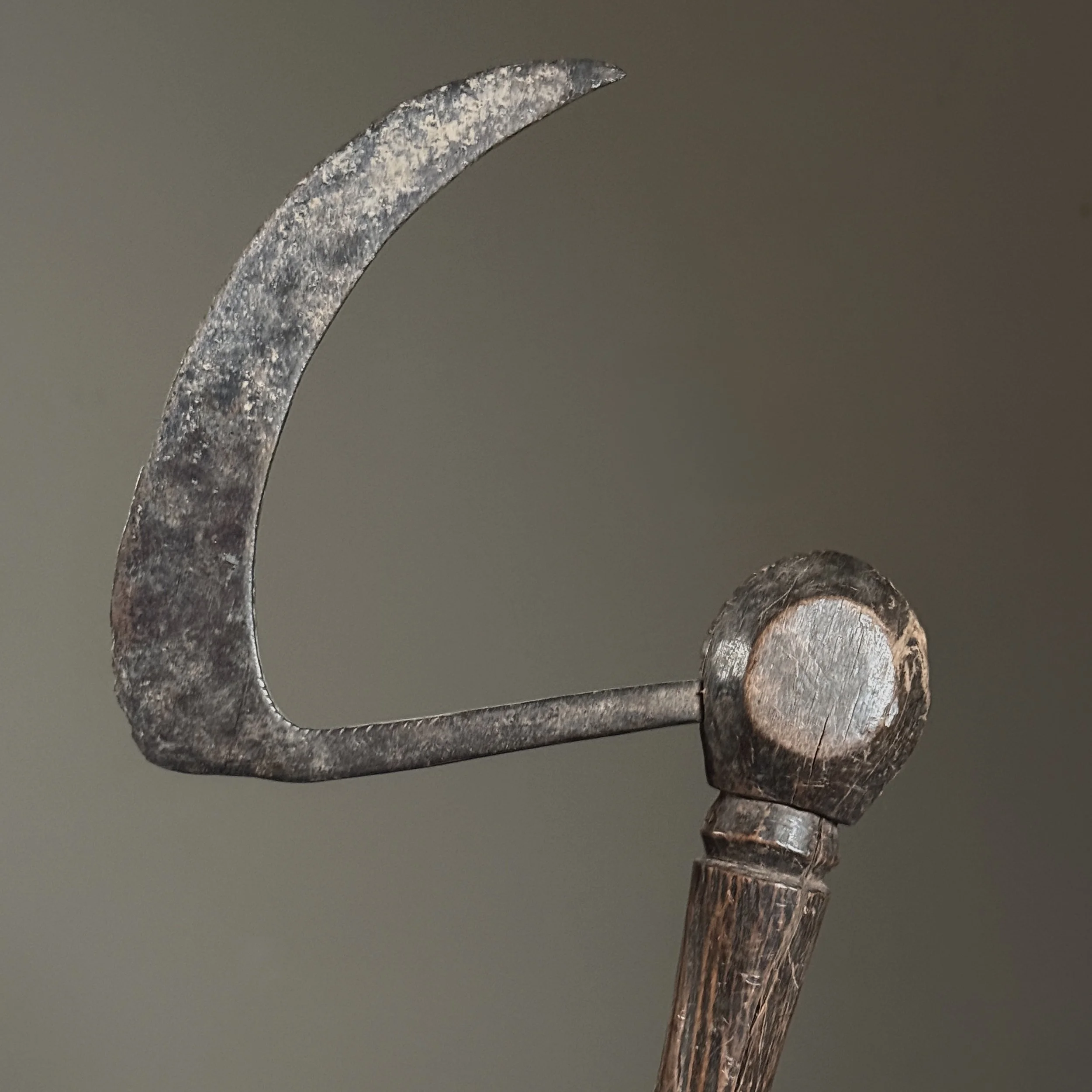 Image 5 of 6
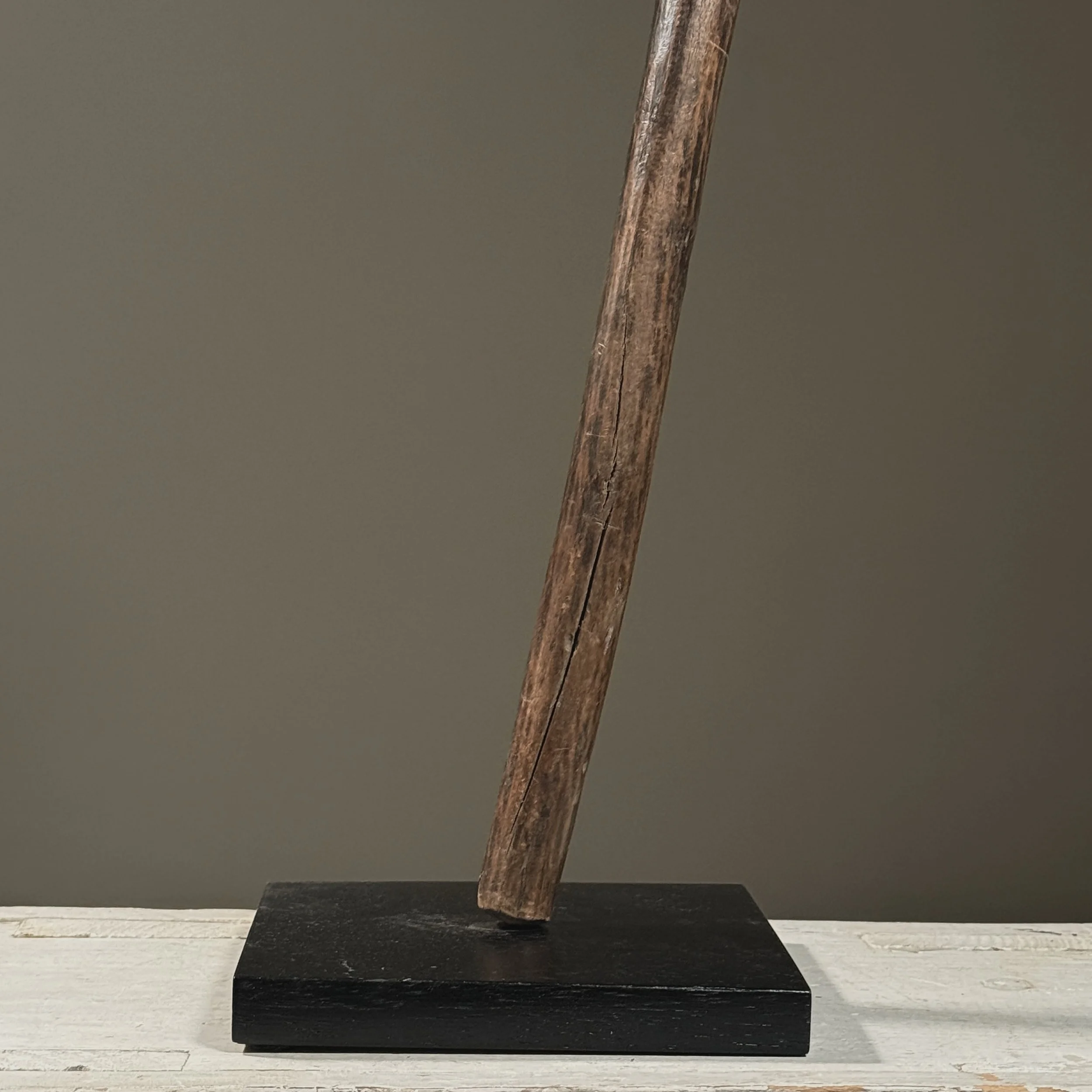 Image 6 of 6