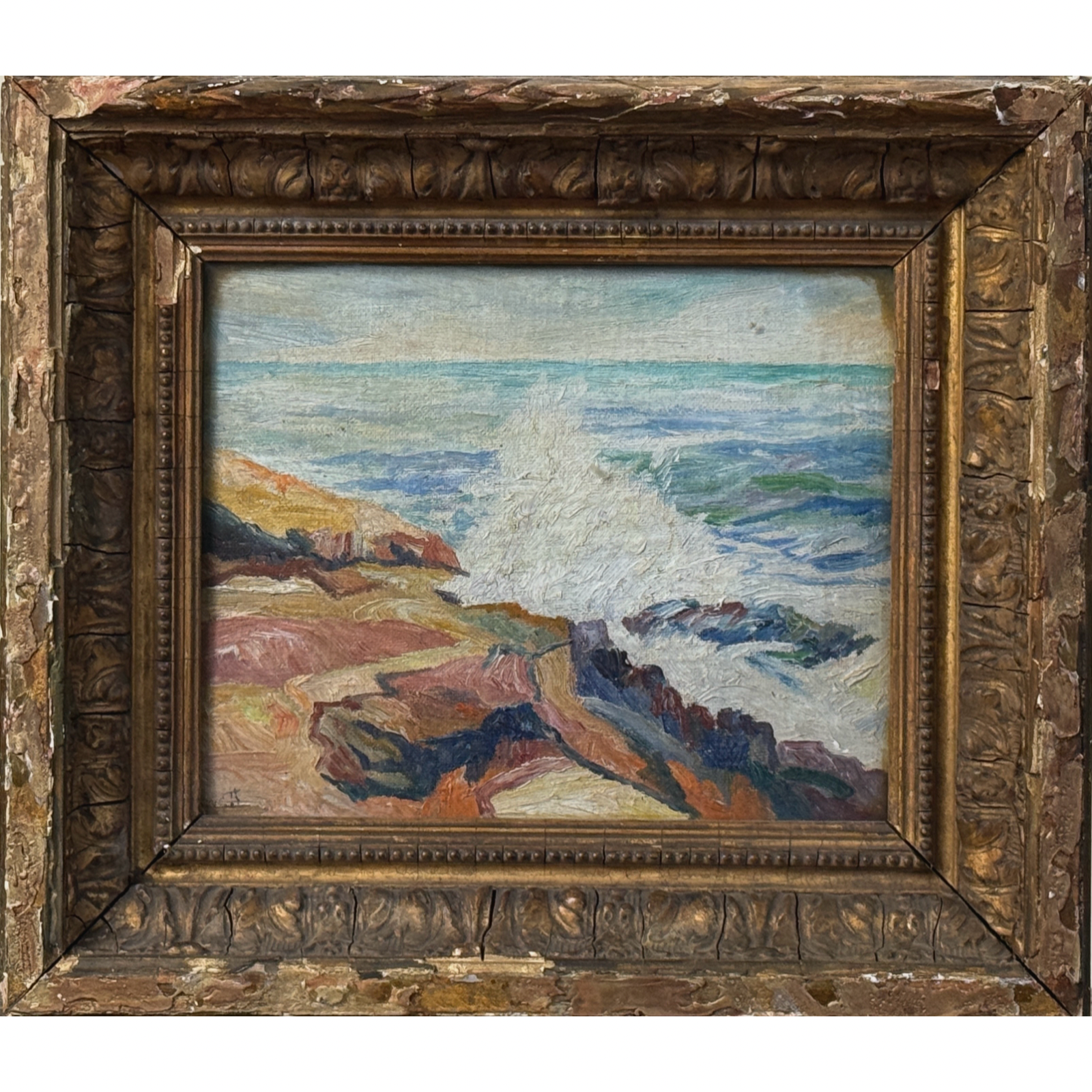
Silk and wool embroidered tapestry with watercolor details
Georgian era, late 18th century
Title:The Parting of Hector and Andromache(embroidered lower edge; French inscription present)
Subject: Scene from Homer's Iliad, Book VI
Dimensions: 25.9" W x 22" H (sight)
Frame: Traditional gilded frame
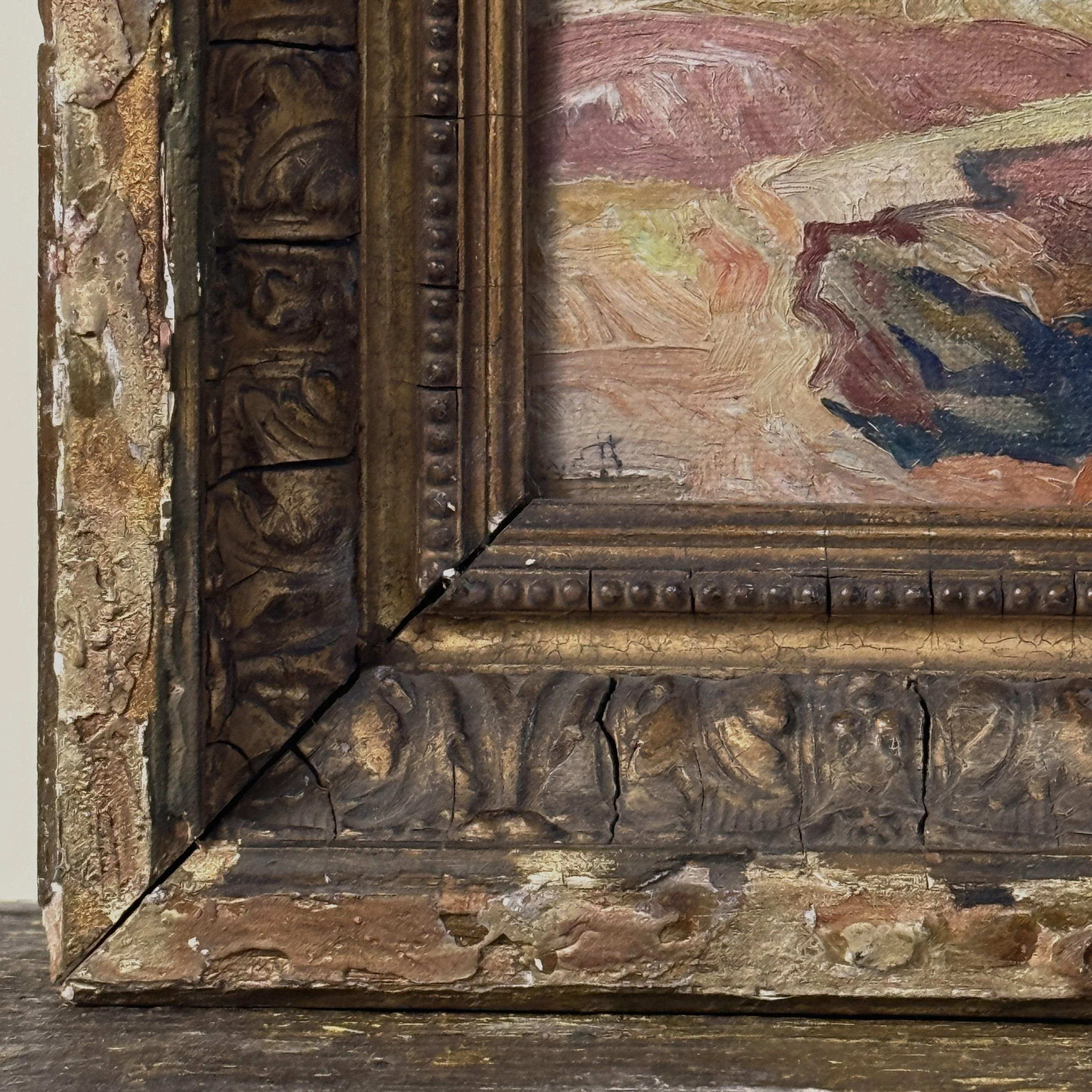
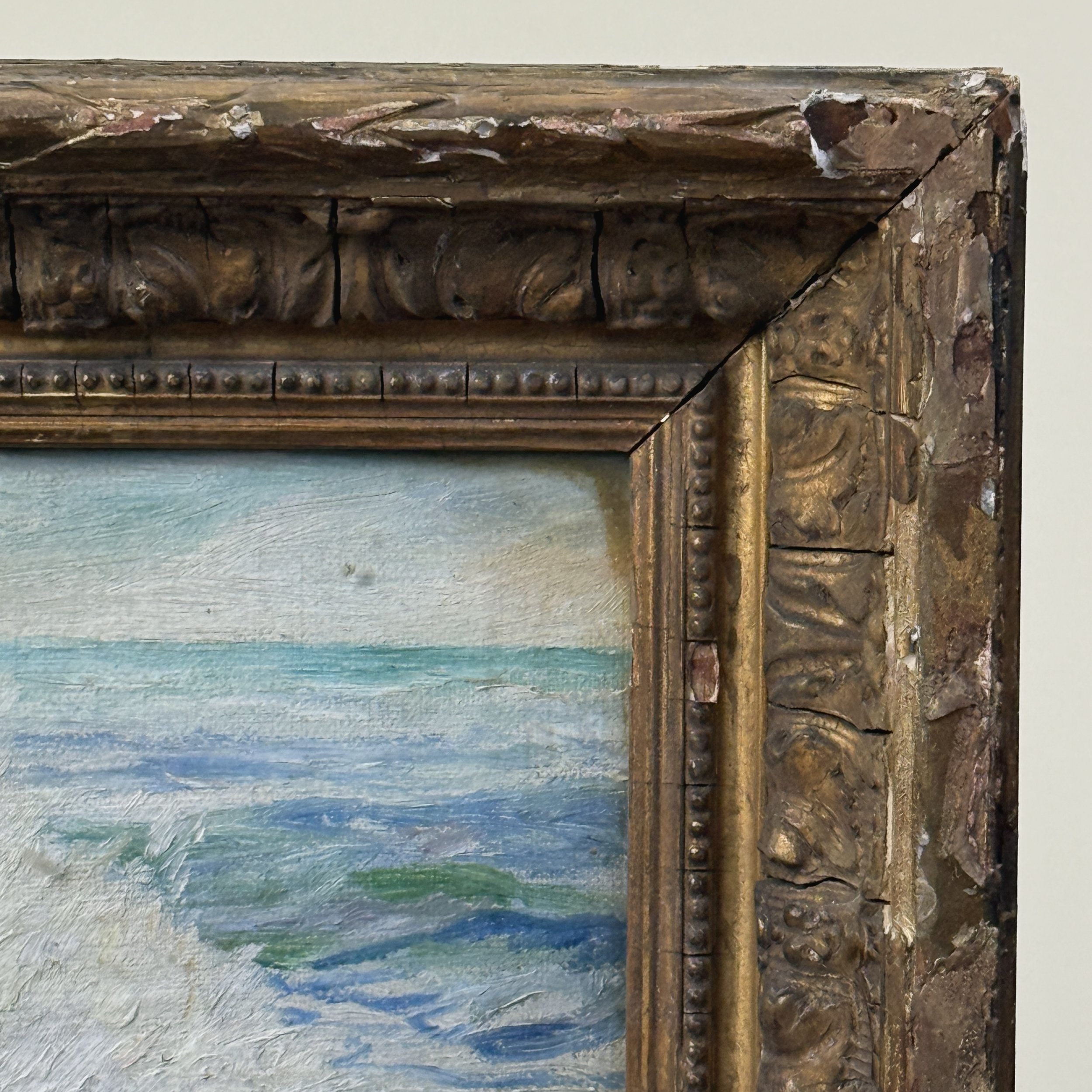
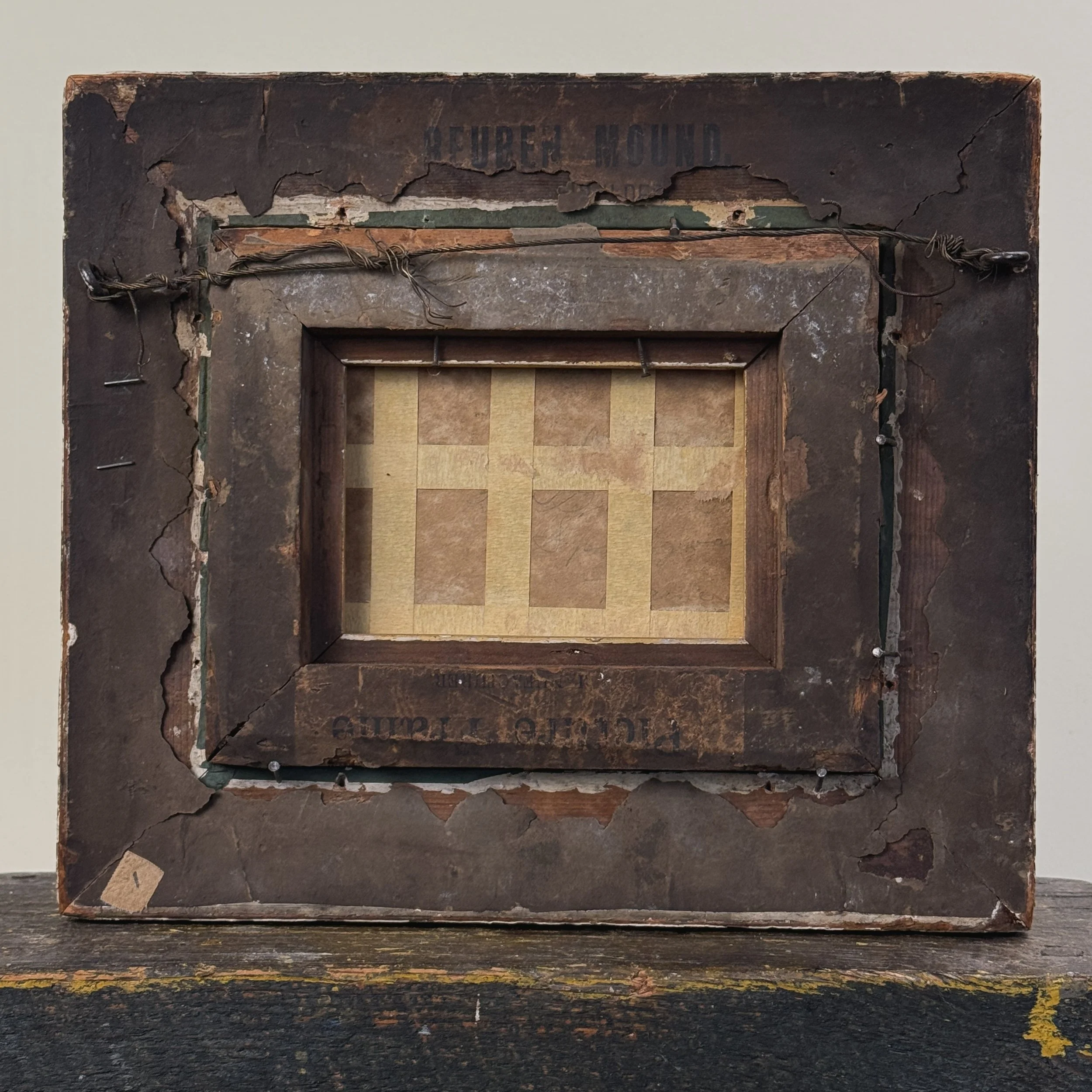
Condition: Wear consistent with age. Damage along frame edges. Several silk strands dislodged. Paper backing opened and taped over.
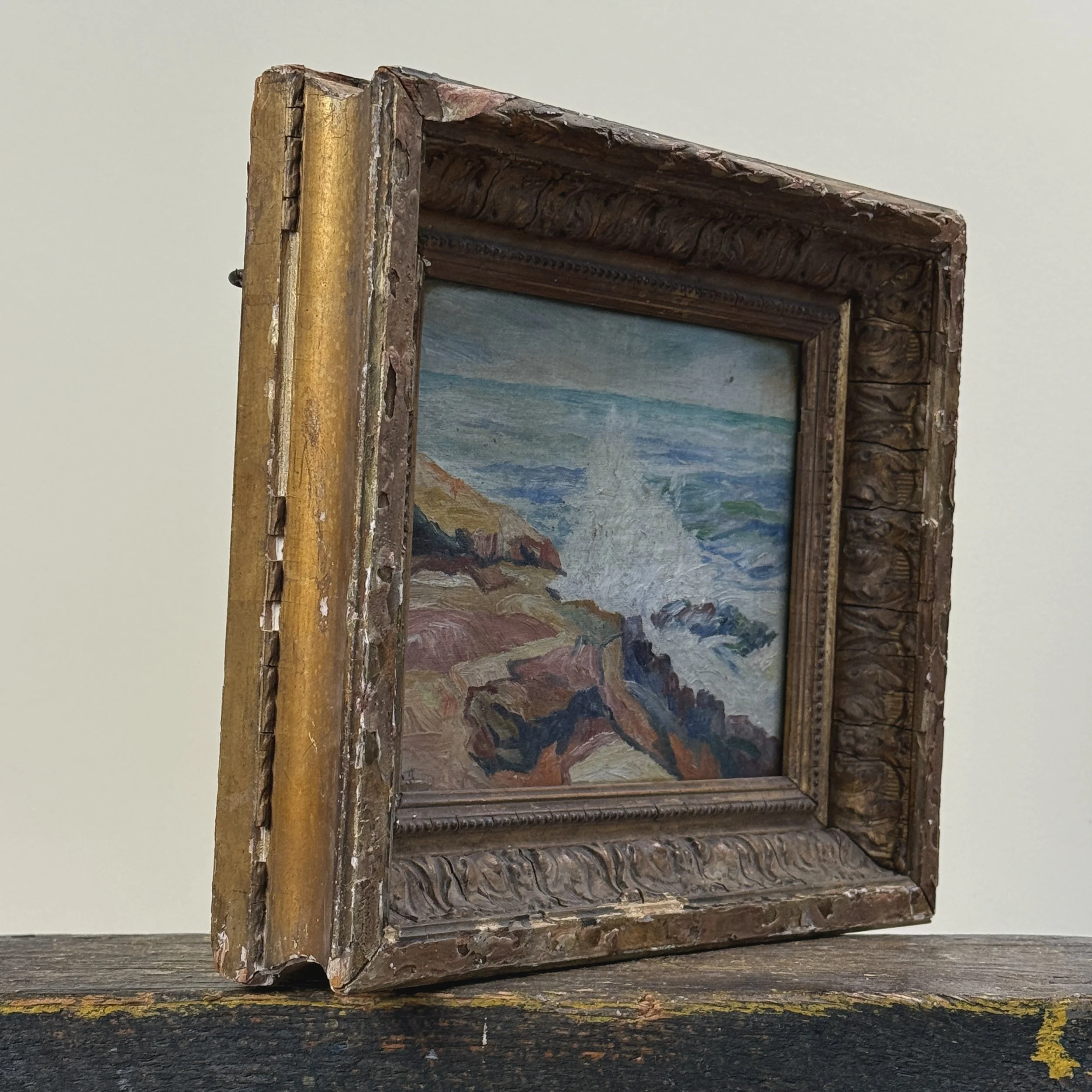
Georgian era silk and wool embroidered tapestry depicting The Parting of Hector and Andromache, a scene from Homer's Iliad. The composition features hand-embroidered figures with hand-painted watercolor details to the faces, hands, and legs. Layered silk embroidery is accented by fabric appliqué and pailettes (small sequins). The title is embroidered along the lower edge in both English and French. Housed in a traditional gilded frame. The paper backing has been opened and then taped over. Some damage is present along the edges of the frame, and several silk strands have become dislodged. Please refer to the photos for details.
A Note on Georgian Embroidered Woolwork
These pieces were typically made in wool and silk threads on a linen or wool ground, often with painted details added to the faces and extremities of figures.
Such works were a standard component of female education during the Georgian period. Following the completion of "samplers", which demonstrated basic stitching and the alphabet, young women of the upper-middle classes advanced to more ambitious pictorial embroideries. These large-scale narrative scenes served as the culmination of a young woman's needlework education, demonstrating not only technical proficiency in embroidery but also knowledge of classical literature, history, and mythology.
These works were typically displayed in the home as evidence of superior technical abilities. Examples are held in museum collections including the Victoria and Albert Museum, the Museum of Fine Arts Boston, and the Winterthur Museum.
Silk and wool embroidered tapestry with watercolor details
Georgian era, late 18th century
Title:The Parting of Hector and Andromache(embroidered lower edge; French inscription present)
Subject: Scene from Homer's Iliad, Book VI
Dimensions: 25.9" W x 22" H (sight)
Frame: Traditional gilded frame
Condition: Wear consistent with age. Damage along frame edges. Several silk strands dislodged. Paper backing opened and taped over.
Georgian era silk and wool embroidered tapestry depicting The Parting of Hector and Andromache, a scene from Homer's Iliad. The composition features hand-embroidered figures with hand-painted watercolor details to the faces, hands, and legs. Layered silk embroidery is accented by fabric appliqué and pailettes (small sequins). The title is embroidered along the lower edge in both English and French. Housed in a traditional gilded frame. The paper backing has been opened and then taped over. Some damage is present along the edges of the frame, and several silk strands have become dislodged. Please refer to the photos for details.
A Note on Georgian Embroidered Woolwork
These pieces were typically made in wool and silk threads on a linen or wool ground, often with painted details added to the faces and extremities of figures.
Such works were a standard component of female education during the Georgian period. Following the completion of "samplers", which demonstrated basic stitching and the alphabet, young women of the upper-middle classes advanced to more ambitious pictorial embroideries. These large-scale narrative scenes served as the culmination of a young woman's needlework education, demonstrating not only technical proficiency in embroidery but also knowledge of classical literature, history, and mythology.
These works were typically displayed in the home as evidence of superior technical abilities. Examples are held in museum collections including the Victoria and Albert Museum, the Museum of Fine Arts Boston, and the Winterthur Museum.

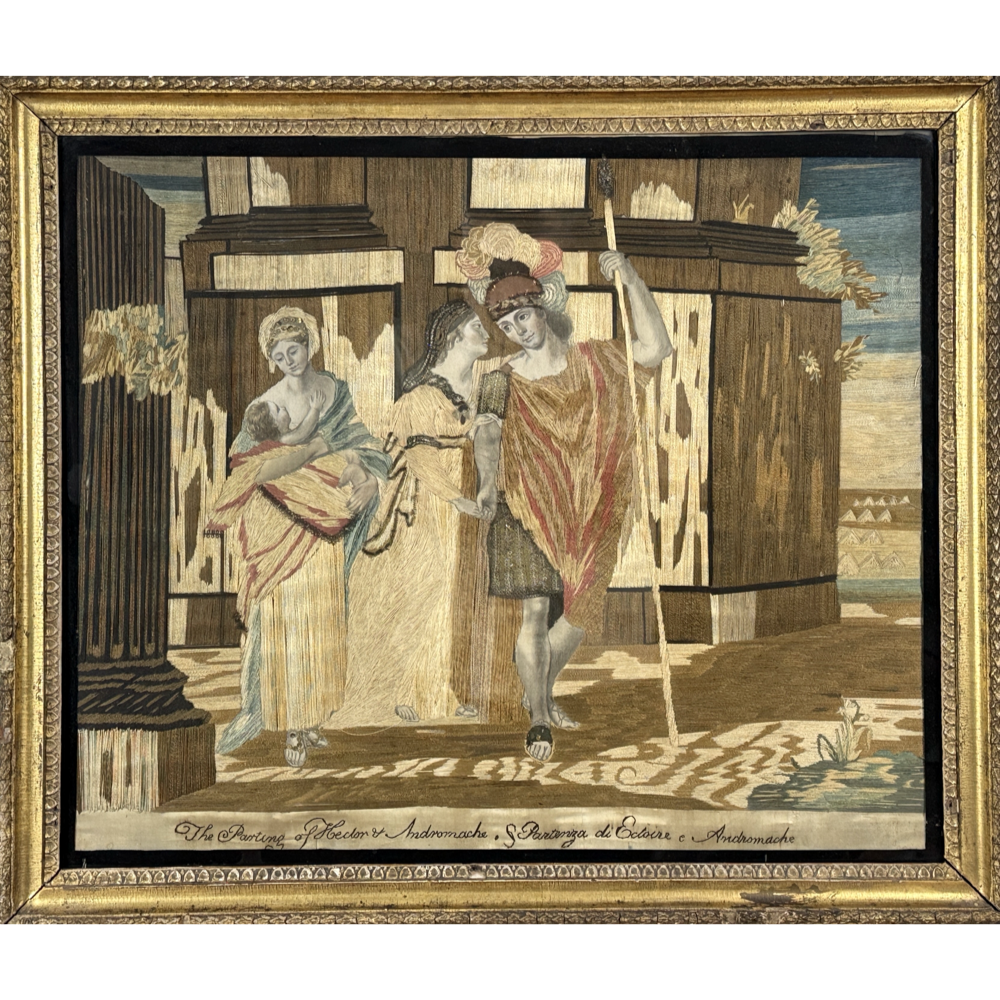 Image 1 of 12
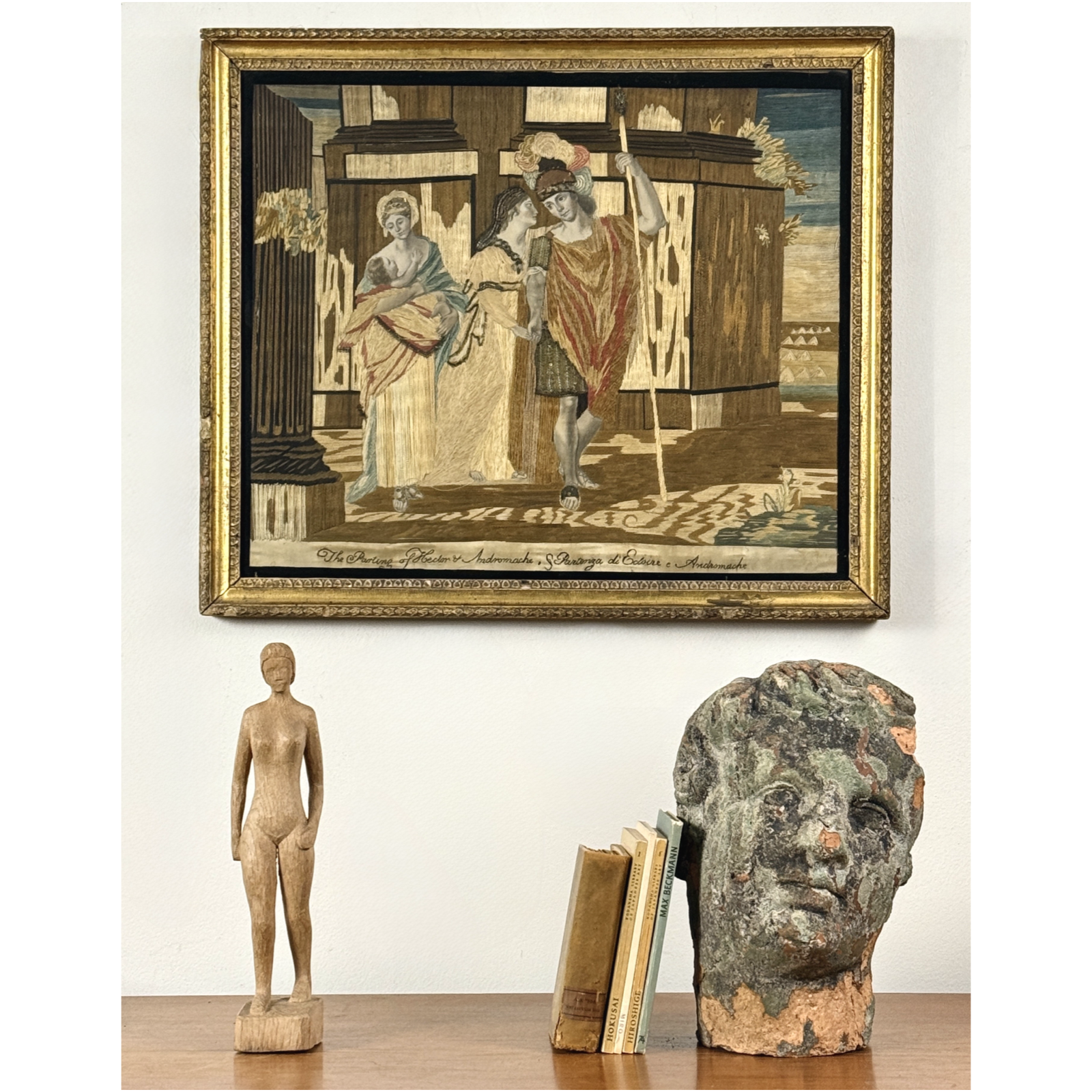 Image 2 of 12
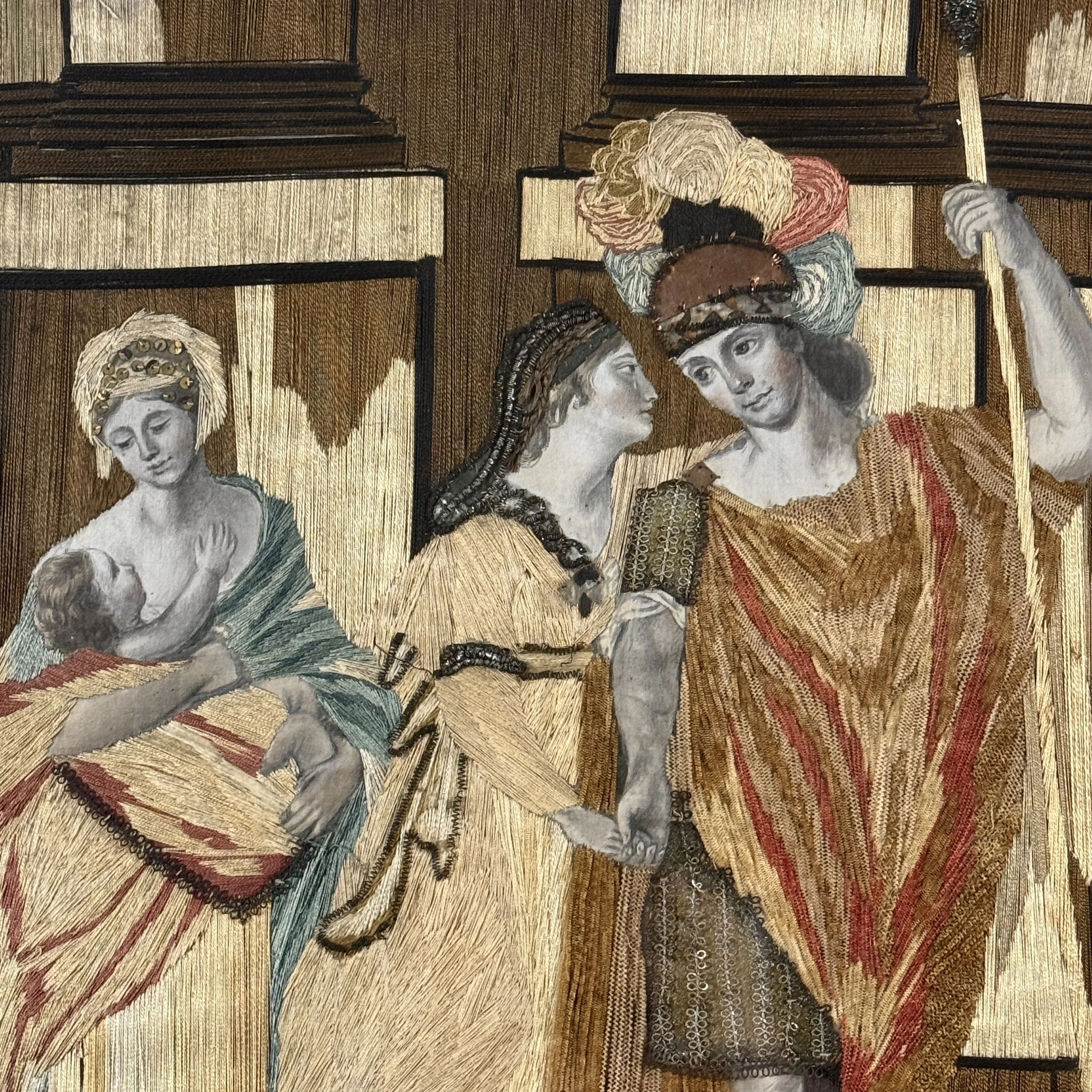 Image 3 of 12
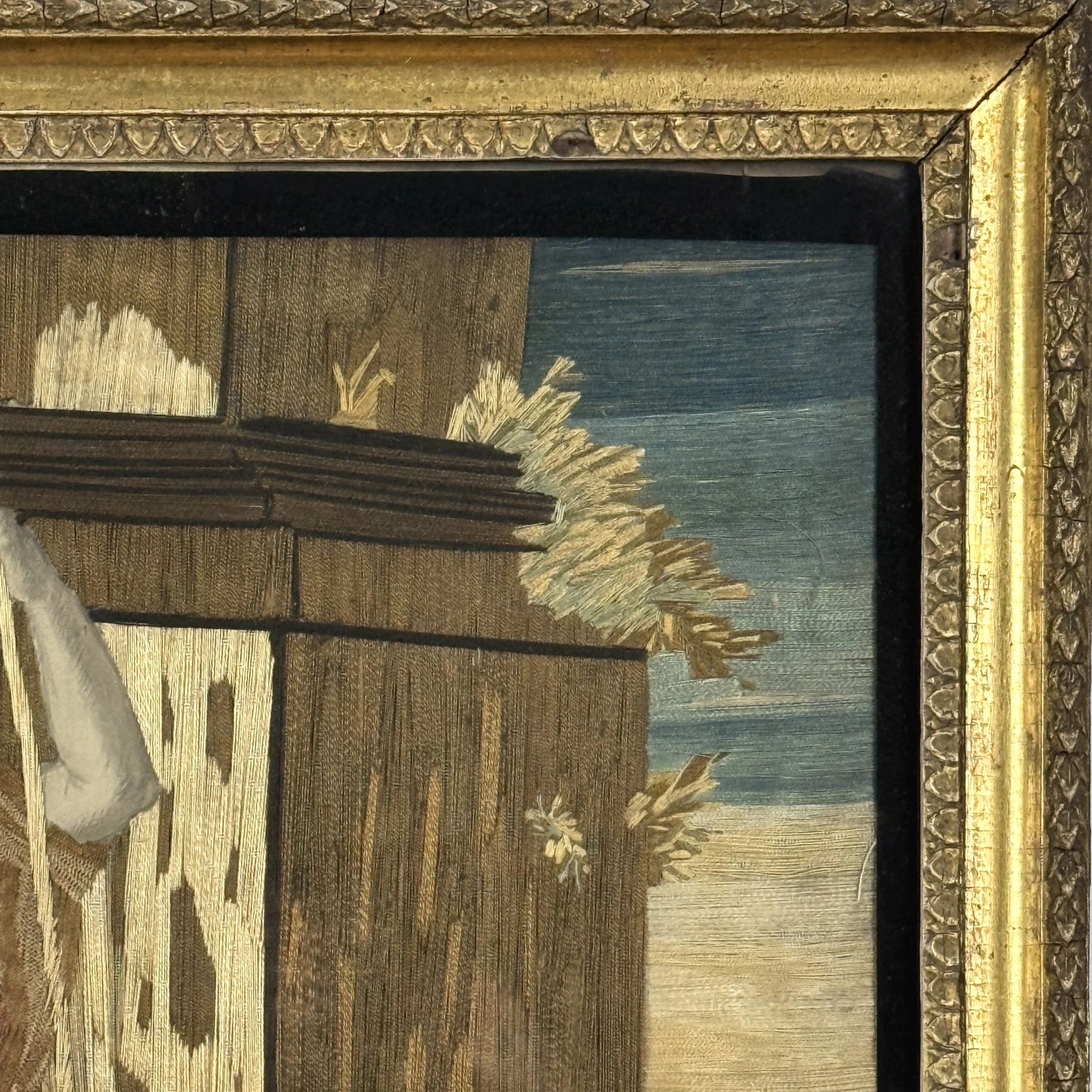 Image 4 of 12
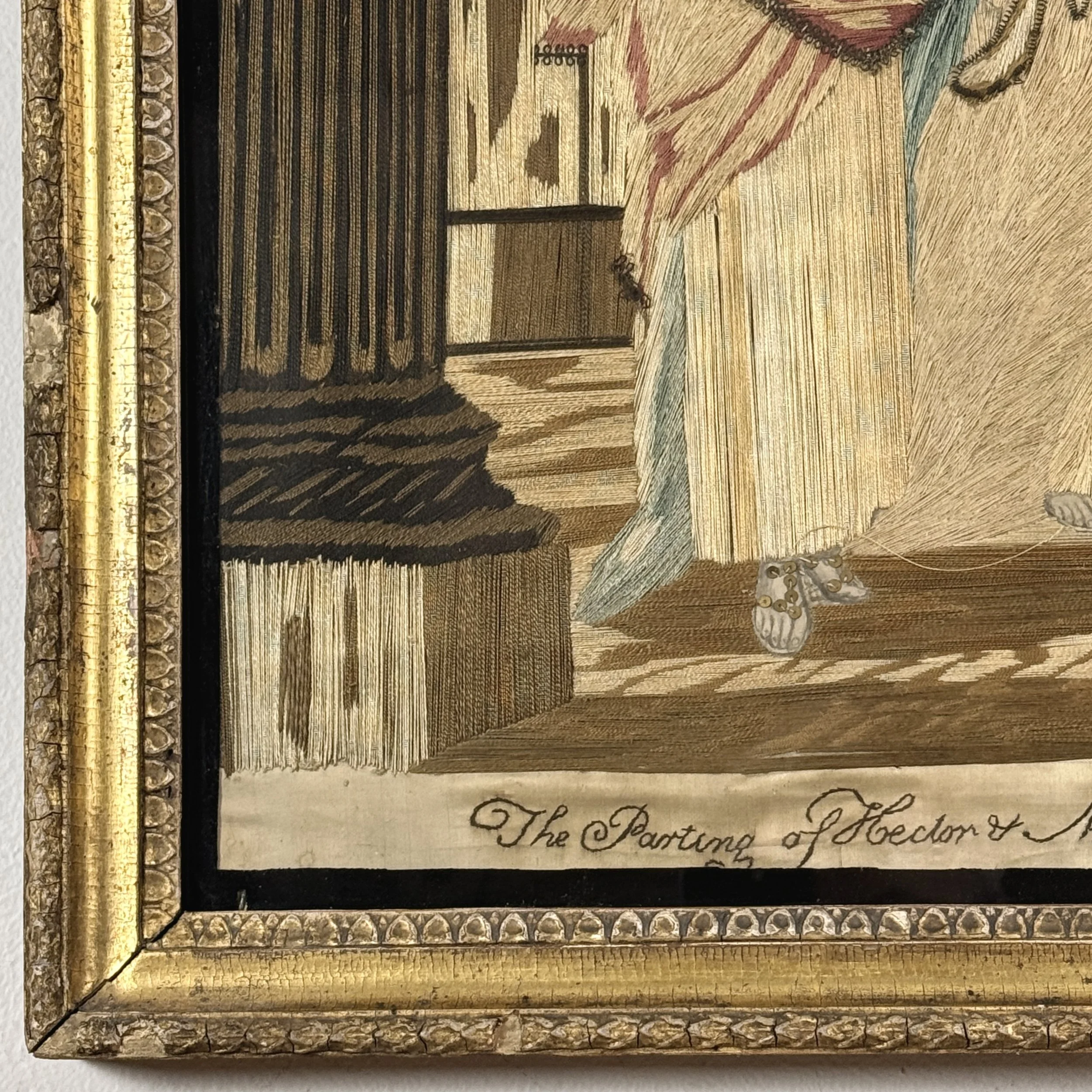 Image 5 of 12
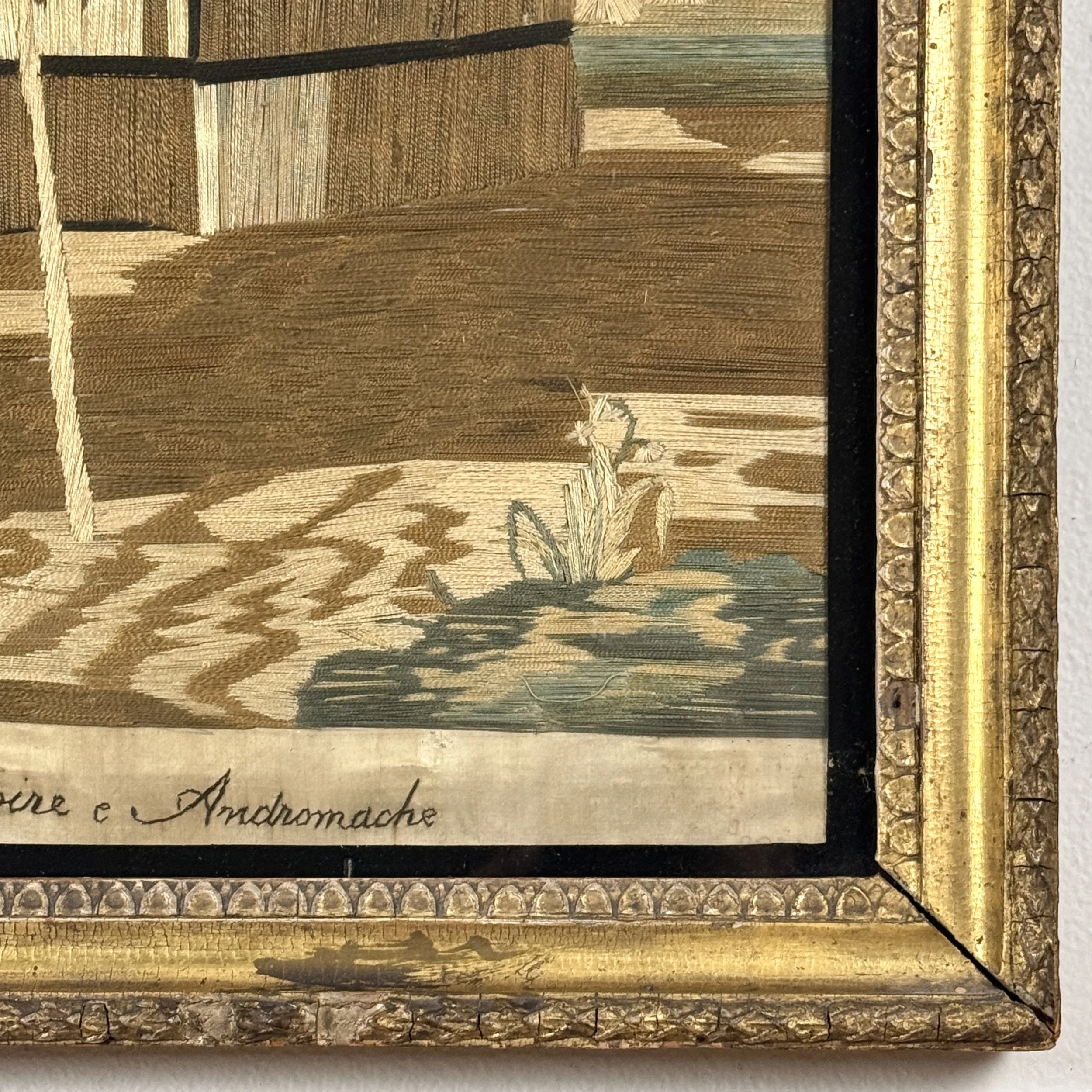 Image 6 of 12
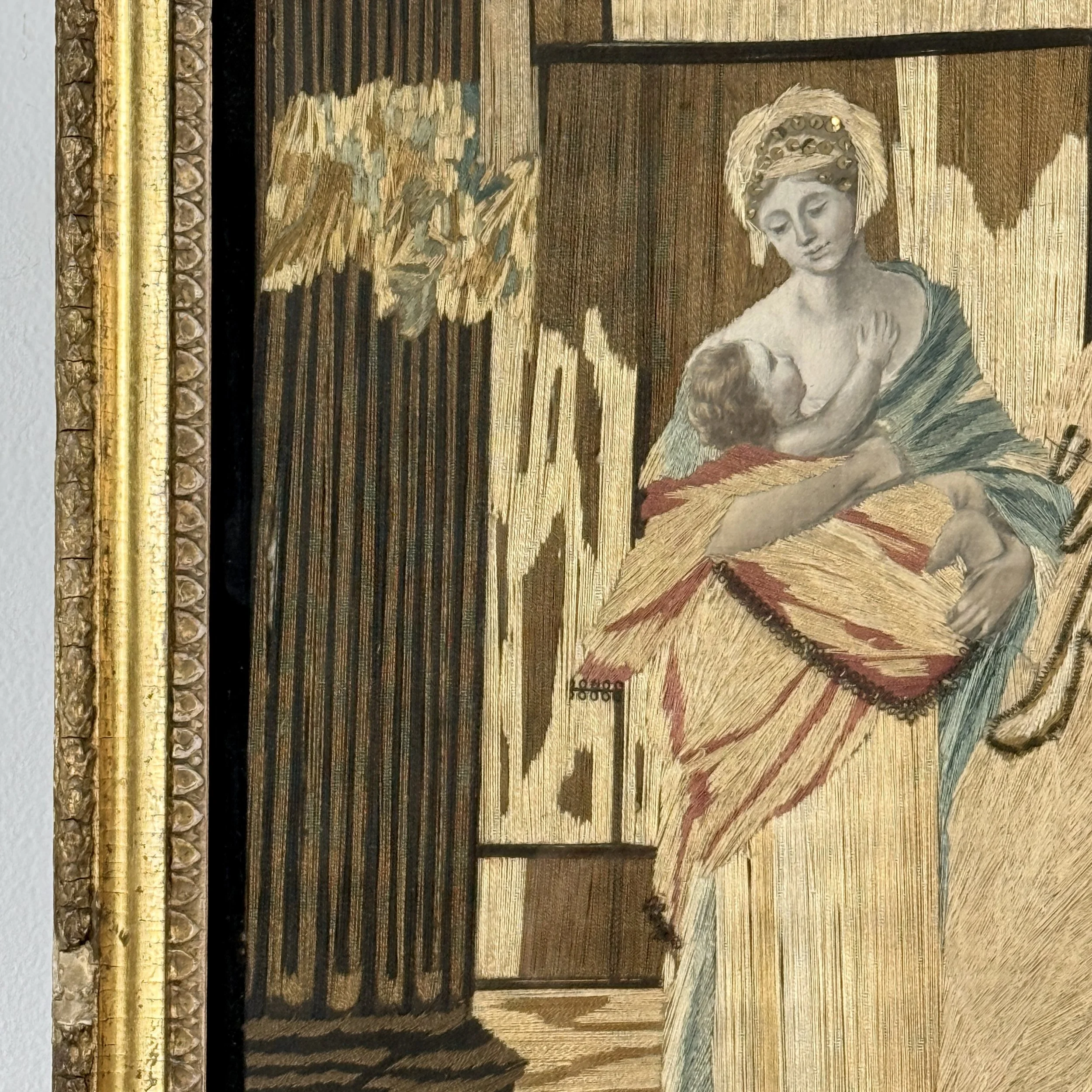 Image 7 of 12
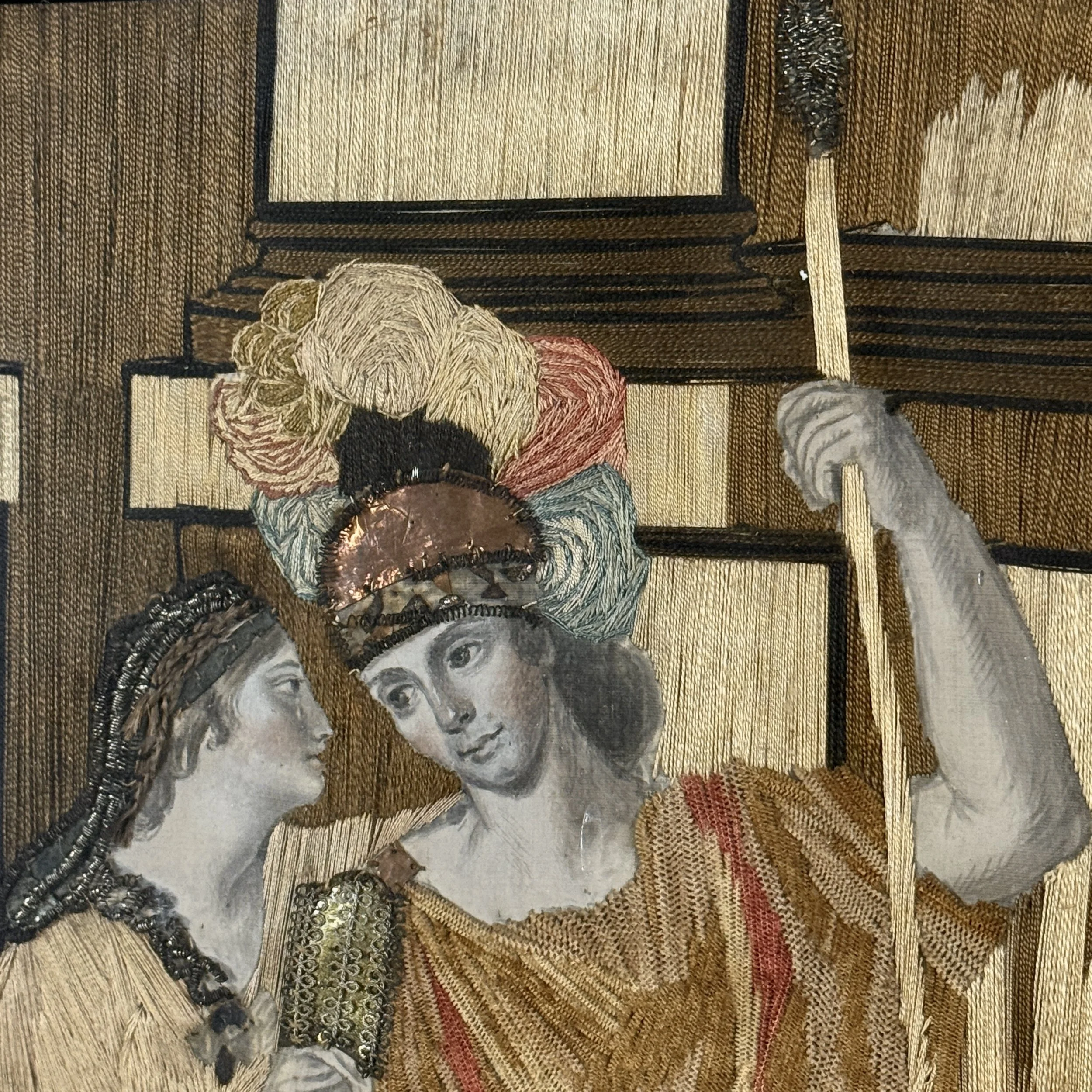 Image 8 of 12
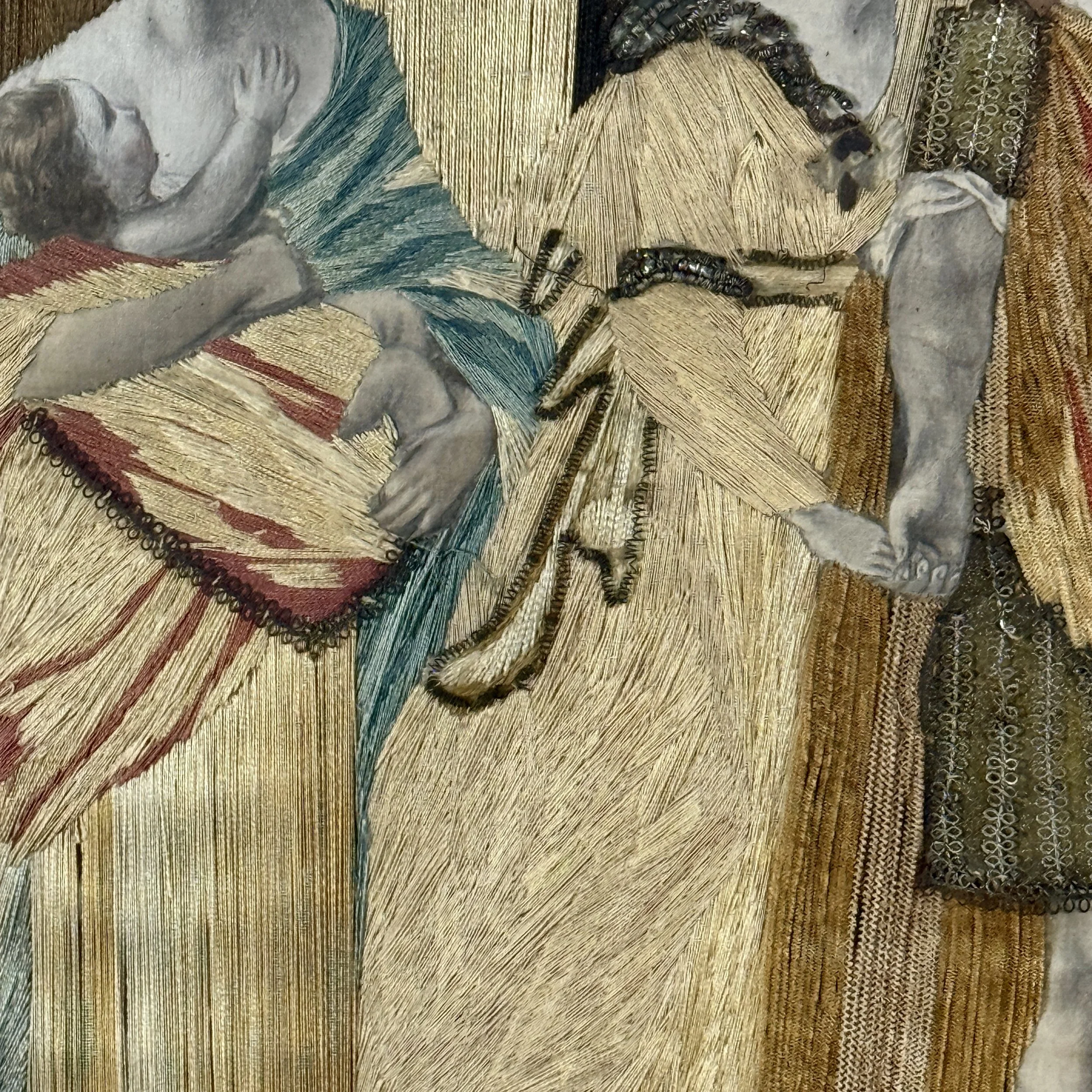 Image 9 of 12
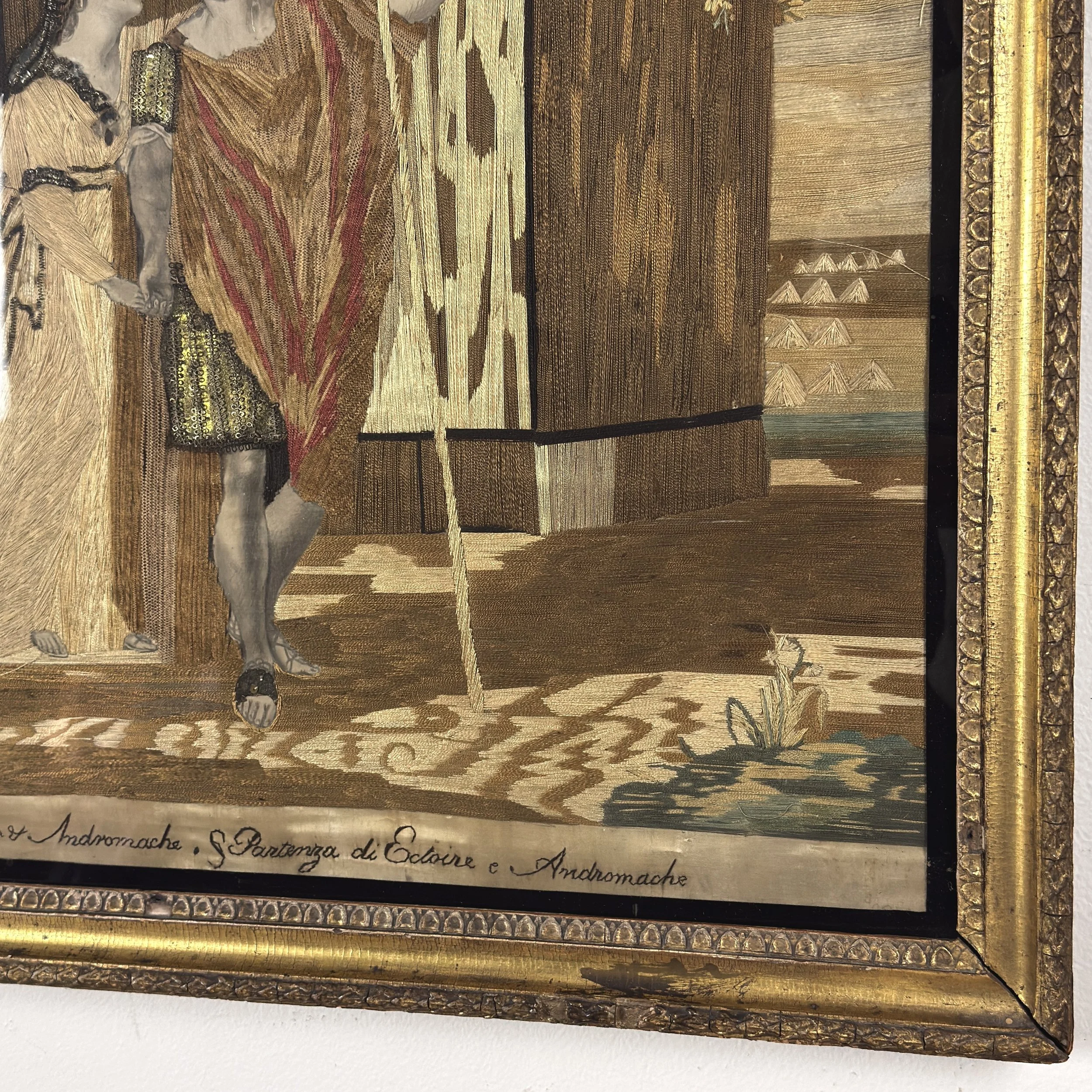 Image 10 of 12
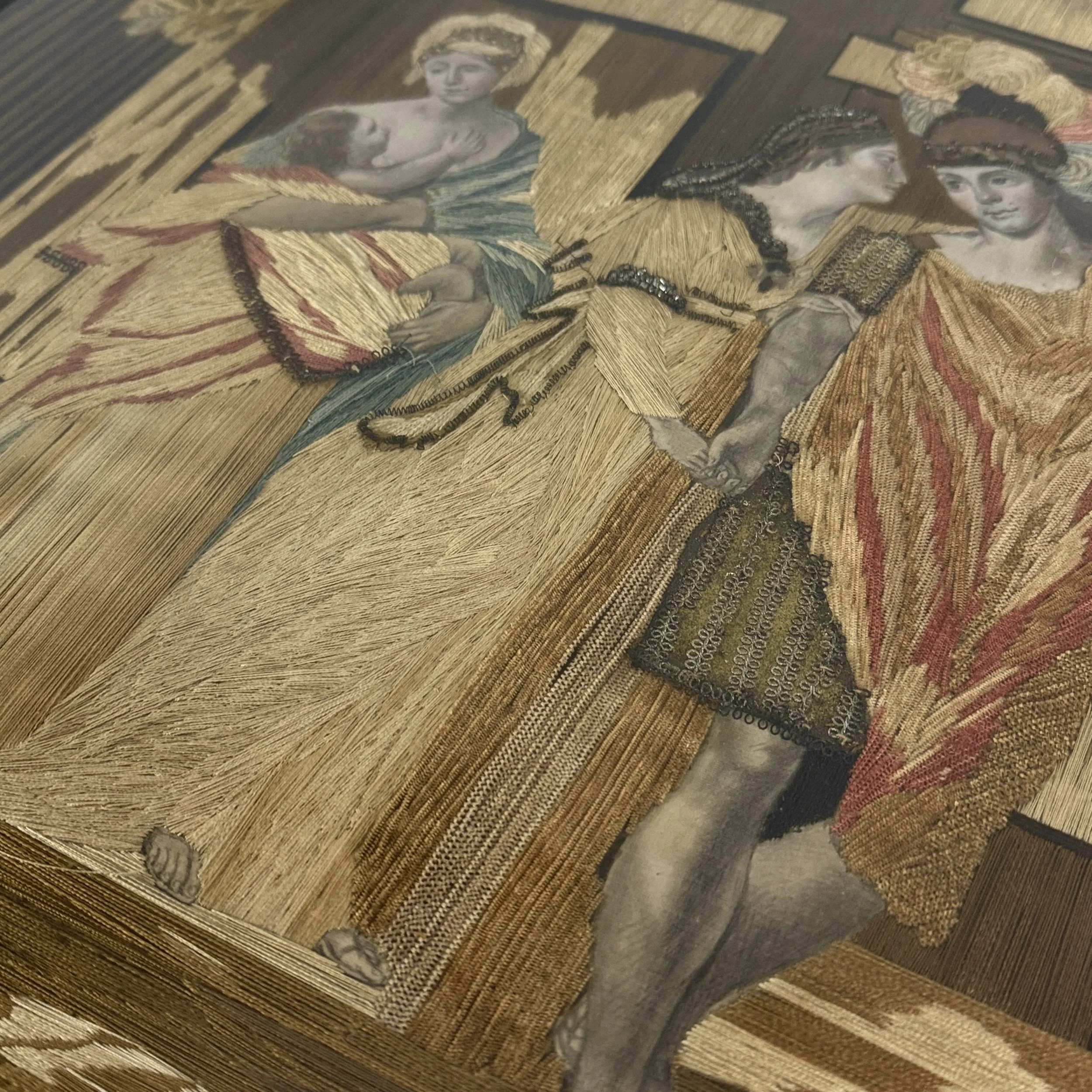 Image 11 of 12
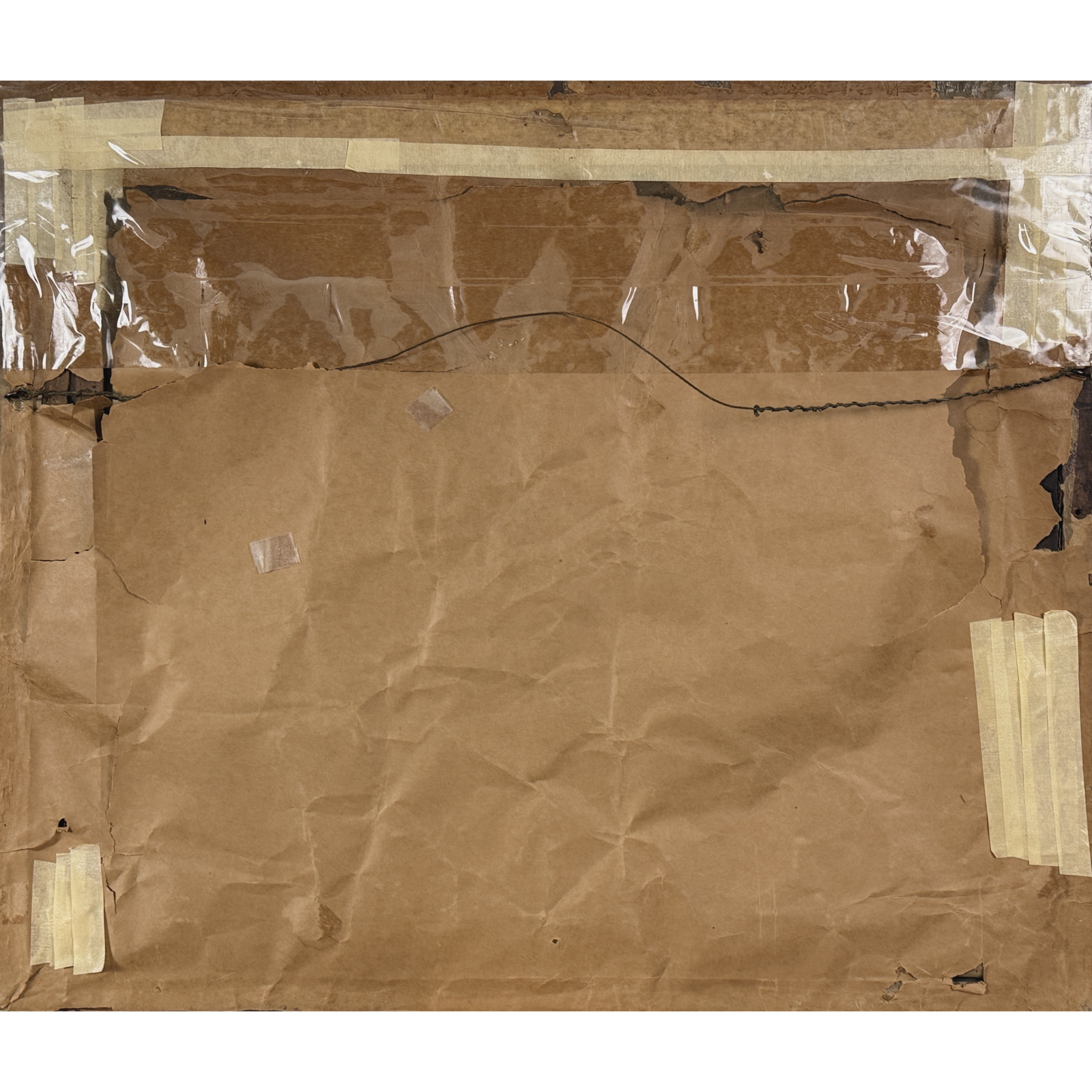 Image 12 of 12