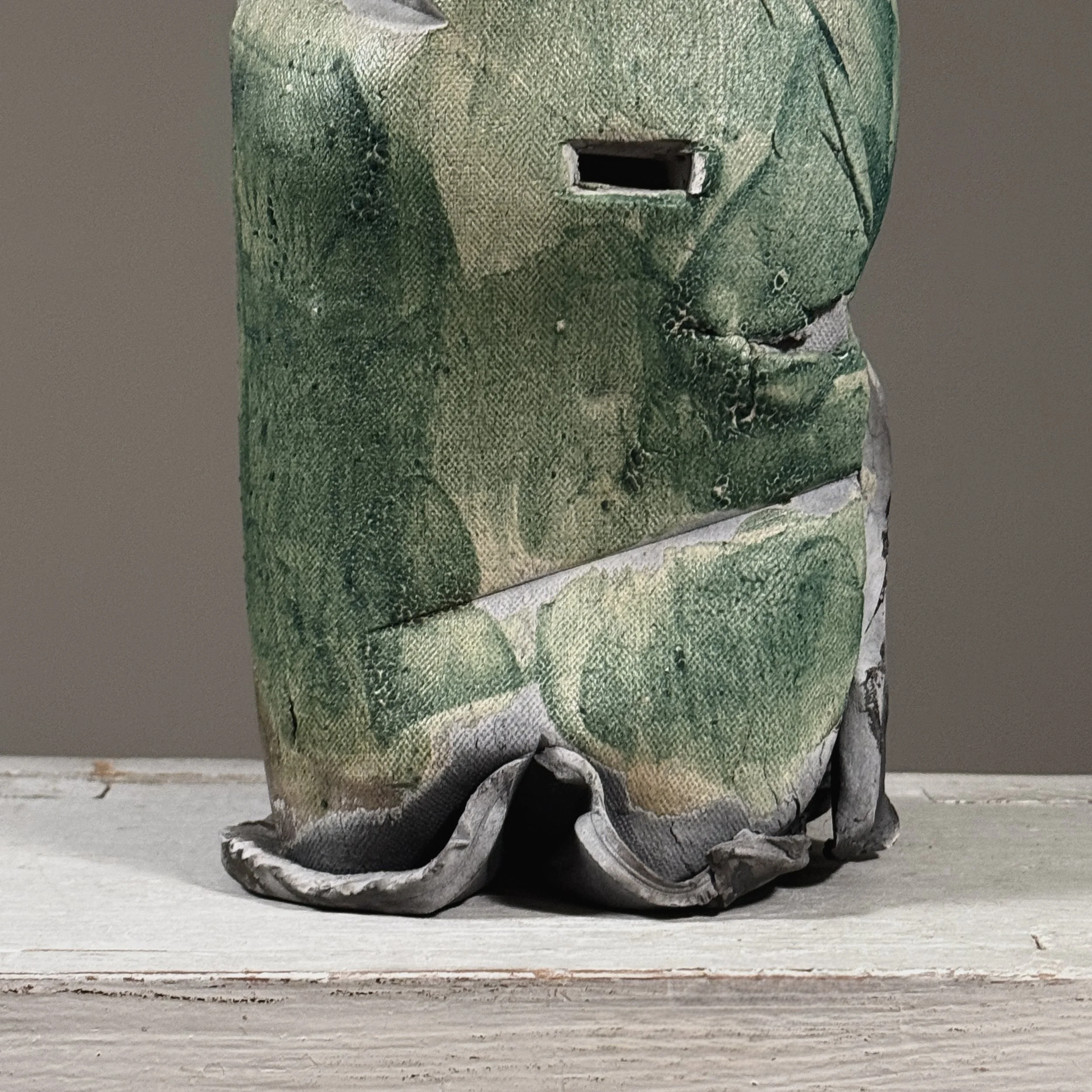
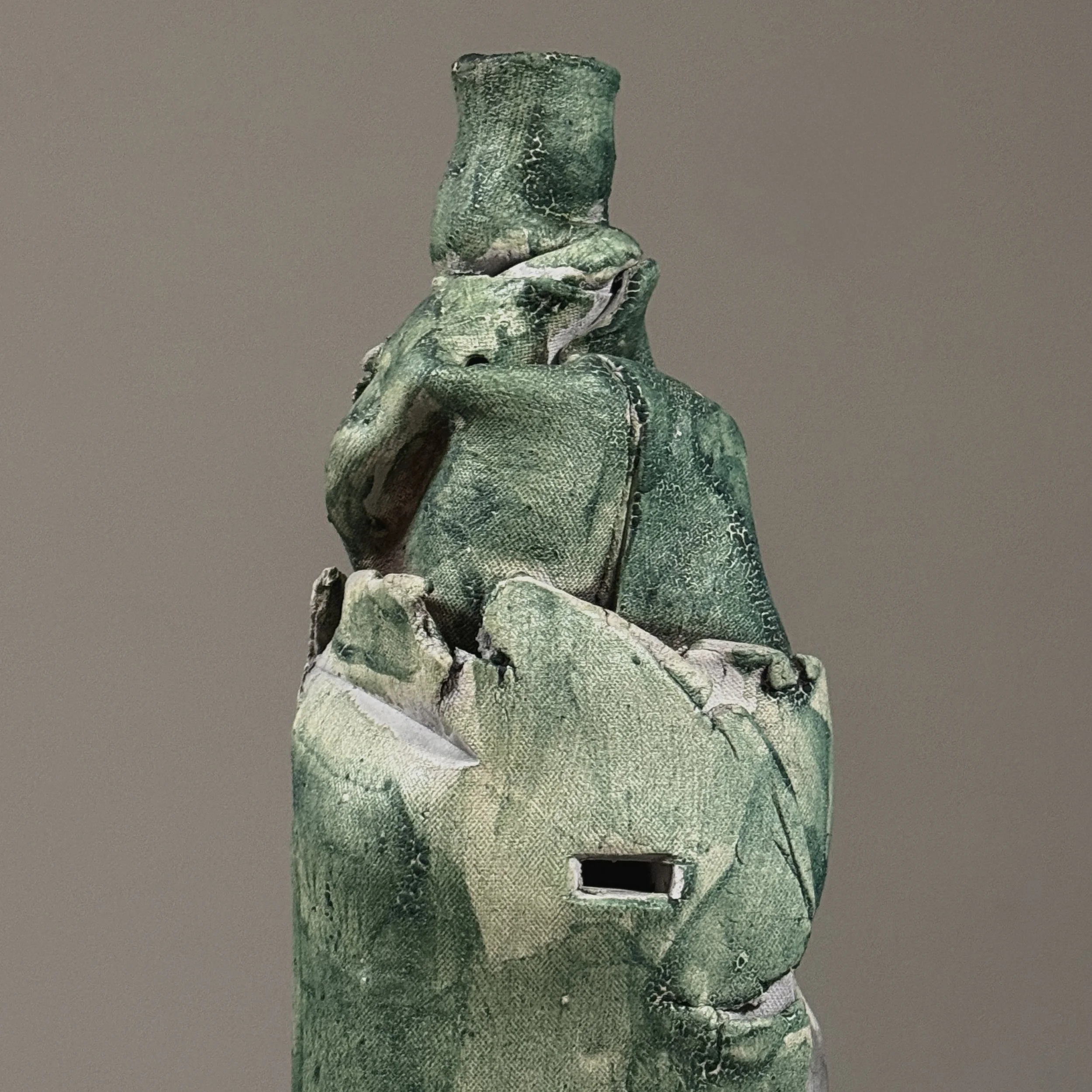
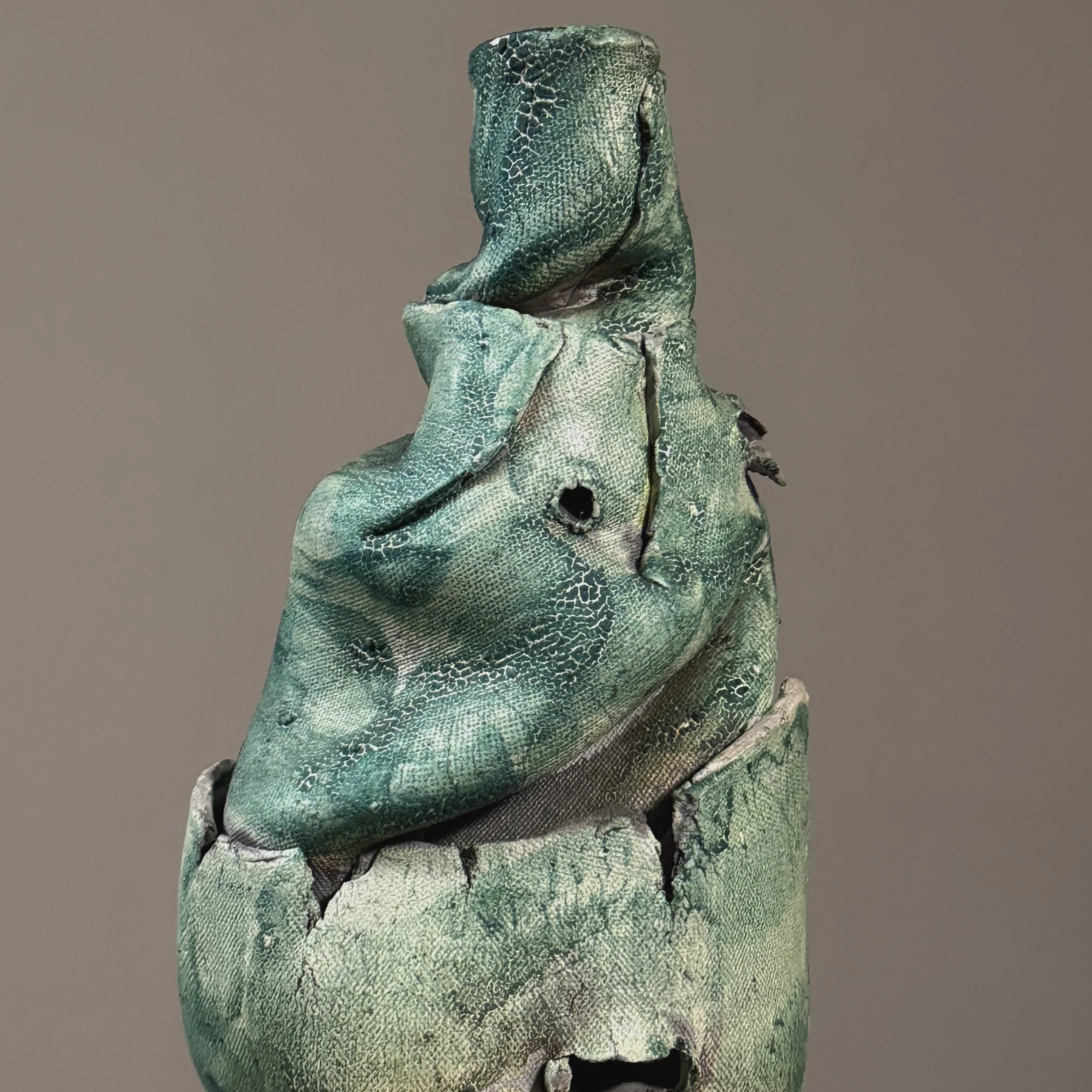
Medium: Terracotta, abalone shell, nautilus and conch shell accents
Artist: Attributed to Pierre-Adrien Graillon (French, 1807–1872)
Origin: Dieppe, France
Date: Circa 1850
Dimensions: 8.25" H x 5.6" W x 4" D
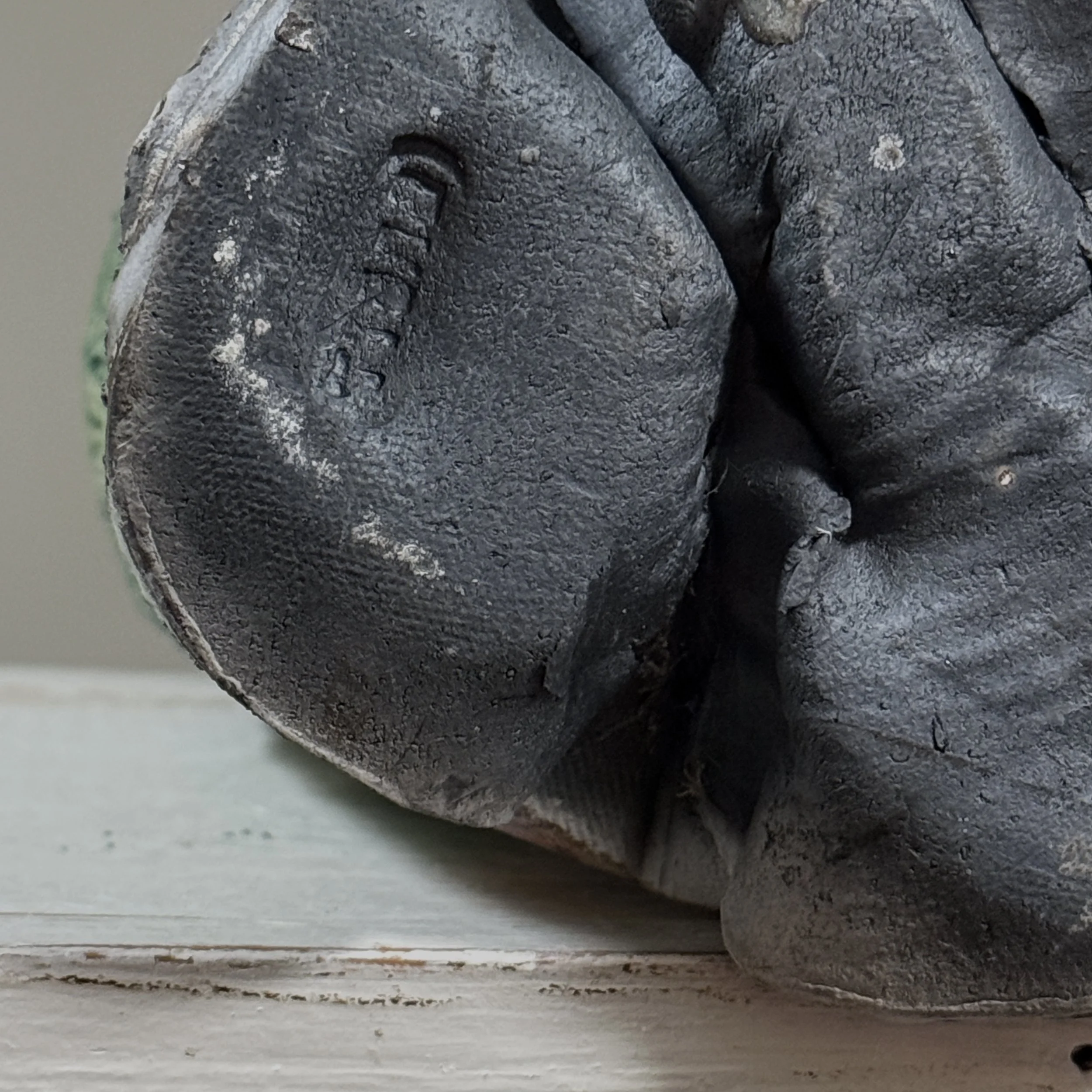
Signature: Most likely on the backside of the sculpture; unable to be seen
Condition: Good; wear consistent with age. Break to the left of the clay footing at the bottom. Sculpture and shell in good condition.
Terracotta figure group of 19th-century French peasants mounted inside an iridescent mother of pearl shell, with smaller nautilus/conch shell accents embedded in the clay along the bottom. Attributed to the French sculptor Pierre-Adrien Graillon of Dieppe. In good condition with wear consistent with age. A break is present on the left of the clay footing at the bottom. The sculpture and shell remain in good condition. The signature is most likely on the backside of the sculpture and is not visible.
Artist Biography
Pierre-Adrien Graillon (1807–1872) was a French sculptor and painter born in Dieppe, a coastal town in Normandy. He trained locally at the Dieppe drawing school before entering the studio of J. N. Blard, and later studied in Paris under the sculptor David d'Angers from 1837 to 1839. He then returned to Dieppe, where he established his workshop and shop.
Graillon worked with terracotta, wood, ivory, and whalebone, producing small-scale figures and groups taken from the life of the port: fishermen, market women, beggars, and children. David d'Angers visited Graillon's shop and described his pieces as "petits chefs-d'œuvre de naïveté," noting the remarkable finesse and particular truth of his popular scenes. Graillon received the Legion of Honour from Napoleon III in recognition of his work.
He exhibited at the Salon of 1849 and the Universal Exhibition of 1855. His sons, César Adrien and Félix Adrien Henri, assisted in his workshop and continued producing related works after his death.
Museum Holdings:
Works by Pierre-Adrien Graillon are held in several institutional collections. The Musée Carnavalet in Paris holds Mendiante et son enfant (S1662), a terracotta group. The Detroit Institute of Arts holds a shell-mounted terracotta statuette attributed to Graillon (Acc. No. 1992.218). The Raclin Murphy Museum of Art at the University of Notre Dame holds Paysanne sur chapiteau à volutes, a terracotta figure (Acc. No. 2009.045.148). The Musée de Dieppe (Château-Musée) holds a substantial group of his works, including reliefs and figures in terracotta and whalebone.
A Note on Graillon's Shell-Mounted Figures
Graillon's shell-mounted terracottas belong to a distinctive category within nineteenth-century French decorative sculpture. The practice of setting modeled figures within natural shells, particularly the iridescent abalone and the spired murex, came from Dieppe's identity as both a port and as a center of ivory and shell carving.
The subject matter is consistent with Graillon's works. His figures were drawn from the working population of Dieppe and its surroundings: fishermen, peasants, and vendors, rendered with attention to dress, posture, and the particularities of local type.

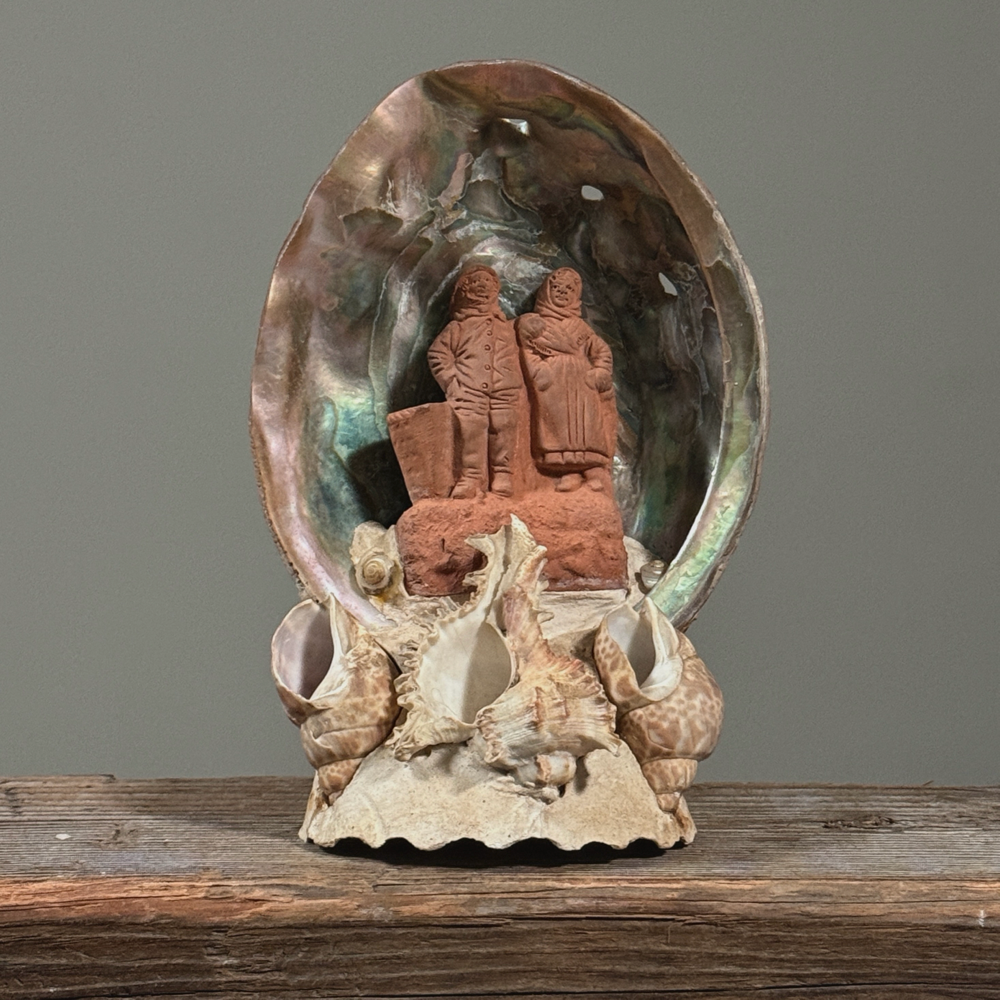 Image 1 of 9
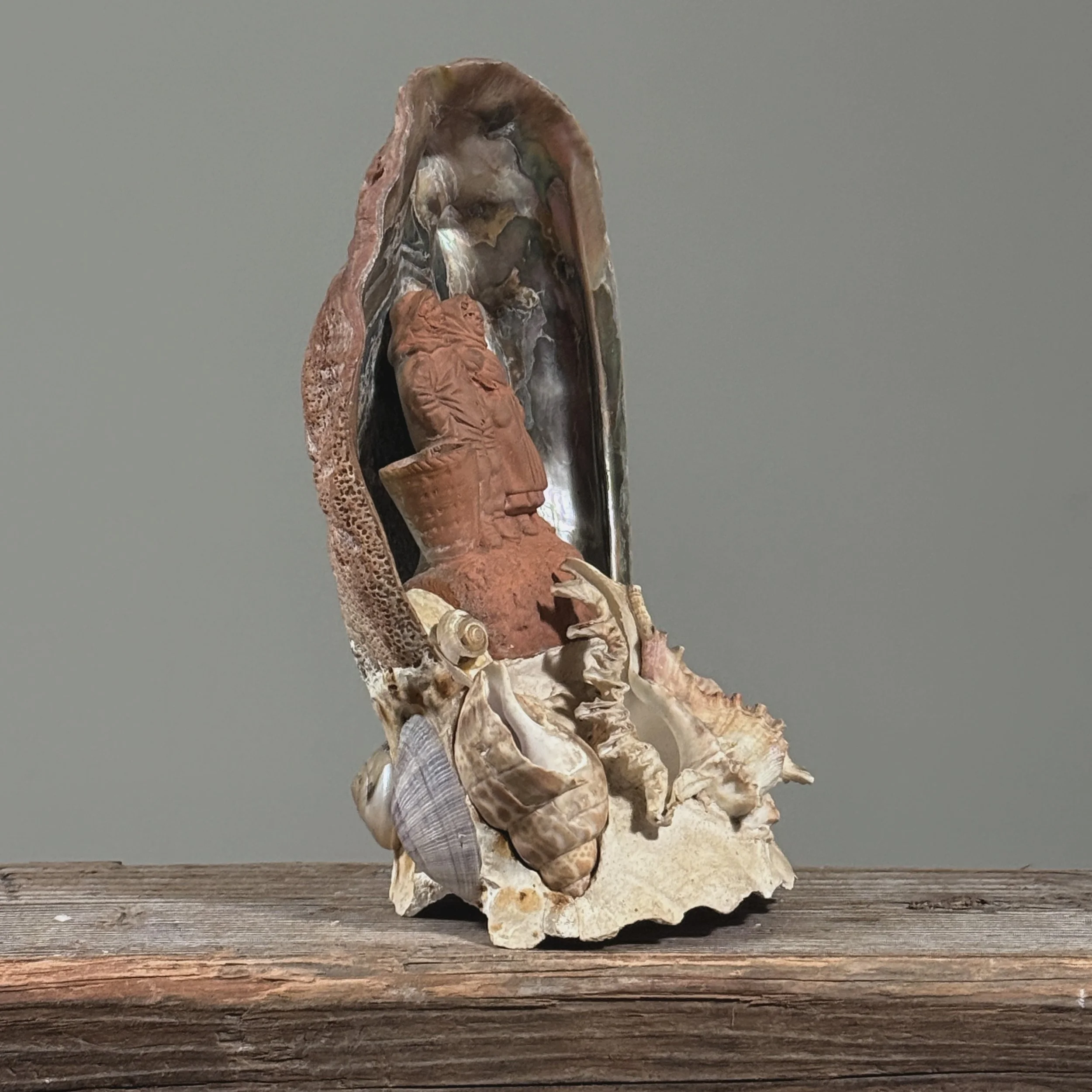 Image 2 of 9
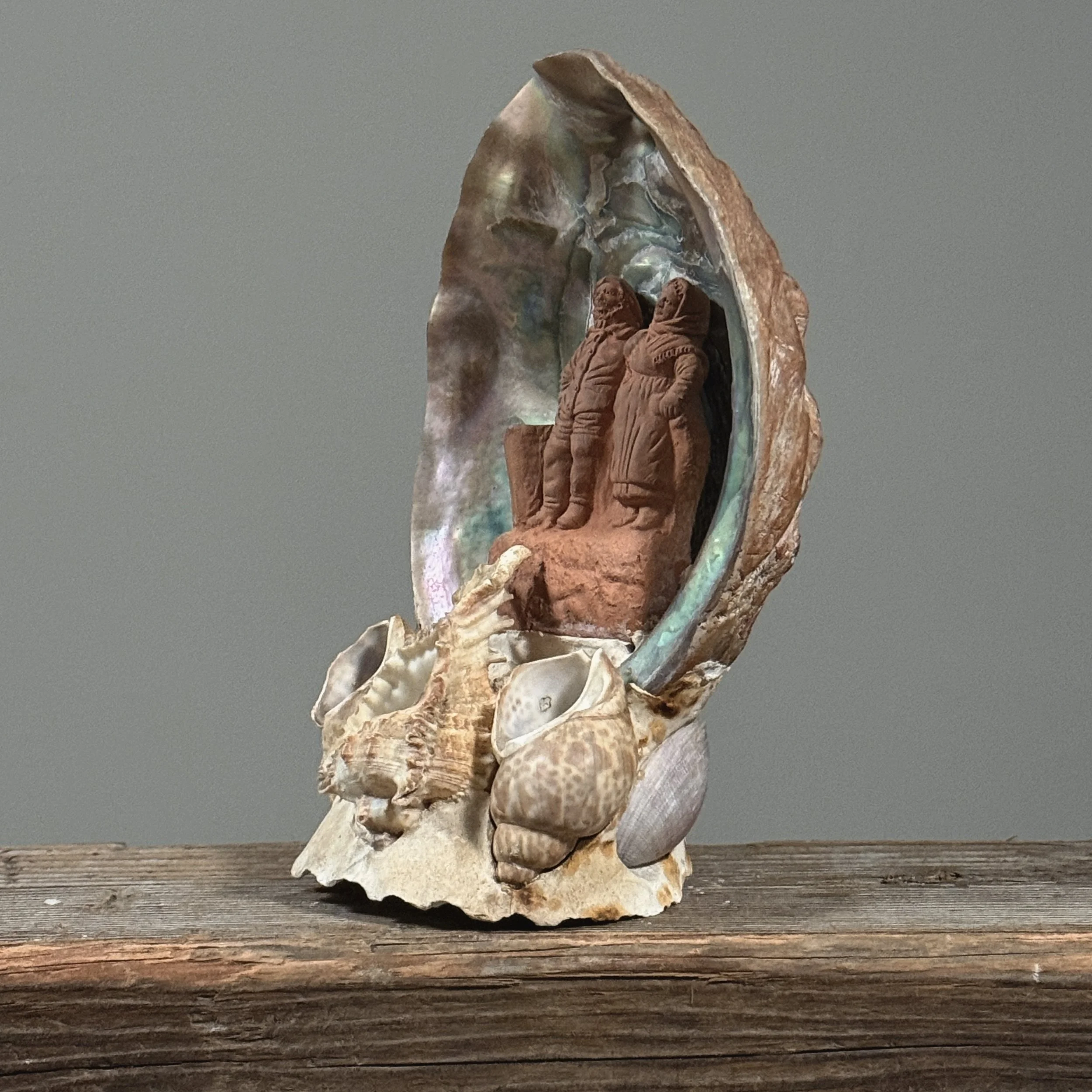 Image 3 of 9
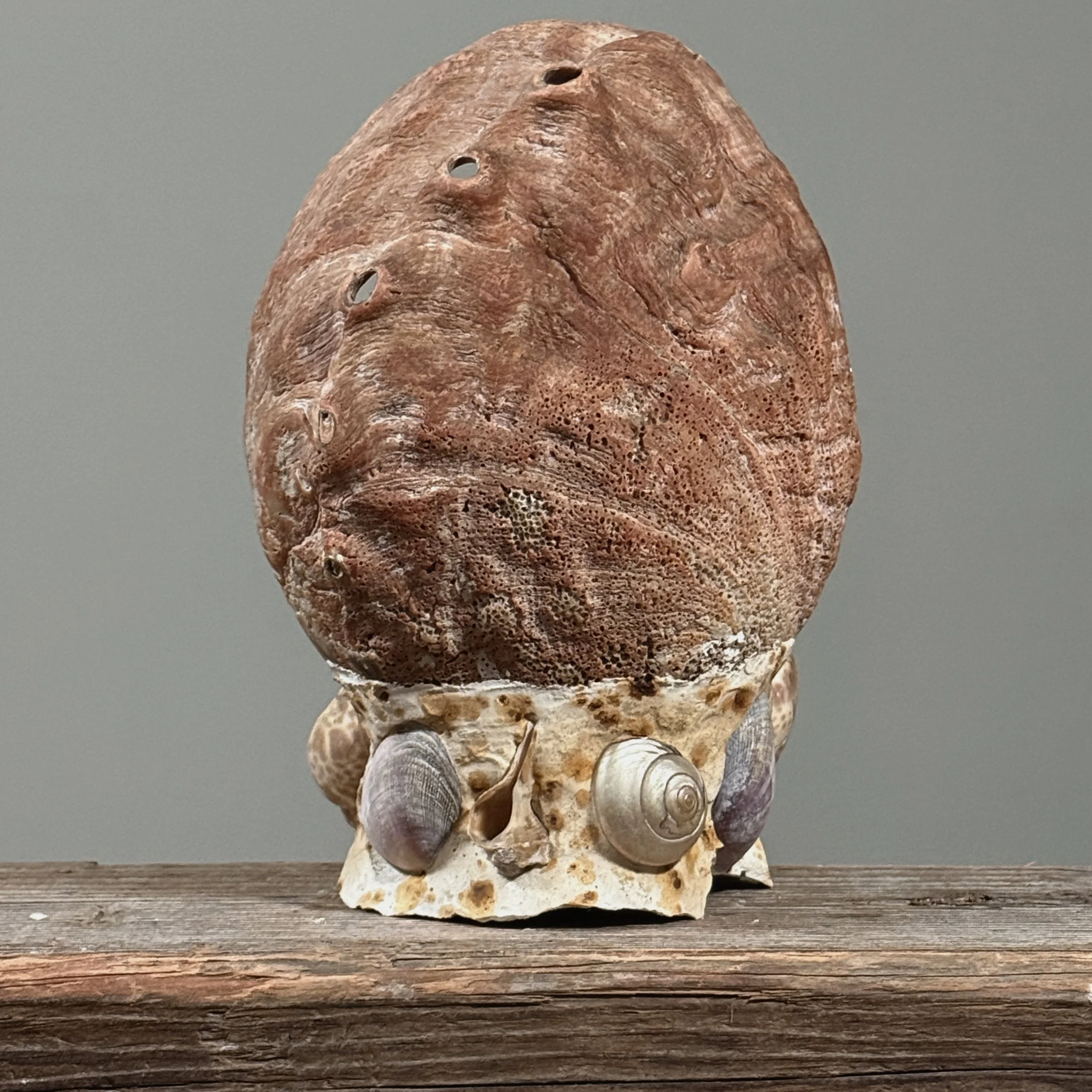 Image 4 of 9
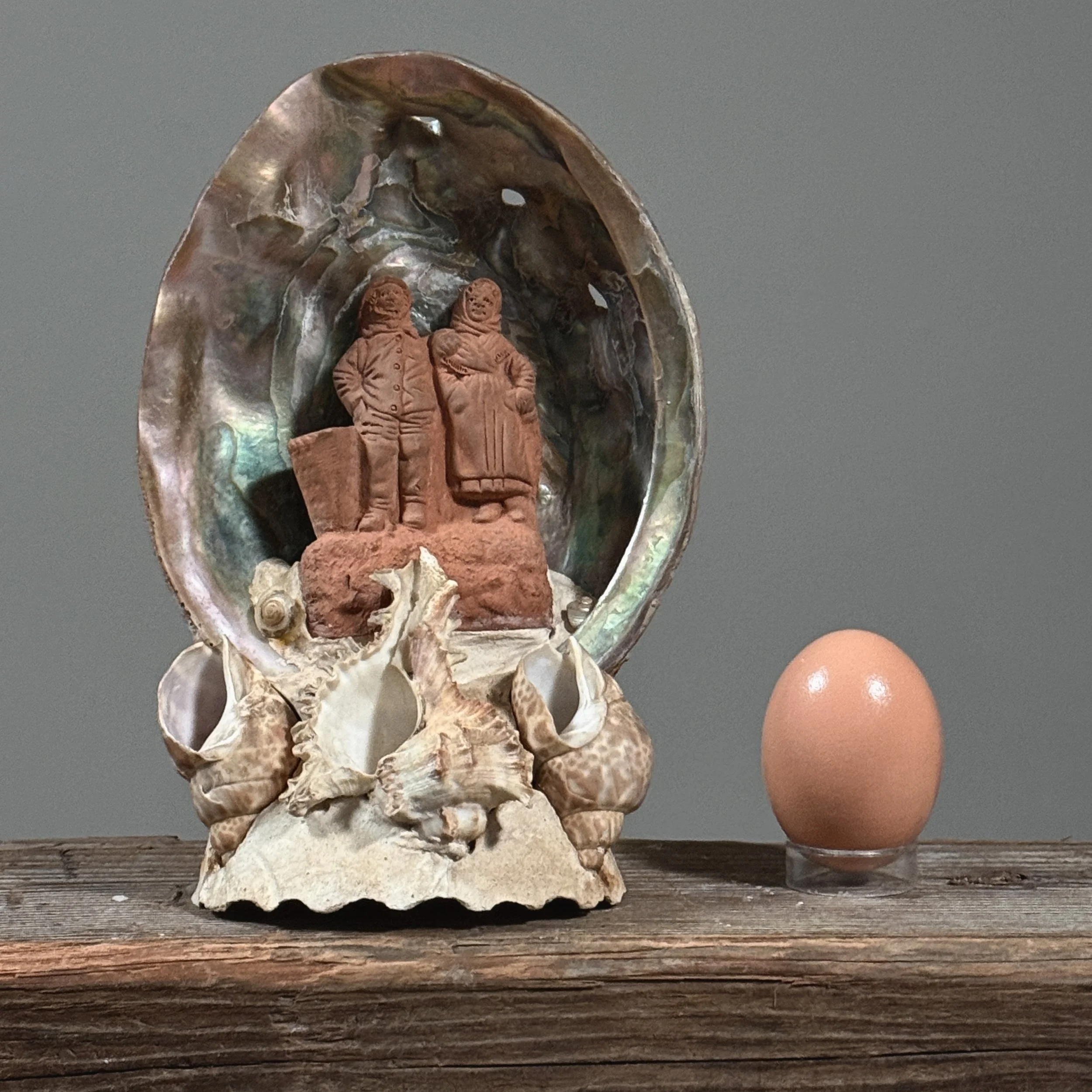 Image 5 of 9
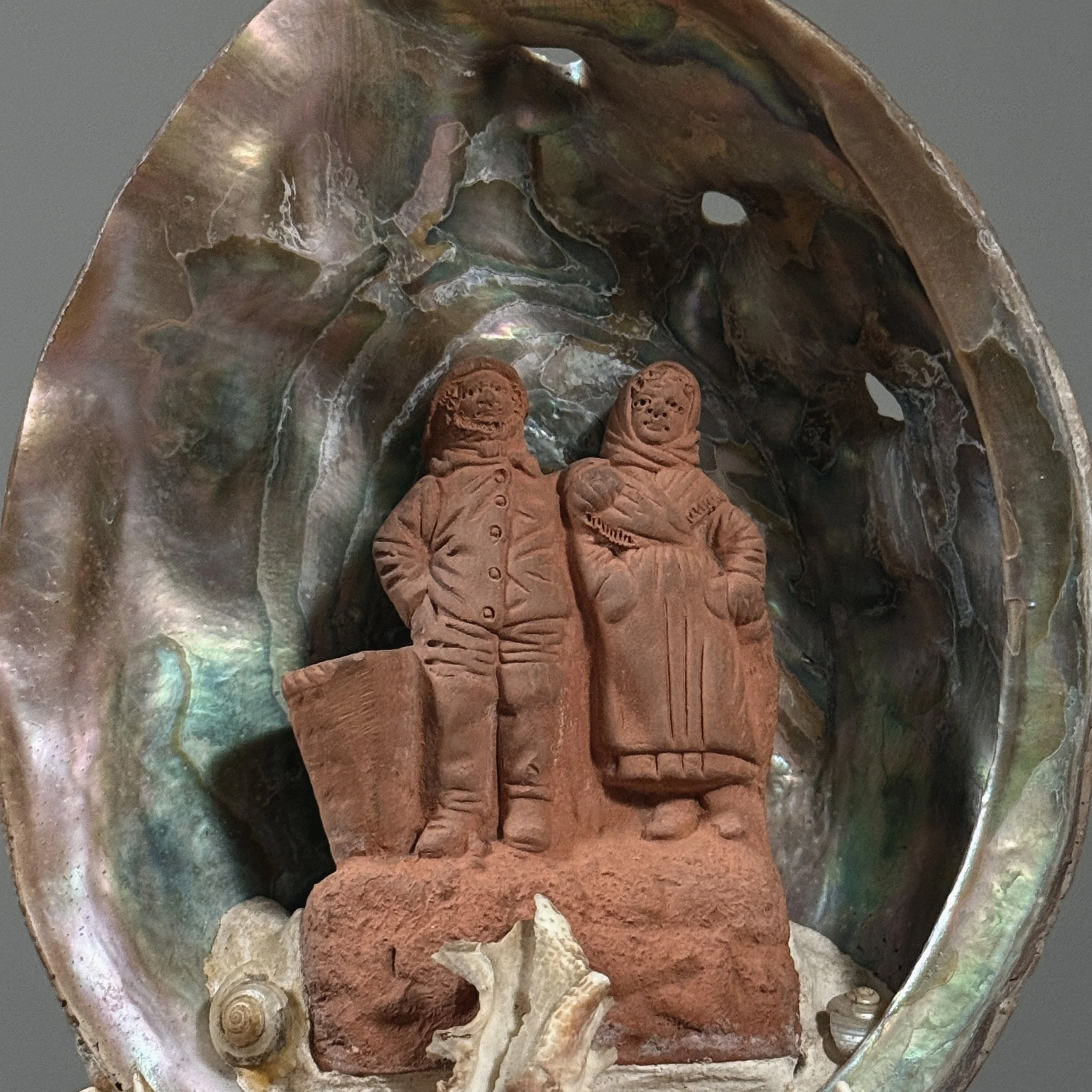 Image 6 of 9
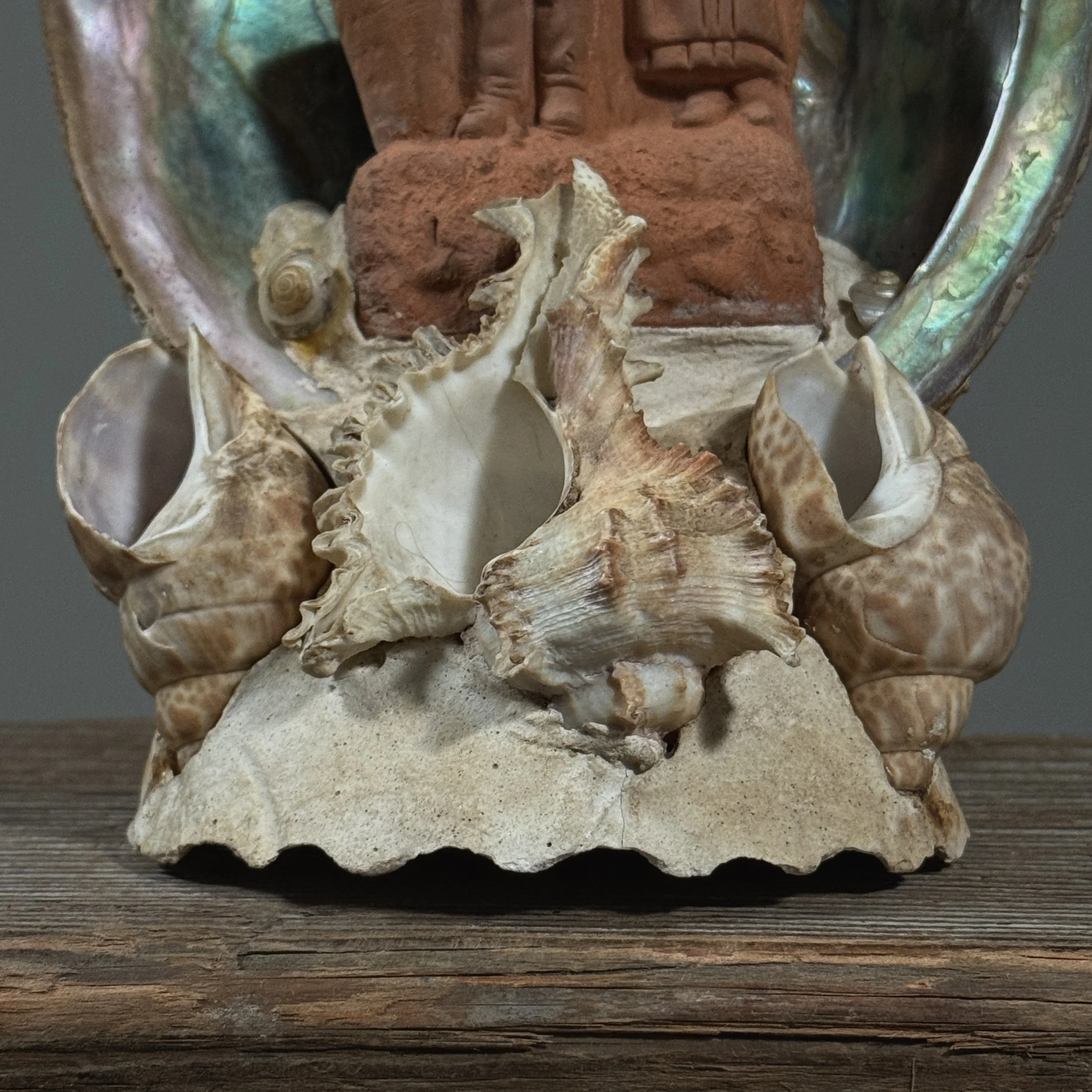 Image 7 of 9
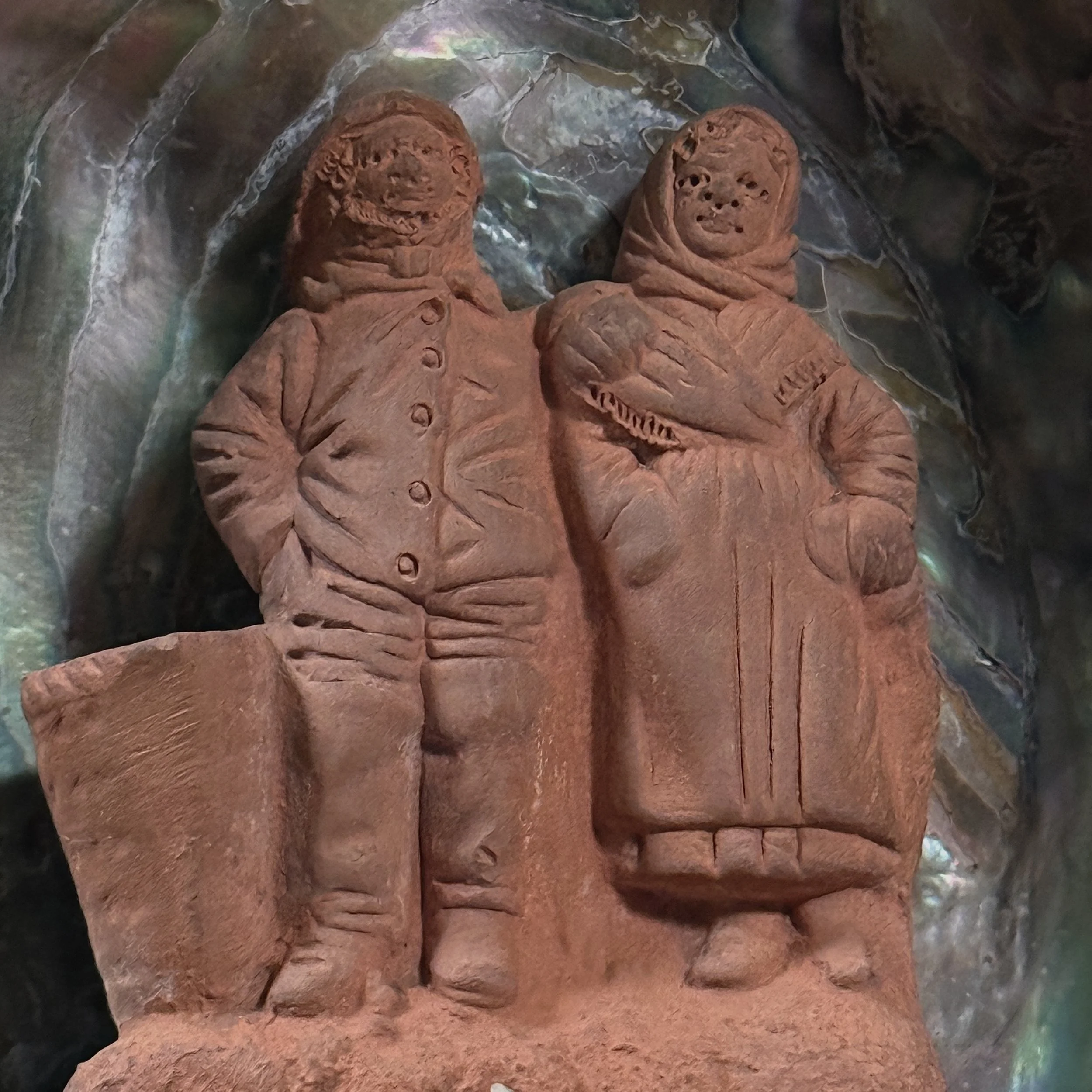 Image 8 of 9
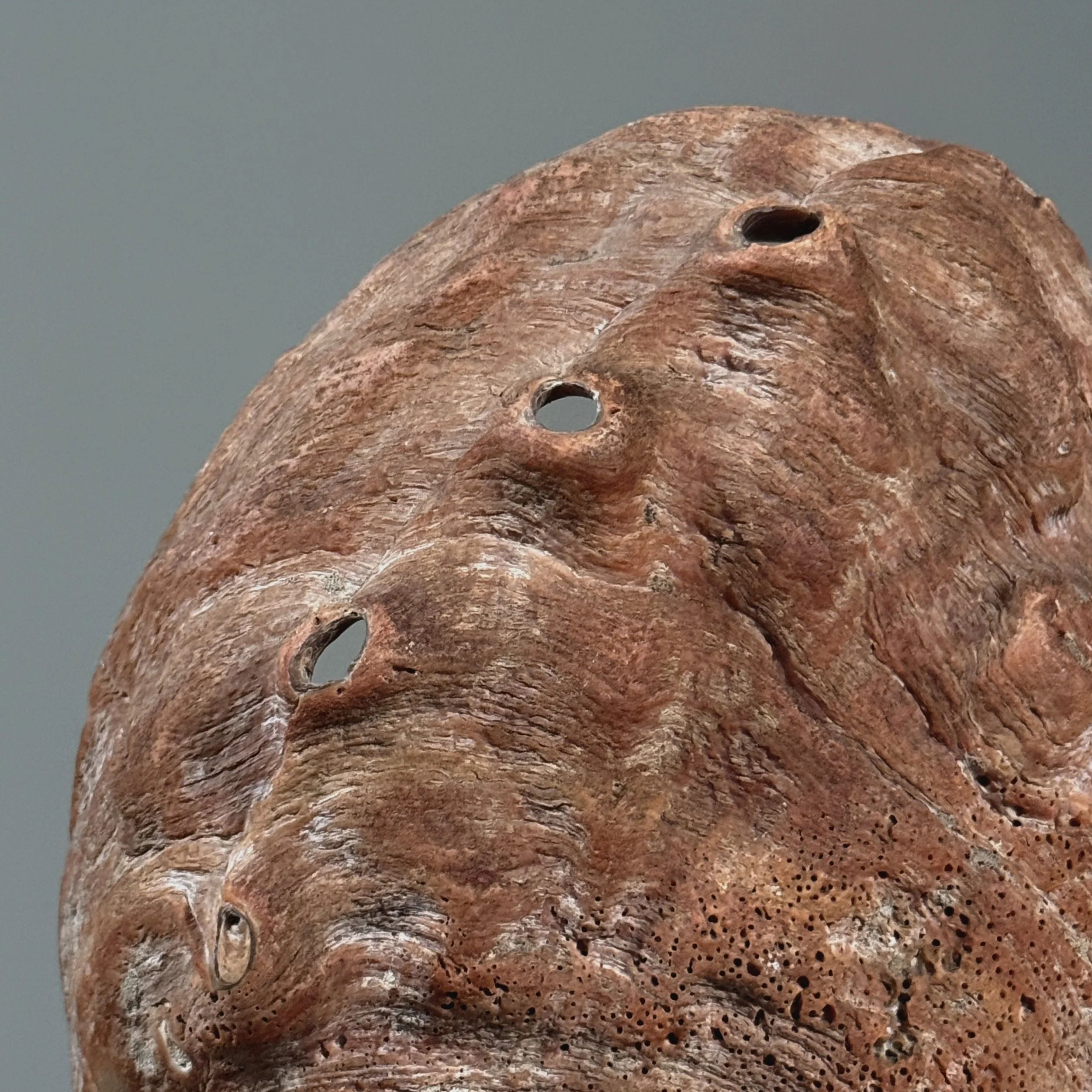 Image 9 of 9